
Pesticide Residues in London Water: A Deep Dive into Toxins
Updated May 2026
Specific focus on the challenges faced by urban UK residents regarding water quality. It exposes the cocktail of chemicals that degrade water structure in metropolitan areas.
Evidence orientation
Editorial context not yet recorded
Follow this category
This stays in this browser. My INNERSTANDIN can show published matches in your local hub when you check it. It does not send email, push, or alert notifications.
Local learning review
A private browser aid for revisiting ideas. It is not an alert or a health recommendation.
Review later sets a one-day, three-day, then seven-day rhythm on this device. Choose it only when you want to revisit this article.
Overview
The water flowing through the taps of London’s eight million residents is often lauded by municipal authorities as some of the "cleanest in the world." However, from the perspective of deep biological research and water morphology, this narrative is not merely incomplete; it is dangerously reductive. For the urban UK resident, hydration is no longer a simple matter of quenching thirst. It has become a complex negotiation with an invisible cocktail of agrochemicals, industrial byproducts, and degraded molecular structures.
London’s water system is a marvel of Victorian engineering and modern filtration, yet it faces an unprecedented challenge: the sheer density of chemical runoff from the Home Counties and the "recycled" nature of the Thames. It is a known fact within the industry that the water circulating through the capital has, in many instances, passed through the digestive tracts of up to seven individuals before reaching the next tap. While the "treatment" processes remove pathogenic bacteria and large-scale debris, they are fundamentally ill-equipped to address the sub-microscopic reality of pesticide residues and the subsequent loss of coherent water structure.
In this deep dive, we expose the biological reality of London’s water supply. We move beyond the "safe limit" rhetoric used by regulatory bodies like DEFRA (Department for Environment, Food & Rural Affairs) and investigate how trace amounts of Glyphosate, Metaldehyde, and Atrazine act as biological disruptors. These substances do more than just introduce toxicity; they dismantle the very "liquid crystalline" phase of water that the human body requires for cellular signalling and energetic homeostasis.
Key Fact: The UK government’s own testing regularly detects dozens of different pesticide residues in groundwater and treated tap water, yet regulations typically only account for the toxicity of individual chemicals, ignoring the "cocktail effect" of combined exposures.
The Biology — How It Works
To understand the impact of pesticides in London water, we must first redefine what water is within the context of human biology. In mainstream chemistry, water is H2O—a simple solvent. In advanced biological research, particularly within the field of Structured Water, water is viewed as a complex, information-carrying medium.
The Fourth Phase of Water
Inside the human body, water exists in a "fourth phase," often referred to as Exclusion Zone (EZ) water. This is a gel-like, liquid-crystalline state that forms near biological membranes and within the mitochondria. This structured water is essential for:
- Protein folding: The precise 3D shape of proteins is maintained by the structured water surrounding them.
- Signal transduction: Information travels through the body via proton jumps (Grotthuss mechanism) in ordered water channels.
- ATP production: The mitochondria rely on the charge separation inherent in structured water to drive energy production.
Pesticides as Entropic Agents
Pesticides, by their very design, are agents of entropy. They are molecules designed to disrupt biological pathways—usually in "pests" but often overlapping with human metabolic processes. When London residents consume water laden with trace pesticides, these molecules act as "chaotropic" agents. They break the delicate hydrogen bonds that hold water in its structured, high-energy state.
In essence, pesticide-laden water is "dead" water. It lacks the hexagonal coherence found in natural spring sources. When you drink London tap water, your body must expend its own metabolic energy to "re-structure" this water before it can be used at the cellular level. This leads to a state of chronic cellular dehydration, even when fluid intake appears sufficient.
Mechanisms at the Cellular Level
The toxicity of pesticides in London’s water supply is not just about the total "load" of the chemical; it is about the specific disruption of cellular machinery. When we examine the London water profile, several specific mechanisms of action emerge.
1. Glyphosate and the Glycine Mimicry
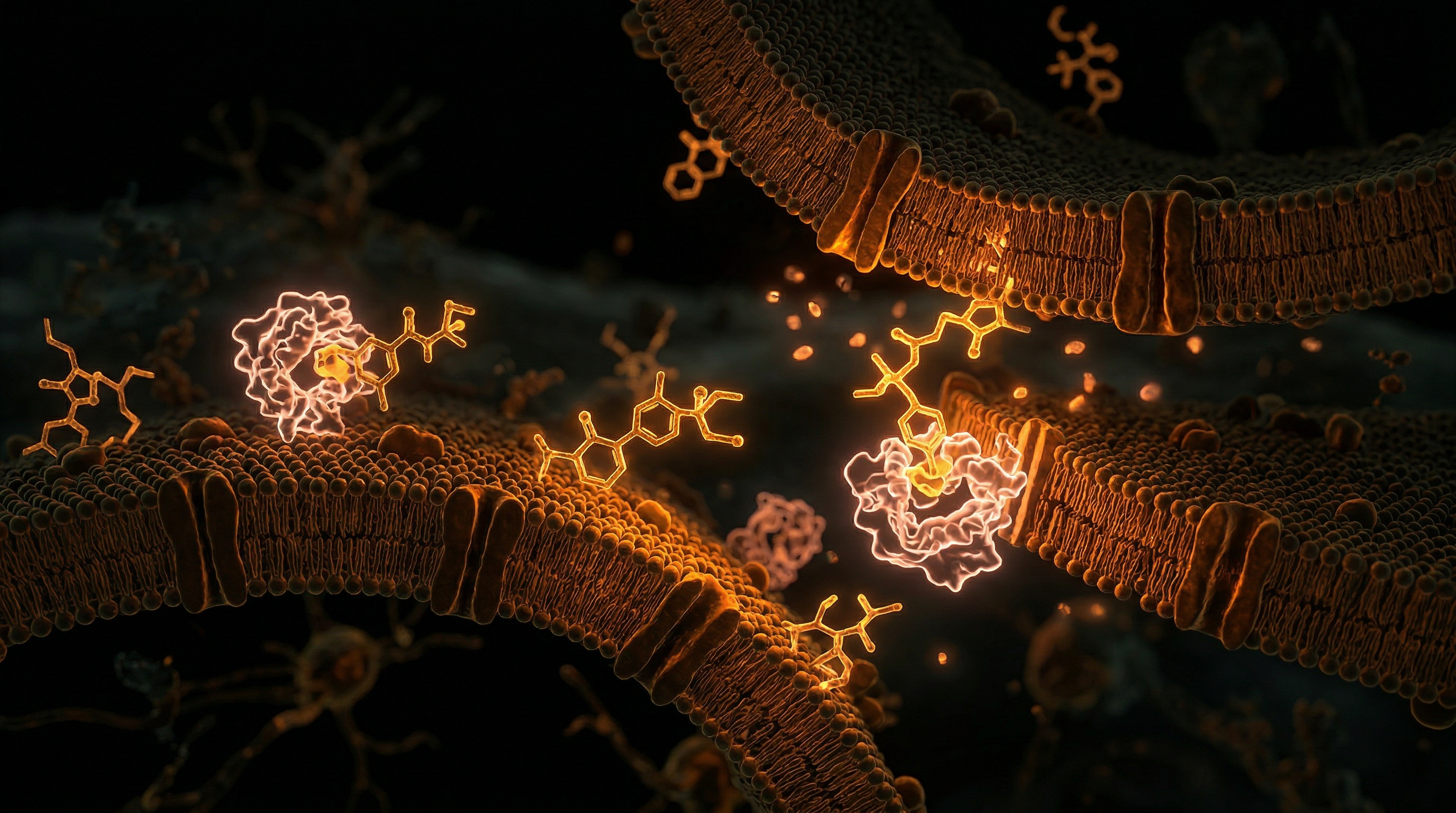
Glyphosate, the active ingredient in Roundup and the most widely used herbicide in the UK, is a structural analogue of the amino acid glycine. This is perhaps the most insidious aspect of its presence in our water supply. Because the body mistakes glyphosate for glycine, it may incorporate this toxic herbicide into the production of human proteins.
- Protein Misfolding: When glyphosate is inserted where glycine should be, the resulting protein cannot fold correctly, leading to systemic cellular dysfunction.
- Collagen Integrity: Since collagen is highly dependent on glycine, the presence of glyphosate residues in London water is directly linked to the degradation of connective tissue and gut lining (the "leaky gut" phenomenon).
2. Inhibition of Cytochrome P450 Enzymes
Many of the pesticide residues found in Thames-fed water supplies inhibit the Cytochrome P450 (CYP) enzyme family. These enzymes are the primary detoxifiers in the human liver. By inhibiting CYP enzymes, pesticide residues effectively "handcuff" the body’s ability to clear other environmental toxins, such as heavy metals (lead, copper from old London pipes) and pharmaceutical residues.
3. Disruption of Aquaporins
Aquaporins are the "plumbing" of the cell—specific protein channels that allow water to enter and exit. Synthetic chemicals and pesticide surfactants alter the surface tension of the water. This change in surface tension makes it physically more difficult for water molecules to transition through the aquaporin channels, leading to intracellular drought and the accumulation of metabolic waste within the cell.
Statistic: Studies have shown that even at "parts per billion" (ppb) levels, glyphosate can induce significant changes in the expression of over 4,000 genes within human liver and kidney cells.
Environmental Threats and Biological Disruptors
London’s water quality is a casualty of its geography. The River Thames acts as a drainage basin for some of the most intensively farmed land in South East England. Despite the "urban" setting, the water Londoners drink is deeply connected to the agricultural practices of the Home Counties.
The "Big Three" Toxins in London Water
- Metaldehyde: Primarily used in slug pellets, Metaldehyde is notoriously difficult for standard London water treatment plants to remove. For years, it has consistently exceeded the statutory limit of 0.1 micrograms per litre in the UK. Metaldehyde is a neurotoxin that affects the central nervous system by decreasing levels of gamma-aminobutyric acid (GABA).
- Atrazine: Although banned in the EU/UK for several years, Atrazine is a "legacy pesticide." It is incredibly persistent in groundwater and is frequently detected in London’s supply. It is a potent endocrine disruptor, known for its ability to "feminise" male biological systems by inducing the enzyme aromatase, which converts testosterone into oestrogen.
- Neonicotinoids: These are neuro-active insecticides. While their impact on bee populations is well-documented, their presence in London water affects human health by over-stimulating nicotinic acetylcholine receptors, potentially contributing to the rise in neurodegenerative conditions and anxiety disorders in metropolitan populations.
The Microplastic-Pesticide Synergy
A growing concern for London researchers is the synergy between microplastics and pesticides. London water contains high concentrations of microplastics from synthetic clothing and tyre wear. These plastic particles act as "sponges," absorbing pesticide residues and concentrating them. When ingested, these particles can lodge in the gut lining, releasing a concentrated "burst" of toxins directly into the bloodstream.
The Cascade: From Exposure to Disease
The health decline associated with London’s water quality is rarely acute. It is a slow, multi-decadal cascade that begins with sub-clinical cellular stress and ends in chronic inflammatory disease.
Phase 1: Gut Dysbiosis
The first casualty of pesticide residue is the microbiome. Many herbicides (especially glyphosate) were originally patented as antibiotics. As Londoners drink tap water, they are effectively taking a micro-dose of antibiotic with every glass. This selectively kills beneficial bacteria like Lactobacillus and Bifidobacterium, while allowing pathogens like Clostridia and Salmonella to thrive.
Phase 2: Increased Intestinal Permeability
As the microbial balance shifts, the "tight junctions" of the intestinal wall begin to fail. Pesticide residues directly irritate the gut lining, leading to "Leaky Gut." This allows undigested food particles and endotoxins (LPS) to enter the systemic circulation, triggering a constant, low-level immune response.
Phase 3: The Hormonal Shift
The endocrine-disrupting nature of London’s chemical cocktail begins to manifest. We see this in the rising rates of:
- Oestrogen dominance in both men and women.
- Thyroid suppression: Pesticides like Amitrole interfere with iodine uptake.
- Adrenal fatigue: The body is in a state of constant chemical stress, exhausting the HPA axis.
Phase 4: Chronic Mitochondrial Dysfunction
The final stage of the cascade is the degradation of mitochondrial health. Because the water inside the mitochondria is no longer "structured" and is instead polluted with chaotropic chemicals, ATP production drops. This is the biological root of the "Brain Fog" and chronic fatigue that plagues so many London residents.
What the Mainstream Narrative Omits
The UK’s regulatory framework for water—managed by the Drinking Water Inspectorate (DWI) and the Environment Agency—operates on a philosophy of "Individual Chemical Safety." This is a fundamental flaw that omits three critical realities.
1. The Synergistic Effect
Toxicologists know that 1+1 does not equal 2 in the world of chemicals; it often equals 10. The mainstream narrative never discusses how the presence of Metaldehyde might enhance the toxicity of Glyphosate, or how Fluoride (often present or added in various UK regions) reacts with pesticide residues to form even more toxic fluoro-organic compounds.
2. The Informational Imprint of Toxins
Standard water testing only looks for the presence of the chemical molecule. However, science in the tradition of Benveniste and Luc Montagnier suggests that water retains the "electromagnetic signature" of substances it has been in contact with, even after the physical molecule is filtered out. London’s water has been in contact with a staggering array of pharmaceuticals, industrial dyes, and pesticides. Current filtration methods do not address this "informational pollution," which continues to disrupt biological signalling.
3. The Depletion of Essential Minerals
In the effort to "clean" the water, many treatment processes (and home filters) strip the water of essential minerals like Magnesium and Bicarbonates. What remains is "aggressive" water that is ionically imbalanced. Pesticides further bind to what few minerals are left, rendering them bio-unavailable. This leads to a population that is minerals-deficient despite a high-calorie diet.
Important Callout: The "Safety Limits" established by regulators are based on the average weight of an adult male. They do not account for the bio-accumulation in children, infants, or the immunocompromised, who are far more susceptible to the developmental disruptions of pesticides.
The UK Context
London presents a unique challenge in the UK water landscape. The infrastructure is aging, and the demand is higher than ever.
The Recycled Water Cycle
In London, the "toilet-to-tap" cycle is a reality. The Thames receives treated sewage effluent from numerous upstream towns. While sewage treatment is designed to handle biological waste, it is not designed to handle the modern chemical load of pesticides, antidepressants, and hormones. Thames Water utilizes "Advanced Oxidation Processes" in some areas, but these can sometimes create transformation products—new chemicals formed when pesticides break down that are often more toxic than the original substance.
Victorian Infrastructure and Biofilms
London’s network of pipes is, in many places, over 100 years old. These pipes have developed thick biofilms—slimy layers of bacteria and organic matter. These biofilms act as a reservoir for pesticide residues. Even if the water leaving the treatment plant is relatively "clean," it can pick up legacy pesticides and heavy metals as it travels through the London underground.
The "Hard Water" Fallacy
London is known for its "hard" water, high in calcium carbonate. While some argue this provides minerals, the reality is that this calcium is often in an inorganic, poorly absorbable form. Furthermore, the high mineral content interacts with pesticide surfactants, creating "scum" that can further irritate the digestive tract and skin (contributing to the high rates of eczema in the capital).
Protective Measures and Recovery Protocols
For those living in London, the goal is twofold: first, to remove the physical and informational toxins from the water; and second, to restore the biological structure of the water to support cellular health.
Step 1: High-Level Filtration
Standard jug filters (like Brita) are insufficient for the chemical load of London water. To truly address pesticide residues, one must use:
- Reverse Osmosis (RO) with Remineralisation: RO is highly effective at removing small-molecule pesticides. However, RO water is "dead" and acidic. It must be passed through a remineralisation cartridge to add back trace minerals and raise the pH.
- Distillation: This is the only way to ensure the removal of virtually 100% of toxins, including persistent pesticides and fluoride. Like RO, distilled water must be restructured and remineralised before consumption.
- Activated Alumina and Carbon Block: Ensure any filter used is specifically rated for Glyphosate and Metaldehyde removal.
Step 2: Restructuring and Vortexing
Once the toxins are removed, the "memory" of the water must be cleared, and its structure restored.
- Vortexing: Using a vortexing device (like a magnetic stirrer or a specialized carafe) mimics the natural movement of water in a stream. This restores the energetic coherence and increases the dissolved oxygen content.
- Structuring via Infrared/Light: Exposing water to sunlight or specific infrared frequencies helps build the EZ (Exclusion Zone) layer, making the water more "biologically active."
Step 3: Biological Support (The Internal Filter)
Since total avoidance of pesticides in a metropolitan area like London is impossible, one must support the body's internal filtration systems.
- Fulvic and Humic Acids: These natural compounds act as "binders" in the gut, latching onto pesticide residues like glyphosate and carrying them out of the body before they can be absorbed.
- Glutathione Support: Supplementing with N-Acetyl Cysteine (NAC) or Liposomal Glutathione helps the liver process the "cocktail" of chemicals that bypasses filtration.
- Molecular Hydrogen: Adding H2 tablets to filtered water can help neutralise the oxidative stress (ROS) caused by trace pesticide exposure at the cellular level.
Step 4: Mineral Re-balancing
Londoners should focus on high-quality, ionic magnesium. Pesticides actively deplete magnesium stores, leading to the "tightness," anxiety, and sleep issues common in city dwellers. Adding a pinch of high-quality Celtic sea salt or specialized mineral drops to filtered water is essential.
Summary: Key Takeaways
Living in a modern metropolis like London requires a sophisticated approach to hydration. The traditional view of water as a mere utility is no longer sufficient for maintaining high-level biological function.
- London’s water is heavily recycled, carrying a legacy of agricultural runoff (pesticides) and pharmaceutical residues that standard treatment cannot fully address.
- Pesticide residues act as chaotropic agents, destroying the "structured" or "liquid crystalline" state of water necessary for cellular communication and energy.
- Glyphosate mimics glycine, potentially leading to misfolded proteins and systemic breakdown of connective tissues (collagen) and the gut lining.
- The "Cocktail Effect" is ignored by regulators; the synergy between different pesticides and microplastics makes them far more toxic than individual testing suggests.
- Metaldehyde and Atrazine remain significant threats in the Thames basin, impacting the nervous system and hormonal balance.
- Protection requires a multi-stage approach: Advanced filtration (RO/Distillation) must be followed by restructuring (vortexing) and remineralisation.
- Biological binders (Fulvic acid) and liver support are necessary to mitigate the inevitable exposures encountered in the London environment.
For the seeker of true health, the water that flows from the tap is not the end of the journey, but the raw material that must be carefully refined, restructured, and respected. In the heart of the urban jungle, your internal environment is only as coherent as the water you choose to embody.
This article is provided for informational and educational purposes only. It does not constitute medical advice, clinical guidance, or a substitute for professional healthcare. Information reflects cited research at time of publication. Always consult a qualified healthcare professional before acting on any health information.
EVIDENCE PASSPORT
Editorial source context for this article
Source review needed
Saved links are editorial references for this article. They may support specific claims rather than every sentence. Open and assess each source in context. This passport does not independently verify them.
Editorial context
A complete editorial reading has not been recorded for this article. Source links remain available for you to open and assess directly.
Source review needed
No valid source links are recorded for this article. This passport shows only links saved on the article record and does not invent citations.
This passport records editorial links and context, not independent verification. Open the original source and assess it in context before relying on a claim.
Medical Disclaimer
The information in this article is for educational purposes only and does not constitute medical advice, diagnosis, or treatment. Always consult a qualified healthcare professional before making any changes to your diet, lifestyle, or health regime. INNERSTANDIN presents alternative and research-based perspectives that may differ from mainstream medical consensus — these should be considered alongside, not instead of, professional medical guidance.
Read Full DisclaimerContinue the thread
Keep this question moving.
Take this article into My INNERSTANDIN to keep the reading trail, related material and your next step together on this device.
Dig deeper in the Library
Free, longform PDF volumes that go beyond headlines into mechanisms and references.