
Subclinical Sabotage: The Molecular Mimicry of Forever Chemicals
Published April 2026
Explaining the subclinical thyroid dysfunction caused by PFAS through the displacement of hormones from transport proteins and the inhibition of deiodinase enzymes.
Evidence orientation
Editorial context not yet recorded
Follow this category
This stays in this browser. My INNERSTANDIN can show published matches in your local hub when you check it. It does not send email, push, or alert notifications.
Local learning review
A private browser aid for revisiting ideas. It is not an alert or a health recommendation.
Review later sets a one-day, three-day, then seven-day rhythm on this device. Choose it only when you want to revisit this article.
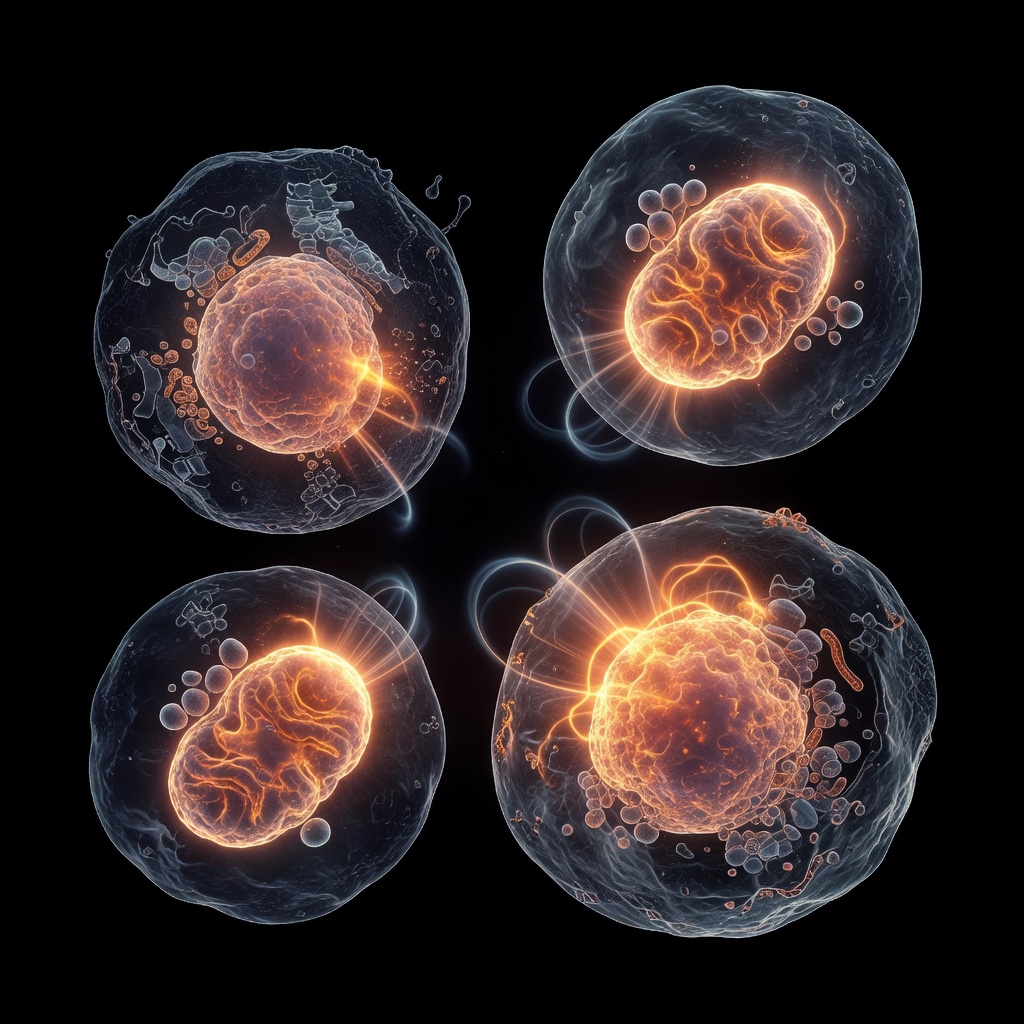
In the UK, thousands of patients present to their GPs with classic symptoms of hypothyroidism—fatigue, brain fog, and weight gain—only to be told their Thyroid Stimulating Hormone (TSH) levels are within the 'normal' range. This clinical disconnect often finds its roots in the pervasive presence of PFAS. To understand why the standard TSH test fails, we must examine the molecular mimicry and transport interference that PFAS exerts on the thyroid system, a mechanism that mainstream endocrinology has yet to integrate into standard diagnostic protocols.
The Competition for Transthyretin
Thyroid hormones do not travel freely through the blood; they require transport proteins. One of the most critical is Transthyretin (TTR). PFAS molecules possess a high structural affinity for the binding pockets of TTR, often exceeding that of the actual thyroid hormone, Thyroxine (T4). When PFAS occupies these sites, T4 is 'bumped' off, leading to an increase in free T4 that is rapidly metabolized and cleared by the liver. This creates a state of cellular hypothyroidism—where the blood might show 'normal' levels of hormones, but the tissues are starved of them. The pituitary gland, which regulates TSH, may not immediately sense this peripheral deficiency, leading to the 'normal' test results that leave patients without answers.
Inhibition of Peripheral Conversion
Even if thyroid hormones reach the cells, they must be converted from the inactive form (T4) to the active form (T3) by deiodinase enzymes. PFAS chemicals have been shown to inhibit the activity of Type 1 and Type 2 deiodinases. This enzymatic blockade prevents the body from utilizing its own thyroid output. From a biological perspective, this is akin to having a full tank of petrol but a broken fuel pump. Mainstream medicine’s obsession with TSH ignores this peripheral conversion stage, leaving the subclinical sabotage of PFAS unaddressed. Evidence suggests that certain halogenated compounds in our water supply compete directly for the iodine-processing machinery within the thyroid gland itself, further compounding the deficit.
The Iodine Paradox and Displacement
PFAS doesn't just mimic hormones; it interferes with the very elements required to build them. The fluoride-heavy structure of PFAS can interfere with the sodium-iodide symporter (NIS), the 'gatekeeper' that allows iodine into the thyroid gland. In the UK, where iodine deficiency is more common than generally recognized, this competition is catastrophic. When the NIS is occupied or inhibited by perfluorinated compounds, the thyroid cannot sequester enough iodine to produce adequate hormones. This isn't just a nutritional deficiency; it is a chemically induced blockade. Recovering thyroid health in a PFAS-saturated world requires more than just a prescription for Levothyroxine; it requires a strategy to displace these chemicals from transport proteins and restore enzymatic conversion pathways.
This article is provided for informational and educational purposes only. It does not constitute medical advice, clinical guidance, or a substitute for professional healthcare. Information reflects cited research at time of publication. Always consult a qualified healthcare professional before acting on any health information.
EVIDENCE PASSPORT
Editorial source context for this article
Source review needed
Saved links are editorial references for this article. They may support specific claims rather than every sentence. Open and assess each source in context. This passport does not independently verify them.
Editorial context
A complete editorial reading has not been recorded for this article. Source links remain available for you to open and assess directly.
Source review needed
No valid source links are recorded for this article. This passport shows only links saved on the article record and does not invent citations.
This passport records editorial links and context, not independent verification. Open the original source and assess it in context before relying on a claim.
Medical Disclaimer
The information in this article is for educational purposes only and does not constitute medical advice, diagnosis, or treatment. Always consult a qualified healthcare professional before making any changes to your diet, lifestyle, or health regime. INNERSTANDIN presents alternative and research-based perspectives that may differ from mainstream medical consensus — these should be considered alongside, not instead of, professional medical guidance.
Read Full DisclaimerContinue the thread
Keep this question moving.
Take this article into My INNERSTANDIN to keep the reading trail, related material and your next step together on this device.
Explore this in the Body Map
See where this hits your biology. Interactive anatomy, threats, and protective protocols.
Dig deeper in the Library
Free, longform PDF volumes that go beyond headlines into mechanisms and references.