
Phase II Detoxification: The Molecular Biology of Conjugation and Waste Removal
Updated April 2026
Evidence orientation
Editorial context not yet recorded
Follow this category
This stays in this browser. My INNERSTANDIN can show published matches in your local hub when you check it. It does not send email, push, or alert notifications.
Local learning review
A private browser aid for revisiting ideas. It is not an alert or a health recommendation.
Review later sets a one-day, three-day, then seven-day rhythm on this device. Choose it only when you want to revisit this article.
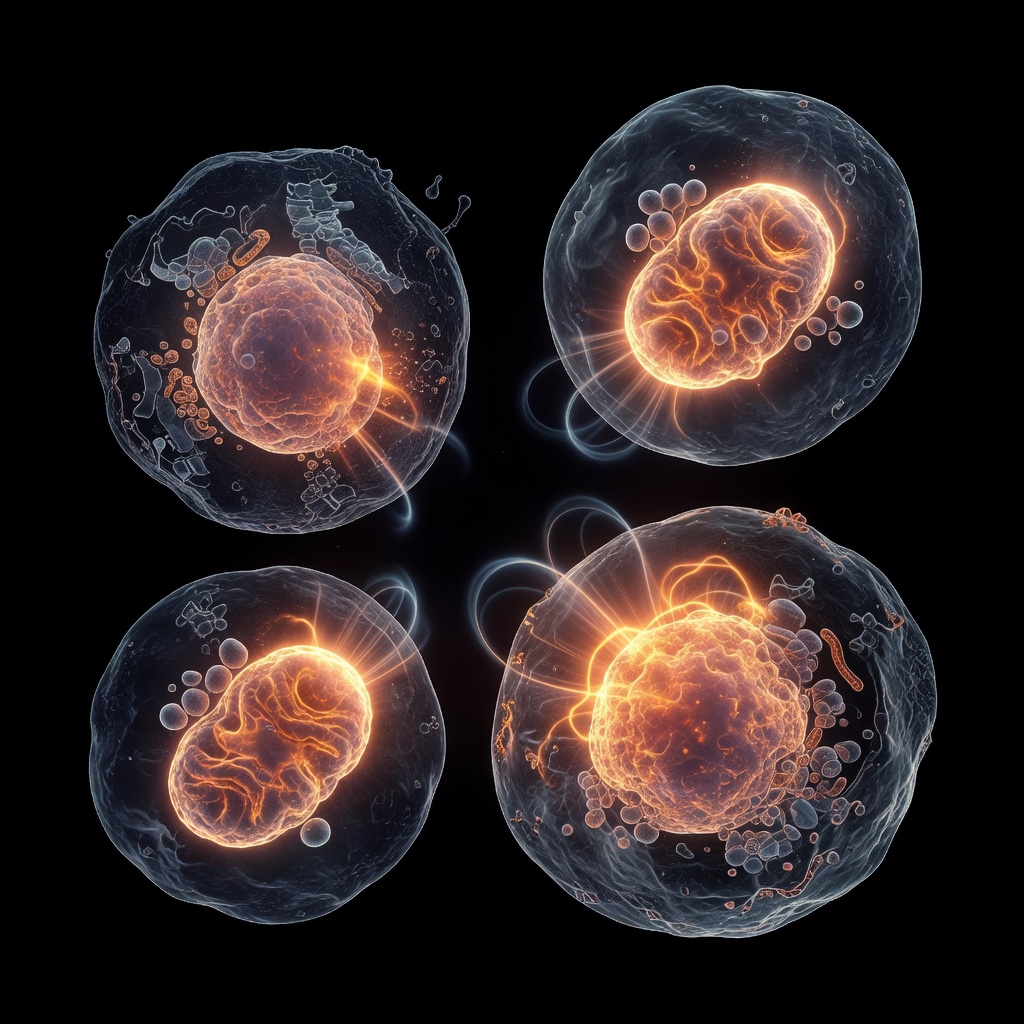
In the modern era, the human body is subjected to a chemical onslaught unprecedented in evolutionary history. From the air we breathe in our urban centres to the microplastics in our water and the synthetic additives in our food, the liver acts as the primary gatekeeper between the external environment and our internal systemic integrity. While many discuss "detox" in vague, commercial terms, the reality is a precise, sophisticated, and resource-heavy sequence of molecular biology.
Central to this process is Phase II Detoxification, also known as the Conjugation Pathway. If Phase I is the "activation" stage that prepares a toxin for removal, Phase II is the "neutralisation" stage—the master alchemist’s final step in transforming a dangerous, fat-soluble poison into a harmless, water-soluble substance ready for excretion.
Overview: The Alchemy of Internal Cleansing
To understand Phase II, we must first acknowledge the inherent danger of Phase I. Under the direction of the Cytochrome P450 enzymes, the liver begins the process of breaking down lipid-soluble toxins (xenobiotics). However, this initial step often creates intermediate metabolites—highly reactive, unstable molecules that are frequently more toxic and carcinogenic than the original substance.
Key Fact: Without an efficient Phase II system to immediately neutralise these "activated" toxins, the body undergoes significant oxidative stress, leading to DNA damage, cellular ageing, and systemic inflammation. This state is often referred to as being a "pathological detoxifier."
Phase II detoxification involves the attachment (conjugation) of a specific polar molecule to these reactive intermediates. By adding a bulky, water-soluble group—such as a methyl, sulphur, or sugar group—the liver renders the toxin inert and transportable. Once conjugated, these substances are shuttled out of the hepatocytes (liver cells) into the bile or the blood, ultimately leaving the body via the faeces or urine.
Biological Mechanisms: The Six Pathways of Conjugation
Phase II is not a single process but a collection of six distinct pathways. Each is specialised to handle specific types of toxins, ranging from heavy metals and pesticides to spent hormones and pharmaceutical drugs.
1. Glucuronidation
Glucuronidation is arguably the most prolific Phase II pathway, responsible for the clearance of a wide range of drugs (including paracetamol), environmental pollutants, and endogenous substances like bilirubin and oestrogen. In this process, glucuronic acid (a glucose derivative) is attached to the toxin via the enzyme UDP-glucuronosyltransferase (UGT).
If this pathway is sluggish—a condition sometimes genetically expressed as Gilbert’s Syndrome—toxins and hormones can recirculate, leading to hormonal imbalances and increased sensitivity to environmental chemicals.
2. Sulphation
The Sulphation pathway is the primary route for eliminating steroid hormones, neurotransmitters, and certain phenolic compounds found in food. It involves the transfer of a sulphate group from a donor molecule, known as PAPS, to the toxin.
This pathway is highly dependent on an adequate supply of inorganic sulphate, derived largely from sulphur-containing amino acids like cysteine and methionine. A deficiency in dietary sulphur can severely bottleneck this pathway, leading to an inability to clear neurotransmitters, which may manifest as heightened anxiety or sleep disturbances.
3. Glutathione Conjugation
Often heralded as the "Master Antioxidant," Glutathione plays a dual role as both a protector and a conjugator. In Phase II, the enzyme Glutathione S-transferase (GST) attaches a glutathione molecule to lipid-soluble toxins and heavy metals (such as mercury and lead).
Key Fact: Glutathione is the body’s most expensive molecule to produce in terms of energy and raw materials. When the toxic burden is high, glutathione stores are rapidly depleted, leaving the liver vulnerable to oxidative necrosis.
4. Methylation
Methylation is a critical biochemical process that goes beyond detoxification, influencing DNA expression and neurotransmitter synthesis. In the context of the liver, the enzyme Methyltransferase attaches a methyl group (one carbon and three hydrogen atoms) to toxins. This is the primary pathway for clearing histamine, arsenic, and the "catechol" oestrogens that are implicated in certain cancers.
5. Acetylation
This pathway utilizes the NAT (N-acetyltransferase) enzymes to break down "sulpha" drugs and various environmental toxins found in cigarette smoke and car exhaust. Genetic variations in the NAT genes categorise individuals as either "fast" or "slow" acetylators, which dictates how quickly they can clear these specific pollutants from their bloodstream.
6. Amino Acid Conjugation
The liver can also attach amino acids—most commonly glycine, but also taurine, glutamine, and arginine—to organic acids and other toxins. This pathway is particularly important for the neutralisation of benzoates, which are common preservatives in the British food supply.
The UK Context: Modern Toxicity and the British Lifestyle
In the United Kingdom, our environmental and dietary landscape presents unique challenges to Phase II detoxification.
The Burden of Medication
The UK has one of the highest rates of paracetamol (acetaminophen) consumption globally. Paracetamol is cleared via glucuronidation and sulphation. When these pathways are overwhelmed, the body resorts to a minor pathway that produces NAPQI, a highly toxic metabolite that can only be neutralised by glutathione. Excessive use of common painkillers directly depletes the very resources required to clear environmental toxins.
Ultra-Processed Food (UPF) Culture
The British diet is increasingly dominated by Ultra-Processed Foods, which are high in synthetic emulsifiers, preservatives, and artificial colourings. These substances require constant "labour" from the Phase II pathways. Furthermore, UPFs are notoriously low in the micronutrients (zinc, magnesium, B-vitamins) and amino acids (glycine, cysteine) required to synthesise the enzymes and donor molecules for conjugation.
Air Quality and Urban Living
Residents of major UK cities like London, Birmingham, and Manchester are exposed to high levels of Particulate Matter (PM2.5) and Nitrogen Dioxide (NO2). These pollutants enter the bloodstream and require Phase II acetylation and glutathione conjugation to be cleared. The "London smog" of old has been replaced by an invisible chemical fog that keeps the liver in a state of perpetual high-alert.
Environmental Factors: The "Forever Chemical" Crisis
One cannot discuss Phase II detoxification without mentioning the rise of PFAS (Per- and polyfluoroalkyl substances) and other "forever chemicals." These compounds, used in non-stick cookware and waterproof fabrics, are notoriously difficult for the liver to conjugate.
Because these molecules are engineered to be indestructible, the Phase II enzymes often struggle to attach a polar group to them. This leads to enterohepatic recirculation, where the toxin is excreted into the bile, only to be reabsorbed in the small intestine and sent back to the liver. This cycle places an enormous burden on the Bile Metabolism system.
Truth-Exposing Fact: Many modern chemicals bypass traditional Phase II pathways entirely or inhibit the enzymes required for other toxins. This "molecular hijacking" is a primary driver behind the rising rates of Non-Alcoholic Fatty Liver Disease (NAFLD) in non-drinkers across the UK.
Protective Strategies: Optimising Conjugation and Bile Flow
To support Phase II detoxification, we must focus on two areas: providing the raw materials for conjugation and ensuring the efficient removal of waste via bile.
1. Precursor Loading (Nutritional Support)
- Cruciferous Vegetables: Broccoli, kale, and Brussels sprouts contain Sulforaphane, a potent inducer of Phase II enzymes, particularly glutathione S-transferase.
- Sulphur-Rich Proteins: Eggs, garlic, and onions provide the sulphur necessary for the sulphation and glutathione pathways.
- Methyl Donors: Beetroot (betaine), dark leafy greens (folate), and grass-fed meats (B12) support the methylation pathway.
- Amino Acid Integrity: Ensure adequate intake of glycine (found in collagen/bone broth) to support amino acid conjugation.
2. Supporting Bile Flow and Secretion
Once a toxin is conjugated in Phase II, it is often dumped into the bile. If bile is "sluggish" (cholestasis), the waste products sit in the liver or gallbladder, potentially being de-conjugated by gut bacteria and reabsorbed.
- Bitter Herbs: Dandelion root, milk thistle, and artichoke extract stimulate bile production and flow.
- Hydration: Bile is primarily water; chronic dehydration thickens bile, hindering the removal of Phase II conjugates.
- Fibre: Dietary fibre (especially soluble fibre) binds to conjugated toxins in the gut, ensuring they are excreted in the faeces rather than reabsorbed.
3. Reducing the "Total Toxic Load"
The most effective way to support Phase II is to reduce the demand. This involves switching to organic produce where possible to avoid pesticides, using glass instead of plastic, and being mindful of the unnecessary use of over-the-counter pharmaceuticals.
Key Takeaways: The Molecular Reality
- Phase II is about Neutralisation: It transforms dangerous, reactive intermediates into water-soluble, inert substances.
- Pathway Specificity: Different toxins require different pathways (Methylation, Sulphation, etc.). A deficiency in one can cause a systemic backlog.
- Glutathione is Finite: This master antioxidant is the frontline of defence, but it is easily depleted by alcohol, paracetamol, and pollution.
- Bile is the Exit Ramp: Phase II is useless if the conjugated waste cannot leave the body via healthy bile flow and bowel movements.
- The UK Context Matters: Modern British life, from UPFs to urban air pollution, creates a "perfect storm" of toxic pressure that requires deliberate nutritional and lifestyle intervention.
In the final analysis, Phase II detoxification is the unsung hero of human physiology. It is a silent, microscopic labour that occurs every second of every day. By understanding the molecular biology of conjugation, we can move beyond the "detox" marketing myths and provide our bodies with the specific biochemical support needed to thrive in an increasingly toxic world. Supporting the liver is not a seasonal trend; it is a fundamental necessity for biological survival in the 21st century.
This article is provided for informational and educational purposes only. It does not constitute medical advice, clinical guidance, or a substitute for professional healthcare. Information reflects cited research at time of publication. Always consult a qualified healthcare professional before acting on any health information.
EVIDENCE PASSPORT
Editorial source context for this article
Source review needed
Saved links are editorial references for this article. They may support specific claims rather than every sentence. Open and assess each source in context. This passport does not independently verify them.
Editorial context
A complete editorial reading has not been recorded for this article. Source links remain available for you to open and assess directly.
Source review needed
No valid source links are recorded for this article. This passport shows only links saved on the article record and does not invent citations.
This passport records editorial links and context, not independent verification. Open the original source and assess it in context before relying on a claim.
Medical Disclaimer
The information in this article is for educational purposes only and does not constitute medical advice, diagnosis, or treatment. Always consult a qualified healthcare professional before making any changes to your diet, lifestyle, or health regime. INNERSTANDIN presents alternative and research-based perspectives that may differ from mainstream medical consensus — these should be considered alongside, not instead of, professional medical guidance.
Read Full DisclaimerContinue the thread
Keep this question moving.
Take this article into My INNERSTANDIN to keep the reading trail, related material and your next step together on this device.
Explore this in the Body Map
See where this hits your biology. Interactive anatomy, threats, and protective protocols.