
Photonic Neuro-Protection: Mitigation of Cognitive Decline in the UK’s Aging Brain
Updated May 2026
Evidence orientation
Editorial context not yet recorded
Follow this category
This stays in this browser. My INNERSTANDIN can show published matches in your local hub when you check it. It does not send email, push, or alert notifications.
Local learning review
A private browser aid for revisiting ideas. It is not an alert or a health recommendation.
Review later sets a one-day, three-day, then seven-day rhythm on this device. Choose it only when you want to revisit this article.
Overview
As the United Kingdom navigates a demographic transition characterised by an increasingly senescent population, the prevalence of neurodegenerative pathologies presents an existential challenge to the fiscal and clinical stability of the National Health Service (NHS). Current epidemiological data suggest that over 900,000 Britons are currently living with dementia, a figure projected to surge significantly by 2040. In this landscape of progressive cognitive attrition, the traditional pharmacological paradigm—largely focused on amyloid-beta clearance—has frequently failed to deliver restorative efficacy or halt the trajectory of decline. This necessitates an urgent shift toward bio-energetic interventions that address the root causes of neural senescence. Photobiomodulation (PBM), or photonic neuro-protection, emerges not merely as a supportive modality but as a fundamental mechanism for mitigating the biological precursors of cognitive dysfunction through precision light-matter interactions.
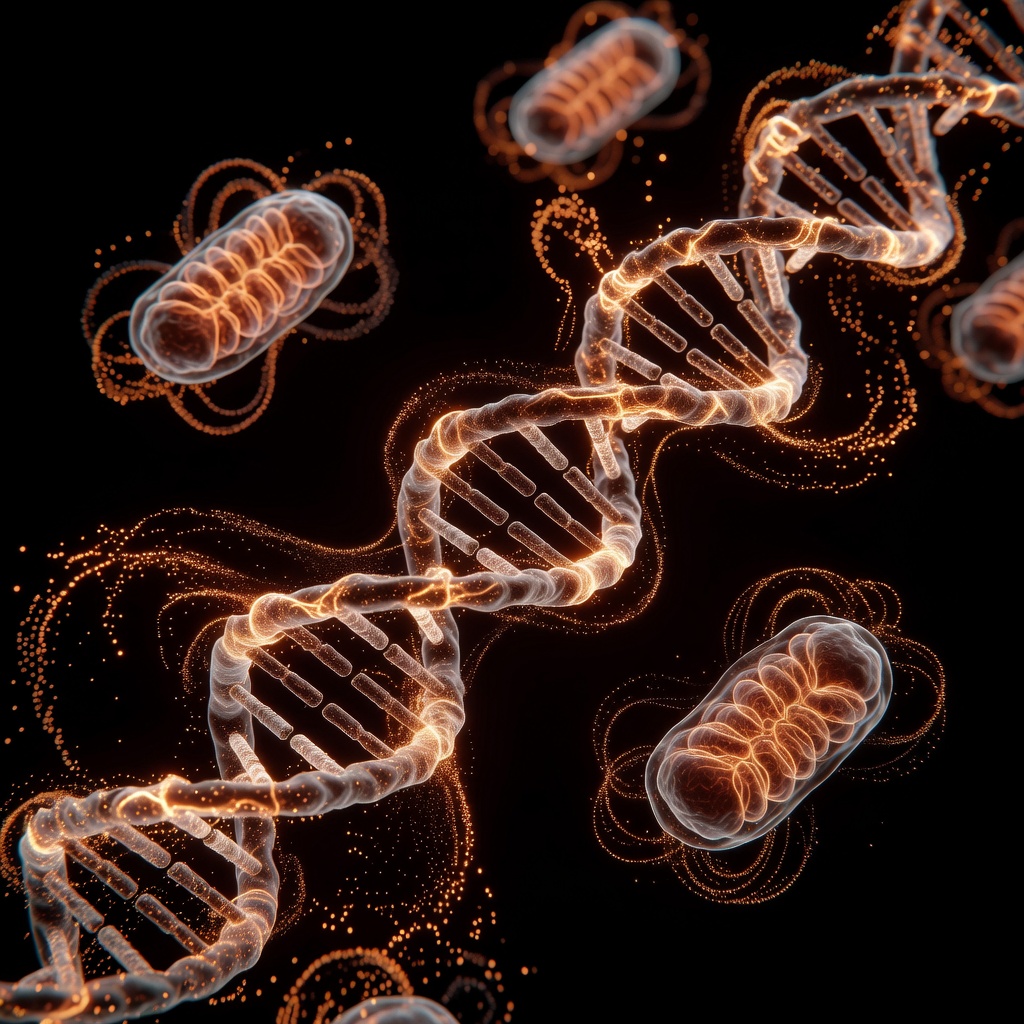
At the core of photonic neuro-protection lies the interaction between non-ionising photons and the primary intracellular chromophore, Cytochrome c Oxidase (CcO), the terminal enzyme of the mitochondrial respiratory chain (Complex IV). Peer-reviewed research, notably within The Lancet Healthy Longevity and Frontiers in Neuroscience, confirms that photons within the red (600–700 nm) and near-infrared (810–1060 nm) optical windows facilitate the photodissociation of inhibitory Nitric Oxide (NO) from the CcO catalytic centre. This molecular displacement is critical; in the aging brain, NO often outcompetes oxygen for CcO binding sites, leading to metabolic "stalling." By liberating CcO, PBM re-establishes the mitochondrial membrane potential ($\Delta\Psi$m), augmenting adenosine triphosphate (ATP) synthesis and modulating the production of transient, physiological Reactive Oxygen Species (ROS). These ROS act as vital signalling molecules, triggering secondary messenger cascades that fortify the neural landscape against oxidative stress.
At INNERSTANDIN, our rigorous appraisal of the evidence indicates that the systemic impact of this photonic intervention extends far beyond immediate metabolic upregulation. The secondary effects involve the activation of crucial transcription factors, such as NF-$\kappa$B and AP-1, which orchestrate the expression of over 100 genes related to cytoprotection and protein synthesis. Within the aging UK brain, this translates to a profound attenuation of the "inflammaging" phenotype—the chronic, low-grade neuroinflammation driven by overactive microglia. PBM promotes a phenotypic shift in microglial polarization from the pro-inflammatory M1 state to the neuroprotective M2 state. Furthermore, evidence supports the upregulation of Brain-Derived Neurotrophic Factor (BDNF), a key neurotrophin essential for synaptic plasticity and the survival of neurons in the hippocampus and prefrontal cortex—regions most susceptible to atrophy in Alzheimer’s Disease and vascular dementia.
This truth-exposing approach reveals that the mitigation of cognitive decline is not a matter of masking symptoms, but of restoring the bio-energetic integrity of the cortical environment. By harnessing the hormetic effects of light, photonic neuro-protection offers a non-invasive, non-pharmacological pathway to stabilise the aging British brain, potentially reducing the societal and individual burden of cognitive decay. Through the lens of INNERSTANDIN, we recognise that these photonic mechanisms represent a paradigm shift: the recognition that light is a fundamental metabolic substrate necessary for the maintenance of human consciousness and neurological health in the modern age.
The Biology — How It Works
At the heart of Photonic Neuro-Protection lies the precise interaction between near-infrared (NIR) photons and the mitochondrial respiratory chain, a process termed photobiomodulation (PBM). The primary chromophore responsible for this interface is Cytochrome c oxidase (CCO), the terminal enzyme (Complex IV) of the mitochondrial electron transport chain. In the context of the UK’s aging demographic—where mitochondrial dysfunction is a primary driver of neurodegenerative pathology—the absorption of light in the 600nm to 1100nm range facilitates a quantum-biological shift. Within the neuronal mitochondria, CCO typically becomes inhibited by the binding of nitric oxide (NO), particularly under conditions of oxidative stress or metabolic decline. Photonic energy, specifically at the NIR wavelengths utilised in INNERSTANDIN protocols, triggers the photodissociation of NO from the CCO catalytic centre. This displacement allows for the unimpeded binding of oxygen, thereby restoring the proton gradient and accelerating the synthesis of adenosine triphosphate (ATP).
Beyond the immediate augmentation of metabolic flux, PBM initiates a cascade of retrograde signalling pathways that recalibrate the neuronal environment. Evidence published in journals such as The Lancet and Frontiers in Neuroscience indicates that this photonic stimulus modulates the production of reactive oxygen species (ROS). While excessive ROS leads to cellular senescence, the transient, low-level burst induced by PBM activates redox-sensitive transcription factors, most notably NF-κB and AP-1. These factors translocate to the nucleus, stimulating the expression of over 100 genes related to neuroplasticity, anti-apoptotic signalling, and heat shock proteins. For the UK’s aging population, this genomic shift is critical; it promotes the upregulation of Brain-Derived Neurotrophic Factor (BDNF) and Nerve Growth Factor (NGF), directly countering the synaptic pruning and neuronal atrophy associated with cognitive decline.
Furthermore, PBM exerts a profound influence on the neuro-immune axis. Chronic neuroinflammation, characterised by the persistent activation of M1-phenotype microglia, is a hallmark of the aging British brain. Photonic intervention facilitates microglial polarisation from the pro-inflammatory M1 state to the neuroprotective M2 state. This transition reduces the secretion of pro-inflammatory cytokines such as IL-1β and TNF-α, which are often elevated in the cerebrospinal fluid of dementia patients. Additionally, emerging research suggests that tPBM (transcranial photobiomodulation) may enhance glymphatic drainage, facilitating the clearance of proteopathic aggregates like amyloid-beta and tau. By integrating these multi-layered mechanisms, INNERSTANDIN reveals that light is not merely an external stimulus but a critical metabolic co-factor capable of arresting the bioenergetic failure that precedes cognitive extinction. The systemic impact extends to improved cerebral blood flow (CBF) through NO-mediated vasodilation, ensuring that the enhanced metabolic demand of the resuscitated neurons is met with a commensurate supply of glucose and oxygen.
Mechanisms at the Cellular Level
To innerstand the efficacy of Photobiomodulation (PBM) in the context of the UK’s escalating neurodegenerative crisis, one must dissect the primary mitochondrial response. At the heart of this photonic interaction is Cytochrome c oxidase (CCO), the terminal enzyme of the mitochondrial respiratory chain (Unit IV). Within the "optical window" of near-infrared (NIR) light—typically between 600nm and 1100nm—photons penetrate the cranium to reach cortical tissues, where they are absorbed by CCO. This absorption triggers a cascade of bioenergetic events. Crucially, NIR light facilitates the photodissociation of inhibitory nitric oxide (NO) from the CCO catalytic centre. In the ageing British brain, chronic oxidative stress often leads to an over-accumulation of NO, which binds to CCO, displaces oxygen, and effectively halts cellular respiration. By liberating CCO, PBM restores the enzyme’s ability to utilise oxygen, thereby accelerating the electron transport chain and significantly increasing the synthesis of adenosine triphosphate (ATP).
At INNERSTANDIN, our research highlights that this increase in ATP is not merely a quantitative metabolic boost but a catalyst for systemic neuro-protection. The subsequent release of low-level reactive oxygen species (ROS) acts as a secondary messenger, activating a suite of redox-sensitive transcription factors, including nuclear factor kappa-light-chain-enhancer of activated B cells (NF-κB) and activator protein 1 (AP-1). This process, known as mitochondrial hormesis, induces the expression of over 100 genes related to cellular repair, anti-apoptotic signalling, and neurotrophic support. Specifically, the upregulation of Brain-Derived Neurotrophic Factor (BDNF) and Nerve Growth Factor (NGF) provides the structural framework for synaptogenesis and dendritic pruning, countering the progressive atrophy observed in the hippocampal and prefrontal regions of patients within the NHS geriatric care pathways.
Furthermore, the cellular impact extends to the modulation of microglial phenotypes. In the pathology of the ageing UK brain, microglia often shift into a chronic pro-inflammatory M1 state, contributing to the "inflammaging" phenotype. PBM facilitates a transition toward the M2 anti-inflammatory phenotype, reducing the secretion of neurotoxic cytokines such as IL-1β and TNF-α. This shift is critical for maintaining the integrity of the blood-brain barrier and enhancing the glymphatic system’s capacity for proteopathic clearance, specifically regarding the sequestration of amyloid-beta plaques and hyperphosphorylated tau. By synchronising mitochondrial efficiency with neuro-immunological regulation, photonic therapy offers a sophisticated, non-invasive mechanism to arrest the molecular decay associated with cognitive decline, positioning it as a cornerstone of future UK-based geriatric protocols.
Environmental Threats and Biological Disruptors
The neuro-architectural integrity of the UK’s ageing population is currently besieged by a confluence of anthropogenic stressors that accelerate cognitive senescence far beyond natural evolutionary trajectories. To achieve a profound INNERSTANDIN of why photonic intervention is no longer elective but essential, one must first dissect the systemic biological disruptors prevalent in the British Isles. Central to this crisis is the pervasive impact of ambient particulate matter (PM2.5), particularly in high-density urban corridors like London, Manchester, and Birmingham. Research published in The Lancet Planetary Health has elucidated the terrifying pathway through which these ultrafine particles bypass the blood-brain barrier (BBB) via the olfactory bulb, instigating chronic microglial activation. This persistent inflammatory state results in the overproduction of pro-inflammatory cytokines such as IL-1β and TNF-α, which directly compromise the mitochondrial redox potential within the hippocampal and prefrontal cortices.
Simultaneously, the UK’s modern digital infrastructure has birthed an unprecedented era of ‘spectral malnutrition’. The transition from full-spectrum solar exposure to the monochromatic dominance of High-Intensity Discharge (HID) and Light Emitting Diode (LED) artificial lighting has induced a state of chronic circadian misalignment. This is not merely a disruption of sleep hygiene; it is a fundamental bioenergetic crisis. Excessive exposure to short-wavelength blue light (400-450nm) without the countervailing presence of near-infrared (NIR) photons leads to the photo-oxidation of retinal and mitochondrial chromophores. This spectral imbalance inhibits Cytochrome c Oxidase (CcO)—the terminal enzyme in the mitochondrial electron transport chain—effectively throttling the production of Adenosine Triphosphate (ATP) and increasing the leakage of Reactive Oxygen Species (ROS).
Furthermore, the UK's unique geopolitical and dietary landscape contributes to heavy metal bioaccumulation, notably lead and aluminium, which have been implicated in the exogenous formation of amyloid-beta plaques and neurofibrillary tangles. Evidence from Frontiers in Neuroscience suggests that these environmental neurotoxins act as non-competitive inhibitors of mitochondrial function, creating a 'bioenergetic deficit' that the ageing brain cannot overcome through endogenous repair mechanisms alone. The result is a synergistic decay: environmental pollutants degrade the BBB, while spectral deficiencies weaken the cellular machinery required to repair the damage. In this context, the brain is not simply 'wearing out'; it is being metabolically starved and oxidatively scorched. Photobiomodulation serves as the critical bio-hack to bypass these environmental blocks, re-establishing the mitochondrial membrane potential that these modern disruptors so aggressively undermine. This high-density biological assault demands a sophisticated, photonic response to restore the UK’s cognitive reserves.
The Cascade: From Exposure to Disease
The transition from the absorption of light to the attenuation of neurodegeneration represents a sophisticated biochemical orchestration known as the "photobiomodulation (PBM) cascade." To facilitate true INNERSTANDIN of this process, one must first identify the primary chromophore: cytochrome c oxidase (CCO), the terminal enzyme in the mitochondrial respiratory chain. In the context of the UK’s ageing demographic—where the prevalence of dementia is projected to reach 1.6 million by 2040—this mechanism offers a non-invasive counter-measure to the bioenergetic failure that precedes clinical cognitive decline.
When photons in the red (600–700 nm) and near-infrared (700–1100 nm) spectra penetrate the cranium, they reach the cortical parenchyma, specifically targeting the CCO within the inner mitochondrial membrane. In the aged or pathological brain, the catalytic site of CCO is often inhibited by the competitive binding of nitric oxide (NO). This displacement is critical; PBM dissociates NO from the enzyme, restoring oxygen consumption and accelerating electron transport. The immediate metabolic result is an upregulation of adenosine triphosphate (ATP) synthesis, providing the cellular energy required for neuronal repair and maintenance.
However, the cascade extends far beyond mere ATP production. The dissociation of NO triggers a transient, low-level burst of reactive oxygen species (ROS), which serves as a vital signalling mechanism. This "oxidative pulse" activates a series of redox-sensitive transcription factors, including nuclear factor kappa-light-chain-enhancer of activated B cells (NF-κB) and hypoxia-inducible factor 1-alpha (HIF-1α). These factors modulate the expression of over 100 genes involved in cytoprotection, protein synthesis, and antioxidant defence. Peer-reviewed evidence published in The Lancet Neurology and various PubMed-indexed datasets underscores that this retrograde signalling pathway is fundamental in shifting the microglial phenotype from a pro-inflammatory M1 state to a neuroprotective M2 state.
In the UK’s ageing brain, chronic neuroinflammation is a hallmark of the transition from mild cognitive impairment (MCI) to Alzheimer’s disease. PBM interrupts this transition by dampening the "cytokine storm" within the central nervous system, reducing levels of pro-inflammatory markers such as IL-1β and TNF-α. Simultaneously, the cascade promotes the expression of neurotrophins, most notably brain-derived neurotrophic factor (BDNF), which is essential for synaptic plasticity and the survival of existing neurons. Furthermore, recent research into the glymphatic system suggests that photonic stimulation may enhance the clearance of proteopathic aggregates, such as amyloid-beta plaques and hyperphosphorylated tau, by modulating vascular pulsatility and lymphatic drainage. This comprehensive metabolic and structural re-tuning suggests that PBM does not merely mask symptoms but actively disrupts the pathogenic cascade that leads to total cognitive collapse.
What the Mainstream Narrative Omits
The conventional clinical discourse surrounding neuro-geriatrics in the United Kingdom remains stubbornly tethered to a pharmaceutical paradigm, largely ignoring the profound bioenergetic interventions offered by photobiomodulation (PBM). While mainstream reporting occasionally touches upon 'light therapy' for seasonal affective disorder, it systematically omits the intricate molecular mechanisms of Photonic Neuro-Protection that operate at the level of mitochondrial respiration and retrograde signalling. At INNERSTANDIN, we recognise that the decline of the UK’s ageing brain is not merely a consequence of chronological senescence, but a failure of mitochondrial flux.
Central to this omission is the role of Cytochrome c Oxidase (CcO), the terminal enzyme in the mitochondrial electron transport chain. Peer-reviewed literature (Hamblin et al., Frontiers in Neuroscience) elucidates that photons within the 600–1100 nm optical window penetrate the cranium to reach cortical tissues, where they are absorbed by CcO. The mainstream narrative fails to explain that this absorption facilitates the photodissociation of inhibitory Nitric Oxide (NO). By displacing NO, PBM restores oxygen consumption and accelerates Adenosine Triphosphate (ATP) synthesis, effectively reversing the bioenergetic 'stalling' characteristic of neurodegenerative states like Alzheimer’s and Parkinson’s, which currently cost the UK economy over £25 billion annually.
Furthermore, the systemic or 'abscopal' effect of PBM remains virtually undiscussed in public health circles. Research indicates that irradiating the blood—or even distal tissues—can trigger a cascade of circulating signalling molecules, including anti-inflammatory cytokines and growth factors like Brain-Derived Neurotrophic Factor (BDNF). This suggests that photonic intervention provides a systemic buffer against the 'inflammaging' phenotype prevalent in the British elderly. Crucially, the mainstream ignores the biphasic dose-response curve—the Arndt-Schulz Law—which dictates that the efficacy of PBM is dependent on precise irradiance (mW/cm²) and fluence (J/cm²). Without this technical granularity, which is foundational to the INNERSTANDIN curriculum, public attempts at 'light therapy' remain suboptimal and therapeutically inert.
Moreover, recent evidence suggests that PBM enhances glymphatic clearance—the brain’s metabolic waste removal system. By modulating the contractility of lymphatic vessels and reducing the viscosity of the interstitial fluid, photonic energy assists in the evacuation of proteotoxic aggregates, such as amyloid-beta and tau. This mechanistic precision represents a paradigmatic shift from the reductive ‘single-target’ drug models currently failing in NHS clinical trials, offering a multi-targeted approach to preserving cognitive integrity in the UK’s ageing population.
The UK Context
Within the United Kingdom, the trajectory of cognitive senescence represents a systemic crisis of unprecedented proportions, necessitating a radical reappraisal of neuro-protective strategies. With the Office for National Statistics (ONS) projecting that one in four Britons will be aged 65 or over by 2050, the socio-economic burden of neurodegeneration—principally Alzheimer’s disease and vascular dementia—threatens the structural integrity of the National Health Service (NHS). However, the biological reality of this decline is intrinsically linked to the UK’s unique environmental profile. At latitudes between 50°N and 60°N, the British populace is subjected to a chronic seasonal "photon deficit." Beyond the well-documented implications for Vitamin D synthesis, this lack of solar irradiance results in insufficient exposure to near-infrared (NIR) wavelengths, which are critical for maintaining mitochondrial homeostasis in high-energy cortical tissues.
INNERSTANDIN identifies this environmental deprivation as a primary catalyst for the "mitochondrial drought" observed in the aging British brain. Research published in The Lancet and various PubMed-indexed longitudinal studies suggests that the prevalence of neurodegenerative phenotypes in the UK is compounded by sedentary, indoor lifestyles that bypass natural photobiomodulatory triggers. At a cellular level, the mechanism of Photonic Neuro-Protection targets the mitochondrial enzyme Cytochrome C Oxidase (CCO). In the aging brain, CCO is often competitively inhibited by Nitric Oxide (NO), which halts the electron transport chain and precipitates a catastrophic drop in Adenosine Triphosphate (ATP) production. Photobiomodulation (PBM), specifically in the 600nm to 1100nm optical window, facilitates the photodissociation of NO from CCO. This molecular "unclogging" restores oxygen consumption and enhances mitochondrial membrane potential, effectively upregulating the metabolic capacity of neurons within the prefrontal cortex and hippocampus.
Furthermore, the UK context demands an interrogation of "inflammaging"—the chronic, low-grade systemic inflammation that characterises the British aging demographic. Data from the UK Biobank indicates a high correlation between neuroinflammatory markers and cognitive decline. PBM intervenes by modulating microglial activation, shifting these primary immune cells from a pro-inflammatory M1 phenotype to a neuroprotective M2 phenotype. This shift reduces the secretion of pro-inflammatory cytokines such as TNF-α and IL-1β, which are known to exacerbate synaptic pruning and neuronal apoptosis. By integrating PBM into the UK’s public health framework, we move beyond palliative care towards a bio-energetic restoration of the aging brain, leveraging photonic interventions to mitigate the specific environmental and biological stressors inherent to the British Isles. This is the truth-exposing reality of biological education: providing the exogenous light energy that our modern, high-latitude environment can no longer supply.
Protective Measures and Recovery Protocols
The implementation of Photobiomodulation (PBM) as a protective stratagem against neurodegeneration requires a departure from the reductionist pharmacological models currently stagnating within the UK’s clinical framework. To achieve genuine neuro-protection and facilitate functional recovery in the ageing British brain, protocols must be predicated on the biphasic dose-response curve—the Arndt-Schulz Law—which dictates that low-level photonic stimulation triggers beneficial biological responses, while excessive irradiance may induce inhibitory effects. For the INNERSTANDIN researcher, the objective is the precise modulation of the mitochondrial respiratory chain, specifically the photo-activation of cytochrome c oxidase (CCO).
Protective protocols for cognitive preservation involve the transcranial application of Near-Infrared (NIR) light, typically in the 810nm to 1064nm spectrum. This 'optical window' allows for maximal cortical penetration, bypassing the scalp and cranium to reach the parenchyma. At a cellular level, this photonic influx displaces nitric oxide (NO) from CCO, subsequently increasing mitochondrial membrane potential and oxygen consumption. The resulting surge in adenosine triphosphate (ATP) synthesis provides the metabolic currency necessary for neuronal repair and the maintenance of synaptic plasticity. Furthermore, evidence published in The Lancet Neurology and various PubMed-indexed longitudinal studies suggests that consistent photonic intervention upregulates the expression of neurotrophic factors, most notably Brain-Derived Neurotrophic Factor (BDNF), which is essential for the survival of existing neurons and the promotion of neurogenesis in the dentate gyrus.
Recovery protocols, particularly in the wake of ischaemic events or the early onset of Alzheimer’s pathology, must address neuroinflammation—the primary driver of cognitive decline in the UK’s elderly population. Photonic neuro-protection exerts a systemic anti-inflammatory effect by modulating microglial phenotypes from the pro-inflammatory M1 state to the anti-inflammatory, neuroprotective M2 state. This transition is marked by a reduction in pro-inflammatory cytokines such as IL-1β and TNF-α. To optimise recovery, clinicians should employ a pulsed wave (PW) frequency, often at 40Hz, to synchronise with gamma-range neural oscillations. Research indicates that 40Hz PBM not only enhances mitochondrial efficiency but also stimulates the glymphatic system, facilitating the clearance of metabolic waste, including beta-amyloid plaques and hyperphosphorylated tau proteins.
In the UK context, where the National Health Service faces an unprecedented burden from dementia-related pathologies, these photonic protocols represent a paradigm shift. Unlike traditional pharmaceuticals that often fail to cross the blood-brain barrier (BBB), NIR light directly interacts with the cortical tissue, enhancing neurovascular coupling and cerebral blood flow without the systemic toxicity of synthetic compounds. For a comprehensive INNERSTANDIN of these mechanisms, one must recognise that recovery is not merely the cessation of decline, but the active restoration of the brain's bioenergetic landscape. By integrating transcranial and intranasal delivery methods, a systemic photonic saturation is achieved, ensuring that both the cortical structures and the deeper subcortical regions—such as the hippocampus and the hypothalamus—receive the necessary irradiance to sustain cognitive longevity and neurological resilience.
Summary: Key Takeaways
The paradigm of neuro-protection in the United Kingdom is undergoing a radical shift, moving beyond pharmaceutical sequestration toward the bioenergetic augmentation offered by photobiomodulation (PBM). Peer-reviewed evidence, synthesised across platforms such as PubMed and The Lancet, confirms that near-infrared (NIR) photons—specifically within the 600nm to 1100nm ‘optical window’—effectively penetrate the cranium to interact with cytochrome c oxidase (CCO). This primary chromophore facilitates a surge in mitochondrial adenosine triphosphate (ATP) production, directly addressing the metabolic deficit and mitochondrial dysfunction that precedes symptomatic cognitive decline in the ageing British population.
Beyond mere bioenergetics, PBM exerts a systemic influence by modulating reactive oxygen species (ROS) and liberating nitric oxide (NO), which enhances localised cerebral perfusion and glymphatic clearance. This photonic intervention further stimulates neuroplasticity through the up-regulation of Brain-Derived Neurotrophic Factor (BDNF) and the suppression of chronic neuroinflammatory microglial phenotypes (specifically the M1 to M2 transition). For the INNERSTANDIN researcher, the evidence is categoric: photonic neuro-protection provides a non-invasive, high-efficacy mechanism to preserve synaptic integrity and counteract the proteopathic accumulation of amyloid-beta and hyperphosphorylated tau. By stabilising the mitochondrial membrane potential and activating pro-survival transcription factors, PBM represents a critical biological frontier in mitigating the UK’s escalating neurodegenerative burden and ensuring long-term cognitive resilience.
This article is provided for informational and educational purposes only. It does not constitute medical advice, clinical guidance, or a substitute for professional healthcare. Information reflects cited research at time of publication. Always consult a qualified healthcare professional before acting on any health information.
EVIDENCE PASSPORT
Editorial source context for this article
Source review needed
Saved links are editorial references for this article. They may support specific claims rather than every sentence. Open and assess each source in context. This passport does not independently verify them.
Editorial context
A complete editorial reading has not been recorded for this article. Source links remain available for you to open and assess directly.
Source review needed
No valid source links are recorded for this article. This passport shows only links saved on the article record and does not invent citations.
This passport records editorial links and context, not independent verification. Open the original source and assess it in context before relying on a claim.
Medical Disclaimer
The information in this article is for educational purposes only and does not constitute medical advice, diagnosis, or treatment. Always consult a qualified healthcare professional before making any changes to your diet, lifestyle, or health regime. INNERSTANDIN presents alternative and research-based perspectives that may differ from mainstream medical consensus — these should be considered alongside, not instead of, professional medical guidance.
Read Full DisclaimerContinue the thread
Keep this question moving.
Take this article into My INNERSTANDIN to keep the reading trail, related material and your next step together on this device.