
Phthalates and the Fragrance Loophole: Understanding Plasticisers in Personal Care
Updated May 2026
Explore how phthalates act as 'gender-bending' chemicals by interfering with androgen signalling. This article examines the UK regulatory landscape and common sources in domestic environments.
Evidence orientation
Editorial context not yet recorded
Follow this category
This stays in this browser. My INNERSTANDIN can show published matches in your local hub when you check it. It does not send email, push, or alert notifications.
Local learning review
A private browser aid for revisiting ideas. It is not an alert or a health recommendation.
Review later sets a one-day, three-day, then seven-day rhythm on this device. Choose it only when you want to revisit this article.
Overview
In the modern landscape of chemical exposure, few substances are as ubiquitous, yet as insidious, as phthalates. These esters of phthalic acid, primarily used as plasticisers to increase the flexibility, transparency, and longevity of plastics, have silently integrated themselves into the very fabric of human existence. From the soft PVC flooring in our homes to the enteric coatings of pharmaceutical pills, and most critically, the complex chemical matrices of our personal care products, phthalates are unavoidable.
At INNERSTANDING, we do not view this ubiquity as a byproduct of progress, but as a systemic biological crisis. Phthalates are not merely industrial tools; they are potent endocrine-disrupting chemicals (EDCs) that possess the capability to rewrite human hormonal signalling. They operate beneath the threshold of acute toxicity, avoiding the immediate "poison" response that would trigger regulatory bans, instead opting for a slow, generational erosion of human vitality.
The most concerning vector for this exposure is the so-called "Fragrance Loophole." Under current UK and international labelling laws, manufacturers are permitted to list "parfum" or "fragrance" as a single ingredient. This is a protected trade secret, a legal veil that allows for the inclusion of hundreds of undisclosed synthetic compounds—most notably Diethyl Phthalate (DEP)—without the consumer’s knowledge. This lack of transparency has created a domestic environment where the average Briton is subjected to a constant "chemical cocktail," applied directly to the skin and inhaled into the lungs every single day.
Biological Fact: Research indicates that over 95% of the UK population has detectable levels of phthalate metabolites in their urine, suggesting a state of chronic, near-universal exposure.
This article serves as a deep dive into the molecular sabotage orchestrated by these chemicals. We will move beyond the superficial "clean beauty" marketing and into the rigorous biology of androgen interference, metabolic disruption, and the regulatory failures that allow these "gender-bending" chemicals to persist in our bathrooms and bedrooms.
##
The Biology — How It Works
To understand why phthalates are catastrophic to human health, one must first understand the delicacy of the Endocrine System. Hormones are the body’s primary communication network, operating at concentrations as low as parts per trillion. A single molecule of a hormone can trigger a massive cascade of cellular events. Phthalates disrupt this system not by destroying the "radio" (the organ), but by jamming the "signal" (the hormone).
The Anti-Androgenic Assault
Phthalates are primarily recognised in the scientific literature as anti-androgens. While some EDCs, like Bisphenol A (BPA), mimic oestrogen, phthalates specialise in the suppression and interference of male sex hormones, specifically testosterone and dihydrotestosterone (DHT).
This interference occurs through several pathways:
- Suppression of Testosterone Synthesis: Phthalates target the Leydig cells in the testes. They downregulate the expression of key enzymes and transport proteins required for steroidogenesis.
- Receptor Antagonism: They can act as competitive inhibitors, binding to the Androgen Receptor (AR) and preventing the body's natural hormones from docking.
- The HPG Axis Interference: The Hypothalamic-Pituitary-Gonadal axis is the regulatory loop that controls hormone production. Phthalates disrupt the feedback sensitivity of the pituitary gland, leading to suppressed Luteinizing Hormone (LH) signals.
The "Gender-Bending" Phenomenon
The term "gender-bending" stems from the observed feminisation of male biota and the disruption of male reproductive development. In humans, this is most tragically observed during the "masculinisation programming window" in utero. If a male foetus is exposed to high levels of phthalates during the first trimester, the normal surge of testosterone required to develop male reproductive organs is blunted. This leads to what clinicians call the "Phthalate Syndrome," characterised by reduced anogenital distance (AGD), undescended testes (cryptorchidism), and hypospadias.
##
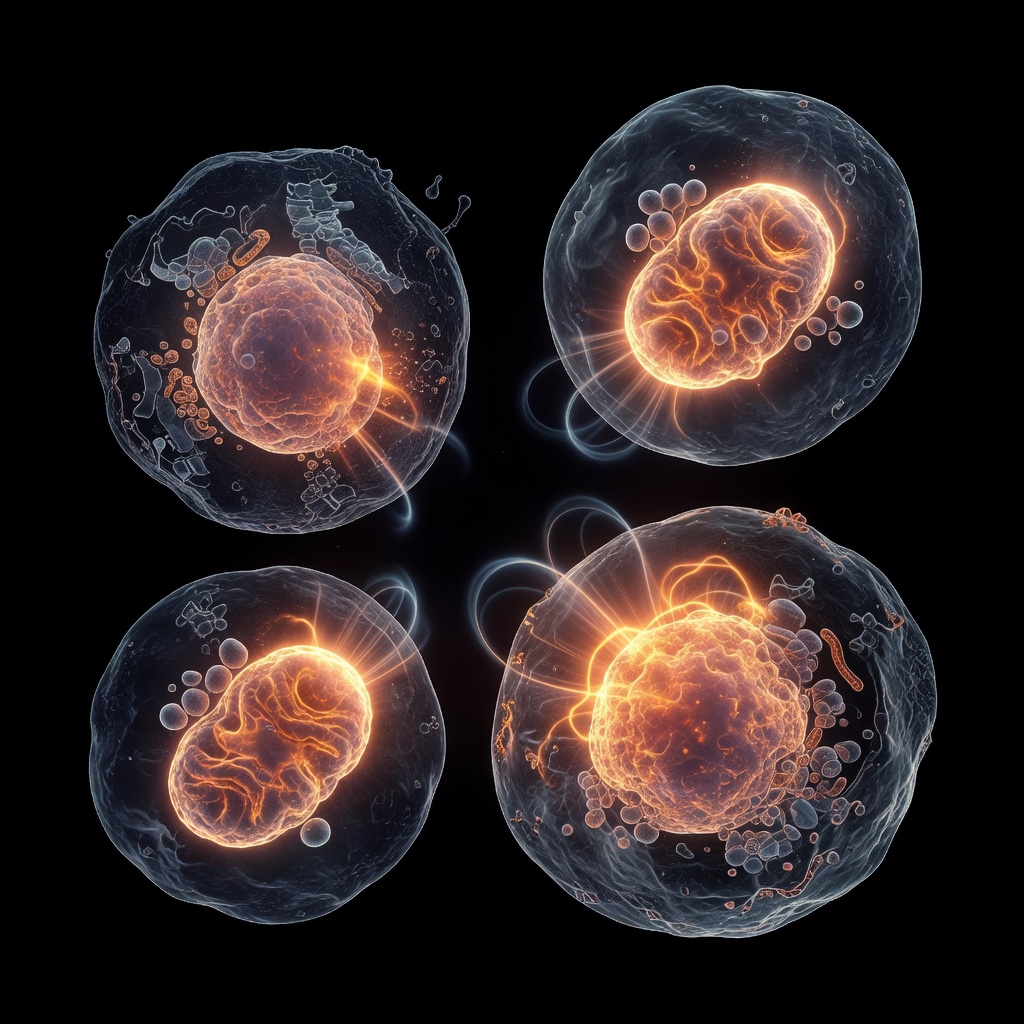
Mechanisms at the Cellular Level
At INNERSTANDING, we believe that true health literacy requires a look at the microscopic battleground. Phthalates do not just "float" in the blood; they penetrate cell membranes and interact with the very machinery of life.
Mitochondrial Dysfunction and Oxidative Stress
Phthalates and their metabolites, such as Mono-ethyl phthalate (MEP) and Mono-2-ethylhexyl phthalate (MEHP), are potent inducers of Reactive Oxygen Species (ROS). Once inside the cell, they disrupt the Electron Transport Chain within the mitochondria. This leads to a state of chronic oxidative stress, which damages mitochondrial DNA (mtDNA). Because mitochondria are the powerhouses of the cell, this damage manifests as systemic fatigue and reduced cellular repair capacity.
The Inhibition of StAR Protein
Perhaps the most critical cellular mechanism is the inhibition of the Steroidogenic Acute Regulatory (StAR) protein. StAR is the "gatekeeper" of hormone production; it transports cholesterol from the outer mitochondrial membrane to the inner membrane, where it is converted into pregnenolone (the precursor to all steroid hormones). Phthalates significantly reduce the expression of StAR.
- Without StAR, cholesterol cannot be processed.
- Without pregnenolone, the body cannot produce testosterone, oestrogen, or cortisol.
- The result is a total systemic failure of the steroidogenic pathway.
PPAR Activation and Metabolic Reprogramming
Phthalates are also known to interact with Peroxisome Proliferator-Activated Receptors (PPARs), specifically PPAR-alpha and PPAR-gamma. These are nuclear receptors that regulate lipid metabolism and glucose homeostasis.
- PPAR-gamma activation by phthalates can trigger the differentiation of pre-adipocytes into mature fat cells.
- Essentially, these chemicals act as "obesogens," instructing the body to create more fat cells and store more lipids, regardless of caloric intake. This explains the correlation between high phthalate exposure and the modern epidemic of metabolic syndrome and Type 2 Diabetes.
Epigenetic Alterations
The most frightening aspect of phthalate biology is their ability to induce epigenetic changes. They can alter DNA methylation patterns and histone modifications. These changes do not alter the genetic code itself but dictate which genes are "switched on" or "off." Crucially, these epigenetic marks can be passed down to offspring, meaning the chemical exposure of a mother today can influence the fertility and metabolic health of her grandchildren.
##
Environmental Threats and Biological Disruptors
The primary challenge in avoiding phthalates is their sheer variety and the "stealth" nature of their presence in the domestic environment. They are not chemically bonded to the plastics they inhabit; they are merely dissolved within them, meaning they constantly leach into the surrounding air, food, and water.
The Fragrance Loophole: A Regulatory Failure
The "Fragrance Loophole" is perhaps the most egregious example of corporate interests being placed above public health. In the UK, the Cosmetic Products Regulation requires ingredients to be listed, but "parfum" is granted an exemption to protect "intellectual property."
- Diethyl Phthalate (DEP) is used as a fixative to make scents last longer on the skin.
- It is found in roughly 75% of fragranced consumer products, including perfumes, colognes, shampoos, conditioners, body washes, and deodorants.
- Because DEP is highly lipophilic (fat-soluble), it is rapidly absorbed through the skin, bypassing the digestive system's first-pass metabolism and entering the bloodstream directly.
Critical Fact: The average woman applies over 120 unique chemicals to her body daily through personal care routines; for many, phthalates represent a significant portion of that chemical load.
Domestic Sources Beyond the Bathroom
While personal care is a major vector, the "phthalate cloud" extends throughout the British home:
- Soft PVC Plastics: Shower curtains, vinyl flooring, and children’s toys (though some toys are now regulated, older ones remain a threat).
- Food Packaging: Phthalates like DEHP are used in the plastic tubing used in dairy processing and the linings of food cans. These leach into fatty foods like cheese, oils, and meats.
- Dust: Because phthalates are semi-volatile, they migrate from building materials into household dust. Research shows that children, due to their proximity to the floor and frequent hand-to-mouth activity, have significantly higher relative exposure to phthalates via dust than adults.
##
The Cascade: From Exposure to Disease
The cumulative effect of these cellular disruptions is a cascade of chronic disease states that are now reaching epidemic proportions in the UK.
Male Infertility and "Spermageddon"
Global sperm counts have plummeted by over 50% in the last four decades. Phthalates are a primary suspect. By disrupting the Sertoli cells (which support sperm development) and increasing oxidative stress in the testes, phthalates lead to:
- Oligozoospermia (low sperm count)
- Asthenozoospermia (poor motility)
- Teratozoospermia (abnormal morphology)
- DNA Fragmentation: Phthalates break the strands of DNA within the sperm head, leading to higher rates of miscarriage and developmental issues in offspring.
Women’s Reproductive Health
While often discussed in the context of male health, phthalates are equally devastating to the female endocrine system.
- PCOS and Endometriosis: Phthalates disrupt the delicate balance of the Ovarian-Uterine axis. High levels are associated with increased risk of endometriosis and Polycystic Ovary Syndrome (PCOS).
- Early Puberty: There is a clear correlation between phthalate exposure and the onset of precocious puberty in young girls. This early hormonal surge is linked to a higher lifetime risk of breast and ovarian cancers.
Thyroid and Metabolic Disruption
The thyroid gland is highly sensitive to chemical interference. Phthalates antagonise Thyroid Hormone Receptors and interfere with the uptake of iodine. This leads to a "subclinical" hypothyroidism, characterised by:
- Unexplained weight gain
- Brain fog and cognitive decline
- Depression and anxiety
- Cold intolerance
As obesogens, phthalates also interfere with leptin signalling (the hormone that tells you when you are full), leading to overeating and a "broken" metabolism that resists weight loss despite exercise.
##
What the Mainstream Narrative Omits
The mainstream medical and regulatory narrative often dismisses these concerns by citing "safe limits" and "low-dose exposures." However, INNERSTANDING exposes three critical truths the mainstream ignores:
1. Non-Monotonic Dose-Response (NMDR)
Traditional toxicology assumes "the dose makes the poison"—that more of a chemical is always worse. Endocrinology does not follow this rule. EDCs often have more profound effects at extremely low doses than at higher doses. This is because high doses can overwhelm and shut down receptors (a protective mechanism), whereas low doses mimic natural hormonal levels, tricking the body into a permanent state of maladaptation.
2. The Cocktail Effect
Regulatory bodies test chemicals in isolation. Humans, however, are never exposed to just one phthalate. We are exposed to DBP, DEP, DEHP, and BBP simultaneously, alongside BPA, heavy metals, and PFAS. These chemicals act synergistically. A "safe" level of one chemical becomes highly toxic when combined with five others that target the same biological pathway.
3. Transgenerational Epigenetic Inheritance
The mainstream narrative focuses on the individual. It fails to acknowledge that we are currently living with the biological consequences of our parents' and grandparents' exposures. The "epigenetic load" is cumulative. We are not just dealing with our own shampoo choices; we are dealing with a multi-generational chemical legacy.
Alarming Statistic: Studies have shown that phthalate exposure in pregnant women can alter the brain structure of their male children, specifically reducing the size of the sexually dimorphic nucleus, potentially affecting future reproductive behaviour and identity.
##
The UK Context
In the United Kingdom, the regulation of phthalates has undergone significant shifts, especially following the departure from the European Union. While the UK originally adopted the EU REACH (Registration, Evaluation, Authorisation and Restriction of Chemicals) framework, the domestic version, UK REACH, is now managed by the Health and Safety Executive (HSE) and DEFRA.
Regulatory Gaps
While certain phthalates like DEHP, DBP, and BBP are restricted in "leave-on" cosmetics and toys, others like DEP remain widely used. There is a growing concern among UK researchers that the UK may fall behind the EU in banning new EDCs due to the administrative burden of the post-Brexit regulatory landscape.
The Environment Agency has flagged phthalates as a major pollutant in UK waterways, yet the Water Industry struggles to filter these microscopic compounds. This means that even after we wash our "fragranced" soaps down the drain, they cycle back into the ecosystem, bioaccumulating in fish and eventually returning to our dinner plates.
The NHS Burden
The economic impact on the NHS is staggering. Endocrine-related disorders—obesity, diabetes, infertility, and hormone-sensitive cancers—cost the UK billions of pounds annually. Yet, there is a distinct lack of "precautionary principle" in public health advice. Patients are treated with synthetic hormones (like Levothyroxine or Testosterone Replacement Therapy) to fix the symptoms, while the underlying chemical drivers (phthalates) are never addressed or removed from the patient's environment.
##
Protective Measures and Recovery Protocols
While the systemic presence of phthalates is daunting, biology is resilient. By implementing strategic "biological defence" protocols, one can reduce their body burden and repair the damaged signalling pathways.
1. Eliminate the "Fragrance" Vector
This is the single most effective step.
- Transition to "Phthalate-Free": Do not trust the word "natural." Look for products that explicitly state "no synthetic fragrance" or "phthalate-free."
- Scent with Essential Oils: If you desire a scent, use high-quality, steam-distilled essential oils, which do not require phthalate fixatives.
- The 30-Day Detox: Stop using all fragranced laundry detergents, fabric softeners, and personal care products for 30 days. Most users report a significant clearing of "brain fog" within two weeks.
2. Dietary Interventions
- Cruciferous Power: Vegetables like broccoli, kale, and Brussels sprouts contain Indole-3-Carbinol (I3C) and Diindolylmethane (DIM). These compounds assist the liver in the Phase II Glucuronidation pathway, which is responsible for tagging and excreting phthalate metabolites.
- Avoid "Plastic Food": Never heat food in plastic containers. The heat drastically accelerates the leaching of phthalates. Move to glass, stainless steel, or ceramic.
- Fibre Intake: Phthalate metabolites are excreted via bile into the gut. Without adequate soluble and insoluble fibre, these toxins can be reabsorbed into the bloodstream (enterohepatic circulation).
3. Sweating and Sauna Therapy
Phthalates are one of the few toxins that are effectively excreted through eccrine sweat. Regular use of an infrared sauna or intense physical exercise can significantly lower the systemic load of MEP and MEHP.
- Protocol: 20–30 minutes of sweating, followed immediately by a cold shower using a non-toxic soap to prevent the re-absorption of the excreted oils.
4. Air and Water Filtration
- HEPA Filtration: Since phthalates bind to dust, using a HEPA-certified air purifier can reduce inhalation exposure.
- Activated Carbon Water Filters: Standard tap water can contain trace phthalates from PVC piping. High-quality carbon block filters are effective at adsorbing these organic esters.
5. Supplementation for Repair
- Zinc and Selenium: These minerals are essential for the enzymes that protect the testes and thyroid from oxidative damage.
- N-Acetyl Cysteine (NAC): NAC boosts glutathione levels, the body's master antioxidant, which is depleted by chronic phthalate exposure.
- Calcium D-Glutarate: This specific form of calcium supports the glucuronidation pathway in the liver, directly aiding the removal of environmental oestrogens and phthalates.
##
Summary: Key Takeaways
The threat of phthalates is not a "conspiracy"; it is a documented biological reality that is reshaping human health in the 21st century. To protect your biological integrity, you must recognise that the current regulatory environment is insufficient.
- Phthalates are Anti-Androgenic: They specifically target and suppress the male hormonal blueprint, leading to the "gender-bending" phenomenon.
- The Fragrance Loophole is a Trojan Horse: Synthetic "parfum" is the primary source of undisclosed phthalates in the home.
- Cellular Sabotage: Phthalates destroy mitochondrial function, block the StAR protein, and act as "obesogens" via PPAR receptors.
- Regulatory Lag: UK REACH and the HSE are slow to react to the "cocktail effect," leaving the burden of protection on the individual.
- Recovery is Possible: Through radical avoidance of "fragrance," supporting liver detoxification with cruciferous vegetables, and regular sweating, you can reclaim your hormonal health.
At INNERSTANDING, we urge you to look beyond the label. Every fragranced product is a chemical message you are sending to your cells. It is time to ensure that message is one of health, not disruption. The era of ignorance is over; the era of biological sovereignty begins with the choices you make in your home today.
This article is provided for informational and educational purposes only. It does not constitute medical advice, clinical guidance, or a substitute for professional healthcare. Information reflects cited research at time of publication. Always consult a qualified healthcare professional before acting on any health information.
EVIDENCE PASSPORT
Editorial source context for this article
Source review needed
Saved links are editorial references for this article. They may support specific claims rather than every sentence. Open and assess each source in context. This passport does not independently verify them.
Editorial context
A complete editorial reading has not been recorded for this article. Source links remain available for you to open and assess directly.
Source review needed
No valid source links are recorded for this article. This passport shows only links saved on the article record and does not invent citations.
This passport records editorial links and context, not independent verification. Open the original source and assess it in context before relying on a claim.
Medical Disclaimer
The information in this article is for educational purposes only and does not constitute medical advice, diagnosis, or treatment. Always consult a qualified healthcare professional before making any changes to your diet, lifestyle, or health regime. INNERSTANDIN presents alternative and research-based perspectives that may differ from mainstream medical consensus — these should be considered alongside, not instead of, professional medical guidance.
Read Full DisclaimerContinue the thread
Keep this question moving.
Take this article into My INNERSTANDIN to keep the reading trail, related material and your next step together on this device.
Explore this in the Body Map
See where this hits your biology. Interactive anatomy, threats, and protective protocols.
Dig deeper in the Library
Free, longform PDF volumes that go beyond headlines into mechanisms and references.