
Polyphenol Diversity: Foraging vs Monoculture Agriculture
Updated May 2026
The loss of chemical complexity in the British diet is examined through the lens of ancient wild foraging. We explore how modern monocultures reduce our intake of protective secondary metabolites.
Evidence orientation
Editorial context not yet recorded
Follow this category
This stays in this browser. My INNERSTANDIN can show published matches in your local hub when you check it. It does not send email, push, or alert notifications.
Local learning review
A private browser aid for revisiting ideas. It is not an alert or a health recommendation.
Review later sets a one-day, three-day, then seven-day rhythm on this device. Choose it only when you want to revisit this article.
Overview
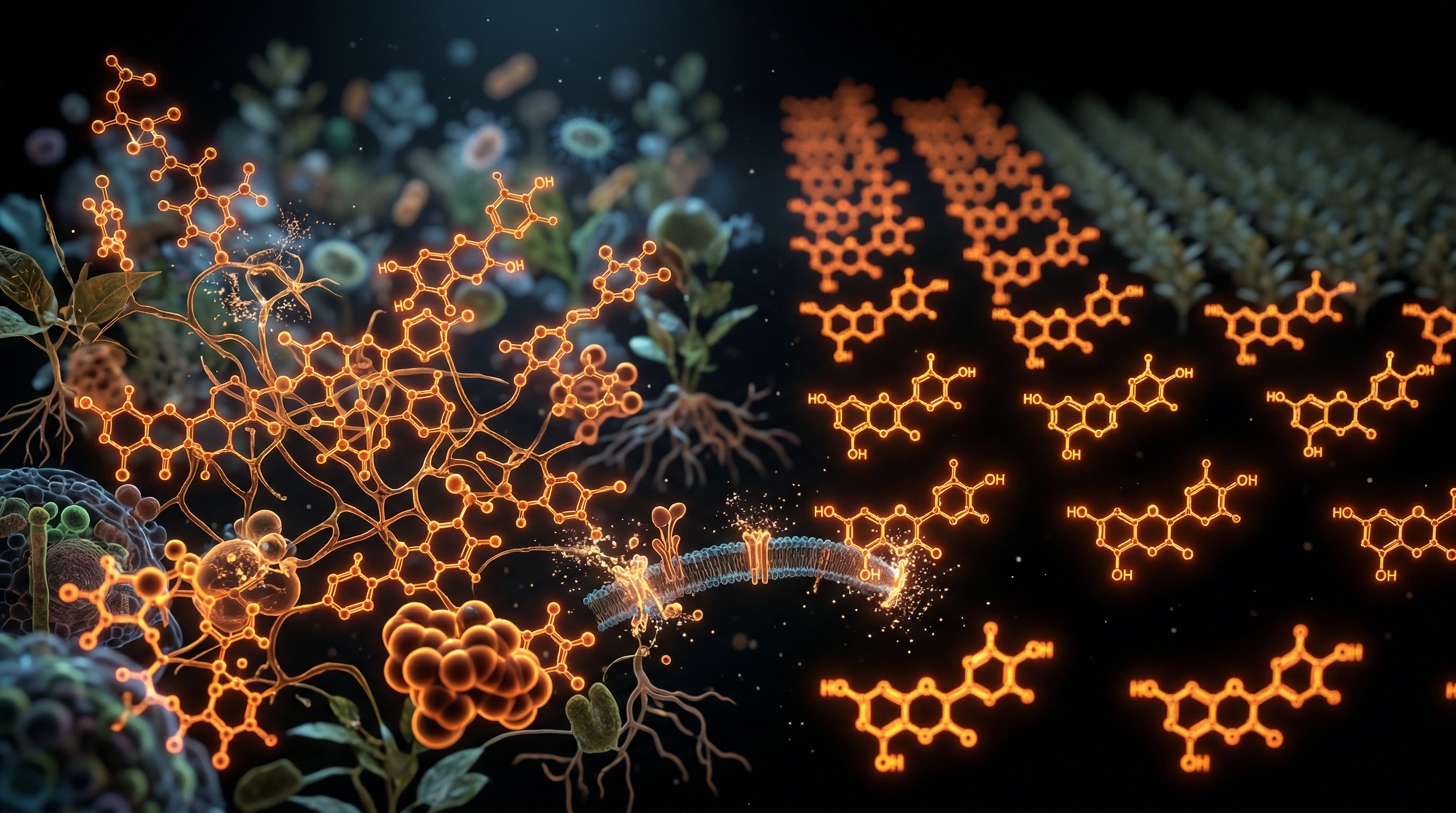
The modern human is a biological mismatch, a Palaeolithic organism trapped in a landscape of nutritional sterility. For millions of years, the human lineage evolved in intimate dialogue with the botanical world, consuming an array of thousands of secondary metabolites that were not merely "nutrients" but essential biological signals. Today, this dialogue has been silenced by the industrial machinery of monoculture agriculture.
In the British Isles, as across much of the globalised North, we have witnessed a catastrophic narrowing of the "chemical palette." Where our ancestors once foraged from a mosaic of hundreds of plant species—each teeming with defensive polyphenols, alkaloids, and terpenes—we now rely on a handful of heavily domesticated crops bred for yield, shelf-life, and sweetness. This transition from biodiversity to monoculture is not merely an agricultural shift; it is a metabolic crisis.
The polyphenol gap—the difference between the phytochemical intake of a wild-foraging hominid and a modern supermarket shopper—is arguably the primary driver of the "diseases of civilisation." This article examines the mechanisms by which we have engineered medicine out of our food, the cellular consequences of this loss, and the urgent necessity of reclaiming the wild chemical complexity that once fortified our ancestors.
The average forager consumed upwards of 200 different plant species annually; the modern Westerner derives 75% of their total caloric intake from just 12 plant and 5 animal species.
This radical simplification of our diet has led to a state of phytochemical malnutrition. We are overfed in terms of macronutrients (carbohydrates and fats) but starved of the complex molecules required to regulate our immune systems, detoxify our cells, and manage oxidative stress. To understand the depth of this crisis, we must first understand the biological purpose of these "missing" molecules.
The Biology — How It Works
To understand polyphenols, one must understand plant survival. Unlike animals, plants cannot flee from predators, extreme weather, or pathogens. They are the ultimate chemists, synthesising an arsenal of secondary metabolites to interact with their environment.
The Shikimic Acid Pathway
The majority of polyphenols are produced via the shikimic acid pathway, a metabolic route used by plants, bacteria, and fungi to synthesise aromatic amino acids. These amino acids are then transformed into a vast array of compounds:
- Flavonoids: Including anthocyanins (the reds and purples of berries) and flavonols (found in onions and kale).
- Phenolic Acids: Such as hydroxycinnamic acids found in coffee and wild grains.
- Stilbenes: Most famously resveratrol, produced in response to fungal attack.
- Lignans: Found in seeds and the fibrous stalks of wild greens.
The "Stress" Paradox: Why Wild is Better
The fundamental difference between a wild nettle growing in a British hedgerow and a hothouse-grown spinach leaf lies in the degree of environmental stress.
In monoculture agriculture, plants are "coddled." They are provided with synthetic nitrogen, phosphorus, and potassium (NPK), irrigated regularly, and protected from insects via chemical pesticides. Because the plant is under no threat, it has no reason to expend energy producing secondary metabolites. It becomes "chemically lazy."
Conversely, a wild plant must fight for its life. It must manufacture polyphenols to protect its leaves from UV radiation, to deter herbivores with bitter tastes, and to signal to soil microbes for nutrient exchange. When we consume these wild plants, we ingest the chemical evidence of their resilience. This leads to the concept of Xenohormesis: the hypothesis that animals have evolved to sense chemical cues in the plants they eat, allowing them to "pre-adapt" to environmental stress.
- Wild plants: High polyphenol density, high bitterness, low sugar, high fibre.
- Domesticated plants: Low polyphenol density, low bitterness, high sugar, low fibre.
The Dilution Effect
Industrial farming prioritises yield—the weight of the harvest. However, as yield increases, the concentration of minerals and phytochemicals decreases—a phenomenon known as the dilution effect. Modern wheat, for example, contains significantly fewer phenolic acids than ancient varieties like Einkorn or Emmer, as the plant’s energy has been diverted from defence to starch production.
Mechanisms at the Cellular Level
When we ingest polyphenols, they do not simply act as "antioxidants" in the way they are often marketed. Their true power lies in their role as biological modifiers and signalling molecules.
Nrf2 Activation and Endogenous Defence
The outdated "radical scavenger" model of antioxidants suggests that polyphenols directly neutralise free radicals. In reality, their concentration in human tissues is often too low for this to be their primary mode of action. Instead, they act via hormesis.
Polyphenols are mildly toxic to human cells. This "low-dose stress" triggers the Nrf2 pathway (Nuclear factor erythroid 2-related factor 2). Once activated, Nrf2 moves into the nucleus and switches on the Antioxidant Response Element (ARE), stimulating the production of our body's own, much more powerful antioxidants, such as glutathione, superoxide dismutase, and catalase. By eating wild, bitter plants, we are essentially "training" our cells to be more resilient.
Mitochondrial Biogenesis
Polyphenols such as quercetin and resveratrol interact with Sirtuins (SIRT1), enzymes associated with longevity and DNA repair. This interaction promotes mitochondrial biogenesis—the creation of new, healthy mitochondria. In a monoculture-based diet, the lack of these triggers leads to mitochondrial decay, a hallmark of metabolic syndrome and neurodegeneration.
The Microbiome-Polyphenol Axis
Perhaps the most critical mechanism is the interaction with the gut microbiota. Most polyphenols are poorly absorbed in the small intestine. They travel to the colon, where they serve as a selective fuel for beneficial bacteria like Akkermansia muciniphila and Bifidobacteria.
Over 90% of dietary polyphenols reach the colon intact, where they are transformed by microbes into smaller, bioavailable phenolic metabolites.
These microbes break down complex polyphenols into metabolites that can enter the bloodstream and cross the blood-brain barrier. A diet lacking in polyphenol diversity leads to a "extinction event" in the gut, where specific bacterial strains die off because their chemical fuel is no longer present.
Epigenetic Modulation
Polyphenols are potent epigenetic regulators. They can influence DNA methyltransferases (DNMTs) and histone deacetylases (HDACs), effectively "silencing" pro-inflammatory genes and "awakening" tumour-suppressor genes. The lack of these molecules in the modern diet represents the loss of a critical epigenetic "hand on the tiller" of our gene expression.
Environmental Threats and Biological Disruptors
The decline in polyphenol diversity is not an accidental byproduct of progress; it is the result of specific environmental threats and the systematic "sterilisation" of the landscape.
Glyphosate and the Shikimate Pathway
The most widely used herbicide in the world, glyphosate, operates by inhibiting the shikimate pathway in plants and bacteria. While the mainstream narrative insists glyphosate is safe for humans because we do not have a shikimate pathway, this ignores two vital facts:
- Our gut microbiome does use the shikimate pathway to produce essential aromatic amino acids and polyphenolic precursors.
- Plants treated with glyphosate (or grown in glyphosate-contaminated soil) are chemically castrated; they cannot produce the full spectrum of defensive polyphenols we require for health.
Soil Depletion and the Mycorrhizal Network
Modern agriculture treats soil as an inert medium for holding plants upright while pumping them with synthetic chemicals. In a wild ecosystem, plants are connected to a mycorrhizal fungal network. These fungi trade minerals for plant sugars and act as a communication system that triggers polyphenol production.
Tilling and the use of fungicides destroy these networks. Without the "wood wide web," plants are isolated and their secondary metabolism is stunted. We are eating "autistic" plants that have been cut off from their ecological community.
Breeding for "Palatability"
Over centuries, but accelerating in the last 50 years, we have bred the bitterness out of vegetables. Bitterness is the sensory signal of polyphenols. By selecting for sweetness and uniformity, we have inadvertently selected for lower phytochemical content. The modern "sweet" kale or "mild" Brussels sprout is a shadow of its wild, bitter ancestor.
The Cascade: From Exposure to Disease
The removal of phytochemical complexity from the diet initiates a biological cascade that terminates in chronic disease. This is not a sudden failure but a slow erosion of homeostasis.
Systemic Inflammation (Inflammaging)
In the absence of Nrf2-stimulating polyphenols, the body’s primary inflammatory switch, NF-κB, remains chronically "on." This leads to low-grade systemic inflammation, the "silent killer" underlying heart disease, type 2 diabetes, and autoimmune conditions.
Metabolic Inflexibility
Polyphenols play a key role in glucose transporters and insulin sensitivity. Anthocyanins, for instance, slow the absorption of sugars in the gut and improve the uptake of glucose into muscle cells. A monoculture diet, high in refined starches and low in these regulators, forces the pancreas to overproduce insulin, leading to insulin resistance and the eventual collapse of metabolic flexibility.
Neurodegeneration and the Gut-Brain Axis
The brain is highly susceptible to oxidative stress. Polyphenols like fisetin and luteolin have been shown to clear senescent cells (zombie cells) and reduce neuroinflammation. The modern diet’s "phytochemical void" leaves the brain unprotected against the accumulation of amyloid-beta and tau proteins, accelerating the path toward Alzheimer’s and Parkinson’s.
The "British Brain": The UK has some of the highest rates of dementia in Europe, correlating strongly with a diet that is increasingly dominated by ultra-processed, chemically simplified "food-like substances."
What the Mainstream Narrative Omits
The mainstream nutritional discourse is trapped in a reductionist "Macronutrient Fallacy." By focusing almost exclusively on calories, grams of protein, and types of fat, it ignores the informational quality of food.
The RDA Fallacy
The Recommended Daily Allowance (RDA) system is designed to prevent acute deficiency diseases like scurvy or rickets. It says nothing about the levels of phytochemicals required for optimal biological function or long-term disease prevention. There is no RDA for quercetin, apigenin, or epigallocatechin gallate (EGCG), yet these molecules are essential for maintaining the integrity of our DNA and the diversity of our microbiome.
The Myth of the "Balanced Diet"
The public is told that a "balanced diet" of supermarket fruits and vegetables is sufficient. This ignores the fact that five servings of modern, monoculture-grown produce may contain only a fraction of the polyphenols found in a single handful of wild berries or a serving of foraged greens.
The Suppression of Bitterness
Mainstream food science views bitterness as a "defect" to be engineered out. However, our bitter taste receptors (T2Rs) are not only on the tongue; they are found in the lungs, the gut, and even on immune cells. They are early-warning systems that trigger metabolic and immune responses. By removing bitter compounds, we have effectively "blinded" our internal sensory systems.
The UK Context
The British Isles present a unique and tragic case study in the loss of phytochemical diversity. Once a land of temperate rainforests, ancient hedgerows, and complex peatlands, the UK is now one of the most nature-depleted countries on Earth.
The Enclosure Acts and the Loss of the "Common"
The historical shift from common land to enclosed, private monocultures (primarily for sheep and later for industrial cereals) forcibly disconnected the British population from their ancestral foraging grounds. This was not just a socio-economic shift; it was a nutritional one. The "peasant diet" of wild pottage—containing nettles, wild garlic, fat hen, and various bitter herbs—was replaced by a diet of bread, tea, and later, sugar.
The Hedgerow: Britain’s Last Pharmacy
The British hedgerow is a remnant of the ancient wild. It contains a higher diversity of polyphenols per square metre than almost any farmland.
- *Hawthorn (Crataegus)*: Rich in oligomeric proanthocyanidins, essential for cardiovascular health.
- *Sloe (Prunus spinosa)*: Extremely high in tannins and anthocyanins, far exceeding any supermarket plum.
- *Nettle (Urtica dioica)*: A powerhouse of minerals and phenolic acids that regulate the inflammatory response.
Modern British Soil
The UK’s intensive agricultural practices have led to a "mining" of the soil. Studies show that the mineral content of British-grown vegetables has declined by up to 50% since the 1940s. While mineral decline is well-documented, the simultaneous collapse of polyphenol complexity is rarely discussed in policy circles. The "Green Revolution" in Britain was, in many ways, a "Chemical Devaluation."
Protective Measures and Recovery Protocols
We cannot all return to a full-time foraging lifestyle, but we can—and must—"rewild" our internal environment by making conscious chemical choices.
1. The 10% Foraging Rule
Aim to source at least 10% of your plant intake from wild or semi-wild sources. This does not mean you must spend all day in the woods.
- Nettles: Can be dried and used as tea or blanched like spinach.
- Dandelion Greens: A potent bitter for liver and gut health.
- Wild Blackberries/Elderberries: Far superior to cultivated blueberries in polyphenol density.
2. Prioritise "Stressed" Food
Choose produce that has had to defend itself.
- Organic and Biodynamic: These plants are not protected by synthetic pesticides and must produce their own chemical defences (polyphenols).
- Heirloom Varieties: Seek out older cultivars that haven't had the bitterness bred out of them.
- Small and Ugly: Smaller fruits and vegetables have a higher skin-to-volume ratio. Since polyphenols are concentrated in the skin (to protect against UV and insects), smaller produce is often more nutrient-dense.
3. The "Bitter" Protocol
Re-sensitise your palate. Start incorporating bitter flavours into every meal. Radicchio, arugula (rocket), endive, and high-quality dark chocolate (90%+) can help re-engage the T2R receptors and stimulate the production of digestive enzymes and Nrf2.
4. Diversify the "Chemical Palette"
The goal is not to eat a large amount of one "superfood," but a small amount of many different chemical classes.
- The Diversity Challenge: Aim for 30 different plant species per week. Include herbs and spices, which are the most concentrated sources of polyphenols in the modern kitchen.
5. Microbial Support
Protect the "converters." Avoid glyphosate-exposed foods (non-organic wheat, soy, corn) which damage the gut bacteria responsible for metabolising polyphenols into their active forms. Use fermented foods to provide the bacterial enzymes necessary for this conversion.
Summary: Key Takeaways
The transition from wild foraging to monoculture agriculture has stripped our diet of its most protective biological signals.
- Polyphenols are not optional: They are essential secondary metabolites that regulate our immune systems, protect our DNA, and fuel our microbiome.
- Monoculture = Sterility: Industrial farming prioritises yield and sweetness over chemical complexity, leading to a "dilution effect" where our food is physically large but nutritionally empty.
- Stress is Medicine: The chemicals plants produce to survive environmental challenges are the same chemicals that activate our own longevity and defence pathways (Xenohormesis).
- The UK Crisis: Britain’s history of enclosure and intensive farming has made the loss of phytochemical diversity particularly acute, contributing to the nation's rising chronic disease burden.
- Action is Possible: By reintroducing wild foods, prioritising organic heirloom varieties, and embracing bitter flavours, we can bridge the "polyphenol gap" and reclaim our biological resilience.
The loss of chemical diversity in our diet is a silent emergency. By reclaiming the bitter, the wild, and the complex, we are not just changing our diet; we are re-establishing a foundational biological conversation that has been interrupted for far too long. To eat wild is to remember who we are.
This article is provided for informational and educational purposes only. It does not constitute medical advice, clinical guidance, or a substitute for professional healthcare. Information reflects cited research at time of publication. Always consult a qualified healthcare professional before acting on any health information.
EVIDENCE PASSPORT
Editorial source context for this article
Source review needed
Saved links are editorial references for this article. They may support specific claims rather than every sentence. Open and assess each source in context. This passport does not independently verify them.
Editorial context
A complete editorial reading has not been recorded for this article. Source links remain available for you to open and assess directly.
Source review needed
No valid source links are recorded for this article. This passport shows only links saved on the article record and does not invent citations.
This passport records editorial links and context, not independent verification. Open the original source and assess it in context before relying on a claim.
Medical Disclaimer
The information in this article is for educational purposes only and does not constitute medical advice, diagnosis, or treatment. Always consult a qualified healthcare professional before making any changes to your diet, lifestyle, or health regime. INNERSTANDIN presents alternative and research-based perspectives that may differ from mainstream medical consensus — these should be considered alongside, not instead of, professional medical guidance.
Read Full DisclaimerContinue the thread
Keep this question moving.
Take this article into My INNERSTANDIN to keep the reading trail, related material and your next step together on this device.