
Post-Brexit Deregulation: Threatening the UK Plate
Updated May 2026
An analysis of the widening gap between UK and EU pesticide standards and the subsequent increase in permitted residue levels. This policy shift poses significant long-term risks to public health and environmental integrity.
Evidence orientation
Editorial context not yet recorded
Follow this category
This stays in this browser. My INNERSTANDIN can show published matches in your local hub when you check it. It does not send email, push, or alert notifications.
Local learning review
A private browser aid for revisiting ideas. It is not an alert or a health recommendation.
Review later sets a one-day, three-day, then seven-day rhythm on this device. Choose it only when you want to revisit this article.
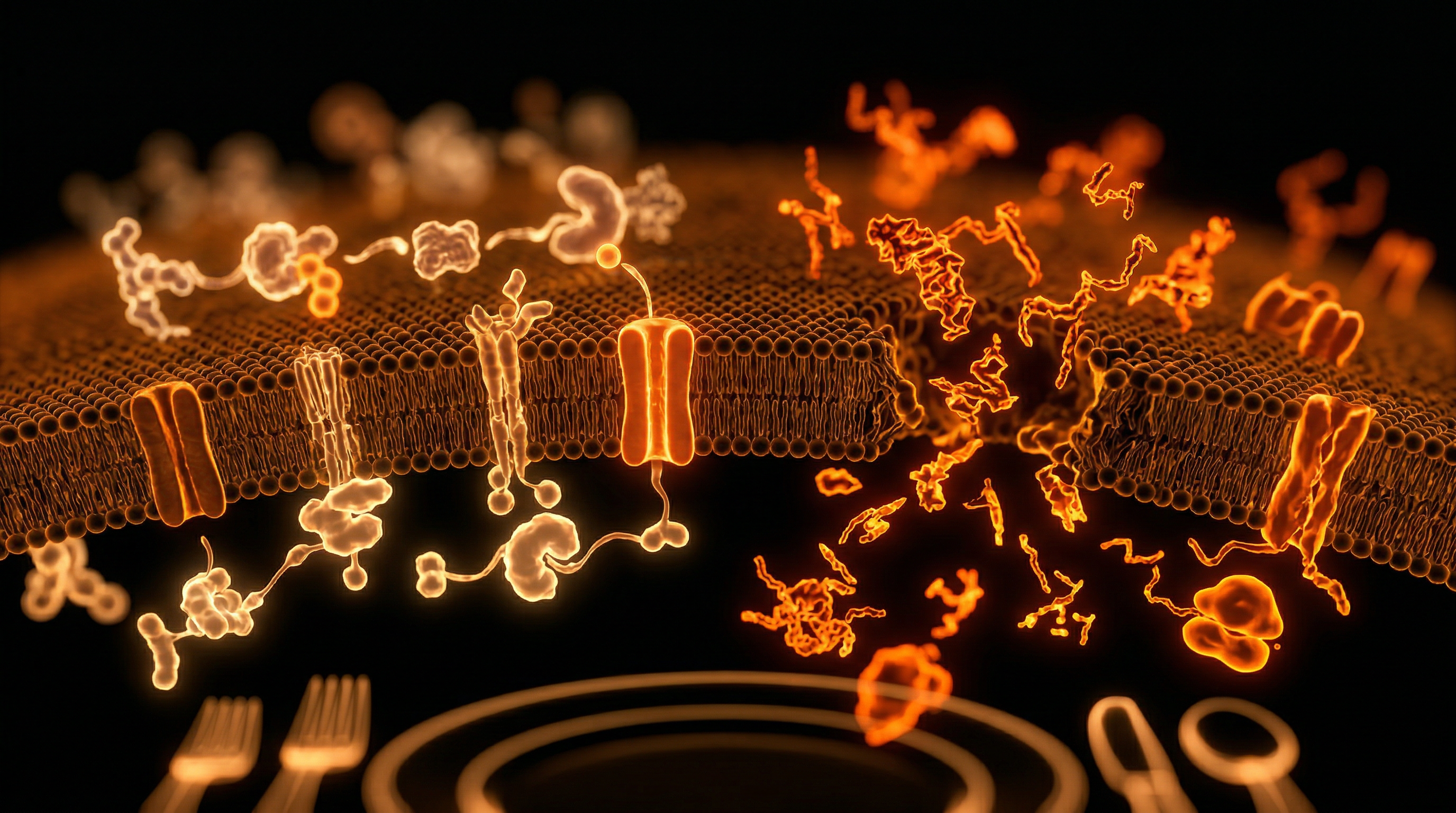
Overview
Since the United Kingdom’s formal departure from the European Union, the regulatory landscape governing food safety and environmental protection has undergone a seismic shift. While proponents of Brexit argued for "regulatory autonomy" and the "slashing of red tape," the biological reality manifesting on the British dinner plate suggests a far more precarious outcome. We are currently witnessing a systematic divergence from the Precautionary Principle—the foundational ethos of EU food safety which mandates that a substance must be proven safe before it is permitted. In its place, the UK has drifted toward a more permissive, industry-aligned framework that mirrors the "post-market" regulatory styles seen in the United States.
The implications for the British public are profound. As the UK government seeks to diverge from EU standards to facilitate new trade agreements, particularly with nations employing more intensive agricultural practices, the Maximum Residue Levels (MRLs) for pesticides are being recalibrated. In several high-profile instances, the UK has permitted the use of substances currently banned or restricted within the EU due to their known status as endocrine-disrupting chemicals (EDCs) or neurotoxins.
This article serves as a deep dive into the biological mechanisms by which these residues compromise human health, the environmental cascades triggered by their systemic use, and the specific policy mechanisms currently eroding the integrity of the UK food supply. We are no longer merely discussing "trace amounts" of chemicals; we are discussing a chronic, multi-generational exposure to complex chemical cocktails that the human genome was never evolved to process.
Fact: Since 2021, the UK has authorised the use of at least 36 pesticides that are currently banned in the European Union due to health and environmental concerns.
##
The Biology — How It Works
To understand the threat, one must first understand the toxicokinetics of modern pesticides. Pesticides are not merely "sprayed on" produce; many are systemic, meaning they are absorbed by the plant’s vascular system and integrated into the very tissue we consume. Washing an apple may remove surface residues, but it cannot touch the chemical load embedded within the pulp.
Once ingested, these xenobiotics (foreign chemical substances) enter the human body and begin a complex process of absorption, distribution, metabolism, and excretion (ADME). The primary site of metabolic processing is the liver, specifically the Cytochrome P450 (CYP450) enzyme system. These enzymes are responsible for detoxifying foreign compounds. However, many modern pesticides, such as organophosphates and carbamates, are designed to be bio-active at incredibly low concentrations.
Lipophilicity and Bioaccumulation
A critical biological factor is the lipophilic (fat-loving) nature of many pesticides. Because these molecules dissolve easily in fats, they are not readily excreted via urine. Instead, they cross cell membranes with ease and are sequestered in adipose tissue (body fat), the brain, and the central nervous system. This leads to bioaccumulation—the gradual build-up of chemicals in an organism over time.
- Storage: Pesticides stored in fat cells can remain dormant for years.
- Release: During periods of weight loss or metabolic stress, these toxins are released back into the bloodstream, causing delayed toxicological effects.
- Transgenerational Transfer: Lipophilic toxins can cross the placental barrier and are also found in high concentrations in breast milk, meaning the "regulatory divergence" of today is effectively shaping the biological health of the next generation of British citizens.
##
Mechanisms at the Cellular Level
The damage wrought by pesticide residues is not always immediate or acute; rather, it is a "death by a thousand cuts" at the cellular level. The primary mechanisms of action include oxidative stress, mitochondrial dysfunction, and epigenetic modulation.
Oxidative Stress and ROS
Most pesticides induce the overproduction of Reactive Oxygen Species (ROS). While the body has innate antioxidant systems (like glutathione), an influx of pesticide residues can overwhelm these defences. The resulting oxidative stress leads to:
- Lipid Peroxidation: The destruction of cell membranes.
- Protein Denaturation: The warping of enzymes and structural proteins.
- DNA Fragmentation: Direct damage to the genetic code, which can lead to oncogenesis (cancer formation).
Mitochondrial Interference
The mitochondria are the "powerhouses" of the cell, responsible for producing ATP. Many pesticides, particularly fungicides like SDHIs (Succinate Dehydrogenase Inhibitors), are designed to kill pests by blocking their mitochondrial respiratory chain. Research now suggests that these chemicals do not discriminate; they can inhibit the mitochondrial function of human cells as well. This leads to chronic fatigue, metabolic disorders, and has been linked to the rise in neurodegenerative conditions.
The Endocrine Mimicry
Perhaps the most insidious mechanism is Endocrine Disruption. Many pesticides are molecularly similar to human hormones, particularly oestrogen. They can bind to hormone receptors, either prematurely triggering a biological response or blocking the natural hormone from doing its job.
Statistic: Even at levels as low as parts per billion (ppb), endocrine-disrupting pesticides can alter the expression of genes responsible for reproductive health and thyroid function.
##
Environmental Threats and Biological Disruptors
The deregulation of UK pesticides does not stop at the human gut. The British ecosystem is a closed-loop system where the health of the soil directly dictates the nutritional density and chemical safety of the food it produces.
The Soil Microbiome
Healthy soil is a living matrix of fungi, bacteria, and protozoa. Systemic pesticides, particularly glyphosate, act as broad-spectrum antibiotics within the soil. Glyphosate targets the shikimate pathway, which proponents claim is safe for humans because we do not possess this pathway. However, our soil microbes and our gut microbiome do use this pathway. By decimating soil microbial life, we are:
- Reducing the plant's ability to uptake essential minerals (leading to nutrient-deficient food).
- Increasing the need for synthetic fertilisers, creating a cycle of chemical dependency.
- Eliminating the natural predators of "pests," necessitating even higher pesticide loads.
The Pollinator Collapse
The UK's decision to grant "emergency authorisations" for neonicotinoids (specifically Thiamethoxam) for sugar beet crops is a primary example of post-Brexit divergence. Neonicotinoids are potent neurotoxins that impair the navigation, foraging, and immune systems of bees.
- Trophic Cascades: When bees and other pollinators decline, the entire food web collapses. Birds that rely on insects starve, and the genetic diversity of wild flora diminishes.
- Water Contamination: These chemicals are highly water-soluble and leach from the fields into British waterways, affecting aquatic life and eventually entering the human drinking water supply.
##
The Cascade: From Exposure to Disease
Chronic exposure to "permitted" levels of pesticide residues is now being linked by independent researchers to a cascade of modern chronic illnesses. The "safe" levels set by regulators often fail to account for the long-latency period of these diseases.
Neurotoxicity and Parkinson's Disease
There is a robust and growing body of evidence linking organophosphate exposure to an increased risk of Parkinson's Disease. These chemicals inhibit acetylcholinesterase, an enzyme essential for the proper functioning of neurotransmitters. Over time, this chronic inhibition leads to the death of dopaminergic neurons in the brain.
Metabolic Syndrome and Obesity
The emergence of the term "Obesogens" refers to chemicals that disrupt the body’s metabolic signalling. Pesticide residues can interfere with the way the body processes glucose and stores fat. By disrupting the PPARγ (Peroxisome Proliferator-Activated Receptor gamma), these chemicals can literally programme cells to become fat cells, contributing to the UK’s soaring rates of Type 2 diabetes and obesity.
Developmental Neurotoxicity
Children are not "small adults"; they have higher metabolic rates and developing organ systems that are significantly more vulnerable to chemical interference. Exposure to neurotoxic pesticides during "critical windows" of development can result in:
- Lowered IQ.
- Increased incidence of ADHD and Autism Spectrum Disorders.
- Behavioural issues and impaired motor skills.
Key Fact: A child's blood-brain barrier is more permeable than an adult's, allowing pesticide residues to enter the central nervous system with far less resistance.
##
What the Mainstream Narrative Omits
The mainstream regulatory and media narrative often relies on outdated toxicological models. To truly understand the "UK Plate" threat, we must address the truths that are frequently suppressed or ignored in policy discussions.
The "Cocktail Effect" (Synergistic Toxicity)
Regulators test pesticides in isolation. They determine the "safe" level for Chemical A and Chemical B independently. However, the British consumer never eats just Chemical A. A typical non-organic meal may contain residues from ten or more different pesticides. Synergy occurs when the combined effect of these chemicals is greater than the sum of their parts. Studies have shown that some pesticide combinations can be 100 times more toxic when ingested together than when tested alone. The UK's post-Brexit regulatory framework currently has no mechanism for assessing or limiting this synergistic toxicity.
The Myth of "The Dose Makes the Poison"
Traditional toxicology is built on the Paracelsus principle: sola dosis facit venenum (the dose makes the poison). While true for acute toxins (like arsenic), it is demonstrably false for Endocrine Disruptors. EDCs often exhibit "non-monotonic dose-response curves," meaning they can be more dangerous at extremely low doses than at high doses. At low levels, they "trick" the body’s sensitive hormonal receptors; at high levels, the body may simply shut the receptors down as a protective measure. Current UK safety standards are almost entirely blind to this "low-dose" phenomenon.
Regulatory Capture
The transition from EU-level oversight to UK-specific agencies (like the HSE) has increased the proximity between regulators and agrochemical lobbyists. With fewer resources than the European Food Safety Authority (EFSA), UK agencies often rely on "pivoting" to data provided by the chemical manufacturers themselves. This creates a conflict of interest where the "science" used to justify safety is generated by the very entities profiting from the chemical's approval.
##
The UK Context
The political impetus for deregulation is tied to the UK’s desire for "Global Britain" trade status. To secure deals with the US, Australia, and the CPTPP nations, the UK is under immense pressure to lower its food standards.
The Divergence Gap
Since the end of the transition period, the gap between UK and EU standards has widened significantly. For example:
- Dimethoate: Banned in the EU for potential genotoxicity; the UK has lagged in implementing similar restrictions for certain uses.
- Chlorpyrifos: While largely banned, residues are still permitted in the UK on imported goods at levels higher than the EU's near-zero tolerance.
- Fungicides: The UK has been slower to move against certain fungicides that are known to interfere with the human reproductive system.
The Retained EU Law (REUL) Act
The Retained EU Law (Revocation and Reform) Act 2023 gave UK ministers the power to scrap or replace thousands of EU-derived regulations. This "sunset clause" approach creates a "regulatory vacuum" where protections can be quietly dropped without full parliamentary scrutiny. For the UK food plate, this means that hard-won safety standards regarding pesticide limits can be "reformed" (read: weakened) through secondary legislation (Statutory Instruments), often bypassing public debate.
The Erosion of Labelling
One of the most significant threats in the UK context is the potential erosion of transparency. There is ongoing pressure to reduce the requirements for country-of-origin labelling and the disclosure of production methods. If the consumer cannot identify which products were grown under diverted UK standards versus stricter EU standards, the "market" cannot regulate itself through consumer choice.
##
Protective Measures and Recovery Protocols
Given the systemic nature of pesticide deregulation, waiting for policy shifts may take decades. As a senior biological researcher, I advocate for a two-pronged approach: Reduction of Burden and Biological Resilience.
Strategic Sourcing
The most effective way to protect the UK plate is to opt out of the industrial chemical system where possible.
- Prioritise the "Dirty Dozen": If you cannot afford a fully organic diet, focus on buying organic for the crops that typically carry the highest pesticide loads (strawberries, spinach, apples, grapes, and peppers).
- The "Clean Fifteen": Avocados, sweetcorn, and onions generally have lower residues and are safer to buy as conventional produce.
- Support Regenerative Agriculture: Seek out UK farmers who use "Integrated Pest Management" (IPM) or regenerative practices that focus on soil health over chemical inputs.
Biological Recovery Protocols
While we cannot entirely avoid exposure, we can optimise our body’s ability to neutralise and excrete these xenobiotics.
- Upregulating Glutathione: Glutathione is the body’s "master antioxidant." Its production can be supported through the consumption of sulphur-rich foods (garlic, onions, cruciferous vegetables) and supplements like N-Acetyl Cysteine (NAC).
- Supporting the Nrf2 Pathway: The Nrf2 protein is a "master switch" for the body's internal pharmacy. Compounds like sulforaphane (found in broccoli sprouts) can activate this pathway, significantly increasing the liver's detoxification capacity.
- Microbiome Restoration: Since glyphosate and other pesticides act as antibiotics, it is crucial to replenish the gut microbiome. This involves consuming diverse fermented foods (kefir, sauerkraut, kimchi) and high-fibre prebiotic foods to feed beneficial bacteria.
- Sweating and Saunas: Because many pesticides are lipophilic and stored in fat, regular aerobic exercise and infrared sauna use can help mobilise these toxins from adipose tissue and excrete them through the skin.
##
Summary: Key Takeaways
The post-Brexit deregulation of the UK food supply represents one of the most significant public health challenges of the 21st century. The shift from a precautionary, safety-first model to a permissive, industry-aligned framework has opened the door to a host of biological risks that are currently being underestimated by the mainstream narrative.
- Regulatory Divergence: The UK is systematically permitting pesticides that are banned in the EU due to neurotoxicity, carcinogenicity, and reproductive harm.
- The Cocktail Effect: Current safety standards ignore the synergistic toxicity of multiple residues, which can be significantly more harmful than single-chemical exposure.
- Endocrine Disruption: Low-dose exposure to EDCs poses a unique threat to the human hormonal system, particularly during foetal development and childhood.
- Soil and Environment: The chemical load is destroying the UK’s soil microbiome and pollinator populations, leading to a "double hit" of chemical toxicity and reduced nutritional density in food.
- Proactive Health: In the absence of robust government protection, UK citizens must take responsibility for their biological integrity through informed sourcing, supporting regenerative systems, and optimising their internal detoxification pathways.
The integrity of the "UK Plate" is not merely a matter of trade policy; it is a matter of biological sovereignty. As the gap between UK and EU standards continues to widen, the necessity for public awareness and scientific scrutiny has never been more urgent. We must demand a return to the Precautionary Principle before the chemical load on the British population reaches a tipping point of no return.
This article is provided for informational and educational purposes only. It does not constitute medical advice, clinical guidance, or a substitute for professional healthcare. Information reflects cited research at time of publication. Always consult a qualified healthcare professional before acting on any health information.
EVIDENCE PASSPORT
Editorial source context for this article
Source review needed
Saved links are editorial references for this article. They may support specific claims rather than every sentence. Open and assess each source in context. This passport does not independently verify them.
Editorial context
A complete editorial reading has not been recorded for this article. Source links remain available for you to open and assess directly.
Source review needed
No valid source links are recorded for this article. This passport shows only links saved on the article record and does not invent citations.
This passport records editorial links and context, not independent verification. Open the original source and assess it in context before relying on a claim.
Medical Disclaimer
The information in this article is for educational purposes only and does not constitute medical advice, diagnosis, or treatment. Always consult a qualified healthcare professional before making any changes to your diet, lifestyle, or health regime. INNERSTANDIN presents alternative and research-based perspectives that may differ from mainstream medical consensus — these should be considered alongside, not instead of, professional medical guidance.
Read Full DisclaimerContinue the thread
Keep this question moving.
Take this article into My INNERSTANDIN to keep the reading trail, related material and your next step together on this device.
Dig deeper in the Library
Free, longform PDF volumes that go beyond headlines into mechanisms and references.