
Post-Retirement Synaptic Decay: Strengthening Cognitive Reserve in the UK's Ageing Population
Updated April 2026
Evidence orientation
Editorial context not yet recorded
Follow this category
This stays in this browser. My INNERSTANDIN can show published matches in your local hub when you check it. It does not send email, push, or alert notifications.
Local learning review
A private browser aid for revisiting ideas. It is not an alert or a health recommendation.
Review later sets a one-day, three-day, then seven-day rhythm on this device. Choose it only when you want to revisit this article.
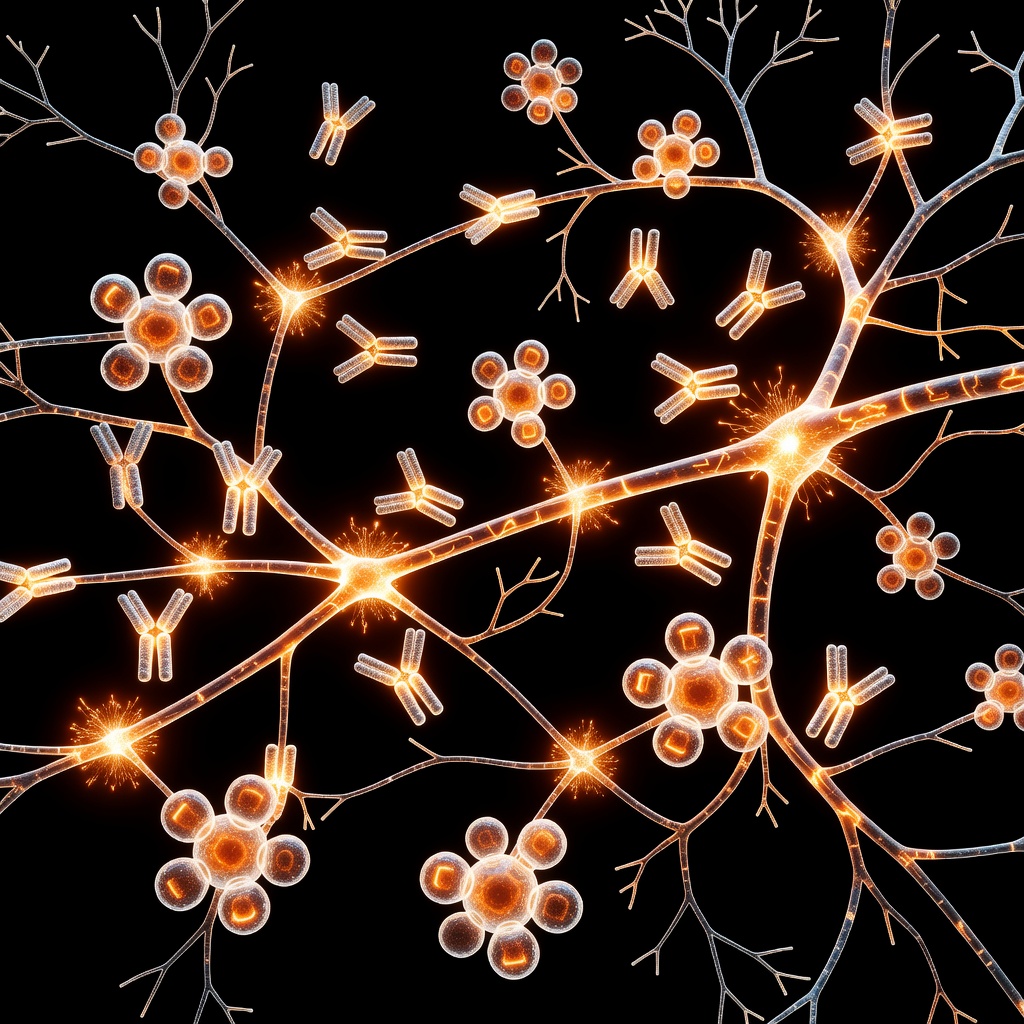
For decades, the cultural narrative surrounding retirement in the United Kingdom has been one of hard-earned rest—a "golden era" of leisure, gardening, and the cessation of professional responsibility. However, beneath this veneer of tranquility lies a biological hazard that the modern medical establishment is only beginning to publicly acknowledge: Post-Retirement Synaptic Decay.
When the cognitive demands of a professional environment are abruptly removed, the brain undergoes a process of structural and functional reorganisation. Without the "cognitive scaffolding" provided by daily problem-solving, social negotiation, and executive task management, the ageing brain can enter a state of accelerated synaptic pruning. This article exposes the physiological reality of the retirement transition and explores how we can leverage neuroplasticity to build a Cognitive Reserve that withstands the passage of time.
The Biological Mechanisms: How the Brain "Unwires"
To understand synaptic decay, one must first understand the fundamental principle of the nervous system: neuroplasticity. The brain is not a static organ; it is a dynamic, shifting landscape that constantly rewires itself based on external stimuli. This process is governed by the mantra "use it or lose it."
Synaptic Density and Long-Term Potentiation (LTP)
Neural communication occurs at the synapse, the microscopic gap between neurons. When we engage in complex tasks, we strengthen these connections through a process called Long-Term Potentiation (LTP). This increases synaptic density, making the brain more efficient and resilient.
Conversely, when cognitive input diminishes—as is often the case in the "retirement void"—the brain initiates Long-Term Depression (LTD). This is not a reference to psychological mood, but rather a reduction in the efficacy of neuronal synapses. Over time, these underused pathways are deemed redundant by the brain and are "pruned" away.
The Role of BDNF: The Brain’s Fertiliser
A critical component in this equation is Brain-Derived Neurotrophic Factor (BDNF). This protein acts as a biological fertiliser, supporting the survival of existing neurons and encouraging the growth of new ones (neurogenesis).
"Evidence suggests that a sedentary, cognitively stagnant lifestyle leads to a precipitous drop in BDNF levels, effectively stripping the brain of its ability to repair itself and adapt to the challenges of ageing."
White Matter Integrity and Myelin
Ageing often involves the degradation of myelin, the fatty insulating layer around axons that ensures rapid signal transmission. In a stimulated brain, myelin repair mechanisms remain active. However, post-retirement inactivity can lead to leukoaraiosis (white matter changes), resulting in slower processing speeds and the "tip-of-the-tongue" forgetfulness that many dismiss as "normal ageing."
The UK Context: A Growing Public Health Crisis
The United Kingdom is currently navigating a demographic shift. According to the Office for National Statistics (ONS), the number of people aged 65 years and over is projected to grow by nearly 30% by 2038. This "ageing bulge" presents an unprecedented challenge to the National Health Service (NHS), particularly regarding neurodegenerative conditions.
The Retirement "Cliff Edge"
In British culture, retirement is often synonymous with a sudden withdrawal from the workforce. Unlike some cultures where elders maintain high-status communal roles, many UK retirees experience a sharp decline in social complexity. This "cliff edge" is a primary driver of cognitive attrition.
The NHS Burden
Dementia and cognitive decline cost the UK economy an estimated £25 billion annually. However, the truth that is often sidelined in public health brochures is that a significant percentage of this decline is not inevitable. It is a byproduct of environmental mismatch—our modern lifestyle is simply not designed to keep the ageing brain healthy.
Environmental Factors: The "Silent Killers" of Cognition
While genetics play a role in brain health, epigenetics and environmental factors are the primary architects of our neural fate. Several factors specific to the modern British lifestyle accelerate synaptic decay.
The Television Trap and Passive Consumption
A major environmental hazard for the UK retiree is the transition from active cognitive engagement (problem-solving at work) to passive consumption (television and social media). Research indicates that high levels of passive sedentary behaviour are directly correlated with reduced cortical thickness in the temporal lobes—areas critical for memory.
Social Isolation: The "Loneliness Epidemic"
The UK’s "stiff upper lip" culture can sometimes exacerbate the loneliness epidemic. Social interaction is one of the most cognitively demanding tasks the human brain can perform. It requires real-time decoding of verbal cues, body language, and emotional nuances. When a retiree loses their "work family" and fails to replace it with a robust social network, the prefrontal cortex—the seat of executive function—begins to atrophy.
The Glymphatic System and Sleep
The glymphatic system is the brain's waste-clearance mechanism, which flushes out neurotoxic waste products like beta-amyloid (linked to Alzheimer’s) during deep sleep. Many retirees suffer from disrupted circadian rhythms, often due to a lack of physical exertion or daylight exposure, leading to a "clogged" brain that cannot effectively renew its synapses.
Protective Strategies: Strengthening Cognitive Reserve
Cognitive Reserve is the brain's ability to improvise and find alternate ways of getting a job done. Think of it as a "savings account" of neural connections. People with high cognitive reserve can experience significant physical brain pathology (such as plaques and tangles) without showing symptoms of dementia.
1. Novelty and "Desirable Difficulty"
To trigger neuroplasticity, the brain requires novelty. Doing the same crossword puzzle every morning is not enough; the brain becomes efficient at it, and the cognitive demand drops.
- Action: Retirees must seek out "desirable difficulty"—tasks that are frustratingly hard but achievable. This includes learning a new language, mastering a musical instrument, or taking up complex hobbies like woodworking or coding.
2. High-Intensity Socialisation
We must redefine "socialising." It is not just about "having a chat"; it is about active engagement.
- Action: Joining debate clubs, volunteering in mentorship roles, or participating in "Men’s Sheds" and "Women’s Institute" groups that require project management and collaborative problem-solving.
3. Nutritional Neuroscience
The brain is the most metabolically expensive organ in the body. Strengthening synapses requires specific building blocks.
- Key Nutrients: Omega-3 fatty acids (DHA/EPA) for membrane fluidity; Polyphenols (found in berries and dark chocolate) for blood flow; and Choline (found in eggs) for the production of acetylcholine, the neurotransmitter of memory.
- The Glucose Danger: Chronic high blood sugar (Type 2 Diabetes, common in the UK) causes neuroinflammation. Controlling insulin sensitivity is a primary defence against synaptic decay.
4. Resistance Training and BDNF
While walking is beneficial, resistance training (weightlifting) has been shown to have a more profound impact on brain health in older adults.
- Action: Lifting weights triggers the release of Irisin, a hormone that crosses the blood-brain barrier and stimulates BDNF production, directly counteracting synaptic pruning.
"The most effective way to 'rewire' an ageing brain is through the combination of physical movement and simultaneous cognitive challenge—a concept known as 'Dual-Tasking'."
Key Takeaways: Reclaiming the Golden Years
The narrative of "retirement as decline" is a choice, not a biological certainty. By understanding the mechanics of Post-Retirement Synaptic Decay, we can take proactive steps to safeguard our mental autonomy.
- Synaptic decay is not inevitable: It is largely a response to a lack of environmental demand.
- Cognitive Reserve is built through struggle: Novelty and complexity are the only ways to force the brain to forge new pathways.
- Social connection is biological fuel: Isolation is as neurotoxic as a poor diet.
- Physicality is non-negotiable: Muscle mass is a predictor of cognitive longevity.
The UK’s ageing population must move beyond the "pension and a garden chair" model of retirement. To remain INNERSTANDING and cognitively sovereign, we must treat the brain with the same rigour we apply to our financial investments. The "Golden Age" should not be the end of growth, but the beginning of a more sophisticated, intentional era of neurobiological expansion.
The synapses we save today will be the foundations of the wisdom we share tomorrow. Don't let the pruning shears of inactivity dictate your future; pick up a new skill, lift a heavy weight, and keep your neural networks firing with the intensity they deserve.
This article is provided for informational and educational purposes only. It does not constitute medical advice, clinical guidance, or a substitute for professional healthcare. Information reflects cited research at time of publication. Always consult a qualified healthcare professional before acting on any health information.
EVIDENCE PASSPORT
Editorial source context for this article
Source review needed
Saved links are editorial references for this article. They may support specific claims rather than every sentence. Open and assess each source in context. This passport does not independently verify them.
Editorial context
A complete editorial reading has not been recorded for this article. Source links remain available for you to open and assess directly.
Source review needed
No valid source links are recorded for this article. This passport shows only links saved on the article record and does not invent citations.
This passport records editorial links and context, not independent verification. Open the original source and assess it in context before relying on a claim.
Medical Disclaimer
The information in this article is for educational purposes only and does not constitute medical advice, diagnosis, or treatment. Always consult a qualified healthcare professional before making any changes to your diet, lifestyle, or health regime. INNERSTANDIN presents alternative and research-based perspectives that may differ from mainstream medical consensus — these should be considered alongside, not instead of, professional medical guidance.
Read Full DisclaimerContinue the thread
Keep this question moving.
Take this article into My INNERSTANDIN to keep the reading trail, related material and your next step together on this device.
Explore this in the Body Map
See where this hits your biology. Interactive anatomy, threats, and protective protocols.
Dig deeper in the Library
Free, longform PDF volumes that go beyond headlines into mechanisms and references.