
Prebiotic Priming: Maximizing Fermented Food Colonization
Updated May 2026
Eating probiotics without prebiotics is like planting seeds in dry sand. This article explains how British-grown chicory and leeks provide the substrate for fermented cultures to thrive.
Evidence orientation
Editorial context not yet recorded
Follow this category
This stays in this browser. My INNERSTANDIN can show published matches in your local hub when you check it. It does not send email, push, or alert notifications.
Local learning review
A private browser aid for revisiting ideas. It is not an alert or a health recommendation.
Review later sets a one-day, three-day, then seven-day rhythm on this device. Choose it only when you want to revisit this article.
Overview
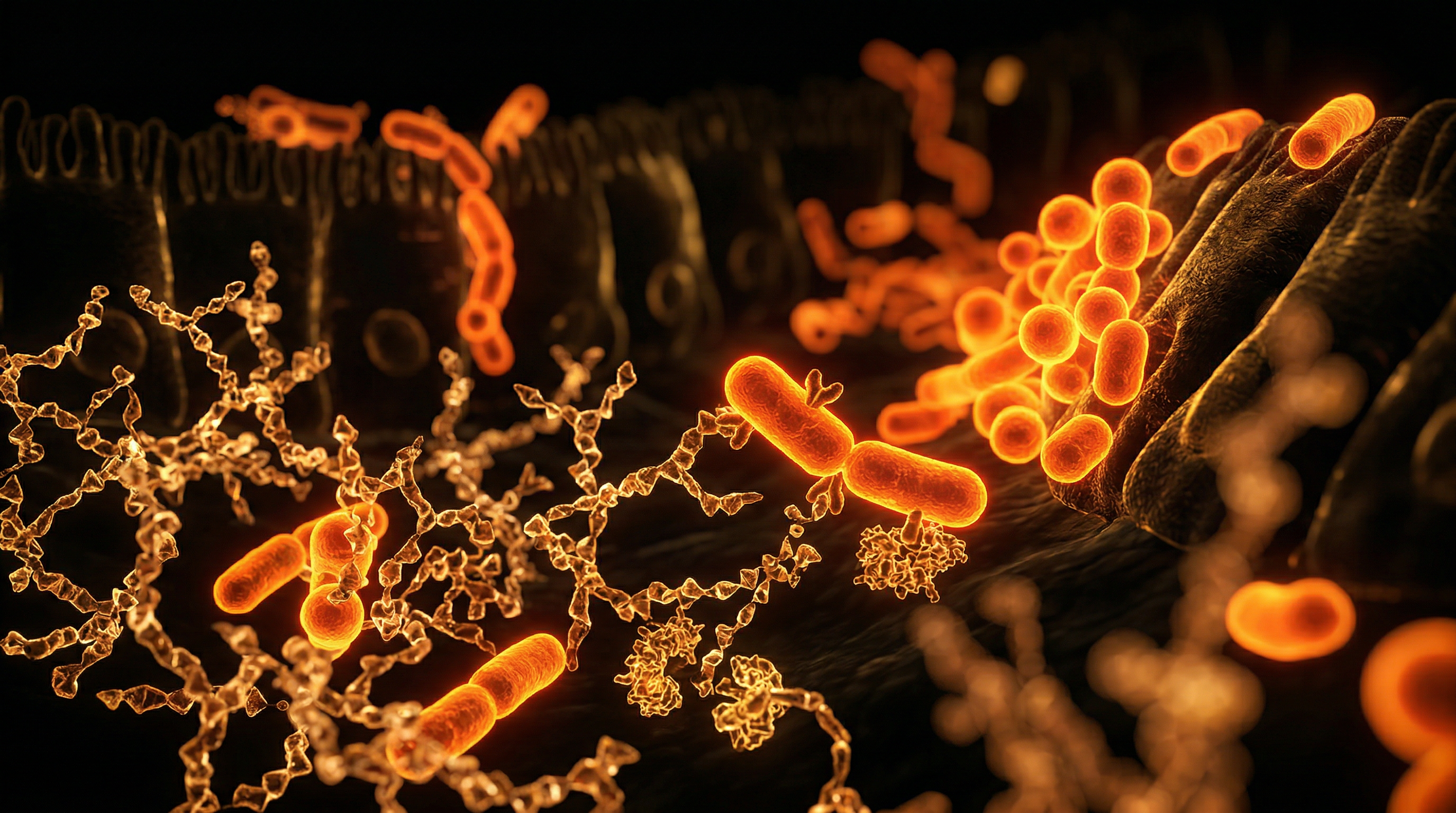
The modern obsession with gut health has birthed a multi-billion-pound industry centred almost exclusively on the exogenous delivery of bacteria—the "probiotic." From boutique kefir brands to high-potency freeze-dried capsules, the consumer is told that the secret to vitality lies in the sheer volume of Colony Forming Units (CFUs) they can ingest. However, as a senior biological researcher at INNERSTANDING, I must posit a stark reality that the mainstream nutraceutical industry avoids: consuming probiotics without first establishing a receptive biological environment is functionally equivalent to scattering high-quality seeds across a parched, sun-scorched desert.
The "seeds" (probiotics) are delicate. They are transient. Without the "soil" (the prebiotic substrate), these expensive cultures pass through the gastrointestinal tract as "tourists," failing to take up residence, failing to replicate, and ultimately failing to exert any lasting therapeutic influence on the host’s microbiome.
Prebiotic Priming is the strategic physiological preparation of the gut environment. It is the practice of ingesting specific, non-digestible fibres—most notably those found in heritage British-grown crops like chicory and leeks—at least 24 to 48 hours before the introduction of fermented foods. This priming phase shifts the intestinal pH, stimulates the production of mucosal protective layers, and ensures that when the fermented cultures arrive, they find a nutrient-rich "substrate" that allows for immediate colonisation and horizontal gene transfer.
In this comprehensive investigation, we will dismantle the fallacy of "instant gut health" and explore the biochemical necessity of priming. We will examine why British-grown prebiotic sources are superior for the local population and how environmental toxins have rendered our internal ecosystems "hostile ground" for beneficial microbes.
The Biology — How It Works
To understand Prebiotic Priming, we must first define the Microbiota-Accessible Carbohydrate (MAC). Unlike simple sugars or starches, which are rapidly absorbed in the small intestine, MACs are resistant to human digestive enzymes. They arrive in the distal colon intact, serving as the primary energy source for our symbiotic residents.
The Role of Inulin and FOS
The most potent priming agents are Inulin-Type Fructans (ITF) and Fructooligosaccharides (FOS). These are not merely "fibre" in the sense of roughage; they are sophisticated chemical signals. When you consume a British leek or a portion of chicory root, you are delivering a complex carbohydrate chain that only specific "pioneer" species—such as Bifidobacterium—can dismantle.
The Colonisation Mechanism
When we talk about "maximising colonisation," we are referring to the ability of a probiotic strain (from sauerkraut, kimchi, or kefir) to adhere to the intestinal epithelial cells.
- The Adhesive Bridge: Priming with inulin increases the expression of "adhesion proteins" on the surface of the gut lining.
- The Nutrient Bed: By the time the Lactobacillus from your fermented cabbage arrives, the chicory-derived inulin has already begun to break down into shorter-chain sugars that these new arrivals can immediately ferment.
- Competitive Exclusion: By feeding the "good" bacteria already present, you create a crowded environment where pathogenic species (E. coli, Clostridium difficile) are physically and chemically crowded out.
Callout Fact: Research indicates that the survival rate of probiotics during gastric transit increases by up to 40% when the host has been "primed" with prebiotic fibres for two days prior, as the prebiotics stimulate a protective "biofilm" that shields incoming bacteria from stomach acid.
Why Chicory and Leeks?
While global supplements often use synthetic inulin derived from agave or corn, the British *Chicory (Cichorium intybus) and Leek (Allium porrum)* possess unique molecular weights in their fructan chains. These native British plants have evolved to survive the damp, temperate climates of the UK, developing specific secondary metabolites (polyphenols) that act as natural preservatives for the prebiotic fibres themselves. This ensures that the fibre remains stable until it reaches the deep colon, where it is needed most.
Mechanisms at the Cellular Level
At the microscopic scale, Prebiotic Priming is a masterclass in metabolic engineering. It is not just about "feeding" bugs; it is about modulating the host’s cellular response to those bugs.
The Short-Chain Fatty Acid (SCFA) Factory
The primary goal of priming is the production of Short-Chain Fatty Acids, specifically Butyrate, Acetate, and Propionate.
- Butyrate: This is the primary energy source for colonocytes (the cells lining your colon). When you prime with leeks, your colonocytes become "energised," tightening the junctions between cells and preventing "Leaky Gut."
- Acetate: This molecule travels to the liver and the brain, regulating lipid metabolism and appetite.
- Propionate: Involved in gluconeogenesis and the reduction of systemic inflammation.
Cross-Feeding: The Microbial Relay
In the gut, no species works alone. This is known as Syntrophy or "cross-feeding." For example, Bifidobacteria (primed by chicory) break down long-chain inulin into acetate and lactate. These metabolites are then picked up by Faecalibacterium prausnitzii, which converts them into butyrate. If you skip the priming phase and jump straight to fermented foods, you are introducing "end-stage" fermenters without the "primary degraders." This leads to metabolic bottlenecks, often manifesting as bloating and gas, as the ecosystem struggles to process the sudden influx of new species without the necessary infrastructure.
Quorum Sensing and Chemical Signalling
Bacteria communicate via a process called Quorum Sensing. They release signalling molecules (autoinducers) to sense the density of their population. Prebiotic priming artificially inflates the "chatter" of beneficial bacteria. By the time you ingest your fermented kefir, the existing microbial population is already signalling that "the environment is safe and nutrient-dense," which triggers the gene expression in the new probiotics required for long-term residence rather than transient passage.
Environmental Threats and Biological Disruptors
The reason we must prime in the 21st century—whereas our ancestors likely did not—is that our internal environment is under constant siege. The "dry sand" of our internal landscape is not a natural state; it is a result of Anthropogenic Biological Interference.
The Glyphosate Factor
The most significant "suppressed truth" in modern dietetics is the impact of Glyphosate (the active ingredient in many herbicides) on the gut. While the chemical industry claims glyphosate is safe because humans lack the Shikimate Pathway, they omit a critical fact: our gut bacteria do have this pathway. Glyphosate acts as a broad-spectrum antibiotic in the soil and in our guts. It selectively kills off Bifidobacteria and Lactobacillus while leaving pathogens like Salmonella and Clostridia largely untouched. This creates a "biotic void." If you eat fermented foods without priming, the residual glyphosate in your system (from non-organic grains and produce) will likely kill the probiotics before they can even reach the colon.
Emulsifiers and "The Detergent Effect"
Mainstream "health foods," including some commercial yoghurts, contain emulsifiers like Polysorbate 80 and Carboxymethylcellulose. These chemicals act like detergents, stripping away the protective mucosal layer of the gut. Without this mucus, probiotics cannot stick to the intestinal wall. They simply slide through the system. Prebiotic priming with British leeks helps rebuild this mucosal barrier through the stimulation of goblet cells.
Chlorine and Fluoride in UK Tap Water
In the UK, the water supply is treated with chlorine to kill bacteria. This is effective for public safety but disastrous for the microbiome. If you wash your vegetables in chlorinated water or drink it alongside your fermented foods, you are effectively sterilising your "seeds" at the moment of planting.
The Cascade: From Exposure to Disease
What happens when priming is ignored and the microbiome remains "uncultivated"? We witness a predictable and devastating physiological cascade.
Stage 1: Dysbiosis and Endotoxaemia
Without the protective buffering of prebiotic-fed bacteria, the gut wall becomes permeable. This allows Lipopolysaccharides (LPS)—toxins found on the cell walls of "bad" bacteria—to leak into the bloodstream. This is known as Metabolic Endotoxaemia.
Stage 2: Systemic Inflammation
The immune system identifies these LPS molecules as a foreign invasion, triggering a systemic inflammatory response. This is not the "hot and swollen" inflammation of a stubbed toe, but a "cold," chronic, low-grade fire that burns through every organ system.
Stage 3: The Neurological Link (The Gut-Brain Axis)
The "primed" gut produces 95% of the body's serotonin and 50% of its dopamine. When we fail to colonise our gut with fermented cultures effectively, we see a direct correlation with the rise in anxiety, depression, and neurodegenerative diseases in the UK. The "British fog"—that pervasive sense of lethargy and low mood—is often nothing more than the result of an unprimed, uncolonised gut.
Important Callout: Chronic lack of prebiotic substrate is now being linked in emerging literature to "Type 3 Diabetes"—the insulin resistance of the brain (Alzheimer’s), driven by the failure of the gut-brain biochemical relay.
What the Mainstream Narrative Omits
The mainstream medical and nutritional narrative is structured around "Magic Bullets." It prefers the simplicity of a pill over the complexity of an ecosystem. Here is what they are not telling you:
The "CFU Fallacy"
A supplement claiming "50 Billion CFU" sounds impressive. However, the majority of these are often a single strain (usually Lactobacillus acidophilus) that has been mass-produced in a laboratory. The human gut requires diversity, not just volume. Prebiotic priming with whole plants like chicory provides a broad spectrum of fructans that support hundreds of different species, many of which cannot even be grown in a lab or put in a capsule.
The Role of Polyphenols
Mainstream science often separates "fibre" from "antioxidants." In nature, they are inseparable. British leeks and chicory are rich in Polyphenols. These compounds act as "selective growth regulators." They inhibit the growth of "bad" bacteria while acting as a growth factor for "good" ones. Probiotic capsules contain zero polyphenols, which is why they frequently fail to "take" in the gut environment.
The Circadian Rhythm of the Gut
Your gut bacteria have a clock. They are most active and receptive to colonisation during the early daylight hours. The mainstream suggestion to "take your probiotic before bed" is often counter-productive. Priming should occur during the day when the gut's "metabolic window" is open and ready to process complex carbohydrates.
The UK Context
In the United Kingdom, our relationship with prebiotic-rich foods has undergone a tragic decline. Historically, the British diet was rich in "alliums" (onions, leeks, garlic) and bitter herbs (chicory, dandelion).
The Decline of the British Leek
The British leek was once a staple of the Welsh and English diet—a "peasant food" that provided the foundational gut health for generations. Today, the average Briton consumes less than one-tenth of the prebiotic fibre their Victorian ancestors did. We have replaced the slow-fermenting, complex sugars of the leek with the rapid-spiking simple starches of imported white potatoes and ultra-processed breads.
Soil Depletion in Middle England
The nutrient density of British soil has plummeted since the "Green Revolution" of the 1960s. Even if you are eating leeks, they may contain 30% less inulin than they did 50 years ago due to intensive farming practices that kill the soil's own microbiome (mycorrhizal fungi). This makes Prebiotic Priming even more critical; we must consume higher volumes and more specific varieties (like heritage "Musselburgh" leeks) to achieve the same biological effect.
The "Stiff Upper Lip" vs. "The Sour Gut"
There is a cultural dimension to this. The UK has one of the highest rates of Irritable Bowel Syndrome (IBS) in Europe. We have been conditioned to "grin and bear" digestive discomfort, treating it with over-the-counter antacids that further destroy the gut’s acidity—the very acidity required for fermented foods to thrive. We must shift the British paradigm from "suppressing symptoms" to "cultivating the terrain."
Protective Measures and Recovery Protocols
To move from "dry sand" to a "fertile garden," one must follow a structured Priming Protocol. This is the INNERSTANDING method for maximising the ROI (Return on Ingestion) of your fermented foods.
The 48-Hour Priming Phase
Before introducing high-potency ferments (like unpasteurised sauerkraut or goats' milk kefir), you must dedicate 48 hours to "loading" the substrate.
- Morning Priming: 50g of steamed British leeks. Steaming is crucial; it softens the cellulose while preserving the inulin.
- Midday Priming: A "Chicory Coffee" or raw chicory leaves in a salad. Chicory contains the highest concentration of inulin by dry weight of any plant in the British Isles.
- Hydration: Use only filtered, non-chlorinated water. Adding a pinch of Celtic sea salt provides the trace minerals (magnesium, potassium) that the bacteria use as co-factors for fermentation.
The "Synbiotic" Synergy Strategy
Once primed, you should ingest your fermented foods with additional prebiotic fibre.
- The Protocol: Mix your sauerkraut with raw leek slivers. Drink your kefir alongside a dandelion root tea. This ensures that as the new bacteria arrive, they have a "lunch box" of food to sustain them during the initial hours of colonisation.
Avoid the "Killers"
During the priming and colonisation phase, you must strictly avoid:
- Artificial Sweeteners (Sucralose, Aspartame): These are "microbiome nukes." They can alter the gut composition in as little as 24 hours.
- Alcohol: Specifically high-tannin commercial wines and heavy spirits, which act as disinfectants in the upper GI tract.
- Non-Organic Grains: To minimize glyphosate exposure.
The Recovery Broth Recipe
For those with severely compromised gut health (post-antibiotics), we recommend a "Priming Broth":
- 4 Large British Leeks (white and light green parts).
- 2 Chicory roots (or 100g of Belgian Endive).
- 1 bulb of Garlic (crushed to activate allicin).
- Filtered water and sea salt.
Simmer for 2 hours. Strain and drink the liquid. This provides a concentrated "prebiotic serum" that bypasses heavy digestion and goes straight to the colon.
Summary: Key Takeaways
The path to true biological resilience is not found in a supplement bottle, but in the understanding of Ecological Synergy.
- Priming is Mandatory: Eating probiotics without prebiotics is a waste of resources. The "seeds" require "soil."
- Focus on the Allium/Chicory Axis: British-grown leeks and chicory are the gold standard for prebiotic substrate in the UK.
- SCFAs are the Goal: The primary benefit of priming is the production of Butyrate, which repairs the gut wall and lowers systemic inflammation.
- Beware the Environmental Nukes: Glyphosate, chlorine, and emulsifiers are the primary reasons our gut environments have become "dry sand."
- The 48-Hour Rule: Give your gut two days of prebiotic loading before introducing expensive fermented cultures.
- Diversity Over Volume: Stop chasing "Billions of CFUs" and start chasing "Dozens of Fibre Types."
By adopting the Prebiotic Priming method, we cease to be mere consumers of health products and become active stewards of our internal ecosystems. The health of the British nation depends on the health of the British gut—and that health begins with the humble leek and the bitter chicory root. It is time to stop planting seeds in the sand and start building the soil.
This article is provided for informational and educational purposes only. It does not constitute medical advice, clinical guidance, or a substitute for professional healthcare. Information reflects cited research at time of publication. Always consult a qualified healthcare professional before acting on any health information.
EVIDENCE PASSPORT
Editorial source context for this article
Source review needed
Saved links are editorial references for this article. They may support specific claims rather than every sentence. Open and assess each source in context. This passport does not independently verify them.
Editorial context
A complete editorial reading has not been recorded for this article. Source links remain available for you to open and assess directly.
Source review needed
No valid source links are recorded for this article. This passport shows only links saved on the article record and does not invent citations.
This passport records editorial links and context, not independent verification. Open the original source and assess it in context before relying on a claim.
Medical Disclaimer
The information in this article is for educational purposes only and does not constitute medical advice, diagnosis, or treatment. Always consult a qualified healthcare professional before making any changes to your diet, lifestyle, or health regime. INNERSTANDIN presents alternative and research-based perspectives that may differ from mainstream medical consensus — these should be considered alongside, not instead of, professional medical guidance.
Read Full DisclaimerContinue the thread
Keep this question moving.
Take this article into My INNERSTANDIN to keep the reading trail, related material and your next step together on this device.
Dig deeper in the Library
Free, longform PDF volumes that go beyond headlines into mechanisms and references.