
Pro-inflammatory Cytokine Cascades: The Molecular Link Between Colonic Health and Rosacea Flares
Discuss this resourceUpdated August 2026
This article explores the complex biochemical connection between colonic inflammation and cutaneous rosacea, detailing how dysregulated cytokine signaling creates a systemic bridge between the gut microbiome and skin barrier integrity.
Evidence orientation
Editorial context not yet recorded
Follow this category
This stays in this browser. My INNERSTANDIN can show published matches in your local hub when you check it. It does not send email, push, or alert notifications.
Local learning review
A private browser aid for revisiting ideas. It is not an alert or a health recommendation.
Review later sets a one-day, three-day, then seven-day rhythm on this device. Choose it only when you want to revisit this article.
Introduction: The Gut-Skin Axis Defined
Recent advancements in dermatological research have shifted the focus from treating rosacea as a localized cosmetic concern to addressing it as a systemic inflammatory condition. At the heart of this paradigm shift is the gut-skin axis, a bidirectional communication network involving immunological, neurological, and hormonal pathways. For individuals battling chronic rosacea, the colonic environment acts as a primary orchestrator of disease activity through pro-inflammatory cytokine cascades.
The Role of Colonic Dysbiosis
The colon serves as the largest reservoir of commensal bacteria in the human body. When this ecosystem experiences dysbiosis—often characterized by a reduction in microbial diversity or an overgrowth of opportunistic pathogens—the intestinal barrier integrity is compromised. This phenomenon, colloquially termed 'leaky gut,' allows for the translocation of lipopolysaccharides (LPS) and bacterial metabolites into the systemic circulation.
Molecular Signaling: The Cytokine Bridge
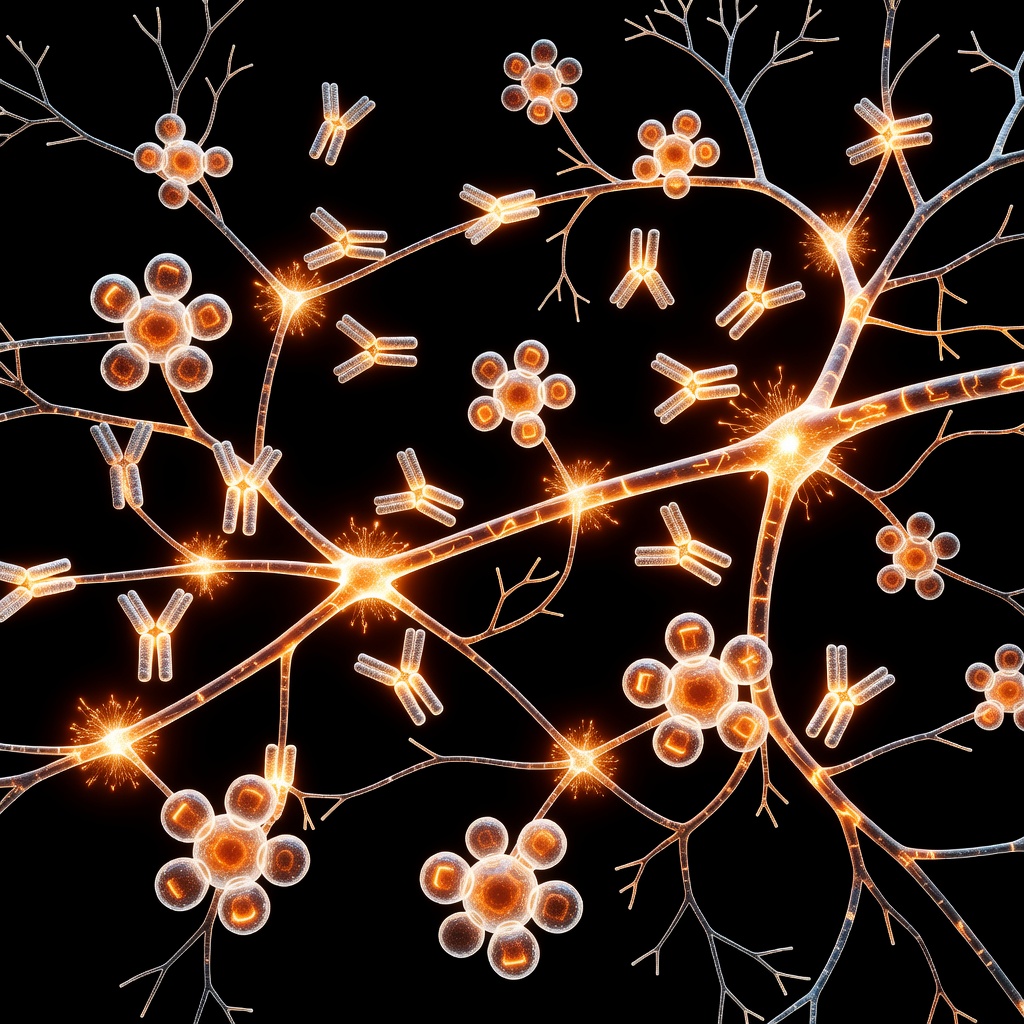
Once bacterial endotoxins breach the mucosal barrier, they are recognized by pattern recognition receptors (PRRs) on immune cells. This triggers the activation of the NF-κB pathway, which stimulates the production of pro-inflammatory cytokines such as TNF-α, IL-1β, IL-6, and IL-8. These cytokines do not remain localized; they circulate throughout the bloodstream, acting as signaling molecules that inform distant tissues, including the dermis, of a systemic threat.
Cutaneous Manifestations of Systemic Inflammation
In the skin, these circulating cytokines exacerbate existing inflammatory pathways. Specifically, in rosacea-prone skin, the activation of Toll-like receptor 2 (TLR2) leads to the hyperproduction of cathelicidins and serine proteases. The systemic cytokine load, derived from the colon, lowers the threshold for this immune response, meaning that even minor environmental triggers—such as UV exposure or thermal stress—can induce a full-blown flare. The skin, effectively in a state of 'primed' inflammation, reacts with the characteristic vasodilation, erythema, and papulopustular lesions associated with rosacea.
Root-Cause Intervention: Beyond Topical Creams
To move toward long-term remission, therapy must address the source. Research suggests that high-fiber, prebiotic-rich diets and targeted probiotic interventions can modulate colonic pH and reinforce the tight junctions of the intestinal epithelium. By reducing the systemic cytokine burden, we mitigate the molecular signaling that drives cutaneous rosacea.
Conclusion
Rosacea is frequently an external symptom of internal imbalance. By understanding the molecular journey of cytokines from the colon to the capillaries, patients can adopt a more integrated approach to skin health, focusing on gut restoration as a foundational pillar of their treatment protocol.
This article is provided for informational and educational purposes only. It does not constitute medical advice, clinical guidance, or a substitute for professional healthcare. Information reflects cited research at time of publication. Always consult a qualified healthcare professional before acting on any health information.
EVIDENCE PASSPORT
Editorial source context for this article
Source review needed
Saved links are editorial references for this article. They may support specific claims rather than every sentence. Open and assess each source in context. This passport does not independently verify them.
Editorial context
A complete editorial reading has not been recorded for this article, and no source links are saved on its record.
Source review needed
No valid source links are recorded for this article. Supplementary research, where available, is listed separately below.
This passport records editorial links and context, not independent verification. Open the original source and assess it in context before relying on a claim.
Medical Disclaimer
The information in this article is for educational purposes only and does not constitute medical advice, diagnosis, or treatment. Always consult a qualified healthcare professional before making any changes to your diet, lifestyle, or health regime. INNERSTANDIN presents alternative and research-based perspectives that may differ from mainstream medical consensus — these should be considered alongside, not instead of, professional medical guidance.
Read Full DisclaimerContinue the thread
Keep this question moving.
Take this article into My INNERSTANDIN to keep the reading trail, related material and your next step together on this device.
Explore this in the Body Map
Explore related body structures and their educational pages in the interactive Body Map.
Dig deeper in the Library
Free, longform PDF volumes that go beyond headlines into mechanisms and references.