
The Molecular Trap: Decoding the Endocrine Disruption of PTFE
Published April 2026
An investigative look into the biological mechanisms of PTFE and PFAS, exposing how these 'forever chemicals' interfere with hepatic function and thyroid health.
Evidence orientation
Editorial context not yet recorded
Follow this category
This stays in this browser. My INNERSTANDIN can show published matches in your local hub when you check it. It does not send email, push, or alert notifications.
Local learning review
A private browser aid for revisiting ideas. It is not an alert or a health recommendation.
Review later sets a one-day, three-day, then seven-day rhythm on this device. Choose it only when you want to revisit this article.
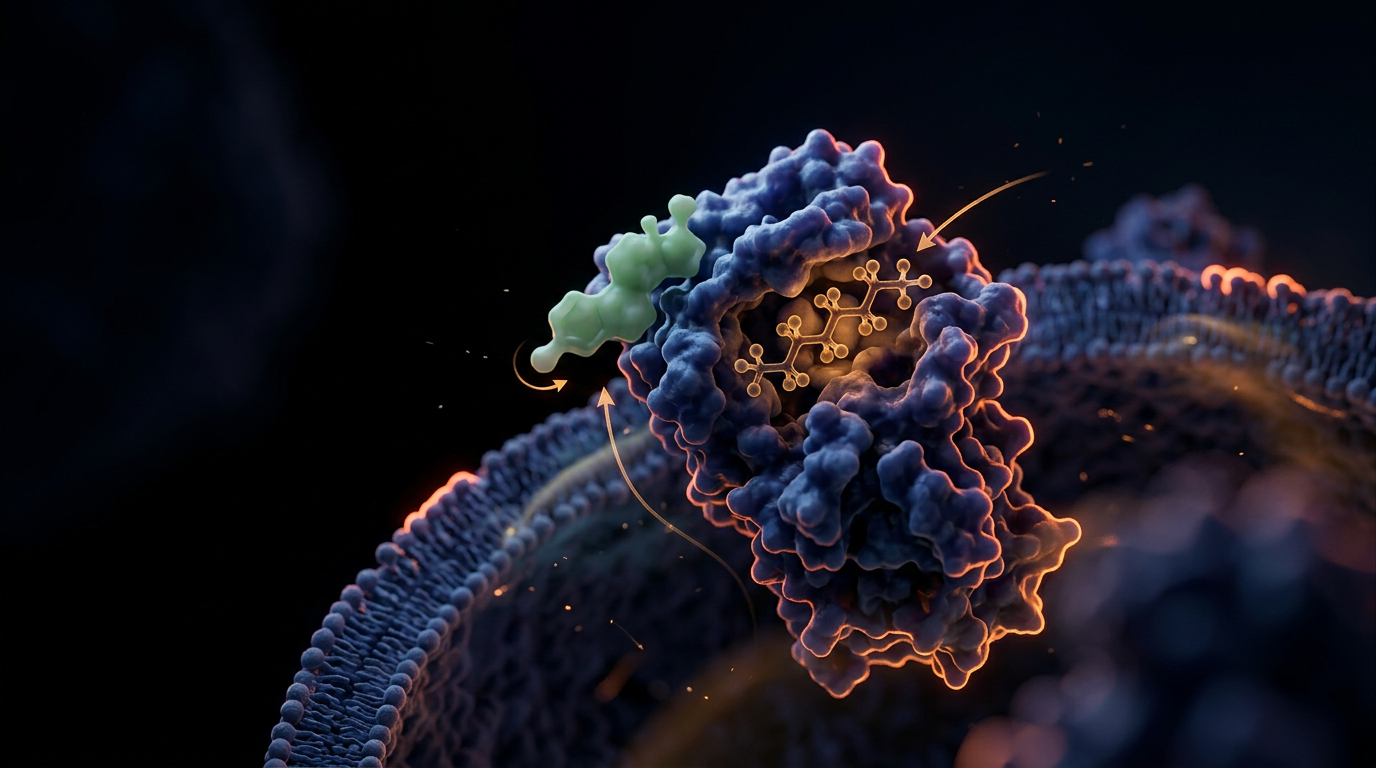
The molecular stability of the Carbon-Fluorine bond is one of the strongest in organic chemistry, and it is precisely this strength that makes Polytetrafluoroethylene (PTFE) both a miracle of modern engineering and a biological nightmare. While mainstream health guidelines often suggest that PTFE is inert as long as it is not overheated, an investigative look into the manufacturing process and the degradation kinetics reveals a far more complex reality. When non-stick pans reach temperatures as low as 200 degrees Celsius, they begin a process of off-gassing, releasing a cocktail of fluorinated vapours and ultrafine particles. For the health-literate individual, the concern is not merely acute 'polymer fume fever' but the chronic, low-level bioaccumulation of per- and polyfluoroalkyl substances (PFAS). These 'forever chemicals' are structurally similar to fatty acids, allowing them to hijack transport proteins such as albumin and move throughout the human body with alarming ease. --- Mechanisms of Endocrine and Hepatic Interference --- Once ingested or inhaled, PFAS do not simply pass through the system.
They demonstrate a high affinity for the liver and the endocrine system. Biologically, PFAS are known to activate the Peroxisome Proliferator-Activated Receptor alpha (PPAR-alpha), a critical regulator of lipid metabolism. By overstimulating this receptor, these chemicals can induce hepatic hypertrophy and disrupt normal cholesterol processing. Furthermore, the molecular structure of many PFAS allows them to compete with endogenous hormones for binding sites on transport proteins. This is particularly evident in thyroid function, where PFAS can displace thyroxine (T4), leading to altered metabolic rates and systemic fatigue that often eludes standard NHS blood panels which only look for extreme pathological markers. --- The C8 Legacy and Modern Substitutes --- The transition from PFOA (the infamous C8) to 'GenX' and other short-chain fluorochemicals has been marketed as a victory for public health.
However, independent biochemical analysis suggests that these shorter chains may be even more mobile in the environment and equally persistent within human tissues. Short-chain PFAS often exhibit higher renal clearance rates but can still accumulate in specific organs, including the brain and placenta. The investigative truth is that the chemical industry operates on a 'guilty until proven innocent' regulatory bypass, where new iterations of toxic compounds are released faster than longitudinal health studies can be conducted. For the INNERSTANDING reader, the only rational response is the total elimination of fluorinated cookware in favour of inert alternatives like high-quality cast iron or surgical-grade stainless steel. --- Beyond the Surface: Domestic Bio-Accumulation --- The risk extends beyond the pan itself. The degradation of PTFE surfaces over time, accelerated by the use of metal utensils, leads to the direct ingestion of micro-plastic particles.
While these particles are often described as inert, their surface area provides a substrate for other kitchen toxins to latch onto, creating a Trojan horse effect in the digestive tract. By removing these polymers from the kitchen, one is not just upgrading their cookware; they are shielding their mitochondrial and hormonal integrity from an invisible, persistent, and entirely avoidable molecular burden.
This article is provided for informational and educational purposes only. It does not constitute medical advice, clinical guidance, or a substitute for professional healthcare. Information reflects cited research at time of publication. Always consult a qualified healthcare professional before acting on any health information.
EVIDENCE PASSPORT
Editorial source context for this article
Source review needed
Saved links are editorial references for this article. They may support specific claims rather than every sentence. Open and assess each source in context. This passport does not independently verify them.
Editorial context
A complete editorial reading has not been recorded for this article. Source links remain available for you to open and assess directly.
Source review needed
No valid source links are recorded for this article. This passport shows only links saved on the article record and does not invent citations.
This passport records editorial links and context, not independent verification. Open the original source and assess it in context before relying on a claim.
Medical Disclaimer
The information in this article is for educational purposes only and does not constitute medical advice, diagnosis, or treatment. Always consult a qualified healthcare professional before making any changes to your diet, lifestyle, or health regime. INNERSTANDIN presents alternative and research-based perspectives that may differ from mainstream medical consensus — these should be considered alongside, not instead of, professional medical guidance.
Read Full DisclaimerContinue the thread
Keep this question moving.
Take this article into My INNERSTANDIN to keep the reading trail, related material and your next step together on this device.
Explore this in the Body Map
See where this hits your biology. Interactive anatomy, threats, and protective protocols.
Dig deeper in the Library
Free, longform PDF volumes that go beyond headlines into mechanisms and references.