
Radiofrequency-Induced Thermal Stress: Quantifying the Thresholds for Temporary Blood-Brain Barrier Opening
An in-depth scientific analysis of how radiofrequency radiation interacts with the blood-brain barrier, specifically focusing on the thermal thresholds required to induce transient permeability and the underlying molecular mechanisms involved in this physiological response.
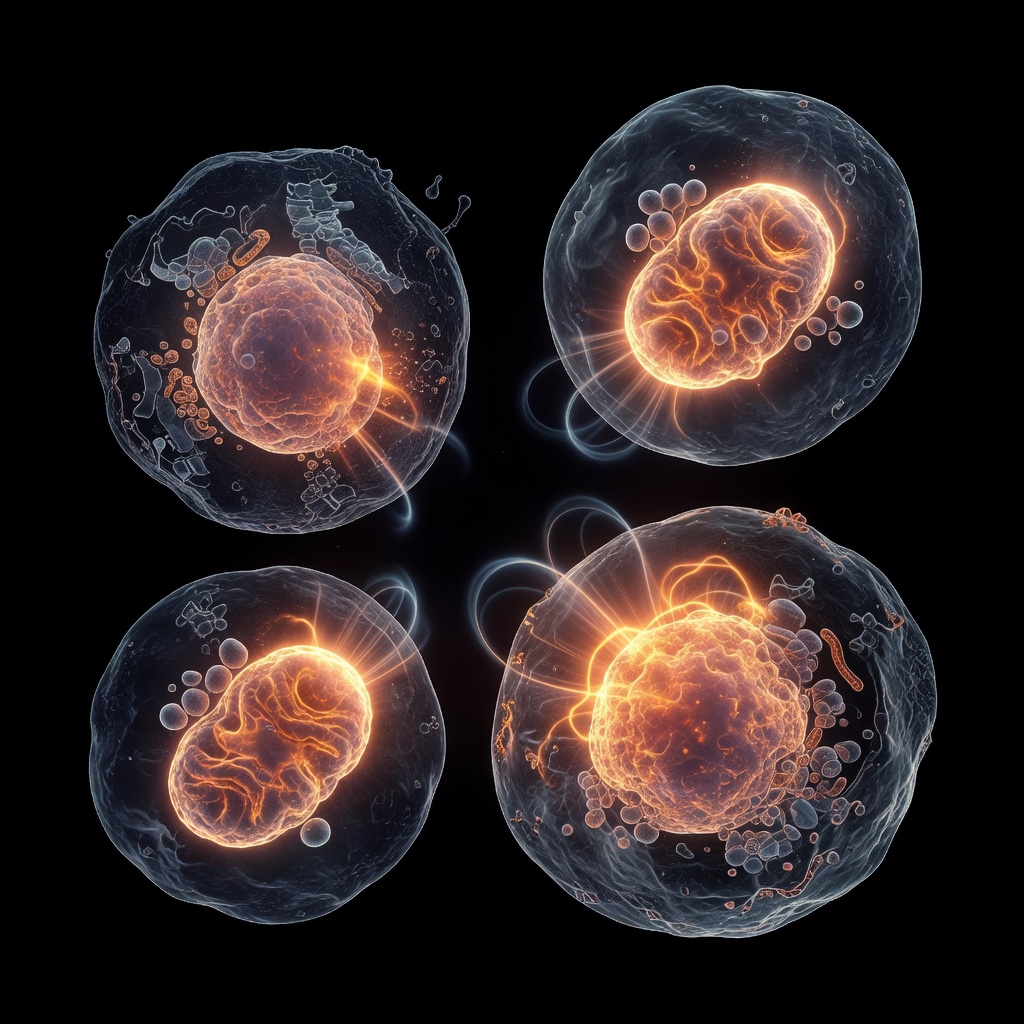
# Introduction to the Neurovascular Fortress The blood-brain barrier (BBB) is not merely a static wall but a dynamic, highly regulated interface that separates the circulating blood from the central nervous system (CNS). Composed of specialized endothelial cells, pericytes, and astrocyte end-feet, the BBB maintains the homeostatic environment required for neural signaling by strictly limiting the passage of pathogens and large hydrophilic molecules. However, the integrity of this barrier is sensitive to exogenous stressors, including electromagnetic fields (EMF) in the radiofrequency (RF) spectrum. As our reliance on wireless communication and RF-based medical technologies grows, understanding the root causes of RF-induced thermal stress and its capacity to open this barrier has become a focal point of neurobiological research. # The Biophysics of Radiofrequency Absorption Radiofrequency radiation, spanning from 30 MHz to 300 GHz, interacts with biological tissues primarily through the agitation of polar molecules, such as water. This kinetic agitation manifests as heat, a process governed by the dielectric properties of the tissue.
The rate at which this energy is absorbed is measured as the Specific Absorption Rate (SAR), expressed in Watts per kilogram (W/kg). When RF energy is deposited into the brain, it can lead to localized hyperthermia. Unlike systemic fever, RF-induced thermal stress is often focal, creating micro-gradients of temperature that can specifically affect the neurovascular unit. The root cause of barrier opening in this context is the disruption of the thermal equilibrium that maintains the structural proteins of the endothelial tight junctions. # Quantifying the Thermal Threshold For decades, researchers have sought to identify the precise threshold at which RF exposure transitions from a harmless interaction to a catalyst for BBB permeability. Experimental data from rodent and porcine models suggest that the BBB remains largely intact until brain temperatures reach a critical threshold, typically cited between 40.5°C and 42.0°C.
Below this range, the barrier's compensatory mechanisms are usually sufficient to maintain integrity. At the level of energy absorption, an SAR exceeding 4 W/kg for whole-body exposure or localized SAR levels significantly higher (often above 10-20 W/kg in acute settings) are required to induce a measurable increase in permeability. It is essential to distinguish between non-thermal effects—which remain a subject of intense debate—and the well-documented thermal effects. Thermal stress acts as a physical 'wedge,' expanding the paracellular pathways by altering the physical state of the lipid bilayer and the docking proteins that stitch the endothelial cells together. # Molecular Mechanisms of Permeabilization The opening of the BBB under thermal stress is primarily a result of the degradation or relocation of tight junction proteins, specifically Claudin-5, Occludin, and Zonula Occludens-1 (ZO-1). Under normal conditions, these proteins form a high-resistance seal.
When subjected to RF-induced hyperthermia, the cellular 'heat shock response' is triggered. One of the most significant molecular markers is the upregulation of Heat Shock Proteins (HSPs), particularly HSP70. While HSPs act as chaperones to protect proteins from denaturing, their rapid induction is often a precursor to the transient breakdown of junctional complexes. Furthermore, thermal stress increases the rate of transcytosis—the process by which vesicles transport substances through the cell body—effectively bypassing the tight junctions entirely. This dual-action mechanism (paracellular leakage and transcellular transport) allows for the entry of previously excluded molecules, such as albumin and horseradish peroxidase, into the brain parenchyma. # Temporary Nature and Reversibility One of the most critical aspects of RF-induced BBB opening is its transience.
Unlike traumatic brain injury or ischemic stroke, which cause long-lasting or permanent barrier destruction, thermal stress at the identified thresholds typically results in a 'window' of permeability. Evidence suggests that once the RF source is removed and the brain temperature returns to physiological norms (approx. 37°C), the barrier begins to reseal. The duration of this window depends on the intensity and length of the heat exposure but generally lasts between 30 minutes and 4 hours. This reversibility is the foundation for emerging medical therapies where RF-induced hyperthermia is used to facilitate the delivery of chemotherapy drugs or gene therapies into the brain, targeting tumors that were previously inaccessible due to the BBB's selectivity. # Safety Standards and Regulatory Implications International guidelines, such as those provided by the International Commission on Non-Ionizing Radiation Protection (ICNIRP), are designed to keep human exposure well below the thresholds that would cause significant thermal stress. For the general public, SAR limits for the head are set with a substantial safety margin—usually around 2.0 W/kg averaged over 10 grams of tissue.
These limits are calculated to ensure that even under worst-case scenarios, the localized temperature rise in the brain does not exceed 1°C, staying far below the 40.5°C threshold identified for BBB disruption. Understanding these thresholds is not only vital for public safety but also for debunking myths regarding low-level EMF exposure from consumer electronics, which operate at levels orders of magnitude below those required to induce thermal barrier opening. # Conclusion and Future Directions Radiofrequency-induced thermal stress represents a unique physiological phenomenon where physical energy is converted into a biological signal that alters the brain's protective architecture. By quantifying the SAR and temperature thresholds—specifically the 40.5°C marker—science provides a clear boundary between safe exposure and potential physiological change. As research continues, the focus is shifting toward the use of pulsed RF and focused microwave energy to fine-tune this barrier opening for therapeutic purposes. For the fields of neuropharmacology and bioengineering, the ability to 'unlock' the brain's gateway temporarily and safely remains one of the most promising frontiers in modern medicine.
Through the lens of INNERSTANDING, we recognize that the root of neurological health lies in the balance between protection and access, a balance that is profoundly influenced by the electromagnetic environment.
This article is provided for informational and educational purposes only. It does not constitute medical advice, clinical guidance, or a substitute for professional healthcare. Information reflects cited research at time of publication. Always consult a qualified healthcare professional before acting on any health information.
RESEARCH FOUNDATIONS
Biological Credibility Archive
Citations provided for educational reference. Verify via PubMed or institutional databases.
Medical Disclaimer
The information in this article is for educational purposes only and does not constitute medical advice, diagnosis, or treatment. Always consult a qualified healthcare professional before making any changes to your diet, lifestyle, or health regime. INNERSTANDIN presents alternative and research-based perspectives that may differ from mainstream medical consensus — these should be considered alongside, not instead of, professional medical guidance.
Read Full DisclaimerReady to learn more?
Continue your journey through our classified biological research.
DISCUSSION ROOM
Members of THE COLLECTIVE discussing "Radiofrequency-Induced Thermal Stress: Quantifying the Thresholds for Temporary Blood-Brain Barrier Opening"
SILENT CHANNEL
Be the first to discuss this article. Your insight could help others understand these biological concepts deeper.
RABBIT HOLE
Follow the biological thread deeper

