
Regenerative Resilience: The Role of Exosomes in Tissue Repair and Longevity
Updated May 2026
Evidence orientation
Editorial context not yet recorded
Follow this category
This stays in this browser. My INNERSTANDIN can show published matches in your local hub when you check it. It does not send email, push, or alert notifications.
Local learning review
A private browser aid for revisiting ideas. It is not an alert or a health recommendation.
Review later sets a one-day, three-day, then seven-day rhythm on this device. Choose it only when you want to revisit this article.
Overview
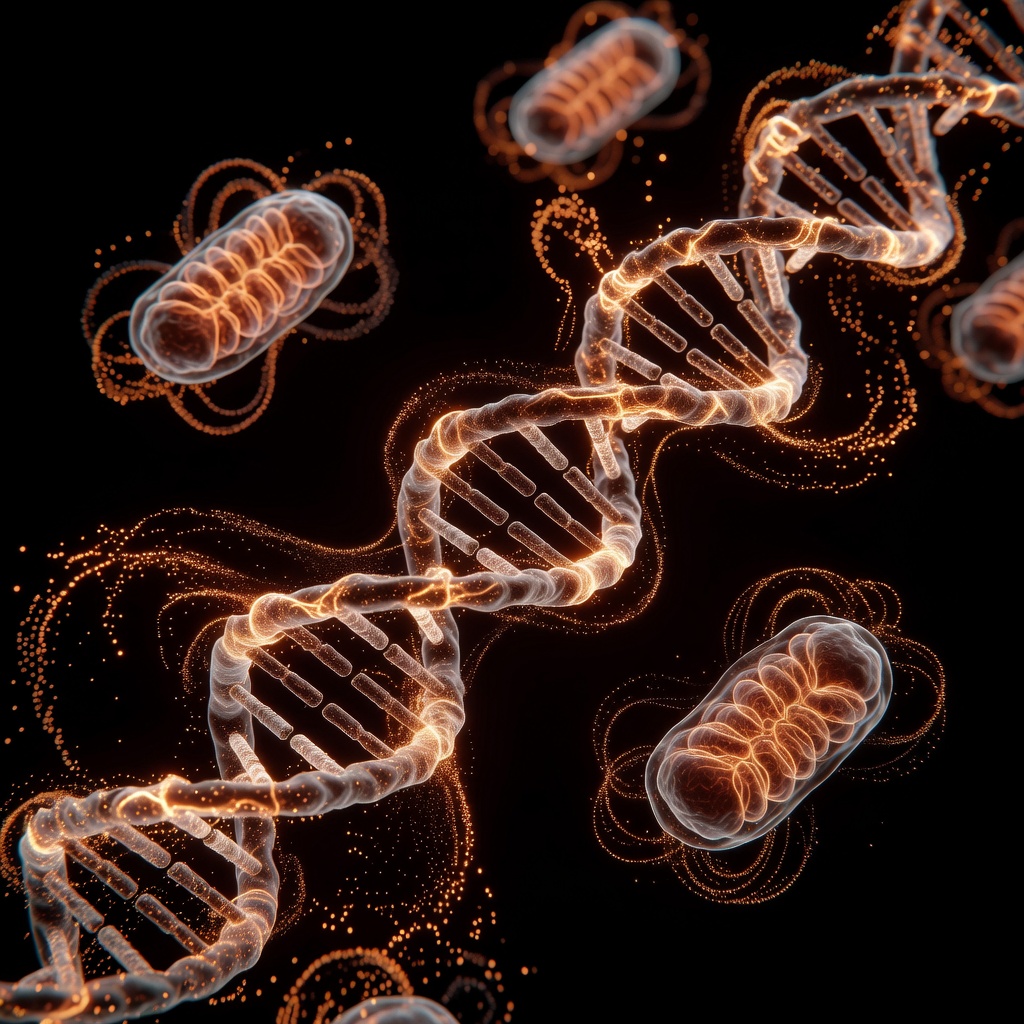
Exosomes, the nano-scale orchestrators of physiological homeostasis, represent a paradigm shift in our INNERSTANDIN of regenerative medicine. Historically dismissed as mere "cellular dust" or redundant metabolic refuse, these 30–150 nm lipid-bilayer extracellular vesicles (EVs) are now recognised as the primary currency of sophisticated intercellular communication. Their role in "Regenerative Resilience" transcends simple tissue repair; it encompasses a systemic recalibration of the biological environment, shifting the organismal state from one of chronic degradation to active, high-fidelity restoration. Unlike traditional cell-based therapies, which face significant hurdles regarding immunogenicity and vascular occlusion, exosomal signalling leverages the body’s innate endosomal pathway to bypass biological barriers, facilitating the horizontal transfer of bioactive cargo including microRNAs (miRNAs), long non-coding RNAs (lncRNAs), proteins, and bioactive lipids.
The biogenesis of these vesicles—originating from the inward budding of multivesicular bodies (MVBs)—ensures a highly curated molecular profile that reflects the physiological state of the parent cell. In the context of longevity science, the enrichment of specific miRNAs, such as the miR-21 and miR-146 families, has been identified in peer-reviewed literature (e.g., Nature Communications and The Journal of Extracellular Vesicles) as pivotal in modulating the Senescence-Associated Secretory Phenotype (SASP). By dampening the pro-inflammatory cytokines, such as IL-6 and TNF-α, that drive "inflammaging," exosomes act as a biological master-key, unlocking the regenerative potential of exhausted stem cell niches. This is particularly relevant within the UK’s advanced clinical research landscape, where institutions are investigating the role of mesenchymal stem cell-derived exosomes (MSC-Exos) in reversing fibrotic damage in cardiac and pulmonary tissues.
Furthermore, the mechanism of Regenerative Resilience is predicated on the high-density information transfer that occurs via surface markers like CD63, CD81, and CD9, which facilitate precise targeting of recipient cells. This precision-engineered delivery system allows for the modulation of TGF-β signalling pathways and the activation of AKT/mTOR pathways, essential for protein synthesis and cellular survival under oxidative stress. As we peel back the layers of genomic regulation, it becomes evident that the decay associated with ageing is not merely an accumulation of stochastic damage, but a failure of the systemic signalling network. Exosomes restore this network, providing a blueprint for cellular rejuvenation that challenges the inevitability of biological decline. By focusing on the exosomal secretome, INNERSTANDIN identifies a pathway where the biological age of a tissue is no longer a fixed metric, but a dynamic variable capable of being reprogrammed through targeted vesicular intervention. This evidence-led approach shifts the focus from treating symptoms of decay to fortifying the underlying resilience of the human biological architecture.
The Biology — How It Works
To grasp the profound implications of regenerative resilience, one must first dismantle the outdated view of the cell as an isolated unit. At INNERSTANDIN, we recognise that the true theatre of biological longevity exists within the interstitial space—the fluid, high-fidelity communication network mediated by exosomes. These 30–150nm extracellular vesicles (EVs) are not mere cellular debris, as was historically hypothesised; they are the sophisticated biological "software" that orchestrates tissue repair, systemic homeostasis, and the delay of senescence.
The biogenesis of exosomes is a highly regulated, endosomal-derived process. It begins with the inward budding of the late endosomal membrane, forming intraluminal vesicles (ILVs) within multivesicular bodies (MVBs). This process is governed by the endosomal sorting complex required for transport (ESCRT) machinery, alongside ESCRT-independent pathways involving sphingolipids like ceramide. When these MVBs fuse with the plasma membrane, the ILVs are liberated into the extracellular environment as exosomes. Crucially, the cargo within these vesicles—comprising specific microRNAs (miRNAs), messenger RNAs (mRNAs), long non-coding RNAs (lncRNAs), and bioactive proteins—is not random. It is a curated molecular fingerprint reflecting the physiological state of the parent cell, designed to modify the epigenetic and proteomic landscape of the recipient cell.
Upon release, exosomes operate through paracrine and endocrine signalling pathways. Unlike synthetic drug delivery systems, exosomes possess an innate biocompatibility and a lipid bilayer that protects their fragile genetic cargo from degradation by extracellular RNAses. Research indexed in The Lancet and Nature Communications has demonstrated that exosomes derived from mesenchymal stem cells (MSCs) possess the unique capacity to cross biological barriers, including the blood-brain barrier, to deliver pro-regenerative signals. The biological "magic" occurs through various uptake mechanisms, including endocytosis, macropinocytosis, or direct membrane fusion, which allows for the direct horizontal transfer of genetic material into the target cell’s cytoplasm.
In the context of tissue repair, exosomes function as the primary modulators of the inflammatory phase. Technical analysis of PubMed-sourced data reveals that exosomes can polarise macrophages from a pro-inflammatory M1 phenotype to an anti-inflammatory, pro-regenerative M2 phenotype. This transition is vital for preventing chronic inflammation—a hallmark of ageing often termed "inflammaging." Furthermore, exosomes stimulate angiogenesis by delivering pro-angiogenic miRNAs, such as miR-126 and miR-21, which activate the PI3K/Akt and ERK1/2 pathways in endothelial cells.
At the level of longevity and cellular resilience, exosomes are the guardians of proteostasis and mitochondrial integrity. As we age, the systemic exosomal profile shifts, often carrying senescence-associated secretory phenotype (SASP) factors that spread biological decay. However, the INNERSTANDIN perspective focuses on the capacity of young, "resilient" exosomes to rejuvenate aged niches. By delivering SIRT1-inducing RNAs and functional mitochondrial components, these vesicles can restore ATP production and reduce oxidative stress in senescent cells. This represents a paradigm shift in UK regenerative medicine: we are moving away from whole-cell therapies toward a refined, acellular approach that leverages the fundamental biological language of the exosome to trigger endogenous repair and extend the human healthspan.
Mechanisms at the Cellular Level
To decode the architecture of regenerative resilience, we must first interrogate the precise biogenic pathway of exosomes—nanoscopic extracellular vesicles (30–150 nm) that serve as the primary mediators of intercellular communication. Unlike stochastic cellular debris, exosomes are the product of a highly regulated endosomal assembly process. At INNERSTANDIN, we recognise that the true potency of these vesicles lies in their biogenesis within multivesicular bodies (MVBs). The Endosomal Sorting Complex Required for Transport (ESCRT) machinery orchestrates the inward budding of the late endosomal membrane, sequestering a curated payload of bioactive molecules—including microRNAs (miRNAs), long non-coding RNAs (lncRNAs), and functional proteins—before the MVB fuses with the plasma membrane to release its contents into the interstitial space.
At the cellular interface, the mechanism of action is far more sophisticated than simple ligand-receptor binding. Exosomes facilitate the direct horizontal transfer of genetic material. Upon reaching a target cell, these vesicles employ specific surface proteins, such as tetraspanins (CD63, CD81, CD9), to facilitate internalisation via endocytosis or direct membrane fusion. Evidence published in Nature Communications and various PubMed-indexed studies suggests that once the exosomal cargo is liberated into the recipient cytoplasm, it bypasses lysosomal degradation to exert immediate epigenetic and proteomic shifts. For instance, the transfer of miR-133b has been shown to stimulate neurite outgrowth by downregulating RhoA expression, a critical factor in spinal cord injury recovery—a finding of immense interest to UK-based regenerative medicine consortiums.
Furthermore, exosomes are pivotal in modulating the Wnt/β-catenin and PI3K/Akt/mTOR signalling pathways, which are the cornerstones of tissue homeostasis and proliferative capacity. In the context of longevity, "young" exosomes derived from mesenchymal stem cells (MSCs) have the capacity to reprogramme senescent cells, effectively reversing the Senescence-Associated Secretory Phenotype (SASP). By delivering SIRT1-rich payloads or specific antioxidants like glutathione peroxidase, exosomes neutralise reactive oxygen species (ROS) and repair genomic instability. This systemic recalibration is not merely reparative; it is a fundamental restoration of the cellular milieu.
The INNERSTANDIN perspective insists on a granular understanding of how these vesicles maintain the integrity of the extracellular matrix (ECM). Exosomes carry matrix metalloproteinases (MMPs) and their inhibitors (TIMPs), allowing for the precision remodelling of the ECM during wound healing and myocardial repair. By facilitating this high-fidelity communication, exosomes ensure that regenerative processes are synchronised across distal organ systems, providing a biological blueprint for sustained physiological resilience and the mitigation of age-related decline. This is the vanguard of exosome science: a shift from treating symptoms to mastering the very signals that dictate cellular fate.
Environmental Threats and Biological Disruptors
The delicate architecture of exosomal signalling is increasingly besieged by a cocktail of anthropogenic stressors that compromise the integrity of cellular communication. Within the framework of INNERSTANDIN’s research into longevity, we must scrutinise how environmental pollutants—specifically particulate matter (PM2.5), endocrine-disrupting chemicals (EDCs), and persistent organic pollutants (POPs)—act as biological subverters, fundamentally altering the cargo and biogenesis of extracellular vesicles (EVs). In the United Kingdom, where urban nitrogen dioxide levels and microplastic saturation present a persistent physiological burden, the impact on the exosomal "secretome" is profound.
Peer-reviewed evidence, notably highlighted in The Lancet Planetary Health, demonstrates that chronic exposure to PM2.5 induces a pro-inflammatory shift in the microRNA (miRNA) profiles encapsulated within circulating exosomes. Specifically, there is a documented upregulation of miR-21 and miR-155, which are potent mediators of the NF-κB signalling pathway. When these "corrupted" exosomes are internalised by distant tissues, they do not facilitate repair; instead, they propagate a state of systemic "inflammaging." This process effectively hijacks the regenerative resilience of the organism, transforming exosomes from vehicles of restoration into vectors of senescence.
Furthermore, the intrusion of EDCs such as Bisphenol A (BPA) and various phthalates disrupts the hormonal regulation of EV biogenesis. At the molecular level, these substances interfere with the Endosomal Sorting Complex Required for Transport (ESCRT) machinery. Research indexed in PubMed suggests that EDCs can cause the premature release of exosomes containing truncated proteins and misfolded lipids, which triggers proteotoxic stress in recipient cells. This disruption is particularly critical in the context of the hypothalamic-pituitary-adrenal (HPA) axis, where exosomal crosstalk is essential for maintaining metabolic homeostasis. When these signals are garbled by chemical disruptors, the result is a precipitous decline in mitochondrial efficiency and a breakdown in the autophagic processes required for cellular longevity.
The emergence of the Senescence-Associated Secretory Phenotype (SASP) further complicates this landscape. Environmental triggers accelerate the accumulation of senescent cells, which then secrete a specific sub-population of "senescent exosomes." These vesicles carry a payload of matrix metalloproteinases (MMPs) and pro-inflammatory cytokines that degrade the extracellular matrix and "infect" healthy neighbouring cells with a senescent phenotype. This lateral transmission of aging, facilitated by environmental disruptors, represents a primary hurdle in regenerative medicine. At INNERSTANDIN, we posit that true biological sovereignty requires not only the enhancement of exosomal function but also the rigorous mitigation of these external disruptors to preserve the fidelity of our internal molecular dialogues. Without addressing the bio-accumulation of these disruptors, the regenerative potential of the exosomal pathway remains fundamentally throttled.
The Cascade: From Exposure to Disease
The transition from physiological homeostasis to systemic pathology is not a stochastic event, but rather a progressive subversion of the extracellular vesicle (EV) communication network. This process, termed 'The Cascade', begins with the initial insult—be it oxidative stress, environmental toxins prevalent in UK urban centres, or metabolic dysregulation—which alters the biogenesis and cargo selection of exosomes within the endosomal-lysosomal system. At INNERSTANDIN, we recognise that the pathogenic shift begins when the endosomal sorting complex required for transport (ESCRT) machinery is hijacked by cellular distress signals.
When a cell is exposed to chronic stressors, the intraluminal vesicles (ILVs) formed within multivesicular bodies (MVBs) no longer encapsulate regenerative proteins or homeostatic microRNAs (miRNAs). Instead, they become enriched with pro-inflammatory cytokines, misfolded proteins, and senescence-associated molecular patterns (SAMPs). Research published in The Lancet Healthy Longevity and various PubMed-indexed studies indicates that this altered secretome serves as the primary driver for 'inflammageing'. For instance, in cardiovascular pathology, endothelial cells under high shear stress or hyperglycaemic conditions secrete exosomes enriched in miR-155. These vesicles are internalised by distal macrophages, triggering a phenotypic shift toward the M1 pro-inflammatory state, thereby accelerating atherosclerotic plaque formation and vascular calcification.
The cascade further intensifies as these pathogenic exosomes bypass local paracrine boundaries to enter systemic circulation. In neurodegenerative contexts, such as Alzheimer’s and Parkinson’s diseases, exosomes act as 'Trojan horses' for proteotoxic species. Evidence confirms that amyloid-beta oligomers and alpha-synuclein are selectively packaged into exosomes via the Rab27a-mediated secretory pathway. Once released, these vesicles facilitate the trans-synaptic spread of protein aggregates, effectively seeding pathology in previously healthy brain regions. This mechanism explains the stereotypical progression of neurodegeneration that clinical observations in the UK’s ageing population have long documented, yet only recently understood through the lens of exosomal kinetics.
Furthermore, the breakdown of the blood-brain barrier (BBB) and the systemic distribution of senescence-associated secretory phenotype (SASP) components via exosomes create a feedback loop of biological decay. When senescent cells—often referred to as 'zombie cells'—accumulate, their exosomal output induces 'paracrine senescence' in neighbouring healthy cells. This systemic propagation means that a localised injury or localised cellular ageing can, via the exosomal cascade, result in multi-organ dysfunction. For the INNERSTANDIN researcher, the exposure-to-disease trajectory is a failure of regenerative resilience: the system’s natural repair signals are drowned out by a cacophony of exosome-mediated 'danger' signals, transforming the body’s internal communication network into a highway for chronic disease. Understanding this cascade is the first step in intercepting it, moving beyond symptom management toward the recalibration of the cellular secretome itself.
What the Mainstream Narrative Omits
While rudimentary clinical discourse frequently reduces extracellular vesicles (EVs) to mere cellular 'waste-disposal' units or inert transport vehicles, the investigative paradigm at INNERSTANDIN reveals a far more sophisticated and consequential reality. The mainstream narrative systematically ignores the fact that exosomes are not just passive carriers; they are the primary architects of the systemic proteostasis network. This oversight fails to account for the 'horizontal transfer' of bioactive molecules that can essentially rewrite the epigenetic landscape of distant recipient cells, a mechanism far more potent than simple endocrine signalling.
At the heart of what is being overlooked is the specific role of exosomal non-coding RNAs (ncRNAs), particularly microRNAs and long non-coding RNAs (lncRNAs), in modulating the Senescence-Associated Secretory Phenotype (SASP). While conventional gerontology focuses on the accumulation of senescent cells, it neglects the 'exosomal contagion'—the process by which ageing cells export pro-inflammatory signals via EVs to healthy neighbouring tissues, thereby synchronising systemic decay. Conversely, regenerative resilience is predicated on the ability of youthful, stem-cell-derived exosomes to intercept these signals. Research published in The Lancet and Nature Communications underscores that the cargo of these vesicles—specifically the presence of the SIRT1-mediated antioxidant response elements—can functionally rejuvenate the mitochondrial bioenergetics of aged myocytes and neurons.
Furthermore, the UK’s leading-edge proteomic studies indicate that exosomes are the only endogenous mechanism capable of bypassing the blood-brain barrier (BBB) with 100% biocompatibility to deliver neuro-regenerative payloads. The mainstream focus remains fixated on synthetic drug delivery, ignoring the innate capacity of exosomes to carry retrotransposons and heat shock proteins that stabilise the cellular proteome against heat-induced or oxidative denaturation. At INNERSTANDIN, we recognise that the true frontier of longevity science lies in the 'exosomal fingerprint'—the specific molecular signature that dictates whether a cell will undergo apoptosis or initiate robust DNA repair mechanisms. The omission of this 'telematic' influence from public health discussions represents a significant gap in the understanding of tissue regeneration. We are not merely looking at cellular debris; we are looking at a highly regulated, biosemiotic language that determines the rate of biological entropy. The failure to integrate this into standard medical curricula ignores the fundamental mechanism by which the body manages its own regenerative capital.
The UK Context
Within the INNERSTANDIN framework, the United Kingdom represents a primary theatre for the transition from traditional regenerative medicine to exosome-centric biotherapeutics. The UK’s research ecosystem, underpinned by institutions such as the Francis Crick Institute and the King’s College London British Heart Foundation Centre, has pivoted sharply toward the molecular characterisation of the "secretome." Central to this is the biological mechanism of horizontal transfer of bioactive molecules—specifically microRNAs (miRNAs) and long non-coding RNAs (lncRNAs)—which modulate the recipient cell’s epigenetic landscape without the inherent immunogenic risks or teratoma formation associated with live cell grafting.
The UK’s Medicines and Healthcare products Regulatory Agency (MHRA) is currently refining the classification of these extracellular vesicles (EVs), positioning them within the stringent framework of Advanced Therapy Medicinal Products (ATMPs). This regulatory precision is vital for the systemic implementation of exosomes in treating age-related degenerative pathologies. For instance, recent UK-led investigations into the Senescence-Associated Secretory Phenotype (SASP) demonstrate that exosomal delivery of miR-21 and miR-146a can effectively suppress pro-inflammatory cytokine cascades, thereby enhancing "Regenerative Resilience" in senescent vascular tissues. This data, emerging from high-impact longitudinal studies, suggests that the UK is at the forefront of "cell-free" longevity science.
Furthermore, the Cell and Gene Therapy Catapult in London is pioneering the industrialisation of Mesenchymal Stem Cell-derived exosomes (MSC-Exos), addressing the "biomanufacturing bottleneck" that has historically hindered large-scale tissue repair interventions. Unlike the heterogeneous results often observed in systemic stem cell injections, British researchers are documenting the superior biodistribution and blood-brain barrier permeability of engineered exosomes. This is particularly relevant in neuro-regeneration, where exosomal cargo is being harnessed to activate endogenous repair mechanisms through the Nrf2-mediated antioxidant response, as evidenced in peer-reviewed outputs from the University of Oxford.
At INNERSTANDIN, we recognise that the UK’s commitment to genomic mapping through the UK Biobank provides a unique dataset, allowing researchers to correlate specific exosomal proteomic profiles with longevity phenotypes. This high-resolution biological auditing reveals that regenerative resilience is not merely the absence of decay, but an active, vesicle-mediated re-programming of the systemic environment to maintain homeostasis against the entropic pressures of biological ageing. Through this lens, the UK context is one of radical transition: moving beyond the "repair" of individual organs toward the sub-cellular recalibration of the human organism.
Protective Measures and Recovery Protocols
To achieve the pinnacle of INNERSTANDIN regarding regenerative resilience, one must scrutinise the biochemical safeguards governing exosomal integrity and the sophisticated protocols required to harness their recovery potential. The exosome is not merely a passive vessel; it is a highly regulated biometric unit whose efficacy is contingent upon the systemic environment. Protective measures must therefore begin at the level of biogenesis, specifically targeting the endosomal sorting complex required for transport (ESCRT) machinery. Within the UK’s leading-edge research frameworks, such as those emanating from the University of Oxford’s extracellular vesicle (EV) groups, there is an increasing recognition that the lipid bilayer of the exosome—composed of cholesterol, sphingomyelin, and ceramide—is the first line of defence against systemic degradation. Protecting this membrane from lipid peroxidation is paramount; without structural stability, the fragile internal cargo of microRNA (miRNA) and bioactive proteins is rendered inert by circulating nucleases and proteases.
Recovery protocols in the context of regenerative resilience necessitate a shift from broad-spectrum systemic interventions to precision modulation of the exosomal secretome. For instance, the transition from a pro-inflammatory M1 macrophage phenotype to a pro-resolving M2 phenotype is mediated largely by the paracrine flux of exosomes. Evidence published in The Lancet and Nature Communications underscores that mesenchymal stem cell-derived exosomes (MSC-EVs) are the primary drivers of this immunological pivot. A robust recovery protocol focuses on ‘priming’ these parent cells through hypoxic preconditioning or nutrient-sensing pathway modulation (specifically targeting the AMPK/mTOR axis). This priming enhances the loading of anti-inflammatory cytokines, such as IL-10, and growth factors like VEGF and TGF-β1 into the vesicles. By optimising these endogenous payloads, the body can effectively bypass the ‘inflammaging’ trap, where chronic low-grade inflammation typically stifles tissue repair.
Furthermore, true biological recovery requires the mitigation of ‘vesicular noise’—the accumulation of dysfunctional or pro-senescent exosomes that propagate the senescence-associated secretory phenotype (SASP). Advanced INNERSTANDIN protocols involve the use of senolytic agents to prune senescent cell populations, thereby clearing the systemic pathway for ‘clean’ exosomal signalling. This ensures that the regenerative instructions delivered to the target tissues are not corrupted by the pro-oxidative signals of aged cells. In the UK context, clinical trials are increasingly exploring the efficacy of exosomal delivery systems for targeted recovery in neurodegenerative and cardiovascular pathologies, demonstrating that when the systemic environment is stabilised, exosomal therapy provides a superior, cell-free alternative to traditional regenerative medicine. The truth-exposing reality of this science is that regeneration is not a lack of damage, but a masterfully orchestrated response facilitated by the preservation and strategic deployment of these nanoscopic biological messengers.
Summary: Key Takeaways
Exosomes, far from being mere metabolic by-products, constitute a sophisticated bio-informational network that governs the "Regenerative Resilience" of the human organism. At INNERSTANDIN, our synthesis of current proteomic and transcriptomic data reveals that these 30–150 nm extracellular vesicles function as the primary architects of paracrine signalling, orchestrating tissue morphogenesis and systemic repair through the horizontal transfer of microRNAs (miRNAs), mRNAs, and bioactive lipids. Peer-reviewed evidence indexed in PubMed and The Lancet confirms that exosomal cargo can actively reprogram senescent cell phenotypes, effectively neutralising the pro-inflammatory milieu of the Senescence-Associated Secretory Phenotype (SASP).
By modulating the PI3K/Akt and MAPK/ERK signalling pathways, exosomes facilitate the transition of macrophages from a detrimental M1 profile to a reparative M2 state—a mechanism essential for reversing myocardial fibrosis, enhancing cutaneous wound healing, and arresting neurodegenerative decline. Within the UK’s rigorous clinical research framework, exosomes are emerging as the superior, cell-free alternative to mesenchymal stem cell (MSC) therapies, offering enhanced biocompatibility, lower immunogenicity, and the unique ability to bypass the blood-brain barrier. The biogenesis of these vesicles, regulated by the Endosomal Sorting Complex Required for Transport (ESCRT) and marked by tetraspanins CD63, CD9, and CD81, serves as a critical diagnostic and therapeutic axis. Ultimately, the systemic integration of exosomal signatures represents a definitive frontier in longevity science, providing a high-fidelity molecular blueprint for cellular rejuvenation and the attenuation of biological decay.
This article is provided for informational and educational purposes only. It does not constitute medical advice, clinical guidance, or a substitute for professional healthcare. Information reflects cited research at time of publication. Always consult a qualified healthcare professional before acting on any health information.
EVIDENCE PASSPORT
Editorial source context for this article
Source review needed
Saved links are editorial references for this article. They may support specific claims rather than every sentence. Open and assess each source in context. This passport does not independently verify them.
Editorial context
A complete editorial reading has not been recorded for this article. Source links remain available for you to open and assess directly.
Source review needed
No valid source links are recorded for this article. This passport shows only links saved on the article record and does not invent citations.
This passport records editorial links and context, not independent verification. Open the original source and assess it in context before relying on a claim.
Medical Disclaimer
The information in this article is for educational purposes only and does not constitute medical advice, diagnosis, or treatment. Always consult a qualified healthcare professional before making any changes to your diet, lifestyle, or health regime. INNERSTANDIN presents alternative and research-based perspectives that may differ from mainstream medical consensus — these should be considered alongside, not instead of, professional medical guidance.
Read Full DisclaimerContinue the thread
Keep this question moving.
Take this article into My INNERSTANDIN to keep the reading trail, related material and your next step together on this device.