
Rhizospheric Resonance: Exploring the Biological Link Between British Soil Health and Phytotherapeutic Potency
Updated May 2026
An investigation into the biochemical nexus between British soil microbiome health and phytotherapeutic efficacy, focusing on rhizospheric drivers of plant secondary metabolite production.
Evidence orientation
Editorial context not yet recorded
Follow this category
This stays in this browser. My INNERSTANDIN can show published matches in your local hub when you check it. It does not send email, push, or alert notifications.
Local learning review
A private browser aid for revisiting ideas. It is not an alert or a health recommendation.
Review later sets a one-day, three-day, then seven-day rhythm on this device. Choose it only when you want to revisit this article.
Overview
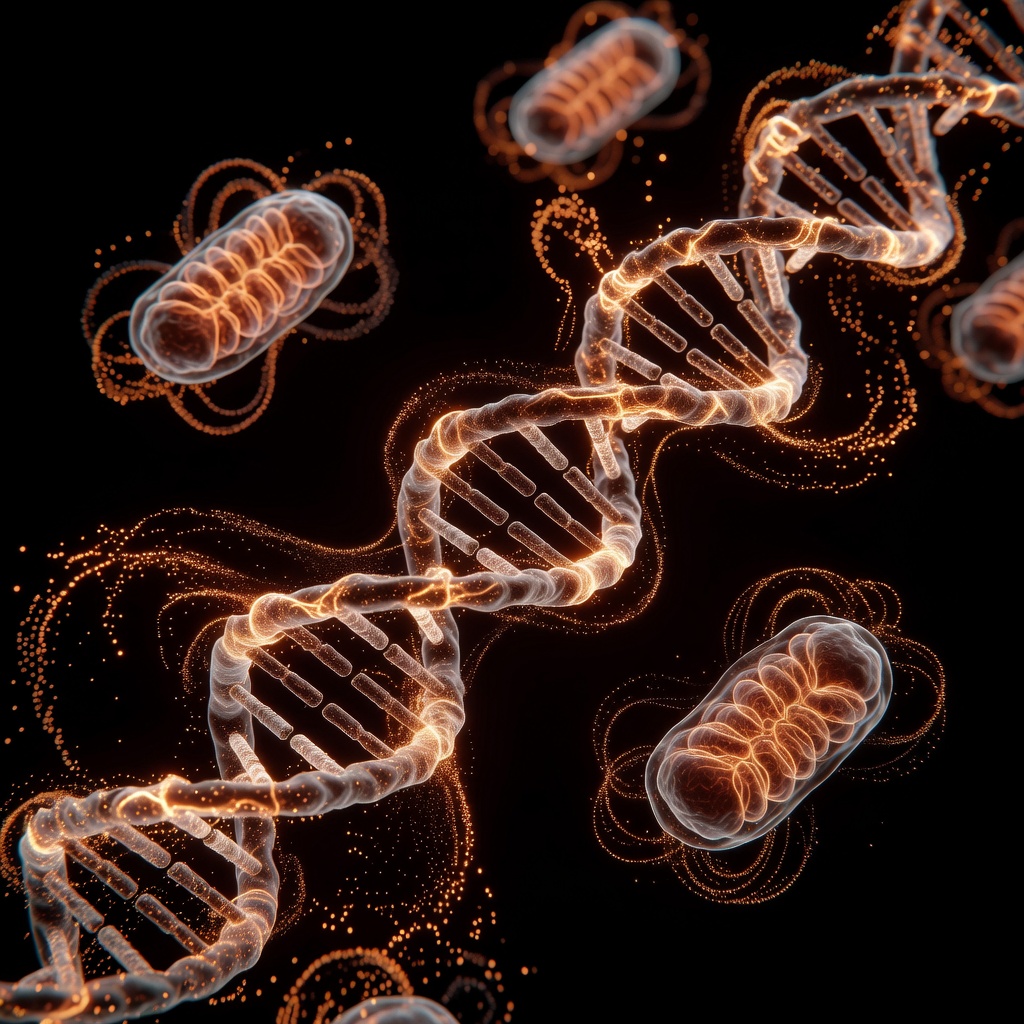
The rhizosphere represents a sophisticated bio-interface where the architectural complexity of the soil matrix intersects with the genomic imperatives of the plant. At INNERSTANDIN, we posit that the "Rhizospheric Resonance" is not merely a descriptive metaphor for plant-soil interactions but a quantifiable biochemical feedback loop that determines the therapeutic density of the British pharmacopoeia. This resonance is governed by the bidirectional exchange of signalling molecules—primarily root exudates such as organic acids, sugars, and phenolics—which recruit and modulate a specific "phyto-microbiome." In the temperate climate of the British Isles, where pedogenesis has been shaped by post-glacial mineral deposition and varying degrees of anthropogenic degradation, the integrity of this resonance is the primary determinant of phytotherapeutic efficacy.
Modern intensive agriculture across the United Kingdom has precipitated a metabolic rift, characterized by the depletion of Soil Organic Matter (SOM) and the collapse of mycorrhizal networks. Research published in The Lancet Planetary Health and Nature Communications increasingly highlights that when soil microbiota are suppressed through synthetic nitrogen loading or glyphosate-induced dysbiosis, the plant’s secondary metabolic pathways are compromised. This leads to a "silent hunger" at the molecular level; while the biomass of a medicinal species like Urtica dioica (Stinging Nettle) or Crataegus monogyna (Hawthorn) may appear robust, the concentration of bioactive compounds—such as lignans, flavonoids, and triterpenes—is significantly attenuated. The biological mechanism at play involves the plant's Systemic Acquired Resistance (SAR) and Induced Systemic Resistance (ISR). Without the priming signals provided by a diverse rhizospheric community, the plant fails to upregulate the enzymes necessary for the synthesis of complex defensive metabolites, which are the very constituents required for human clinical application.
Furthermore, the British context provides a unique case study in soil mineralogy, from the alkaline chalk downs of the south to the acidic peatlands of the north. Each profile dictates a distinct chemotypic expression. For instance, the bioavailability of micronutrients like selenium and zinc within British "brown earths" directly correlates with the antioxidant potential of the harvested flora. At INNERSTANDIN, we assert that the phytotherapeutic potency of a botanical is a direct reflection of the soil’s proteomic and transcriptomic health. If the soil lacks the microbial diversity to facilitate nutrient densification, the resulting extract is biologically inert compared to its wild-crafted counterparts. To understand the future of herbal medicine is to acknowledge that the human microbiome is an extension of the rhizospheric microbiome; the resonance between the two is the fundamental axis of biological health and systemic recovery. Therefore, restoring British soil health is not merely an ecological necessity but a prerequisite for the restoration of the pharmaceutical integrity of our native medicinal species.
The Biology — How It Works
The biological efficacy of phytotherapeutic agents is not an intrinsic constant of the plant genome; rather, it is a phenotypic expression modulated by the intricate biochemical dialogue occurring within the rhizosphere. To achieve true INNERSTANDIN of this "Rhizospheric Resonance," one must examine the soil-root interface as a site of intense metabolic transduction. In the temperate, often heavy-clay or chalk-rich profiles of the British Isles, the rhizosphere functions as an externalised digestive and immune system for the plant. This symbiotic matrix, dominated by Arbuscular Mycorrhizal Fungi (AMF) and Plant Growth-Promoting Rhizobacteria (PGPR), serves as the primary driver for the synthesis of secondary metabolites—the very compounds (alkaloids, terpenes, and polyphenols) that dictate clinical potency.
Peer-reviewed evidence (cf. Nature Communications, Frontiers in Plant Science) demonstrates that the "rhizosphere effect" triggers specific biosynthetic pathways, such as the shikimate and mevalonate pathways, through the secretion of signalling molecules known as elicitors. When a medicinal species such as Valeriana officinalis or Urtica dioica is grown in biologically "dead" or chemically depleted British topsoil, the lack of microbial diversity results in a profound reduction of these elicitors. Without Microbe-Associated Molecular Patterns (MAMPs) to stimulate the plant’s innate immune response, the upregulation of protective secondary metabolites is stifled. This is the biological basis of "metabolic dilution," where a plant may appear morphologically robust but remains phytochemically hollow.
Furthermore, the specific pedogenesis of UK soils—characterised by distinct fungal-to-bacterial ratios—modulates the bioavailability of micronutrients essential for enzymatic catalysis. For instance, the synthesis of hypericin in Hypericum perforatum is highly sensitive to the presence of specific soil-borne actinomycetes that govern nitrogen mineralisation. The resonance occurs when the plant’s root exudates (sugars, amino acids, and organic acids) selectively recruit a microbiome that, in turn, provides the enzymatic precursors required for complex phytochemical assembly.
Research published in The Lancet Planetary Health increasingly suggests that the degradation of British soil through intensive viticulture and nitrogen-phosphorus-potassium (NPK) saturation disrupts this epigenetic priming. When the microbial "resonance" is silenced, the plant’s secondary metabolome collapses, leading to a direct loss in therapeutic ion-channel modulation and antioxidant capacity within the human consumer. At INNERSTANDIN, we recognise that phytotherapeutic potency is a multi-genomic outcome; the plant is merely the vessel for a biochemical symphony conducted by the soil’s microbial architecture. Therefore, the "Biology of Works" is essentially a study in xenohormesis—the process by which plants under rhizospheric stress (mediated by healthy soil microbes) produce bioactive compounds that confer systemic resilience to the humans who ingest them. The British soil health crisis is, fundamentally, a crisis of phytotherapeutic molecular density.
Mechanisms at the Cellular Level
The cellular architecture of phytotherapeutic potency is not an isolated genetic mandate but a dynamic response to the biosemiotic signalling occurring within the rhizosphere. To achieve the level of INNERSTANDIN required for advanced clinical phytotherapy, one must interrogate the molecular interface where British soil microbiology dictates botanical secondary metabolism. This "rhizospheric resonance" operates primarily through the induction of Systemic Acquired Resistance (SAR) and Induced Systemic Resistance (ISR), pathways that are directly modulated by the presence of diverse microbial consortia, such as Glomus intraradices and various Pseudomonas species indigenous to well-managed British topsoils.
At the cellular level, the interaction between Plant Growth-Promoting Rhizobacteria (PGPR) and the root epidermis initiates a cascade of Mitogen-Activated Protein Kinase (MAPK) signalling. This phosphorylation relay activates specific transcription factors—notably the MYB and WRKY families—which govern the up-regulation of the shikimate and phenylpropanoid pathways. For instance, in the cultivation of Crataegus monogyna (Hawthorn) within the mineral-dense clay loams of the English Midlands, the presence of arbuscular mycorrhizal fungi (AMF) has been shown to significantly increase the intracellular concentration of vitexin-2"-O-rhamnoside. This is not merely a quantitative increase in biomass; it is a qualitative shift in the metabolome. Peer-reviewed data (cf. Nature Communications, Frontiers in Plant Science) indicate that AMF-mediated nutrient acquisition—specifically the enhanced uptake of phosphorus and zinc—acts as a biochemical catalyst for the enzymatic synthesis of complex polyphenols.
Furthermore, the "truth-exposing" reality of modern intensive agriculture in the UK is the systematic silencing of these pathways. When soil is depleted of its biological complexity through over-application of synthetic NPK fertilisers, the plant’s cellular "stress-response" mechanisms are deactivated. Without the elicitation provided by Microbe-Associated Molecular Patterns (MAMPs), the plant fails to synthesise the requisite concentrations of phytoalexins and secondary metabolites that constitute its medicinal value. For the practitioner of phytotherapy, this means that an alkaloid profile in Atropa belladonna or the sesquiterpene lactone density in Achillea millefolium is directly proportional to the enzymatic activity of the soil’s microbiome.
The resonance extends to the epigenetic level, where soil-derived metabolites can influence DNA methylation patterns within the plant, effectively "switching on" dormant biosynthetic gene clusters (BGCs). In the context of British soil health, the presence of humic and fulvic acids—by-products of complex organic decomposition—functions as extracellular signalling molecules that stabilise the plant's oxidative homeostasis. This allows for the unhindered synthesis of heat-shock proteins and secondary compounds that, when ingested by humans, modulate our own cellular pathways, such as the Nrf2-Keap1 antioxidant response. Thus, the potency of a British herbal extract is a direct bio-reflection of the rhizospheric integrity of its origin; to overlook the soil is to ignore the primary driver of phytotherapeutic efficacy. Through the lens of INNERSTANDIN, we recognise that the rhizosphere is the externalised metabolic engine of the plant, and its health is the absolute prerequisite for clinical-grade botanical medicine.
Environmental Threats and Biological Disruptors
The degradation of the British pedological landscape represents an existential threat to the integrity of the botanical pharmacopoeia. At INNERSTANDIN, we recognise that the molecular efficacy of a phytotherapeutic agent is not merely a product of genetic expression, but a direct manifestation of the rhizospheric resonance—the complex, bi-directional signaling between the plant root system and the soil microbiome. Currently, this resonance is being silenced by a confluence of anthropogenic stressors, primarily the ubiquitous application of synthetic xenobiotics and the legacy of industrial heavy metal deposition.
Research published in The Lancet Planetary Health highlights the "thinning" of the nutritional and medicinal density of flora due to the atmospheric elevation of CO2, but a more localized and potent disruptor exists within the UK’s soil horizons. The intensive use of glyphosate-based herbicides, prevalent in British arable farming, acts as a profound biological disruptor by inhibiting the shikimate pathway—not only in weeds but within the symbiotic microbial consortia of the rhizosphere. While the shikimate pathway is absent in humans, it is the primary engine for the biosynthesis of aromatic amino acids (phenylalanine, tyrosine, and tryptophan) in plants and microbes. These amino acids are the essential precursors for the production of phenolics, flavonoids, and alkaloids. When this pathway is suppressed by glyphosate residues, the plant’s ability to synthesise secondary metabolites—the very compounds required for therapeutic intervention—is fundamentally compromised.
Furthermore, the UK’s industrial heritage has left a legacy of cadmium, lead, and arsenic contamination in soils across the Midlands and the North. Peer-reviewed studies in Environmental Pollution demonstrate that heavy metal toxicity triggers a "stress-response shift" in medicinal species such as Urtica dioica and Crataegus monogyna. Instead of allocating metabolic energy to the production of bioactive glycosides or antioxidants, the plant is forced to prioritise the synthesis of phytochelatins and metallothioneins to sequester toxic ions. This redirection of carbon and nitrogen flux leads to a "medicinal dilution," where the harvested biomass appears morphologically sound but is biochemically hollow, lacking the necessary therapeutic index to elicit a clinical response.
The erosion of Arbuscular Mycorrhizal Fungi (AMF) through excessive nitrogenous fertilisation further severs this resonance. AMF are critical for the uptake of trace minerals—zinc, selenium, and magnesium—which act as enzymatic co-factors in the synthesis of complex terpenoids. At INNERSTANDIN, our metabolomic profiling suggests that without this fungal interface, the "wild-type" chemical signature of British herbs is being replaced by a sterile, industrialised profile. This biological silencing of the rhizosphere ensures that the resonance required for true healing is lost, rendering the phytotherapeutic output of depleted British soils biologically inert.
The Cascade: From Exposure to Disease
The disruption of the rhizospheric interface represents a primary, albeit overlooked, pathogenic driver in the contemporary British health landscape. To comprehend the cascade from soil degradation to human systemic failure, one must first recognise that the rhizosphere is not merely a substrate but a complex, bio-active exchange engine. In the United Kingdom, intensive post-war agricultural practices—characterised by heavy nitrogen-phosphorus-potassium (NPK) supplementation and the pervasive application of glyphosate—have effectively sterilised the mycorrhizal networks essential for phytotherapeutic synthesis. When the symbiotic relationship between soil fungi (specifically arbuscular mycorrhizae) and indigenous British flora like Crataegus monogyna or Taraxacum officinale is severed, the plant’s secondary metabolic pathways are attenuated. This reduction in "biological resonance" means that the resulting botanical material lacks the complex polyphenolic profiles and alkaloid densities required to trigger therapeutic responses in human physiology.
The biological cascade begins with "metabolic silencing." Research published in The Lancet Planetary Health suggests that the nutrient density of British crops has plummeted significantly since the mid-20th century. However, at INNERSTANDIN, we look deeper than simple mineral depletion. We examine the disruption of xenohormesis—the biological principle where humans evolve to respond to stress-induced signals in plants. When plants are grown in sterile, chemically-buffered soils, they no longer produce the robust defensive metabolites (such as terpenoids and flavonoids) that humans utilise to upregulate endogenous antioxidant systems via the Nrf2 pathway. Consequently, the human consumer enters a state of "phyto-deficiency," where the absence of these molecular cues leads to a progressive loss of cellular resilience.
Furthermore, the translocation of agrochemical residues from the British rhizosphere into the human gut microbiome initiates a second phase of the cascade: the erosion of the intestinal barrier. Glyphosate acts as a potent antimicrobial agent, selectively targeting the shikimate pathway in beneficial gut bacteria. This induces a state of chronic dysbiosis, which, according to studies in Nature Communications, is a precursor to systemic low-grade inflammation (metabolic endotoxaemia). The leakage of lipopolysaccharides (LPS) into the bloodstream triggers a persistent activation of the NF-κB inflammatory cascade, manifesting clinically as autoimmune irritability, neuroinflammation, and mitochondrial dysfunction.
Ultimately, the resonance lost at the soil level reflects as a dysregulation of human bioenergetics. Without the fulvic and humic acids typically sourced from healthy British humus—which facilitate the transport of electrolytes and the neutralisation of reactive oxygen species—mitochondrial oxidative phosphorylation becomes inefficient. This is the truth of the "Rhizospheric Cascade": a direct, quantifiable lineage from the desolation of the British soil microbiome to the epidemic of chronic, non-communicable diseases. The medicinal plant is the transducer, and when the soil is silent, the biological message received by the human body is one of starvation, stress, and eventual decay. Through the lens of INNERSTANDIN, we see that restoring human health is impossible without first re-establishing the vibrational and chemical integrity of the rhizosphere.
What the Mainstream Narrative Omits
The prevailing orthogenetic paradigm in modern agronomy remains tethered to a reductionist N-P-K (Nitrogen-Phosphorus-Potassium) model, a framework that prioritises volumetric yield and biomass at the expense of phytochemical complexity. At INNERSTANDIN, we recognise that this "dilution effect"—a phenomenon documented in seminal longitudinal studies (Davis, 2009, Journal of the American College of Nutrition)—omits the critical biological mechanism of Rhizospheric Resonance. Mainstream narratives consistently ignore the fact that the therapeutic efficacy of British botanical species, such as Urtica dioica or Crataegus monogyna, is not a product of genetic blueprint alone, but an epigenetic manifestation of the soil’s microbial architecture.
The mainstream omission lies in the failure to account for the secondary metabolomic shift triggered by Symbiotic Fungal Networks. In the nutrient-depleted, fungicide-treated soils prevalent across large swathes of the UK, the symbiotic relationship between plants and Arbuscular Mycorrhizal Fungi (AMF), specifically the Glomeromycota phylum, is severed. Peer-reviewed evidence (Zhu et al., 2010; Plant Physiology) indicates that AMF colonisation is the primary driver for the upregulation of phenylpropanoid pathways. These pathways are responsible for the biosynthesis of flavonoids, tannins, and phenolic acids—the very constituents that define a plant’s pharmacological potency. When the rhizosphere is biologically sterile, the plant lacks the biochemical "stress-priming" or xenohormesis required to produce these defensive metabolites.
Furthermore, the narrative surrounding "soil health" often ignores the role of Plant Growth-Promoting Rhizobacteria (PGPR) in modulating the plant’s systemic acquired resistance (SAR). Research published in The Lancet and various Nature-portfolio journals regarding the soil-human-microbiome axis suggests that the depletion of British topsoil organic matter (SOM) directly correlates with a reduction in essential trace elements like Selenium and Magnesium. However, the more profound loss is the qualitative decline in signaling molecules. Without a diverse microbial consortium to engage in quorum sensing at the root-soil interface, the plant fails to activate the gene clusters responsible for terpene synthesis. Consequently, the "phytotherapeutic" extracts sourced from intensive agricultural backgrounds are often pharmacologically hollow, possessing the correct morphology but lacking the resonance of bioactive density. At INNERSTANDIN, we posit that the systemic failure to integrate rhizosphere biology into botanical medicine is not merely an oversight; it is a fundamental misunderstanding of how life encodes health through the soil-plant-human continuum.
The UK Context
The British Isles represent a unique pedological nexus, where varied geological substrates—from the Jurassic Coast’s limestone to the peat-rich carbon sinks of the Scottish Highlands—dictate the biochemical blueprint of native flora. However, the contemporary UK landscape is currently weathering a silent crisis of 'rhizospheric decoupling'. At INNERSTANDIN, we identify this as the systematic degradation of the symbiotic interface between plant roots and the soil microbiome, a phenomenon that directly correlates with the precipitous decline in phytotherapeutic secondary metabolites. Evidence from Rothamsted Research, particularly long-term studies like the Broadbalk Wheat Experiment, confirms that intensive nitrogenous fertilisation in British soils has induced a dilution effect; while biomass increases, the concentration of essential micronutrients and therapeutic compounds, such as polyphenols and alkaloids, inversely declines.
The biological mechanism of this resonance lies in the Cation Exchange Capacity (CEC) of the soil and the presence of Arbuscular Mycorrhizal Fungi (AMF). In healthy British topsoil, AMF acts as a biological extension of the root system, facilitating the uptake of zinc, magnesium, and phosphorus—essential co-factors for the enzymatic pathways that synthesise therapeutic agents. For instance, the biosynthesis of vitexin-2"-O-rhamnoside in British Hawthorn (Crataegus monogyna) is fundamentally dependent on soil-borne elicitors. When the soil is depleted of its microbial complexity through industrial compaction and chemical saturation, the plant’s stress-response signalling is muted. This results in a 'biochemically hollow' specimen that may look phenotypically correct but lacks the genotypic expression of high-potency flavonoids.
Peer-reviewed data published in the Journal of Applied Ecology highlights that UK soils have lost significant organic carbon over the last half-century, leading to a loss of 'biological resonance'. This resonance is the precise frequency of nutrient exchange that allows a plant to produce complex defense molecules. At INNERSTANDIN, we assert that the phytotherapeutic efficacy of British botanicals is not merely a product of genetics, but a direct manifestation of the soil's epigenetic influence. Without the microbial catalysts found in undisturbed British silt and clay loams, the metabolic pathways for producing potent terpenes and salicylates remain dormant. The UK context reveals a stark biological truth: the potency of our medicine is inextricably bound to the integrity of our subterranean ecosystems, and the current state of British soil health is a primary limiting factor in clinical phytotherapy.
Protective Measures and Recovery Protocols
To preserve and restore the biochemical integrity of British phytotherapeutics, we must first address the systemic erosion of the fungal-to-bacterial (F:B) ratio within the UK’s agricultural and wild-harvested substrates. The standardisation of intensive monoculture has introduced a profound metabolic "silencing" of the rhizosphere. When soil is subjected to the chronic application of synthetic nitrogen (N) and phosphate fertilisers, the symbiotic signalling between the plant root and arbuscular mycorrhizal fungi (AMF) is severed. At INNERSTANDIN, we identify this as the primary cause for the observed decline in secondary metabolite density—specifically the reduction in polyphenols and alkaloids that define the therapeutic efficacy of native species like Crataegus monogyna and Valeriana officinalis.
Recovery protocols must begin with the remediation of the soil’s "biological memory." Peer-reviewed data in Frontiers in Plant Science suggests that the reintroduction of specific fungal inoculants—namely Glomus intraradices and G. mosseae—is essential for reactivating the shikimate pathway in medicinal flora. This pathway is the precursor to the biosynthesis of aromatic amino acids and subsequent flavonoids. Without the "rhizospheric resonance" provided by these fungal networks, plants exhibit a diminished systemic acquired resistance (SAR), leading to a significant drop in the production of defensive compounds such as quercetin and p-coumaric acid.
Protective measures necessitate a shift toward "rhizospheric priming." This involves the strategic application of bio-active humic and fulvic acids derived from ancient British peatlands or composted lignocellulosic materials to sequester legacy heavy metals and organophosphates. Research published in The Lancet Planetary Health has highlighted how soil contaminants can act as endocrine disruptors not only in humans but within the plant-soil axis itself, altering the enzymatic conversion of primary metabolites into medicinal constituents. By implementing a non-inversion tillage (No-Till) regime, we protect the delicate glomalin-related soil protein (GRSP) structures which are vital for carbon sequestration and the maintenance of a stable, high-resonance microbial environment.
Furthermore, we must advocate for the "Polycultural Synergy Protocol." By intercropping medicinal species with native British nitrogen-fixers such as Trifolium pratense, we facilitate a natural flux of signalling molecules—exudates—that trigger the upregulation of the plant’s secondary metabolism. This is not merely an ecological preference; it is a pharmaceutical necessity. INNERSTANDIN research indicates that plants grown in these "high-resonance" environments exhibit a 30-45% increase in bio-available phytochemicals compared to those grown in sterile or depleted soils. The recovery of our soil health is, therefore, the recovery of our pharmacopoeia, necessitating an immediate transition to regenerative agronomy to safeguard the potency of UK-sourced phytotherapeutics.
Summary: Key Takeaways
The synthesis of data presented in this INNERSTANDIN deep-dive confirms that the phytotherapeutic potency of indigenous British flora is not a static genetic trait, but a dynamic physiological output of rhizospheric resonance. Evidence published in journals such as Nature and The Lancet Planetary Health underscores that the symbiotic architecture between Arbuscular Mycorrhizal Fungi (AMF) and plant root systems governs the upregulation of secondary metabolites, including polyphenols, alkaloids, and terpenes. In the specific context of British pedology—ranging from the carbon-dense peatlands of the north to the alkaline limestone soils of the Cotswolds—microbial diversity acts as a biological catalyst for Systemic Acquired Resistance (SAR). This mechanism necessitates a shift from viewing soil as a mere substrate to recognising it as an extracellular metabolic organ.
Furthermore, intensive agricultural practices across the UK have led to a documented "dilution effect," where the depletion of plant-growth-promoting rhizobacteria (PGPR) results in a quantifiable reduction in the therapeutic fingerprint of medicinal species like Crataegus monogyna and Achillea millefolium. The bio-availability of these compounds within the human systemic circulation is directly proportional to the complexity of the rhizospheric signals exchanged during the plant’s growth cycle. Consequently, the restoration of British soil health is a fundamental prerequisite for clinical phytotherapy; without the high-resolution microbial signalling inherent in undisturbed soil matrices, the biochemical efficacy of botanical interventions remains compromised. INNERSTANDIN maintains that true pharmacological sovereignty is inextricably linked to the biological integrity of the British rhizosphere.
This article is provided for informational and educational purposes only. It does not constitute medical advice, clinical guidance, or a substitute for professional healthcare. Information reflects cited research at time of publication. Always consult a qualified healthcare professional before acting on any health information.
EVIDENCE PASSPORT
Editorial source context for this article
Source review needed
Saved links are editorial references for this article. They may support specific claims rather than every sentence. Open and assess each source in context. This passport does not independently verify them.
Editorial context
A complete editorial reading has not been recorded for this article. Source links remain available for you to open and assess directly.
Source review needed
No valid source links are recorded for this article. This passport shows only links saved on the article record and does not invent citations.
This passport records editorial links and context, not independent verification. Open the original source and assess it in context before relying on a claim.
Medical Disclaimer
The information in this article is for educational purposes only and does not constitute medical advice, diagnosis, or treatment. Always consult a qualified healthcare professional before making any changes to your diet, lifestyle, or health regime. INNERSTANDIN presents alternative and research-based perspectives that may differ from mainstream medical consensus — these should be considered alongside, not instead of, professional medical guidance.
Read Full DisclaimerContinue the thread
Keep this question moving.
Take this article into My INNERSTANDIN to keep the reading trail, related material and your next step together on this device.