
Scaffolding the Future: Bioengineering Organs in London Labs
Updated May 2026
Combining synthetic scaffolds with patient-specific stem cells is making lab-grown organs a reality. This overview covers the latest breakthroughs in 3D bioprinting within the UK's golden triangle.
Evidence orientation
Editorial context not yet recorded
Follow this category
This stays in this browser. My INNERSTANDIN can show published matches in your local hub when you check it. It does not send email, push, or alert notifications.
Local learning review
A private browser aid for revisiting ideas. It is not an alert or a health recommendation.
Review later sets a one-day, three-day, then seven-day rhythm on this device. Choose it only when you want to revisit this article.
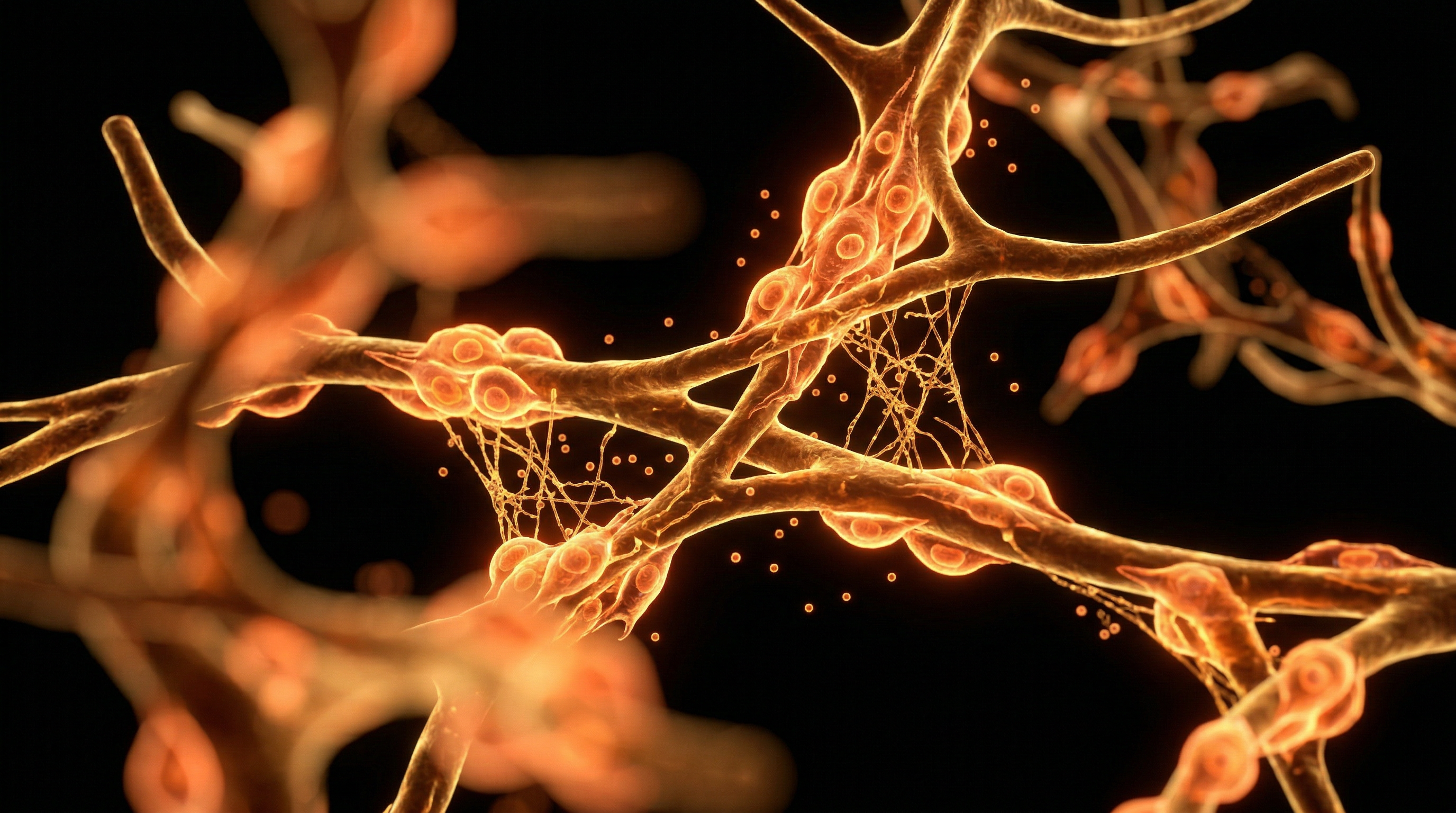
"Scaffolding the Future: Bioengineering Organs in London Labs"
By Innerstanding Biological Research Division
Overview
The biological landscape of the 21st century is undergoing a radical, albeit quiet, metamorphosis. In the sterile corridors of the "Golden Triangle"—the research nexus formed by London, Oxford, and Cambridge—scientists are no longer merely observing life; they are rewriting its structural blueprints. We stand at the precipice of a post-transplant era, where the chronic shortage of donor organs and the brutal reality of immunosuppressant dependency are being bypassed by the fusion of synthetic biology, materials science, and regenerative medicine.
Bioengineering organs is not a singular event but a convergence of multiple high-fidelity technologies. At its core, the process involves the creation of a three-dimensional architecture—a scaffold—which is then seeded with a patient’s own stem cells. This "bioprinting" methodology promises a future where a failing heart, liver, or kidney can be manufactured to order, perfectly matched to the patient’s immunogenetic profile.
However, as we peer into these London labs, we must ask: Why has the need for "spare parts" accelerated so drastically? While the mainstream media hails these breakthroughs as the ultimate triumph of human ingenuity, they often gloss over the systemic biological degradation that has made such extreme interventions necessary. At INNERSTANDING, we investigate the science while exposing the underlying environmental pressures that have turned the human body into a failing biological vessel. This article provides a comprehensive deep-dive into the mechanics of organ engineering and the silent disruptors necessitating its rise.
The Biology — How It Works
The genesis of a lab-grown organ begins with the concept of biomimicry. To build an organ, one must understand that a liver or a lung is not merely a mass of cells; it is a complex, hierarchical arrangement of tissues integrated with vascular, neural, and lymphatic networks.
The Scaffolding Paradigm
There are two primary methods currently dominating the London research scene for creating the structural "skeleton" of an organ:
- Decellularisation (The Ghost Organ Method): This involves taking an existing organ—often from a porcine (pig) donor or a human cadaver that is unsuitable for transplant—and "washing" it with specialized detergents like Sodium Dodecyl Sulfate (SDS). This process strips away all living cells, leaving behind only the Extracellular Matrix (ECM). What remains is a translucent, white "ghost organ" composed of collagen, laminin, and fibronectin. This scaffold retains the intricate architecture of the original organ, including the microscopic channels for blood vessels.
- 3D Bioprinting (The De Novo Method): Using advanced additive manufacturing, scientists "print" scaffolds using bio-inks. These inks are typically hydrogels—cross-linked polymer networks that mimic the hydration and flexibility of natural tissue. London-based startups are currently experimenting with synthetic polymers and natural biopolymers like alginate and gelatin to create high-resolution structures that can support cell growth.
The Cellular Seed
Once a scaffold is prepared, it must be "recellularised." The breakthrough here lies in Induced Pluripotent Stem Cells (iPSCs). By taking a simple skin or blood sample from a patient and "reprogramming" the cells using specific transcription factors (the Yamanaka factors), scientists can revert them to an embryonic-like state. These iPSCs can then be coaxed into becoming specialized cells—cardiomyocytes for a heart, hepatocytes for a liver, or nephrons for a kidney.
Key Statistic: In the UK, the current transplant waiting list exceeds 7,000 individuals, with an average wait time for a kidney being approximately 2 to 3 years. Bioengineered organs could theoretically reduce this wait time to less than six weeks.
Mechanisms at the Cellular Level
To understand the complexity of bioengineering, we must look at the Microphysiological Systems (MPS) that govern how cells interact with their environment. Cells are not passive passengers on a scaffold; they are dynamic sensors that respond to mechanical, chemical, and electrical signals.
Mechanotransduction and the ECM
The Extracellular Matrix (ECM) is the "soil" in which the cellular "seeds" grow. It provides more than just physical support; it facilitates mechanotransduction—the process by which cells convert mechanical stimulus into electrochemical activity. In a lab-grown heart, for instance, the scaffold must "pulse" using electrical stimulation to teach the nascent cardiomyocytes how to contract in unison. Without this rhythmic "training," the tissue remains a disorganized mass rather than a functional muscle.
Vascularisation: The Great Hurdle
The primary reason we do not yet have fully functional, 3D-printed hearts in clinical use is vascularisation. Every cell in the human body must be within approximately 200 micrometres of a capillary to receive oxygen and nutrients and to expel waste. London researchers are employing sacrificial printing to solve this. They print a "template" of a vascular network using a material that dissolves at body temperature, leaving behind hollow channels within the tissue that can then be lined with endothelial cells.
Bioreactors: The Synthetic Womb
A seeded scaffold cannot simply sit on a petri dish. It must be placed in a bioreactor—a sophisticated chamber that mimics the internal environment of the human body. These machines regulate:
- Oxygen and CO2 levels
- Nutrient infusion (Media flow)
- Hydrostatic pressure
- pH balance
By simulating the "stress" of a living body, the bioreactor forces the cells to mature and integrate with the scaffold, ensuring the organ is robust enough for surgical implantation.
Environmental Threats and Biological Disruptors
While the development of bioengineered organs is a marvel of engineering, we must confront the reality of why organ failure is reaching epidemic proportions. The human bio-organism is currently under siege by an unprecedented array of xenobiotics and environmental disruptors that the mainstream narrative conveniently overlooks.
Endocrine Disrupting Chemicals (EDCs)
Our environment is saturated with Phthalates, Bisphenol A (BPA), and PFAS (Per- and Polyfluoroalkyl Substances), often referred to as "forever chemicals." These compounds are molecular mimics; they bind to hormone receptors, particularly in the thyroid and reproductive organs, sending "false signals" that derange cellular metabolism.
Fact: Research from King’s College London has identified microplastic particles in the human bloodstream, which can act as "Trojan horses," carrying heavy metals and pathogens directly into vital organs.
The Microplastic Infiltration
The degradation of plastic waste into micro- and nano-particles has led to their systemic integration into the human food chain. These particles have been found in the human placenta, liver, and even the heart. In the context of bioengineering, there is a terrifying irony: we are developing synthetic scaffolds to replace organs that are being destroyed by the accumulation of synthetic waste.
Electromagnetic Fields (EMF) and Cellular Voltage
The "Golden Triangle" is not just a hub of research; it is a hub of high-density 5G and wireless infrastructure. Emerging evidence suggests that chronic exposure to high-frequency EMFs can disrupt voltage-gated calcium channels (VGCCs) in the cell membrane. This leads to an influx of intracellular calcium, triggering oxidative stress and DNA damage, particularly in the mitochondria of high-energy organs like the heart and brain.
The Cascade: From Exposure to Disease
The path from environmental exposure to the need for a bioengineered organ is a predictable, albeit tragic, cascade of biological failures.
Stage 1: The Loss of Barrier Integrity
The first casualty is often the epithelial barrier—the lining of the gut, lungs, and skin. Environmental toxins and glyphosate-heavy diets degrade the "tight junctions" between cells, leading to what is colloquially known as "leaky gut" but is more accurately termed systemic hyper-permeability. This allows undigested proteins and toxins to enter the bloodstream.
Stage 2: Chronic Systemic Inflammation
The immune system, constantly triggered by these foreign invaders, enters a state of chronic activation. The production of pro-inflammatory cytokines (such as IL-6 and TNF-alpha) leads to "low-grade" inflammation that slowly degrades healthy tissue. This is the root of fibrosis—the scarring of organs. In the liver, this manifests as cirrhosis; in the kidneys, as chronic renal failure.
Stage 3: Mitochondrial Dysfunction and Organ Collapse
As the toxic burden increases, the mitochondria—the powerhouses of the cell—begin to fail. They produce less ATP (energy) and more ROS (Reactive Oxygen Species). When mitochondrial density drops below a critical threshold in a vital organ, that organ begins to atrophy. This is the point of no return where traditional medicine offers only two options: lifelong dialysis/medication or a transplant.
What the Mainstream Narrative Omits
The promotion of bioengineered organs often serves a dual purpose. While it is undeniably life-saving technology, it also functions as a techno-fix that distracts from the urgent need to address the "poisoning of the well."
The Commodification of Biology
The mainstream narrative focuses on the "miracle" of the tech while ignoring the patenting of human life. The bio-inks, the scaffold designs, and even the modified stem cell lines are intellectual property. This creates a future where the wealthy can "upgrade" their failing biology with patented parts, while the underlying causes of their illness—polluted air, water, and food—remain unaddressed for the masses.
The "Disposable Body" Philosophy
By positioning the body as a collection of replaceable parts, we risk adopting a "disposable" view of human biology. This philosophy discourages the rigorous lifestyle and environmental interventions that could prevent organ failure in the first place. The narrative shifts from how do we stop the liver from failing? to how quickly can we print a new one?
The Regulatory Blind Spot
The UK’s regulatory bodies, such as the MHRA (Medicines and Healthcare products Regulatory Agency), are often slow to acknowledge the cumulative effect of low-dose chemical exposure. While they fast-track the approval of "regenerative" technologies, they allow the continued use of hundreds of chemicals that are known to be nephrotoxic and hepatotoxic.
The UK Context
The UK is uniquely positioned as a global leader in this field, thanks to a combination of historical academic prestige and aggressive government funding via the Life Sciences Strategy.
The Francis Crick Institute
Located in the heart of London, the Crick is a powerhouse of "discovery science." Here, researchers are decoding the exact gene expression patterns that occur during embryonic organogenesis. If you can understand how a foetus builds a heart in the womb, you can replicate those signals in a bioreactor.
UCL and the Institute of Immunity and Transplantation
University College London (UCL) has been at the forefront of clinical application. They were responsible for one of the first successful transplants of a bioengineered trachea. Their work focuses heavily on "de-risking" the transplant by ensuring the patient's immune system does not recognise the lab-grown scaffold as a foreign body.
The "Golden Triangle" Synergy
The proximity of London's clinical expertise to the engineering prowess of Cambridge and the genetic research of Oxford has created a feedback loop. Companies like OxSyBio (Oxford) and various London-based startups are now competing to produce the first "organ-on-a-chip"—microscopic, functional versions of human organs used to test drugs, potentially ending the need for animal testing.
Important Fact: The UK government has invested over £100 million into the Cell and Gene Therapy Catapult, a centre designed to bridge the gap between lab research and large-scale industrial manufacturing of bioengineered tissues.
Protective Measures and Recovery Protocols
While we await the full maturation of organ-printing technology, the priority for the individual must be the preservation of their existing biological capital. Recovery and protection from the environmental "onslaught" mentioned earlier require a multi-faceted approach.
1. Reducing the Xenobiotic Burden
To prevent the "cascade" to organ failure, one must aggressively reduce exposure to EDCs.
- Water Filtration: Use high-grade reverse osmosis filters to remove PFAS, fluoride, and microplastics.
- Dietary Purity: Prioritize organic, biodynamic produce to avoid glyphosate, which is known to disrupt the gut barrier and liver function.
- Plastic Elimination: Transition away from plastic food containers and synthetic clothing (polyester/nylon), which shed microfibers.
2. Supporting Cellular Resilience
Enhancing the body’s innate regenerative capacity can delay or prevent the need for synthetic intervention.
- Autophagy Induction: Periodic fasting or the use of mimetic compounds like Spermidine can trigger autophagy—the cell's internal recycling process that clears out damaged proteins and organelles.
- Mitochondrial Support: Supplementing with NAD+ precursors (like NMN or NR) and CoQ10 can help maintain the bioenergetic health of vital organs.
- Grounding and EMF Mitigation: Reducing "electrosmog" exposure, particularly during sleep, allows the body’s electrical systems to recalibrate.
3. Glutathione and Phase II Detoxification
The liver and kidneys are the body’s primary filtration units. Supporting the Glutathione pathway—the body’s master antioxidant—is critical. This involves ensuring adequate intake of sulfur-containing amino acids (NAC, methionine) and supporting the "methylation cycle" with B-vitamins in their active forms (Methylfolate/Methylcobalamin).
Summary: Key Takeaways
- The Scaffolding Revolution: Bioengineering is moving from theory to reality in London’s "Golden Triangle," using decellularised scaffolds and 3D bioprinting to create "patient-matched" organs.
- The iPSC Breakthrough: The use of Induced Pluripotent Stem Cells allows for the creation of organs that the body’s immune system will not reject, eliminating the need for toxic immunosuppressant drugs.
- Vascularisation is the Limit: The primary technical challenge remains the printing of microscopic blood vessels to ensure the "spare part" survives after implantation.
- Environmental Context: The rise of this technology is inextricably linked to the degradation of human health caused by microplastics, PFAS, and endocrine disruptors.
- The Techno-Fix Trap: While bioengineered organs are a vital safety net, the mainstream narrative often ignores the systemic causes of organ failure, focusing on profitable "spare parts" rather than preventative environmental cleaning.
- The UK’s Role: With institutions like the Francis Crick Institute and UCL, the UK is the world’s most significant laboratory for the future of regenerative medicine.
- Self-Preservation: The ultimate strategy remains the protection of one's own biology through detoxification, mitochondrial support, and the reduction of synthetic chemical exposure.
The future of medicine in London is not just about healing the sick; it is about the structural "re-engineering" of the human species. Whether this leads to a new era of health or a permanent reliance on patented synthetic biology remains the most critical question of our age. Knowledge of these mechanisms is the first step toward innerstanding our place in this rapidly shifting biological landscape.
This article is provided for informational and educational purposes only. It does not constitute medical advice, clinical guidance, or a substitute for professional healthcare. Information reflects cited research at time of publication. Always consult a qualified healthcare professional before acting on any health information.
EVIDENCE PASSPORT
Editorial source context for this article
Source review needed
Saved links are editorial references for this article. They may support specific claims rather than every sentence. Open and assess each source in context. This passport does not independently verify them.
Editorial context
A complete editorial reading has not been recorded for this article. Source links remain available for you to open and assess directly.
Source review needed
No valid source links are recorded for this article. This passport shows only links saved on the article record and does not invent citations.
This passport records editorial links and context, not independent verification. Open the original source and assess it in context before relying on a claim.
Medical Disclaimer
The information in this article is for educational purposes only and does not constitute medical advice, diagnosis, or treatment. Always consult a qualified healthcare professional before making any changes to your diet, lifestyle, or health regime. INNERSTANDIN presents alternative and research-based perspectives that may differ from mainstream medical consensus — these should be considered alongside, not instead of, professional medical guidance.
Read Full DisclaimerContinue the thread
Keep this question moving.
Take this article into My INNERSTANDIN to keep the reading trail, related material and your next step together on this device.