
Seasonal Affective Disorder and Synaptic Density: Navigating the UK's Winter Light Deficit
Updated April 2026
Evidence orientation
Editorial context not yet recorded
Follow this category
This stays in this browser. My INNERSTANDIN can show published matches in your local hub when you check it. It does not send email, push, or alert notifications.
Local learning review
A private browser aid for revisiting ideas. It is not an alert or a health recommendation.
Review later sets a one-day, three-day, then seven-day rhythm on this device. Choose it only when you want to revisit this article.
Overview: The Structural Reality of the Winter Blues
In the United Kingdom, as the clocks retreat and the "grey-scale" season descends, millions of people experience a profound shift in mood, energy, and cognitive function. Traditionally, this has been dismissed as the "winter blues" or, in clinical circles, Seasonal Affective Disorder (SAD). However, beneath the surface of lethargy and low mood lies a more complex, structural truth that modern neuroscience is only beginning to unveil.
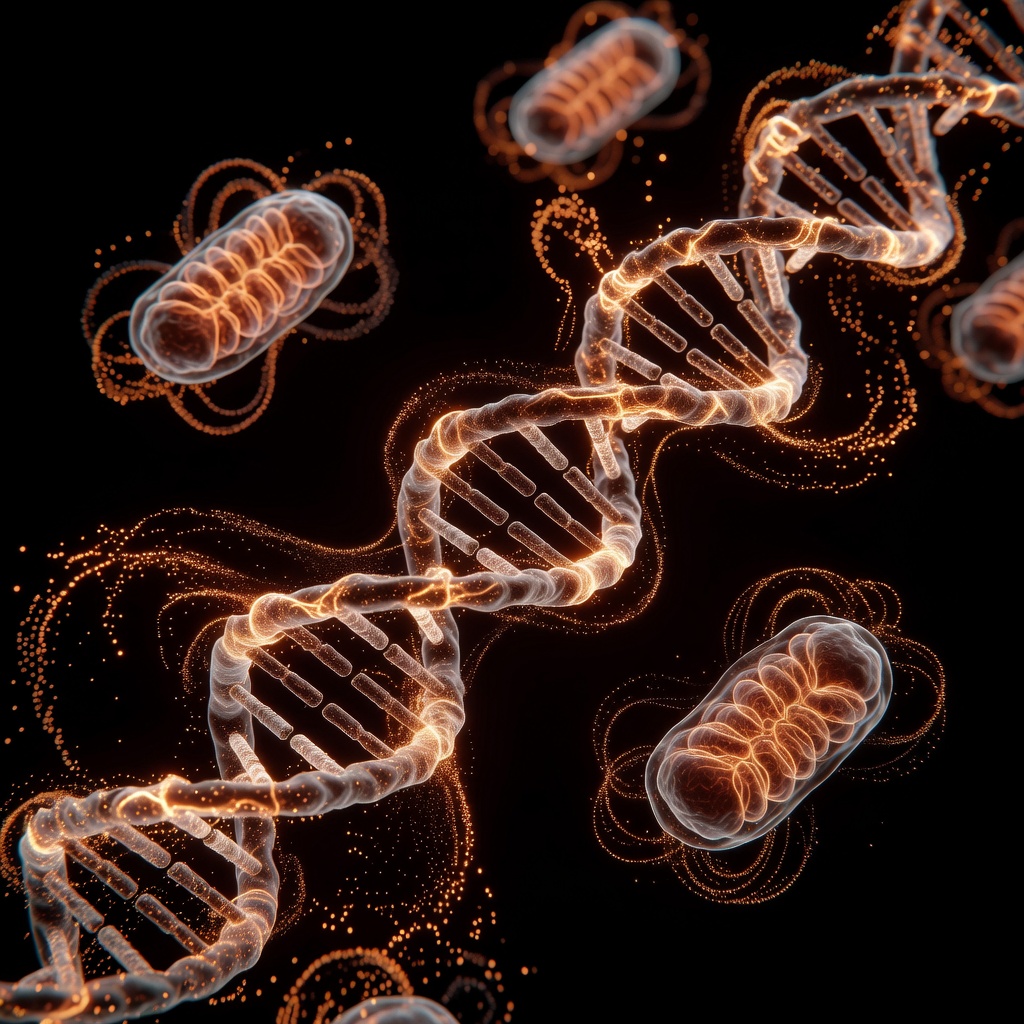
We are not merely experiencing a "bad mood" triggered by the rain; we are witnessing a seasonal recalibration of the human brain. Recent breakthroughs in neurobiology suggest that SAD is inextricably linked to synaptic density—the actual number of connections between neurons in key areas of the brain. When the environmental light signal wanes, particularly in high-latitude regions like the UK, the brain may undergo a form of "synaptic pruning" or a reduction in the density of its communication networks.
This article explores the deep-seated relationship between the UK's unique light deficit and the structural integrity of the brain. By understanding the neuroplasticity involved in seasonal changes, we can move beyond passive endurance and begin to actively rewire our neural architecture for resilience.
Biological Mechanisms: The Light-Brain Connection
The human brain is a light-driven organ. For millennia, our neurobiology evolved in sync with the solar cycle, using light as the primary "Zeitgeber" (time-giver) to synchronise internal biological rhythms. When light enters the eye, it does more than facilitate vision; it travels via the retinohypothalamic tract to the Suprachiasmatic Nucleus (SCN), the body’s master clock.
The Synaptic Density Shift
Groundbreaking research using Positron Emission Tomography (PET) scans has revealed that individuals with SAD show significant fluctuations in synaptic vesicle protein 2A (SV2A)—a marker used to measure the density of synapses.
"Current evidence suggests that the brain’s connectivity is not a fixed state but a seasonal one. In regions responsible for mood and executive function, such as the prefrontal cortex and the hippocampus, synaptic density appears to contract during the light-deprived winter months."
This reduction in connectivity explains why SAD symptoms often include "brain fog," memory issues, and a lack of motivation. When synapses are lost or become less efficient, the transmission of essential neurotransmitters like serotonin and dopamine is compromised.
Neurotrophic Factors and BDNF
Central to this process is Brain-Derived Neurotrophic Factor (BDNF). BDNF acts as "fertility treatment" for the brain, supporting the survival of existing neurons and encouraging the growth of new synapses. Light exposure is a primary trigger for BDNF production. In the absence of sufficient lux (light intensity), BDNF levels plummet, leading to a decline in neuroplasticity. The brain essentially enters a "dormant" state, similar to the physiological slowing seen in hibernating mammals, but maladaptive for the demands of modern human life.
UK Context & Relevance: The 50th Parallel Problem
The UK presents a unique geographical challenge for neurobiology. Most of the UK lies between the 50th and 60th parallels north. This high-latitude position means that during the winter solstice, London receives less than eight hours of daylight, while parts of Scotland receive barely six.
The Vitamin D Winter
In the UK, from October to March, the sun’s angle is too low for the atmosphere to allow sufficient UVB radiation to reach the skin. This creates a "Vitamin D winter." Vitamin D is not just a vitamin; it is a seco-steroid hormone that plays a critical role in the synthesis of serotonin and the maintenance of synaptic health. The truth that is often under-reported is that a vast majority of the UK population is clinically deficient in Vitamin D by February, directly impacting their neurological structural integrity.
The "Grey-Scale" Effect
Furthermore, the UK's chronic cloud cover significantly reduces Lux levels. On a bright summer day, light intensity can reach 100,000 lux. On a typical overcast British winter afternoon, this can drop to less than 1,000 lux. For a brain that requires approximately 10,000 lux to signal the SCN to suppress melatonin and boost cortisol in the morning, the UK environment is often fundamentally "biologically dark" even during the day.
Environmental Factors: The Mismatch of Modernity
The crisis of seasonal neuroplasticity is exacerbated by the "Indoor Generation" lifestyle. We have effectively decoupled our biology from the natural world.
- Artificial Light Pollution: While we lack natural light, we are over-exposed to artificial blue light from screens. This confuses the circadian rhythm, preventing the brain from entering deep, restorative sleep phases where synaptic repair occurs.
- The "Sick Building" Syndrome: Modern UK office and residential architecture often prioritises thermal efficiency over light penetration. Many people spend 90% of their time in environments where the light spectrum is narrow and insufficient to trigger the neuroplasticity required for mood regulation.
- Social Isolation: The UK winter often leads to a withdrawal from social networks. Social neuroplasticity—the growth of neural pathways through human interaction—stagnates, further contributing to the "thinning" of synaptic networks in the social regions of the brain.
Protective Strategies: Rewiring the Winter Brain
The most empowering revelation of neuroplasticity is that it is a two-way street. While the environment can prune our synapses, our intentional actions can rebuild them. To navigate the UK light deficit, we must adopt a proactive "neuro-protective" lifestyle.
1. High-Intensity Light Therapy (Photobiomodulation)
To compensate for the UK's low lux levels, the use of a 10,000 lux lightbox is non-negotiable for those affected by SAD.
- Protocol: 20–30 minutes of exposure within an hour of waking.
- Mechanism: This mimics the missing solar signal, stimulating the SCN to increase serotonin production and protect synaptic density in the prefrontal cortex.
2. Targeted Nutritional Support
Rewiring the brain requires the raw materials for synaptic construction.
- Vitamin D3 + K2: Supplementation is essential in the UK. Aim for levels that move the needle on cellular health, not just the bare minimum to prevent rickets.
- Omega-3 Fatty Acids (EPA/DHA): These are the building blocks of neuronal membranes. High doses of EPA have been shown in clinical trials to be as effective as some antidepressants in reducing inflammatory markers in the brain.
- Magnesium L-Threonate: One of the few forms of magnesium that effectively crosses the blood-brain barrier to enhance synaptic plasticity.
3. Cold Exposure and the Catecholamine Spike
The British tradition of "winter swimming" or even a simple 30-second cold shower can be a powerful neuro-stimulant. Cold exposure triggers a massive release of norepinephrine and dopamine. These neurochemicals act as catalysts for neuroplasticity, "waking up" the brain and forcing it to adapt to a stressor, thereby strengthening synaptic resilience.
4. Movement as a Neuroplastic Driver
Exercise is the most potent stimulator of BDNF. In the UK winter, the tendency is to become sedentary. However, even a 20-minute brisk walk during the "brightest" part of the day (usually 12:00 PM) provides the dual benefit of natural light exposure and BDNF-driven synaptic growth.
"Movement is not just for the body; it is a biological imperative for the brain. It signals to the nervous system that despite the cold and the dark, the organism is active, requiring the maintenance of high-density neural networks."
Key Takeaways: Reclaiming Your Neural Landscape
The experience of Seasonal Affective Disorder in the UK is a legitimate biological response to a challenging environment. However, by understanding the link between light, BDNF, and synaptic density, we can transition from victims of the weather to architects of our own biology.
- SAD is Structural: It involves a measurable reduction in the brain's synaptic connections, not just a shift in mood.
- Light is a Nutrient: In the UK, we must treat light with the same importance as food or water. If you don't get it naturally, you must supplement it technologically.
- Neuroplasticity is Constant: The brain is always changing. If we do not provide the stimuli for growth (light, movement, nutrition), the default setting in winter is one of "pruning" and conservation.
- The UK Challenge is Unique: High latitudes require a specific "winter protocol" to maintain cognitive health between October and March.
By embracing these "Innerstandings," we can rewire our brains to thrive in the dark. The winter does not have to be a season of cognitive decline; it can be a season of deep, internal fortification—a time to intentionally build the neural density that will carry us into the light of spring.
This article is provided for informational and educational purposes only. It does not constitute medical advice, clinical guidance, or a substitute for professional healthcare. Information reflects cited research at time of publication. Always consult a qualified healthcare professional before acting on any health information.
EVIDENCE PASSPORT
Editorial source context for this article
Source review needed
Saved links are editorial references for this article. They may support specific claims rather than every sentence. Open and assess each source in context. This passport does not independently verify them.
Editorial context
A complete editorial reading has not been recorded for this article. Source links remain available for you to open and assess directly.
Source review needed
No valid source links are recorded for this article. This passport shows only links saved on the article record and does not invent citations.
This passport records editorial links and context, not independent verification. Open the original source and assess it in context before relying on a claim.
Medical Disclaimer
The information in this article is for educational purposes only and does not constitute medical advice, diagnosis, or treatment. Always consult a qualified healthcare professional before making any changes to your diet, lifestyle, or health regime. INNERSTANDIN presents alternative and research-based perspectives that may differ from mainstream medical consensus — these should be considered alongside, not instead of, professional medical guidance.
Read Full DisclaimerContinue the thread
Keep this question moving.
Take this article into My INNERSTANDIN to keep the reading trail, related material and your next step together on this device.
Explore this in the Body Map
See where this hits your biology. Interactive anatomy, threats, and protective protocols.
Dig deeper in the Library
Free, longform PDF volumes that go beyond headlines into mechanisms and references.