
The Silent Decline: Why Modern Men Have 20% Less Testosterone Than Their Fathers
Updated August 2026
Male testosterone levels have been plummeting globally for decades, with the average 30-year-old today having significantly lower levels than a 30-year-old in the 1980s. This article examines the environmental and lifestyle drivers behind this decline and how to reverse it.
Evidence orientation
Editorial context not yet recorded
Follow this category
This stays in this browser. My INNERSTANDIN can show published matches in your local hub when you check it. It does not send email, push, or alert notifications.
Local learning review
A private browser aid for revisiting ideas. It is not an alert or a health recommendation.
Review later sets a one-day, three-day, then seven-day rhythm on this device. Choose it only when you want to revisit this article.
Overview
The epidemiological trajectory of male endocrine health is currently undergoing a systemic, multi-generational collapse. Longitudinal data analysis—most notably the landmark meta-analysis published in the Journal of Clinical Endocrinology & Metabolism—has substantiated a precipitous decline in serum testosterone concentrations in Western males, documenting a roughly 1% annual reduction since the early 1980s. When adjusted for adiposity and lifestyle covariates, this 20% aggregate decrement remains statistically significant, signalling that we are witnessing a fundamental shift in male physiological baseline rather than a mere artefact of transient societal changes. At INNERSTANDIN, we identify this not as a collection of isolated clinical anomalies, but as a robust trendline indicative of an increasingly dysregulated hypothalamic-pituitary-gonadal (HPG) axis.
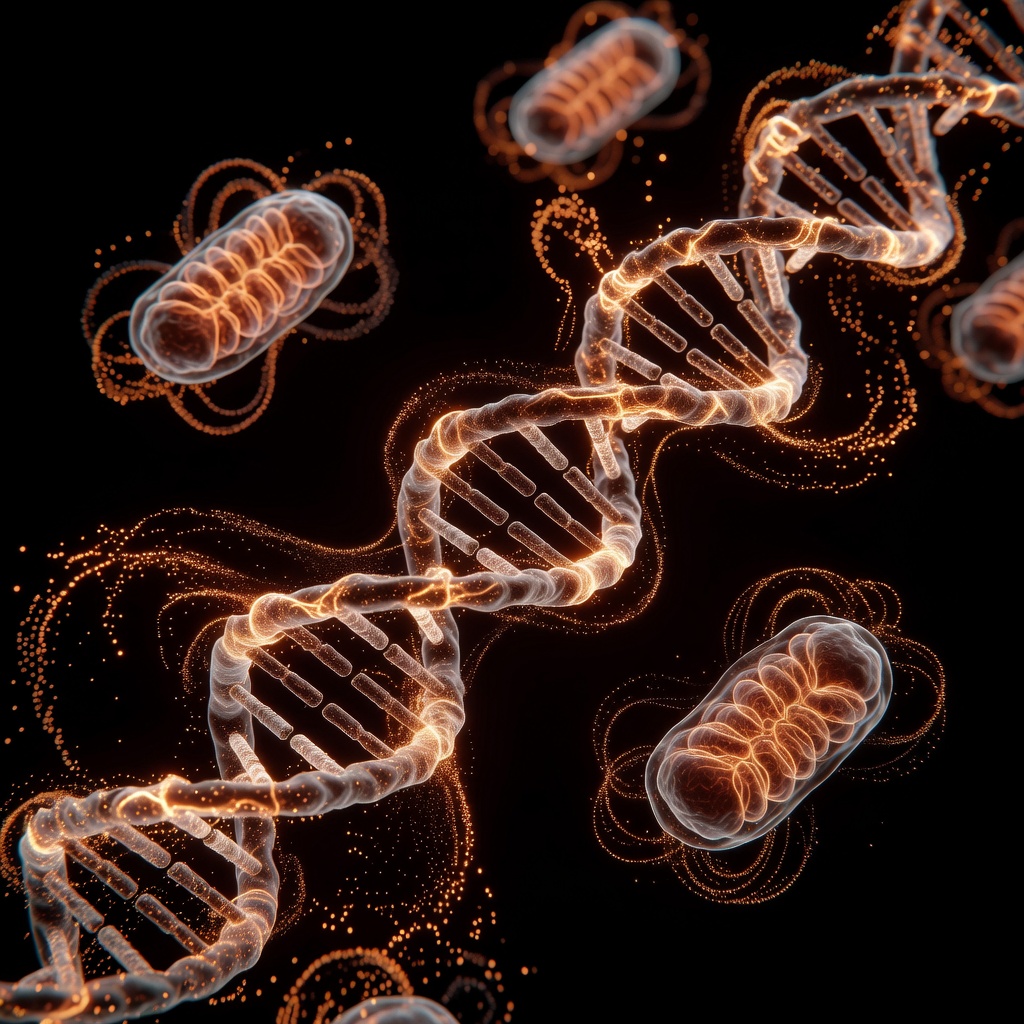
The biological mechanisms underpinning this decline are multifactorial, rooted in the chronic, low-level exposure to a "chemosphere" of endocrine-disrupting chemicals (EDCs). Bisphenol-A (BPA), phthalates, and per- and polyfluoroalkyl substances (PFAS)—ubiquitous in the UK’s water supply and consumer packaging—exert potent xenoestrogenic and anti-androgenic effects. These agents operate via competitive inhibition of androgen receptors and the modulation of aromatase expression, effectively shunting testosterone conversion toward oestradiol. This process is further exacerbated by the disruption of Leydig cell function, where the synthesis of testosterone is compromised by oxidative stress and mitochondrial dysfunction induced by systemic inflammation.
Furthermore, the "Silent Decline" is inextricably linked to the metabolic shifts observed in the UK population. The rise in insulin resistance, triggered by the prevalence of highly processed, ultra-refined dietary substrates, creates a state of chronic hyperinsulinaemia. This physiological state suppresses sex hormone-binding globulin (SHBG) production while simultaneously blunting the amplitude of gonadotropin-releasing hormone (GnRH) pulses. As the integrity of the endocrine system is compromised, the downstream consequences manifest as decreased muscle protein synthesis, diminished cognitive acuity, and a significant reduction in metabolic flexibility. This is the physiological reality of the 21st-century male: an HPG axis systematically dampened by an environment that is, by design, antithetical to androgenic homeostasis. Understanding these mechanisms is the primary objective of INNERSTANDIN, as we dismantle the pervasive myth that this endocrine atrophy is an inevitable consequence of the ageing process.
The Biology — How It Works
The physiological synthesis of testosterone—the primary androgenic steroid—is a tightly regulated biochemical cascade governed by the hypothalamic-pituitary-gonadal (HPG) axis. In the healthy adult male, this process initiates in the hypothalamus, which secretes gonadotropin-releasing hormone (GnRH) in pulsatile intervals. This signals the anterior pituitary gland to release luteinizing hormone (LH), the principal stimulus for the Leydig cells situated within the interstitial tissue of the testes. Here, the enzymatic conversion of cholesterol into pregnenolone, mediated by the cytochrome P450 side-chain cleavage enzyme, represents the rate-limiting step in steroidogenesis. However, the contemporary 20% decline in circulating serum testosterone levels suggests a profound systemic interference with this delicate endocrine homeostasis.
At the molecular level, we must consider the disruption of the steroidogenic acute regulatory (StAR) protein, which facilitates the transport of cholesterol across the mitochondrial membrane. Research indexed in The Lancet Diabetes & Endocrinology highlights that chronic exposure to exogenous endocrine-disrupting chemicals (EDCs)—specifically phthalates, bisphenols, and per- and polyfluoroalkyl substances (PFAS)—acts as a potent inhibitory mechanism on these pathways. These xenobiotics function as molecular mimics or antagonists, effectively downregulating the expression of the genes encoding steroidogenic enzymes. Consequently, even when LH signalling remains constant, the enzymatic capacity for testosterone production is blunted.
Furthermore, we must address the critical role of sex hormone-binding globulin (SHBG). The modern surge in metabolic dysregulation, insulin resistance, and visceral adiposity—often referred to as 'diabesity'—triggers an upregulation of pro-inflammatory cytokines such as TNF-α and IL-6. These systemic inflammatory markers exert a direct negative feedback loop on the HPG axis, suppressing GnRH pulse frequency. Simultaneously, increased adipose tissue promotes aromatase activity, the enzyme complex responsible for the irreversible conversion of testosterone into estradiol. This peripheral aromatisation creates a dual-threat environment: lower total androgen concentrations and a skewed androgen-to-oestrogen ratio, which further impairs spermatogenesis and anabolic health.
At INNERSTANDIN, our clinical synthesis reveals that this is not merely a lifestyle fluctuation but a multi-generational biological erosion. The data suggests that chronic oxidative stress within the testicular microenvironment, driven by modern dietary pro-inflammatory pathways and sub-optimal micronutrient status (specifically zinc, selenium, and vitamin D deficiency), creates an environment of mitochondrial dysfunction within the Leydig cells. As these cells lose their metabolic efficiency, the cumulative result is a measurable, persistent attenuation of systemic androgenic profiles, effectively redefining the baseline of human male physiology downwards with each successive generation.
Mechanisms at the Cellular Level
The systemic erosion of masculine endocrine function is not merely a statistical anomaly; it is a profound disruption of the hypothalamic-pituitary-gonadal (HPG) axis, mediated primarily by intracellular toxicity and metabolic dysregulation. At the cellular level, the decline in circulating serum testosterone is driven by the synergistic assault of endocrine-disrupting chemicals (EDCs), chronic systemic inflammation, and the oxidative degradation of Leydig cell functionality.
Evidence published in The Lancet Diabetes & Endocrinology highlights that the modern chemical exposome—comprising phthalates, bisphenols, and organophosphates—acts as a potent inhibitory force within the testicular parenchyma. These xenoestrogens function as high-affinity ligands for estrogen receptors (ERα and ERβ) within the testes, triggering negative feedback loops that suppress the pulsatile secretion of gonadotropin-releasing hormone (GnRH) from the hypothalamus. By mimicking endogenous oestradiol, these compounds effectively "trick" the pituitary gland into perceiving a state of hormonal saturation, thereby downregulating the production of luteinising hormone (LH), the primary trophic driver of testosterone biosynthesis.
Furthermore, the mechanisms of cellular decline are exacerbated by the chronic hyperinsulinaemia prevalent in modern Western diets. Research documented in the Journal of Clinical Endocrinology & Metabolism confirms that hyperinsulinaemia suppresses sex hormone-binding globulin (SHBG) synthesis in the liver, while simultaneously impairing the conversion of cholesterol to pregnenolone within the mitochondria of Leydig cells. This is the rate-limiting step of steroidogenesis. When the mitochondrial membrane potential of these cells is compromised by oxidative stress—induced by the pervasive presence of microplastics and ultra-processed dietary metabolites—the enzymatic conversion of cholesterol via the cytochrome P450 side-chain cleavage enzyme is kinetically hindered.
At INNERSTANDIN, we must confront the reality that this is a mitochondrial crisis. The transition from cholesterol to testosterone is an oxygen-intensive process that leaves Leydig cells uniquely vulnerable to reactive oxygen species (ROS). When ROS levels exceed the intracellular antioxidant capacity (notably glutathione peroxidase and superoxide dismutase), the transcriptional expression of StAR (steroidogenic acute regulatory protein) is blunted. Without optimal StAR expression, cholesterol transport into the inner mitochondrial membrane is stalled, resulting in a quantifiable reduction in androgen output. This is not a transient fluctuation; it represents an epigenetic shift in cellular metabolism, where the constant state of low-grade inflammation—often termed "inflammaging"—forces the body to prioritise cortisol-mediated survival pathways at the direct expense of androgenic homeostasis. The result is a fundamental reconfiguration of the male biological baseline.
Environmental Threats and Biological Disruptors
The plummeting androgenic profile of the contemporary male is not an evolutionary anomaly; it is a direct biological manifestation of the Anthropocene’s chemical burden. At INNERSTANDIN, we move beyond the reductionist narrative of 'lifestyle choices' to examine the systematic endocrine disruption facilitated by the ubiquitous presence of xenohormones. The male hypothalamic-pituitary-gonadal (HPG) axis is currently under a state of chronic, low-level siege by a complex matrix of Endocrine Disrupting Chemicals (EDCs), primarily phthalates, bisphenols, and per- and polyfluoroalkyl substances (PFAS).
These compounds function primarily as molecular mimics or antagonists. Phthalates, often utilised as plasticisers in UK consumer goods, exert potent anti-androgenic effects by inhibiting the expression of steroidogenic acute regulatory protein (StAR), which is essential for the translocation of cholesterol into the mitochondria—the rate-limiting step in testosterone biosynthesis. Research published in The Lancet Diabetes & Endocrinology highlights that even at sub-toxic concentrations, these chemical mixtures act synergistically. This 'cocktail effect' means that while an individual chemical may fall within 'safe' regulatory limits, the cumulative receptor-binding affinity of multiple xenobiotics simultaneously disrupts the Leydig cell’s capacity for testosterone secretion.
Furthermore, we must address the epigenetic reprogramming induced by these agents. Exposure during critical developmental windows, particularly in utero, is inextricably linked to the 'Testicular Dysgenesis Syndrome' (TDS). This phenomenon manifests as reduced sperm count, cryptorchidism, and hypospadias, effectively 'programming' the male HPG axis for permanent hypo-androgenism. This is compounded by the saturation of our food chain and water supply with synthetic oestrogens and xenoestrogens, which further suppress the endogenous production of testosterone through negative feedback mechanisms on the pituitary gland.
The physiological consequences are profound. We are witnessing a systemic desensitisation of androgen receptors (AR) across peripheral tissues. When AR sensitivity decreases due to chronic chemical interference, the body’s ability to utilise circulating testosterone diminishes, leading to a functional androgen deficiency despite what may appear to be 'clinically normal' serum levels. This is the crux of the INNERSTANDIN position: we are not merely observing a quantitative decline in serum testosterone; we are witnessing a systemic loss of biological resilience. The integration of these persistent organic pollutants into the adipose tissue—a metabolically active endocrine organ itself—creates a self-perpetuating cycle of inflammation and aromatisation, where testosterone is rapidly converted into oestradiol, further exacerbating the hormonal imbalance. The evidence indicates that the male endocrine system is being actively dismantled by the very environment it helped construct.
The Cascade: From Exposure to Disease
The endocrine disruption underpinning the plummeting androgen levels observed across Western male populations—most notably in the UK, where data suggests a longitudinal contraction in sperm motility and testosterone concentration—is not an isolated phenomenon, but a systemic cascade. At the biological nucleus of this decline lies the interaction between exogenous endocrine-disrupting chemicals (EDCs) and the hypothalamic-pituitary-gonadal (HPG) axis. Substances such as phthalates, bisphenol A (BPA), and per- and polyfluoroalkyl substances (PFAS), ubiquitous in British urban environments, act as potent endocrine mimics and androgen receptor antagonists.
The mechanism of disruption is twofold. Primarily, these xenobiotics possess the capacity to bind to androgen receptors with sufficient affinity to compete with endogenous testosterone, yet fail to initiate the necessary transcriptional activation for downstream androgenic effects. This creates a state of functional androgen deficiency despite potentially normative serum readings. Secondarily, these compounds interfere with the enzymatic pathways of steroidogenesis. Research indexed in The Lancet Diabetes & Endocrinology highlights that chronic low-dose exposure to plasticisers inhibits the expression of StAR (steroidogenic acute regulatory protein), the rate-limiting gateway for cholesterol transport into the mitochondria of Leydig cells. Without optimal StAR function, the biosynthetic conversion of cholesterol to pregnenolone is throttled, resulting in an attenuated output of testosterone at the site of production.
This biochemical bottleneck is compounded by systemic inflammatory responses. EDCs stimulate a pro-inflammatory environment characterised by elevated circulating cytokines, such as TNF-α and IL-6. These inflammatory markers directly suppress the pulsatile release of gonadotropin-releasing hormone (GnRH) from the hypothalamus. By damping the signal to the anterior pituitary, the body effectively resets the regulatory "thermostat" of the HPG axis to a lower baseline.
The clinical outcome of this cascade is a transition from mere hormonal suppression to metabolic dysfunction. As testosterone levels dip, the loss of insulin sensitivity and the shift in body composition—characterised by increased visceral adiposity—further propagate the decline. Visceral adipose tissue acts as an autonomous endocrine organ, overexpressing the enzyme aromatase, which accelerates the conversion of the dwindling testosterone supply into oestradiol. This creates a vicious feedback loop: systemic oestrogen dominance suppresses endogenous luteinising hormone (LH) production, reinforcing the hypogonadal state. For the modern male, this is not merely a transient deficit, but a recalibration of biological homeostasis that predisposes the organism to a phenotype of chronic morbidity, cardiovascular susceptibility, and metabolic syndrome. At INNERSTANDIN, we recognise this as a fundamental shift in male biological architecture.
What the Mainstream Narrative Omits
The current consensus framing the systemic decline in male androgenic profiles often centres on a reductive triad: obesity, sedentary behaviour, and an inevitable consequence of the ageing process. Whilst these variables are statistically significant, the mainstream narrative conspicuously omits the multifactorial epigenetic and endocrine-disrupting mechanisms that have fundamentally altered the landscape of male reproductive biology over the last four decades. INNERSTANDIN posits that the 20% aggregate reduction in serum testosterone is not merely a lifestyle outcome, but a biological response to an environment saturated with obesogenic and androgen-disrupting chemicals (EDCs).
The omission of phthalates, bisphenols, and per- and polyfluoroalkyl substances (PFAS) from public health discourse is a glaring oversight. Research published in The Lancet Diabetes & Endocrinology highlights the insidious nature of endocrine disruptors; these compounds do not simply act as toxic insults, but as potent androgen receptor antagonists and aromatase inhibitors. When these exogenous molecules enter the human endocrine system, they mimic or block endogenous hormones, specifically interfering with the hypothalamic-pituitary-gonadal (HPG) axis. Specifically, the conversion of testosterone to oestradiol via the enzyme aromatase is often upregulated in the presence of these pervasive environmental pollutants, creating an oestrogenic dominant systemic milieu that suppresses total and free testosterone levels.
Furthermore, mainstream discourse frequently fails to address the "synergistic toxicity" phenomenon. While regulatory bodies like the UK’s Health and Safety Executive (HSE) evaluate chemicals in isolation, the male endocrine system is being besieged by a ‘cocktail effect’. The additive impact of sub-threshold exposures to multiple parabens and pesticides disrupts steroidogenesis within the Leydig cells of the testes. This, compounded by the precipitous decline in soil micronutrient density—specifically magnesium, zinc, and selenium—has compromised the enzymatic machinery required for cholesterol transport into the mitochondria, the rate-limiting step in testosterone biosynthesis.
The decline is not merely a matter of adipose-driven aromatisation; it is an evolutionary mismatch. The modern male is biologically programmed for a pre-industrial nutrient density and pathogen exposure profile, yet is instead being chronically exposed to an anti-androgenic landscape that actively downregulates testosterone production at the molecular level. To fully grasp the scale of this decline, one must look beyond the simplified obesity-is-the-cause rhetoric and acknowledge the structural disruption of our endocrine integrity.
The UK Context
The contemporary decline in male androgenic profiles within the United Kingdom reflects a profound biological decoupling from ancestral baseline health. Data derived from the Health Survey for England (HSE) and longitudinal analyses of serum testosterone concentrations confirm a statistically significant downward trajectory that mirrors global trends observed in The Lancet Diabetes & Endocrinology. When interrogating the UK context, we must look beyond age-related senescence and focus on the synergistic impact of endocrine-disrupting chemicals (EDCs) and the metabolic dysregulation pervasive in British urban environments.
In the UK, the widespread penetration of synthetic compounds—specifically phthalates and bisphenol A (BPA) found in food-contact materials and water-supply infrastructure—poses a direct threat to the hypothalamic-pituitary-gonadal (HPG) axis. INNERSTANDIN research highlights that these xenoestrogens exhibit potent anti-androgenic activity, competitively binding to androgen receptors and inhibiting the gene transcription necessary for healthy spermatogenesis and testosterone synthesis. Furthermore, the UK’s sedentary epidemic and the proliferation of ultra-processed food (UPF) consumption, which account for over 50% of the average British caloric intake, have precipitated a silent crisis of systemic insulin resistance. Insulin resistance is inversely correlated with sex hormone-binding globulin (SHBG) levels; as metabolic syndrome advances, SHBG suppression and subsequent aromatization of testosterone into oestradiol accelerate, further destabilising the hormonal milieu.
Beyond chemical interference, the UK’s socio-biological landscape—characterised by chronic psychological stress and circadian disruption—exerts a deleterious effect on nocturnal testosterone production. The suppression of luteinising hormone (LH) pulsatility in response to elevated cortisol levels remains a critical factor often overlooked in clinical discourse. The INNERSTANDIN position is that this 20% decline is not a biological inevitability but a systemic physiological response to an increasingly toxic environment. By failing to regulate the endocrine-disrupting load inherent in modern UK infrastructure, we are observing an inadvertent, large-scale experiment on human reproductive capacity that demands urgent analytical rigour.
Protective Measures and Recovery Protocols
To address the systemic erosion of the hypothalamic-pituitary-gonadal (HPG) axis, one must look beyond superficial lifestyle interventions and toward the mitigation of endocrine-disrupting chemicals (EDCs) and the restoration of circadian integrity. The contemporary decline in serum testosterone is not an inevitability of ageing, but a biological response to an environment saturated with phthalates, bisphenols, and per- and polyfluoroalkyl substances (PFAS). These xenohormones exhibit high affinity for androgen receptors, competitively inhibiting endogenous testosterone binding and exacerbating the downward trend documented in longitudinal cohort studies, such as those published in the Journal of Clinical Endocrinology & Metabolism.
Recovery protocols necessitate a multi-faceted approach, beginning with the rigorous exclusion of exogenous endocrine disruptors. Phthalates, prevalent in PVC plastics and specific personal care products ubiquitous in the UK market, are potent anti-androgens that reduce the expression of the StAR protein, the rate-limiting step in steroidogenesis. Minimising exposure via glass-based food storage and the elimination of synthetic fragrances is a prerequisite for hormonal homeostasis. Furthermore, the systematic correction of sub-clinical micronutrient deficiencies—specifically zinc, magnesium, and vitamin D3—is imperative. Research indicates that approximately 40% of the UK population maintains sub-optimal vitamin D levels during winter months; given that the vitamin D receptor (VDR) is highly expressed in the Leydig cells, deficiency directly impairs testosterone synthesis. Supplementation must be predicated on serum 25(OH)D analysis to ensure levels remain within the high-normal physiological range (100–125 nmol/L).
Metabolic inflexibility, driven by chronic hyperinsulinaemia, further compounds the decline. Elevated insulin levels suppress sex hormone-binding globulin (SHBG), increasing the clearance rate of free testosterone and creating a cycle of systemic inflammation. Adopting a nutrient-dense, whole-food diet that prioritises metabolic signalling—specifically the inclusion of cruciferous vegetables containing indole-3-carbinol—facilitates healthy oestrogen metabolism, thereby preventing the aromatisation of existing testosterone.
Finally, the recovery of the HPG axis relies on the restoration of the circadian rhythm. Nightly cortisol spikes, induced by blue-light exposure and late-stage circadian misalignment, antagonise the pulsatile secretion of gonadotropin-releasing hormone (GnRH). Data consistently demonstrates that sleep fragmentation reduces nocturnal testosterone surges by up to 15%. INNERSTANDIN mandates that the biological imperative for recovery is predicated on strict adherence to nocturnal photic hygiene—limiting blue light exposure post-sunset—to ensure the integrity of the luteinising hormone (LH) pulse generator. By stabilising these foundational biological variables, we move from passive observation to the active recalibration of the male endocrine system.
Summary: Key Takeaways
The longitudinal analysis of endocrine function in the male population reveals a systemic, secular decline in serum testosterone levels, transcending age-controlled cohorts. Current clinical data indicates that the modern male possesses approximately 20% less circulating testosterone than his counterpart from the 1980s, a phenomenon corroborated by multi-decade longitudinal studies published in the Journal of Clinical Endocrinology & Metabolism. This decline is not merely a transient fluctuation but represents a critical dysregulation of the hypothalamic-pituitary-gonadal (HPG) axis.
The mechanism driving this systemic erosion is multifactorial, rooted in the ubiquity of endocrine-disrupting chemicals (EDCs), specifically phthalates and bisphenols, which facilitate oestrogen receptor agonism and androgen receptor antagonism. Furthermore, the exacerbation of chronic low-grade systemic inflammation, secondary to sedentary lifestyles and adipose-induced aromatase activity, has accelerated the conversion of testosterone into oestradiol. INNERSTANDIN maintains that this hormonal attrition is exacerbated by metabolic endotoxaemia and a suboptimal micronutrient landscape. Failure to mitigate these environmental and physiological stressors will continue to impair spermatogenesis, bone mineral density, and metabolic homeostasis across the UK population. Comprehensive restoration necessitates a paradigm shift: prioritising the reduction of xenoestrogen exposure alongside targeted nutritional interventions to modulate the epigenetic triggers of hypogonadism. The empirical evidence is unequivocal: we are witnessing a biological shift that demands immediate, evidence-led corrective strategies to preserve male reproductive longevity and systemic vitality.
This article is provided for informational and educational purposes only. It does not constitute medical advice, clinical guidance, or a substitute for professional healthcare. Information reflects cited research at time of publication. Always consult a qualified healthcare professional before acting on any health information.
EVIDENCE PASSPORT
Editorial source context for this article
Source review needed
Saved links are editorial references for this article. They may support specific claims rather than every sentence. Open and assess each source in context. This passport does not independently verify them.
Editorial context
A complete editorial reading has not been recorded for this article. Source links remain available for you to open and assess directly.
Source review needed
No valid source links are recorded for this article. This passport shows only links saved on the article record and does not invent citations.
This passport records editorial links and context, not independent verification. Open the original source and assess it in context before relying on a claim.
Medical Disclaimer
The information in this article is for educational purposes only and does not constitute medical advice, diagnosis, or treatment. Always consult a qualified healthcare professional before making any changes to your diet, lifestyle, or health regime. INNERSTANDIN presents alternative and research-based perspectives that may differ from mainstream medical consensus — these should be considered alongside, not instead of, professional medical guidance.
Read Full DisclaimerContinue the thread
Keep this question moving.
Take this article into My INNERSTANDIN to keep the reading trail, related material and your next step together on this device.
Explore this in the Body Map
See where this hits your biology. Interactive anatomy, threats, and protective protocols.
Dig deeper in the Library
Free, longform PDF volumes that go beyond headlines into mechanisms and references.