
Sodium Benzoate (E211): Investigating the Impact on Mitochondrial DNA and Cellular Oxidative Stress
Updated April 2026
Evidence orientation
Editorial context not yet recorded
Follow this category
This stays in this browser. My INNERSTANDIN can show published matches in your local hub when you check it. It does not send email, push, or alert notifications.
Local learning review
A private browser aid for revisiting ideas. It is not an alert or a health recommendation.
Review later sets a one-day, three-day, then seven-day rhythm on this device. Choose it only when you want to revisit this article.
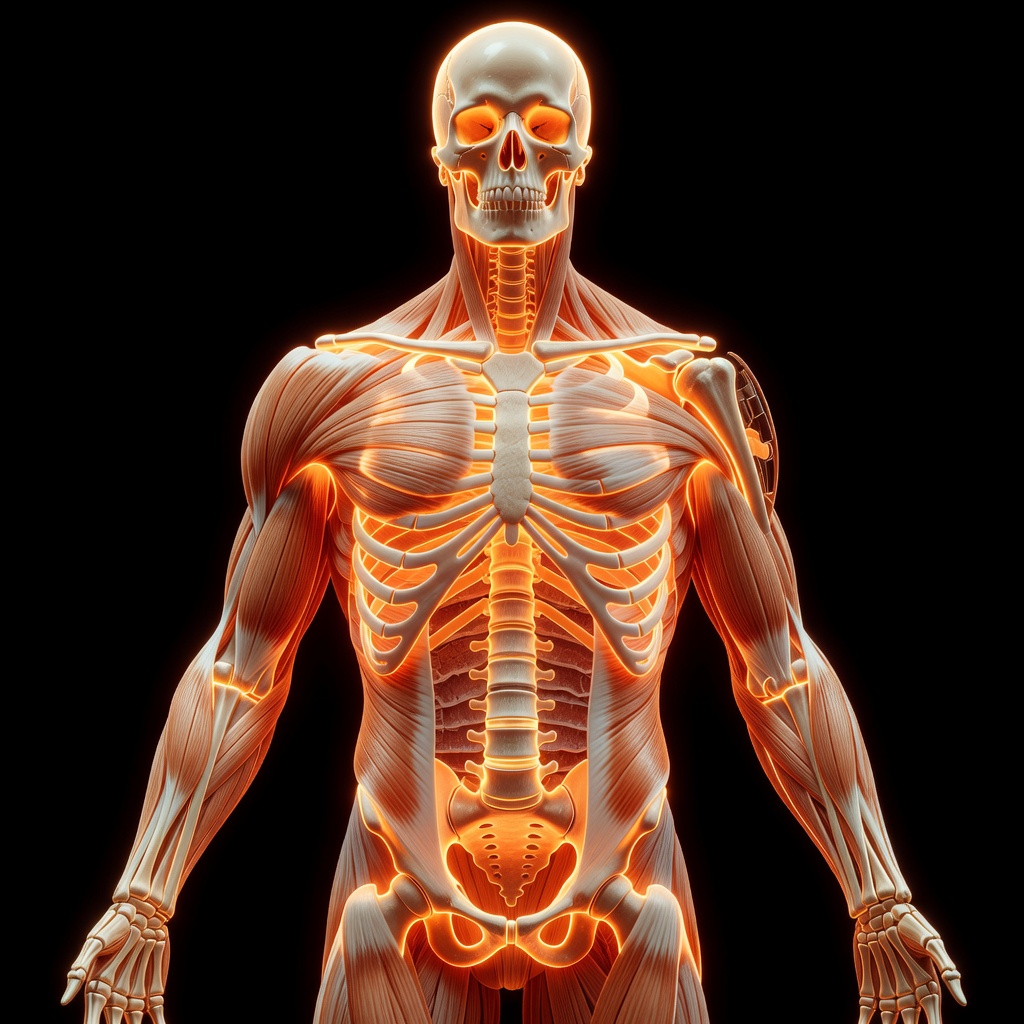
In the modern landscape of the British food industry, the quest for shelf-life longevity has often come at the expense of biological integrity. As we navigate the aisles of major supermarkets, the ingredient labels of our favourite soft drinks, condiments, and processed snacks are littered with alpha-numeric codes—the E-numbers. While many are benign, others harbour silent, cumulative risks that bypass the digestive tract and strike at the very engine room of our existence: the mitochondria.
Sodium Benzoate (E211) is one such preservative. While the Food Standards Agency (FSA) maintains its safety within "acceptable" limits, a growing body of independent research suggests that E211 may be a Trojan horse, facilitating the slow degradation of our cellular health through mitochondrial DNA damage and systemic oxidative stress.
1. Overview: What is Sodium Benzoate (E211)?
Sodium Benzoate is the sodium salt of benzoic acid. In the world of industrial food production, it is prized for its ability to inhibit the growth of mould, yeast, and some bacteria in acidic environments. Because it is incredibly cheap to produce and highly effective at preventing spoilage, it has become a staple in the UK’s processed food chain.
You will typically find E211 in:
- Carbonated soft drinks and "diet" beverages.
- Fruit juices and squashes.
- Pickles, salad dressings, and soy sauce.
- Liquid medications and mouthwashes.
However, its prevalence does not equate to its safety. Unlike many additives that are simply excreted, Sodium Benzoate participates in complex biochemical reactions within the human body that can alter the way our cells produce energy.
2. The Mitochondrial Connection: A Breach of Cellular Energy
To understand the danger of E211, we must first look at the mitochondria. These are the organelles responsible for generating adenosine triphosphate (ATP), the primary energy currency of the body. Unlike the rest of the cell, mitochondria possess their own unique set of DNA (mtDNA), which is far more vulnerable to damage than the DNA housed in the cell nucleus.
The Research of Professor Peter Piper
The most significant alarm regarding E211 was sounded by Professor Peter Piper, a molecular biologist at the University of Sheffield. His research demonstrated that Sodium Benzoate has the capacity to damage and even "inactivate" the DNA within the mitochondria.
"These chemicals have the ability to cause severe damage to DNA in the mitochondria to the point that they totally inactivate it: they knock it out. The mitochondria consumes the oxygen to give you energy and if you damage it – as happens in a number of diseased states – then the cell starts to malfunction very seriously." — Professor Peter Piper
The Mechanism of mtDNA Decay
When Sodium Benzoate enters the system, it can increase the production of free radicals—unstable molecules that steal electrons from other cells. Because mtDNA lacks the protective histone proteins found in nuclear DNA, it is highly susceptible to these "oxidative hits."
When the mitochondrial DNA is compromised, the cell loses its ability to regulate energy and perform basic repair. Over time, this leads to:
- Reduced ATP production: Resulting in chronic fatigue and "brain fog."
- Accelerated Ageing: Mitochondria are the primary drivers of biological age.
- Apoptosis: Premature "programmed cell death," where the cell effectively commits suicide because its energy factory has failed.
3. The Benzene Risk: The Hidden Chemical Reaction
One of the most controversial aspects of E211 in the UK soft drinks market is its relationship with Vitamin C (Ascorbic Acid). Many beverages contain both Sodium Benzoate as a preservative and Vitamin C as a nutritional additive or antioxidant.
The Formation of Benzene
When Sodium Benzoate (E211) and Ascorbic Acid (E300) are combined in a liquid medium, a chemical reaction can occur that produces Benzene. Benzene is a known human carcinogen associated with leukaemia and other blood cancers.
Factors that accelerate the formation of benzene in drinks include:
- Heat: Soft drinks stored in warm warehouses or left in cars.
- Light (UV exposure): Clear plastic bottles exposed to sunlight.
- Shelf Life: The longer the drink sits, the more time the reaction has to take place.
While the UK soft drinks industry has made efforts to reformulate products to reduce benzene formation, the underlying presence of E211 remains a fundamental concern for those seeking "clean" nutrition.
4. Cellular Oxidative Stress and the Glutathione Drain
Beyond the direct damage to DNA, E211 acts as a catalyst for oxidative stress. This is a state where the body’s antioxidant defences are overwhelmed by the presence of reactive oxygen species (ROS).
Depleting Glutathione
Glutathione is often referred to as the body’s "Master Antioxidant." It is crucial for detoxifying the liver and protecting cells from oxidative damage. Research suggests that the metabolism of Sodium Benzoate requires the consumption of glycine and can indirectly deplete glutathione stores.
When glutathione levels drop, the body becomes:
- More susceptible to environmental toxins.
- Less efficient at repairing cellular membranes.
- Prone to chronic inflammation.
The Impact on the Nervous System
Oxidative stress in the brain is particularly dangerous. E211 has been linked in several studies—most notably the Southampton Study commissioned by the UK’s Food Standards Agency—to increased hyperactivity in children. While the study focused on a combination of artificial colours and Sodium Benzoate, the evidence suggests that E211 contributes to neuro-inflammation, affecting focus, mood, and cognitive stability.
5. The UK Context: Regulatory Gaps and Supermarket Reality
In the United Kingdom, the regulation of food additives is managed by the Food Standards Agency (FSA). While some additives (like the "Southampton Six" food dyes) now require warning labels, Sodium Benzoate (E211) remains hidden in plain sight, usually listed in small print at the end of an ingredient list.
Why is it still used?
The British food industry relies heavily on a "high-volume, long-life" model. E211 allows a bottle of squash to sit on a shelf for 12 to 18 months without fermenting. For the manufacturer, this is a logistical necessity; for the consumer, it is a metabolic burden.
Key Fact: Many "Sugar-Free" or "Diet" versions of popular UK drinks contain higher concentrations of Sodium Benzoate to compensate for the lack of sugar, which itself acts as a mild preservative.
The Cumulative Effect
The FSA sets a "Daily Intake" limit, but these limits are often calculated based on a single additive in isolation. They do not account for the "Cocktail Effect"—the synergy of consuming E211 alongside artificial sweeteners (like Aspartame), food dyes, and environmental pollutants. When these chemicals interact, their total toxicity can be exponentially higher than the sum of their parts.
6. Environmental Factors: Heat, Storage, and Transport
The stability of E211 is highly dependent on environmental conditions. In the UK, we often assume that our temperate climate keeps food "safe," but the supply chain tells a different story.
- Transport: Pallets of soft drinks are often transported in non-refrigerated lorries where internal temperatures can soar, triggering the conversion of E211 into benzene.
- Storage: Many convenience stores display drinks in windows, exposing them to UV light, which further destabilises the chemical bonds of the preservative.
- Tap Water Interaction: While rare, there are concerns that the chlorine found in UK tap water could interact with benzoate residues in the gut, though more research is needed in this specific area.
7. Protective Strategies: Reclaiming Cellular Health
If you have been consuming E211-laden products for years, the focus must shift to mitochondrial repair and the reduction of oxidative stress. You can shield your cells from the impact of E211 through strategic dietary and lifestyle shifts.
Immediate Dietary Changes
- Read the Labels: Avoid any product containing "Sodium Benzoate" or "E211." Switch to carbonated waters or organic juices that use pasteurisation instead of chemical preservatives.
- The 24-Hour Rule: If you do consume a product with E211, ensure you do not take a high-dose Vitamin C supplement at the same time, to minimize the risk of benzene formation in the stomach.
- Fresh is King: Shift away from "shelf-stable" condiments. Fresh salsas, pestos, and dressings made with olive oil and lemon juice contain no E211 and provide active enzymes for digestion.
Supporting Mitochondrial Repair
To counteract the damage to mtDNA, focus on nutrients that support mitochondrial biogenesis and antioxidant defence:
- N-Acetyl Cysteine (NAC): A precursor to glutathione that helps the liver detoxify chemical additives.
- Coenzyme Q10 (CoQ10): A vital catalyst in the mitochondrial electron transport chain.
- Alpha-Lipoic Acid: A powerful antioxidant that can work in both water- and fat-soluble environments to protect DNA.
- Molecular Hydrogen: Emerging research suggests hydrogen-rich water may help neutralise the specific free radicals that target mitochondria.
Detoxification through Hydration
Flush the system with filtered water (ideally reverse osmosis) to reduce the burden on the kidneys. Sodium Benzoate is excreted via the urine as hippuric acid, a process that requires the amino acid glycine. Ensuring adequate protein intake or glycine supplementation can assist this pathway.
8. Key Takeaways: The INNERSTANDING Perspective
The presence of Sodium Benzoate (E211) in the British food supply is a testament to a system that prioritises commerce over cellular integrity. While it may not cause acute poisoning in small doses, its long-term impact on the mitochondria represents a fundamental threat to our vitality.
- E211 is a mitochondrial toxin: It targets the DNA of our energy-producing organelles, leading to cellular malfunction.
- Benzene risk is real: The combination of E211 and Vitamin C can create a known carcinogen, especially when exposed to heat or light.
- Oxidative stress is the byproduct: Consumption of E211 drains our primary antioxidant, glutathione, leaving us vulnerable to inflammation.
- Awareness is the first step: By scrutinising labels and choosing fresh, preservative-free alternatives, we can protect our genetic blueprint from industrial interference.
In the pursuit of Innerstanding, we must recognise that our health is managed at the molecular level. To protect the whole, we must first protect the cell. It is time to move beyond the "acceptable limits" of the food industry and demand a standard of nutrition that respects the intricate machinery of the human body.
This article is provided for informational and educational purposes only. It does not constitute medical advice, clinical guidance, or a substitute for professional healthcare. Information reflects cited research at time of publication. Always consult a qualified healthcare professional before acting on any health information.
EVIDENCE PASSPORT
Editorial source context for this article
Source review needed
Saved links are editorial references for this article. They may support specific claims rather than every sentence. Open and assess each source in context. This passport does not independently verify them.
Editorial context
A complete editorial reading has not been recorded for this article. Source links remain available for you to open and assess directly.
Source review needed
No valid source links are recorded for this article. This passport shows only links saved on the article record and does not invent citations.
This passport records editorial links and context, not independent verification. Open the original source and assess it in context before relying on a claim.
Medical Disclaimer
The information in this article is for educational purposes only and does not constitute medical advice, diagnosis, or treatment. Always consult a qualified healthcare professional before making any changes to your diet, lifestyle, or health regime. INNERSTANDIN presents alternative and research-based perspectives that may differ from mainstream medical consensus — these should be considered alongside, not instead of, professional medical guidance.
Read Full DisclaimerContinue the thread
Keep this question moving.
Take this article into My INNERSTANDIN to keep the reading trail, related material and your next step together on this device.
Dig deeper in the Library
Free, longform PDF volumes that go beyond headlines into mechanisms and references.