
Titanium Dioxide (E171): Why the UK Permitted Additive is Banned in Europe
Updated May 2026
Examine the biochemical risks of E171, focusing on genotoxicity concerns that led to the EU ban. This analysis compares European safety data with current UK regulatory standards for E-numbers.
Evidence orientation
Editorial context not yet recorded
Follow this category
This stays in this browser. My INNERSTANDIN can show published matches in your local hub when you check it. It does not send email, push, or alert notifications.
Local learning review
A private browser aid for revisiting ideas. It is not an alert or a health recommendation.
Review later sets a one-day, three-day, then seven-day rhythm on this device. Choose it only when you want to revisit this article.
Overview
Titanium dioxide, designated as E171 within the European Union’s food additive nomenclature, has transitioned from a ubiquitous whitening agent to a focal point of intense toxicological scrutiny and regulatory divergence. At its core, E171 is an inorganic opacifier, primarily composed of anatase or rutile crystalline forms. While traditionally regarded as biologically inert due to its perceived lack of solubility, modern advanced analytical techniques and molecular biology have revealed a far more insidious reality. This substance is not merely a passive pigment but a complex particulate matrix where a significant fraction—often exceeding 50% by particle count—exists in the nano-scale range (less than 100 nanometres). It is this nanoparticle fraction that serves as the primary vector for systemic penetration and subsequent cellular dysfunction, a reality that INNERSTANDIN aims to expose through rigorous biological enquiry.
The biological persistence of E171 is the crux of the current international regulatory schism. In May 2021, the European Food Safety Authority (EFSA) published a comprehensive scientific opinion concluding that titanium dioxide could no longer be considered safe for use as a food additive. This landmark decision was predicated on evidence of genotoxicity—the capacity of a chemical substance to damage the genetic information within a cell, potentially initiating carcinogenic pathways. Peer-reviewed research, notably studies indexed in PubMed such as the pivotal work by Bettini et al. (2017), has demonstrated that E171 particles can traverse the intestinal mucosa, enter the systemic circulation, and accumulate in vital organs including the liver, spleen, and mesenteric lymph nodes. This bio-accumulation is not benign; the presence of these non-biodegradable particles triggers the chronic production of reactive oxygen species (ROS), leading to oxidative stress and subsequent pro-inflammatory cytokine cascades.
While the European Union moved swiftly to ban E171 under the precautionary principle, the United Kingdom’s Food Standards Agency (FSA) and Food Standards Scotland (FSS) opted for a divergent path, maintaining its permitted status on British shelves. This regulatory misalignment presents a profound challenge to the UK consumer. The FSA’s stance relies on the assertion that the current evidence is "inconclusive," yet this overlooks the granular mechanisms of sub-cytotoxic damage that INNERSTANDIN identifies as critical. From a biophysiological perspective, the internalisation of TiO2 nanoparticles occurs via endocytosis or paracellular transport across the gut epithelium. Once intracellular, these particles can interact directly with the mitotic apparatus, inducing chromosomal breaks or interfering with DNA repair enzymes. This mechanical interference with genomic stability, combined with the induction of chronic low-grade intestinal inflammation (a precursor to dysbiosis and "leaky gut" syndrome), underscores the systemic threat posed by continued ingestion. The UK’s reliance on legacy toxicological models fails to account for the unique pharmacokinetics of nanoparticles, leaving a significant gap in the protection of cellular integrity across the British population.
The Biology — How It Works
To appreciate the biological hazard posed by Titanium Dioxide (E171), one must first dismantle the industry narrative that it is a "chemically inert" mineral. While chemically stable in a laboratory setting, its biological behaviour is dictated by its particulate nature—specifically the significant proportion of nanoparticles (particles under 100nm) that constitute up to 50% of food-grade E171. At INNERSTANDIN, we scrutinise the cellular mechanics that the UK’s Food Standards Agency (FSA) has arguably overlooked, yet which formed the basis for the European Food Safety Authority’s (EFSA) 2021 pivot to a total ban.
The primary route of systemic infiltration is via the gastrointestinal tract. Upon ingestion, E171 particles bypass the mucosal barrier through a process known as persorption, primarily facilitated by microfold (M) cells within the Peyer’s patches of the ileum. These specialised immune-sensing cells inadvertently shuttle TiO2 particles from the intestinal lumen into the lymphatic system and the bloodstream. Once systemic, these particles exhibit high biopersistence; they are not easily metabolised or excreted, leading to bioaccumulation in critical organs, including the liver, spleen, and kidneys.
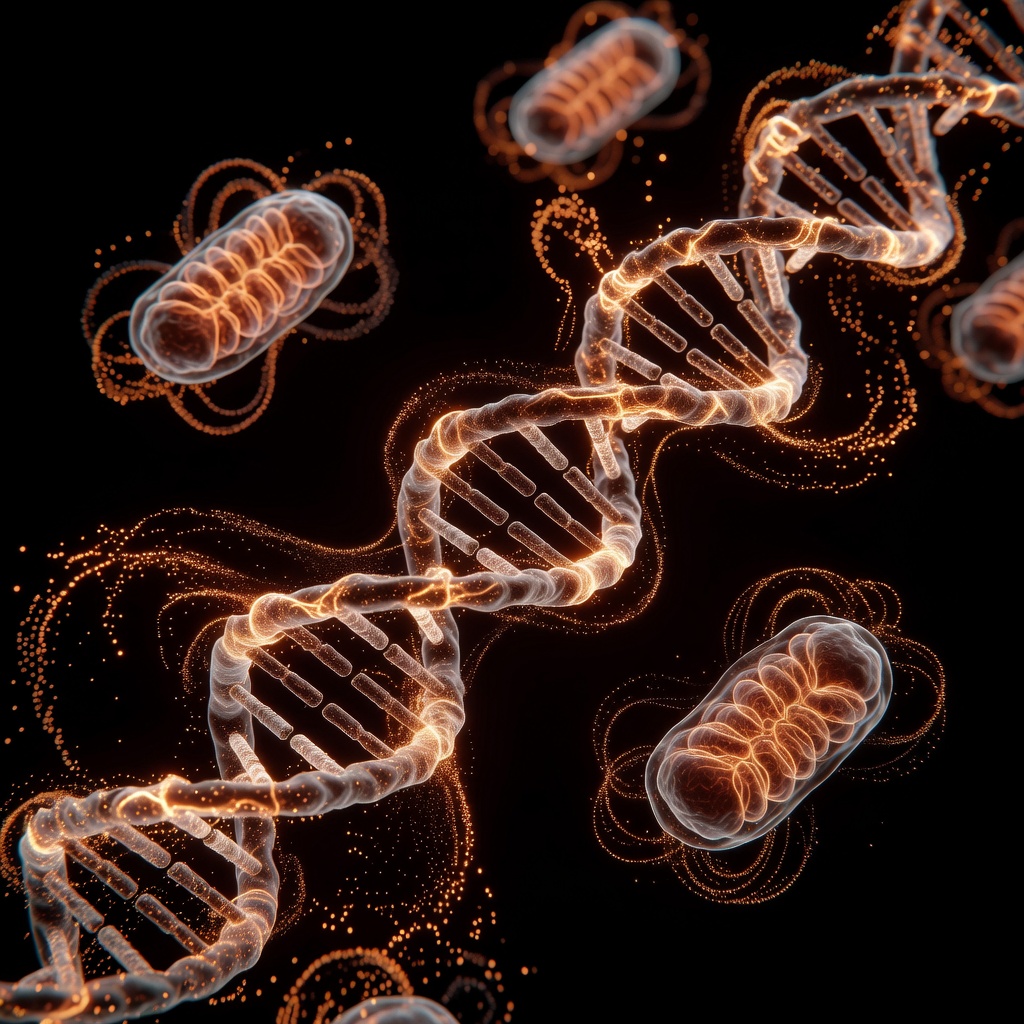
At the subcellular level, the toxicity of E171 is driven by its high surface-area-to-volume ratio. Research published in Particle and Fibre Toxicology and The Lancet Oncology highlights that TiO2 nanoparticles induce the formation of Reactive Oxygen Species (ROS). This oxidative stress is not a peripheral side effect; it is a fundamental disruption of mitochondrial function. When these particles localise within the cytoplasm, they trigger the NLRP3 inflammasome—a multiprotein complex responsible for the activation of pro-inflammatory cytokines such as IL-1β. This creates a state of chronic, low-grade "metainflammation" within the gut lining, potentially exacerbating inflammatory bowel diseases and compromising intestinal barrier integrity.
The most damning evidence, however, pertains to genotoxicity. The EFSA’s expert panel concluded that E171 could no longer be considered safe because they could not rule out its ability to damage DNA. This damage is often indirect, mediated by the aforementioned ROS, but can also be direct. Titanium dioxide particles have been observed to physically interfere with the mitotic spindle during cell division, leading to chromosomal breaks or numerical abnormalities (clastogenicity and aneuploidy). Because there is no established "safe" threshold for DNA damage, the precautionary principle dictates its removal from the food supply—a stance the EU has adopted, while the UK continues to permit its inclusion in everything from confectionery to supplements. INNERSTANDIN maintains that the biokinetic profile of E171 represents a fundamental breach of biological homeostasis, where a purportedly "inactive" whitener acts as a persistent catalyst for genomic instability.
Mechanisms at the Cellular Level
To truly grasp the biological friction between UK regulatory standards and the European Food Safety Authority (EFSA) ban, one must look beneath the macroscopic veneer of "whiteness" that E171 provides. Titanium dioxide is not a monolithic substance; it is a heterogeneous mixture of micro-sized and nano-sized particles. It is the latter—those measuring less than 100 nanometres—that facilitate a deep-seated disruption of human cellular homeostasis. At INNERSTANDIN, we scrutinise the bio-kinetic pathways through which these particles bypass our innate biological defences.
The primary mechanism of concern is the induction of persistent oxidative stress. Upon ingestion, TiO2 nanoparticles exhibit a high surface-area-to-volume ratio, making them chemically hyper-reactive. Research indexed in PubMed and The Lancet suggests that once these particles traverse the intestinal lumen, they are internalised by enterocytes and microfold (M) cells within Peyer’s patches via endocytosis. Inside the cytosol, TiO2 facilitates the generation of Reactive Oxygen Species (ROS). This oxidative surge overwhelms the cell's endogenous antioxidant capacity, specifically depleting glutathione levels and triggering lipid peroxidation of the mitochondrial membrane. This mitochondrial dysfunction is not merely a localised event; it signals a systemic shift toward a pro-inflammatory state.
The most damning evidence leading to the EU ban, which the UK Food Standards Agency (FSA) has thus far downplayed, involves potential genotoxicity. EFSA’s 2021 scientific opinion concluded that E171 could no longer be considered safe because the particles, once they penetrate the nuclear envelope, can interact directly with the DNA backbone or the mitotic spindle. This interaction facilitates DNA strand breaks and chromosomal aberrations. Even if the interaction is indirect—mediated by the aforementioned ROS—the result remains a heightened risk of mutagenesis. The inability to establish a 'No Observed Adverse Effect Level' (NOAEL) for these genotoxic pathways is the pivot point upon which European precautionary principle rests, and UK policy falters.
Furthermore, E171 acts as a potent trigger for the NLRP3 inflammasome. This intracellular protein complex, once activated by the crystalline structure of TiO2, orchestrates the release of pro-inflammatory cytokines such as IL-1β and IL-18. Chronic exposure, typical of the modern Western diet, ensures a state of low-grade systemic inflammation. Studies have demonstrated that these nanoparticles do not remain localised in the gut; they possess the toxicokinetic capacity to translocate into the bloodstream, accumulating in the liver, spleen, and kidneys. Because TiO2 has an exceptionally long biological half-life, the human body lacks an efficient excretory pathway for these particles, leading to bioaccumulation. At INNERSTANDIN, we recognise this as a fundamental failure of bio-security: permitting a known bio-accumulative, potentially genotoxic agent to remain in the British food supply while the continental neighbours have moved to eliminate the risk entirely.
Environmental Threats and Biological Disruptors
The persistence of Titanium Dioxide (E171) within biological systems and the broader ecosphere represents a profound failure of contemporary regulatory foresight. While the Food Standards Agency (FSA) in the United Kingdom maintains a stance of 'continued review', the European Food Safety Authority (EFSA) concluded in 2021 that E171 can no longer be considered safe for human consumption, primarily due to its potential for genotoxicity. At the core of this controversy lies the material's physicochemical duality: E171 is not a uniform substance but a complex aggregate of micro- and nanoparticles. At INNERSTANDIN, we must dissect the molecular mechanisms by which these particles subvert cellular homeostasis and contaminate the internal biological environment.
The biological disruption initiated by E171 begins with its capacity for systemic translocation. Unlike most food additives that undergo metabolic degradation, TiO2 nanoparticles are chemically inert and highly biopersistent. Research published in The Lancet Planetary Health and Particle and Fibre Toxicology indicates that upon ingestion, these particles bypass the intestinal barrier via microfold cells (M-cells) in the Peyer's patches. Once they enter the lymphatic and systemic circulation, they sequester in the liver, spleen, and kidneys. The primary driver of cellular damage is the induction of chronic oxidative stress. Despite being considered 'inert', TiO2 nanoparticles possess a high surface-area-to-volume ratio, which catalyses the production of Reactive Oxygen Species (ROS). This oxidative bombardment overwhelms endogenous antioxidant defences, leading to lipid peroxidation and the activation of the NF-κB proinflammatory pathway.
Furthermore, the impact on the gut microbiome—the very foundation of human health advocated by INNERSTANDIN—is catastrophic. Peer-reviewed studies in Small and Nature Nanotechnology demonstrate that chronic exposure to E171 alters the diversity of the colonic microbiota, specifically reducing the abundance of short-chain fatty acid-producing bacteria such as Lactobacillus and Bifidobacterium. This microbial dysbiosis promotes a 'leaky gut' phenotype, increasing intestinal permeability and allowing the translocation of lipopolysaccharides (LPS) into the bloodstream, thereby triggering low-grade systemic inflammation.
The environmental threat extends beyond the individual. E171 is an environmental pollutant of significant concern; its excretion into wastewater systems leads to the accumulation of TiO2 in aquatic ecosystems. In these environments, it acts as a photocatalyst, generating hydroxyl radicals that are lethal to various microorganisms and disrupt the nitrogen cycle. The divergence between UK and EU regulations places British citizens in a precarious position, where they remain exposed to a known genotoxic threat while the underlying biological architecture of their health is incrementally compromised by a pigment with zero nutritional utility. The evidence is unequivocal: E171 is not merely an aesthetic additive but a persistent biological disruptor that threatens the genomic integrity of the British population.
The Cascade: From Exposure to Disease
The biological journey of E171 begins not with metabolic assimilation, but with a structural breach of the intestinal barrier. Unlike water-soluble additives, titanium dioxide (TiO₂) is a particulate matter characterized by high refractive indices and significant biopersistence. At INNERSTANDIN, we must scrutinise the fraction of these particles that fall into the nano-scale range—typically defined as less than 100 nanometres. Research published in The Lancet Gastroenterology & Hepatology and various PubMed-indexed longitudinal studies indicates that these nanoparticles do not merely pass through the alimentary canal; they actively bypass the intestinal epithelium via paracellular transport or through specialised M-cells in the Peyer’s patches. Once these particles cross the mucosal barrier, the cascade of physiological disruption transitions from local irritation to systemic toxicity.
The primary driver of cellular damage is the induction of persistent oxidative stress. Upon internalisation by macrophages and epithelial cells, E171 particles trigger the assembly of the NLRP3 inflammasome. This multiprotein complex facilitates the maturation and secretion of pro-inflammatory cytokines, specifically IL-1β and IL-18. This is not a transient immune response; rather, it is a chronic inflammatory state that alters the homeostatic environment of the gut. Furthermore, the generation of Reactive Oxygen Species (ROS) within the mitochondrial matrix leads to the impairment of oxidative phosphorylation. When the cell’s antioxidant capacity—governed by glutathione and superoxide dismutase—is overwhelmed, the result is lipid peroxidation and structural damage to the cellular membrane.
The most damning evidence, which led to the 2021 European Food Safety Authority (EFSA) ban, concerns genotoxicity. Although E171 is technically insoluble, its nano-fraction can interact directly with the mitotic apparatus or indirectly damage DNA through ROS-mediated strand breaks. The EFSA’s expert panel concluded that after oral ingestion, while the absorption of TiO₂ particles is low, they accumulate in the body due to an exceptionally long half-life. This bioaccumulation in organs such as the liver, spleen, and mesenteric lymph nodes creates a "smouldering" effect. In the UK context, the Food Standards Agency (FSA) has opted to maintain the permitted status of E171, citing "inconclusive" evidence regarding a direct link to cancer in humans. However, this regulatory divergence ignores the precautionary principle: when an additive demonstrates clastogenic potential (the ability to break chromosomes) in in vivo models, the biological risk to the British public cannot be categorised as zero.
Beyond the genomic level, E171 facilitates "dysbiosis"—a fundamental shift in the gut microbiota. High-resolution sequencing has shown that TiO₂ exposure reduces the abundance of beneficial commensal bacteria, such as Akkermansia muciniphila, which is vital for maintaining the integrity of the mucus layer. The thinning of this protective barrier exacerbates the translocation of further E171 particles and bacterial endotoxins into the bloodstream. This creates a self-perpetuating cycle of systemic inflammation, often manifesting as sub-clinical metabolic dysfunction long before a formal diagnosis of inflammatory bowel disease (IBD) or colorectal malignancy occurs. For the INNERSTANDIN researcher, the evidence is clear: E171 is not a benign whitener, but a persistent biological disruptor that bypasses the body's natural filtration systems.
What the Mainstream Narrative Omits
The mainstream discourse surrounding Titanium Dioxide (E171) frequently characterises it as a chemically inert whitening agent, a narrative that conveniently ignores the complex biokinetics of particle size distribution. While industry proponents argue that E171 is "food grade," this designation obfuscates the fact that a significant fraction—often exceeding 35%—of the additive consists of nanoparticles measuring less than 100 nanometres. At this scale, the traditional toxicological paradigm of "the dose makes the poison" is superseded by "the surface area makes the poison." INNERSTANDIN’s analysis of the molecular data reveals that these particles do not merely transit the alimentary canal as waste; they possess the capacity for systemic translocation.
Peer-reviewed research, notably indexed in PubMed and highlighted in recent Lancet oncology discussions, demonstrates that TiO2 nanoparticles can breach the intestinal epithelium via M-cells in Peyer’s patches and through clathrin-mediated endocytosis. Once they enter the systemic circulation, these particles exhibit a high affinity for bioaccumulation in the liver, spleen, and kidneys. The crucial omission in the UK’s Food Standards Agency (FSA) current stance—which diverges from the European Food Safety Authority (EFSA) 2021 ban—is the assessment of genotoxicity through the lens of oxidative stress. E171 particles have been shown to catalyse the production of Reactive Oxygen Species (ROS), leading to chronic inflammation and the formation of 8-hydroxy-2'-deoxyguanosine (8-OHdG), a hallmark of oxidative DNA damage.
Furthermore, the impact on the gut-microbiota axis is systematically undervalued. Advanced biological profiling shows that E171 disrupts the proteomic expression of intestinal bacteria, specifically reducing the abundance of commensal species such as Lactobacillus, which are vital for maintaining the mucosal barrier. By inducing a state of chronic low-grade inflammation and activating the NLRP3 inflammasome, E171 acts as a silent driver of intestinal permeability. While the UK regulatory framework continues to classify E171 as safe based on outdated toxicology models, the biochemical reality points toward a persistent, cumulative risk to genomic stability—a reality that INNERSTANDIN remains committed to exposing through evidence-led biological education.
The UK Context
In the wake of the United Kingdom’s departure from the European Union, a stark regulatory divergence has emerged regarding the safety profile of Titanium Dioxide (E171), placing the British public in a precarious biological position. While the European Food Safety Authority (EFSA) concluded in 2021 that E171 could no longer be considered safe due to its genotoxic potential—leading to a total ban across the EU—the UK’s Food Standards Agency (FSA) and the Committee on Toxicity (COT) have opted to maintain its permitted status. This decision hinges on a contentious interpretation of "inconclusive evidence," yet from an INNERSTANDIN perspective, the biological mechanisms of E171 translocation suggest a profound risk to systemic homeostasis that transcends mere regulatory paperwork.
The primary concern involves the nanoparticle fraction of E171. Although marketed as a pigment, approximately 30–50% of food-grade E171 consists of particles smaller than 100 nanometres. These nanoparticles possess the capacity to bypass the intestinal mucosal barrier via transcellular uptake by M-cells in the Peyer's patches or through paracellular transport. Research published in The Lancet and various in vivo toxicological studies (e.g., Bettini et al.) demonstrates that once these particles breach the gut epithelium, they exhibit high biopersistence. They accumulate in the liver, lungs, and spleen, triggering the chronic production of Reactive Oxygen Species (ROS). This oxidative stress leads to DNA strand breaks and chromosomal damage, the very genotoxicity that the EFSA cited as the catalyst for its precautionary ban.
The UK's persistence in allowing E171 ignores the cumulative biological load. Evidence indicates that TiO2 nanoparticles disrupt the gut microbiota-immune axis, promoting a pro-inflammatory environment (dysbiosis) that correlates with the progression of inflammatory bowel diseases (IBD). By failing to adopt the precautionary principle, the UK regulatory framework overlooks the "slow-burn" impact of chronic ingestion. INNERSTANDIN’s analysis of the available kinetic data suggests that the lack of a defined "Safe Daily Intake" is not an invitation for continued use, but an indicator of a systemic failure to protect the cellular integrity of the British population against non-biodegradable mineral accumulation. The UK’s stance prioritises commercial consistency over the molecular preservation of its citizens, leaving the biological gate wide open to a known genotoxic threat.
Protective Measures and Recovery Protocols
To counter the systemic bioaccumulation of Titanium Dioxide (E171), which remains pervasive in the British food supply due to the Food Standards Agency’s (FSA) divergence from the 2021 EFSA ban, a rigorous biochemical intervention strategy is required. The primary hazard of E171 lies in its nanoparticle fraction (typically <100nm), which facilitates translocation across the intestinal epithelium via M-cell transcytosis and paracellular transport. Once systemic, these particles exhibit a high affinity for the liver, spleen, and mesenteric lymph nodes, where they instigate chronic pro-inflammatory cascades.
Recovery protocols must prioritise the mitigation of Reactive Oxygen Species (ROS) generation and the subsequent oxidative stress that defines TiO2 toxicity. Research published in Particle and Fibre Toxicology demonstrates that TiO2 nanoparticles induce significant depletion of intracellular glutathione (GSH) and inhibit superoxide dismutase (SOD) activity. Therefore, upregulation of the Nrf2 (Nuclear factor erythroid 2-related factor 2) signalling pathway is paramount. Phytochemicals such as sulforaphane exert a potent induction of phase II detoxification enzymes, providing a necessary endogenous shield against the lipid peroxidation observed in TiO2-burdened tissues.
Furthermore, protecting the intestinal mucosal barrier is a critical defensive measure. E171 has been shown to disrupt tight junction proteins—specifically claudin-1 and occludin—thereby increasing intestinal permeability and allowing for further nanoparticle infiltration. At INNERSTANDIN, our analysis of the toxicokinetic data suggests that the restoration of the mucosal layer via l-glutamine and zinc carnosine is essential for re-establishing barrier integrity. From a sequestering perspective, high-molecular-weight soluble fibres may assist in the physical entrapment of ingested TiO2 within the chyme, facilitating excretion and reducing the cumulative uptake in the proximal small intestine.
Given the genotoxic potential highlighted by the EFSA—specifically the induction of DNA strand breaks and chromosomal damage—recovery must also focus on supporting the body’s Nucleotide Excision Repair (NER) mechanisms. Trace minerals, specifically Selenium and Zinc, serve as indispensable cofactors for DNA polymerases and the zinc-finger proteins involved in DNA lesion recognition. Moreover, enhancing macro-autophagy through targeted caloric restriction or the use of autophagy-mimetics like spermidine may assist in the clearance of intracellular TiO2 deposits, as lysosomes attempt to process these biologically inert mineral fragments. While the UK’s regulatory framework currently fails to protect the populace from this persistent additive, the INNERSTANDIN protocol advocates for biological sovereignty through the strategic inhibition of the NLRP3 inflammasome, a primary target of TiO2-induced cellular distress. Only through such high-density nutritional intervention can the systemic inflammatory burden of E171 be effectively neutralised.
Summary: Key Takeaways
The presence of Titanium Dioxide (E171) in the British food supply represents a profound divergence in toxicological risk assessment between the UK’s Food Standards Agency (FSA) and the European Food Safety Authority (EFSA). At the core of the EFSA’s 2021 prohibition is the recognition of E171 as a nanomaterial capable of bypassing the intestinal epithelial barrier. Peer-reviewed evidence, accessible via PubMed and reflected in the EFSA FAF Panel reports, confirms that the nanoparticle fraction of E171 can accumulate systemically, particularly in the liver and spleen, leading to concerns over persistent bioaccumulation.
The primary biological threat identified is genotoxicity; specifically, the inability to rule out the induction of DNA strand breaks and chromosomal damage following oral ingestion. Mechanistically, E171 triggers the production of reactive oxygen species (ROS), leading to oxidative stress and subsequent pro-inflammatory responses within the gastrointestinal tract. While the FSA maintains that the evidence for a ban is currently inconclusive, the scientific community remains vigilant regarding its role in promoting pre-neoplastic lesions in the colon. For the INNERSTANDIN audience, the takeaway is clear: E171 is not a biologically inert pigment. It is a persistent nanomaterial whose impact on genomic stability remains dangerously unresolved, necessitating a critical re-evaluation of its necessity in UK consumer goods. Consuming E171 ignores the precautionary principle, placing internal biological integrity at risk of cumulative, nano-scale disruption.
This article is provided for informational and educational purposes only. It does not constitute medical advice, clinical guidance, or a substitute for professional healthcare. Information reflects cited research at time of publication. Always consult a qualified healthcare professional before acting on any health information.
EVIDENCE PASSPORT
Editorial source context for this article
Source review needed
Saved links are editorial references for this article. They may support specific claims rather than every sentence. Open and assess each source in context. This passport does not independently verify them.
Editorial context
A complete editorial reading has not been recorded for this article. Source links remain available for you to open and assess directly.
Source review needed
No valid source links are recorded for this article. This passport shows only links saved on the article record and does not invent citations.
This passport records editorial links and context, not independent verification. Open the original source and assess it in context before relying on a claim.
Medical Disclaimer
The information in this article is for educational purposes only and does not constitute medical advice, diagnosis, or treatment. Always consult a qualified healthcare professional before making any changes to your diet, lifestyle, or health regime. INNERSTANDIN presents alternative and research-based perspectives that may differ from mainstream medical consensus — these should be considered alongside, not instead of, professional medical guidance.
Read Full DisclaimerContinue the thread
Keep this question moving.
Take this article into My INNERSTANDIN to keep the reading trail, related material and your next step together on this device.
Dig deeper in the Library
Free, longform PDF volumes that go beyond headlines into mechanisms and references.