
Soil-Based Organisms: Ancient Dirt vs Modern Sterilization
Updated May 2026
We explore the health benefits of SBOs found in ancient agricultural practices versus the sterile UK household environment. Discover how 'getting dirty' regulates the modern immune response.
Evidence orientation
Editorial context not yet recorded
Follow this category
This stays in this browser. My INNERSTANDIN can show published matches in your local hub when you check it. It does not send email, push, or alert notifications.
Local learning review
A private browser aid for revisiting ideas. It is not an alert or a health recommendation.
Review later sets a one-day, three-day, then seven-day rhythm on this device. Choose it only when you want to revisit this article.
Overview
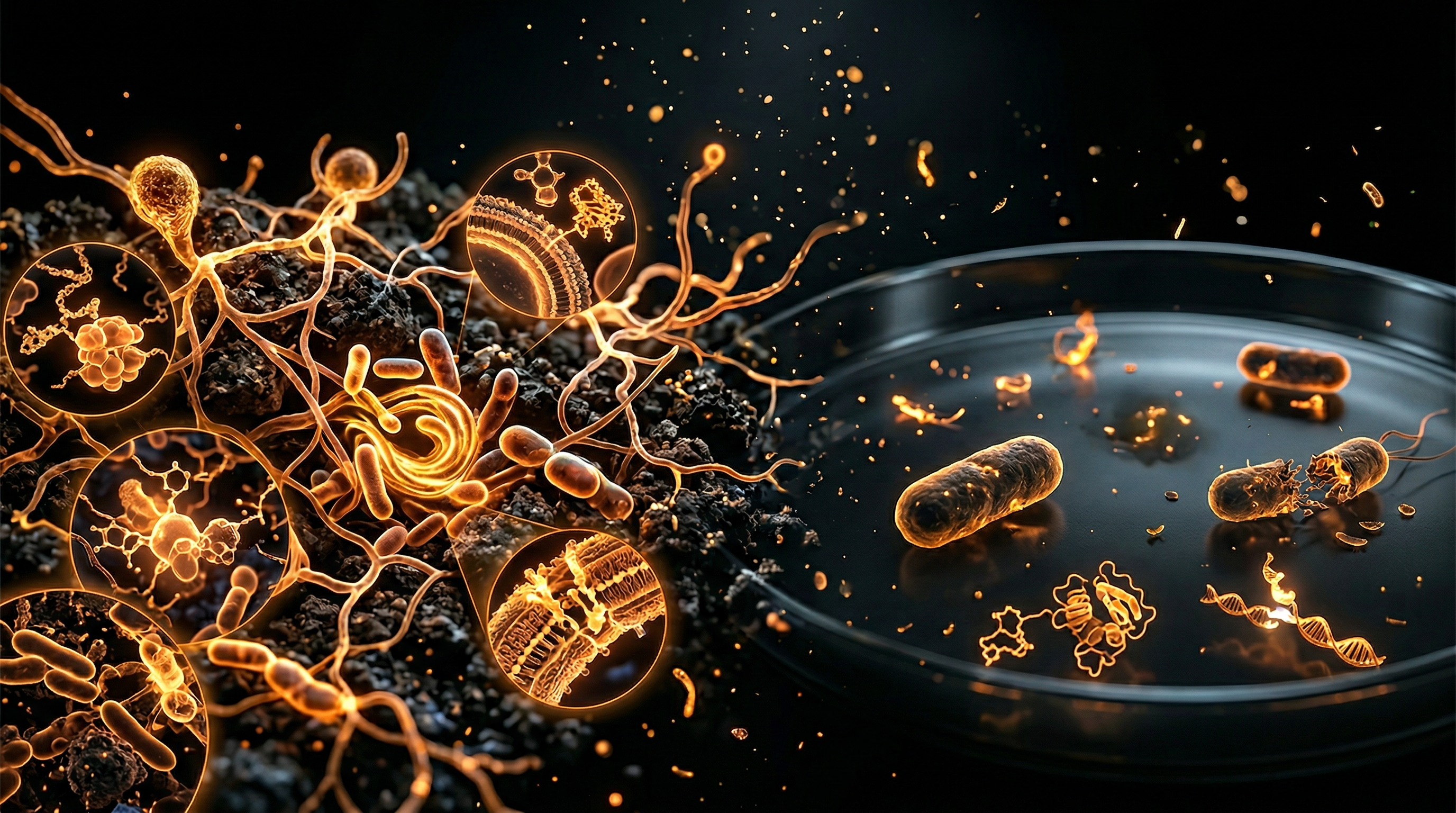
For three billion years, the evolutionary trajectory of life on Earth was shaped by a profound and intimate dialogue between multicellular organisms and the microbial world of the soil. As humans, our biological blueprint was forged in the Pleistocene, an era defined by constant contact with the earth. We were not merely inhabitants of our environment; we were biological extensions of it. Every handful of foraged tubers, every drink from a forest stream, and every night spent sleeping on the forest floor inoculated our systems with a diverse consortium of Soil-Based Organisms (SBOs).
However, in the blink of an evolutionary eye—roughly the last 150 years—we have engineered a radical departure from this ancestral blueprint. The modern paradigm, particularly within the sterile domestic landscapes of the United Kingdom, has declared war on "dirt." This crusade, driven by a misunderstood interpretation of Germ Theory, has replaced our ancestral microbial allies with chemical surfactants, antibacterial wipes, and ultra-processed, sterilised nutrition.
The consequences of this "Great Sterilisation" are now manifesting as a global epidemic of chronic inflammatory conditions, autoimmune disorders, and metabolic dysfunction. As a senior biological researcher at INNERSTANDING, my objective is to dissect the catastrophic loss of SBOs in our modern lifestyle and reveal why "getting dirty" is not an archaic habit, but a fundamental biological necessity for immune regulation. We are currently living in a microbial vacuum, and the void is being filled by disease.
Fact: The average modern Briton spends over 90% of their time indoors, separated from the soil by concrete, asphalt, and synthetic flooring, effectively severing a three-million-year-old biological umbilical cord.
The Biology — How It Works
To understand why SBOs are superior to the fragile, dairy-derived probiotics found on supermarket shelves, we must examine their unique evolutionary adaptations. Most commercial probiotics consist of Lactobacillus or Bifidobacterium strains. While beneficial, these are "transient" organisms; they are sensitive to temperature, light, and—most crucially—the corrosive acidity of the human stomach.
SBOs, primarily comprised of the Bacillus genus (such as Bacillus subtilis, Bacillus coagulans, and Bacillus clausii), are fundamentally different. They are spore-forming bacteria. When these organisms face environmental stress—be it the desiccating heat of the sun or the hydrochloric acid of the stomach—they retreat into a dormant, endospore state.
The Endospore Advantage
The endospore is a biological masterpiece of survival. It consists of a multi-layered protein coat that protects the bacterium’s DNA and essential cellular machinery. This "armour" allows SBOs to:
- Survive the transit through the gastric barrier (pH 1.5–3.0) with 100% viability.
- Remain shelf-stable without refrigeration for years.
- Resist the degradative effects of bile salts in the small intestine.
Once they reach the distal ileum and the colon—the "fermentation chambers" of the human body—the SBOs sense the nutrient-rich, anaerobic environment and "germinate." They transition from a dormant spore back into a metabolically active vegetative cell. Unlike traditional probiotics, which often pass through the system as "tourists," SBOs act as "park rangers." They do not necessarily colonise the gut permanently in high numbers; instead, they move through the intestinal tract, performing critical maintenance, "weeding out" pathogens, and "replanting" beneficial indigenous flora.
Symbiosis and the Holobiont
The human being is increasingly viewed by biologists as a Holobiont—a biomachine composed of both human cells and microbial cells. SBOs are the ancient environmental signals that tell our human cells that we are "safe" and "connected" to the ecosystem. They produce secondary metabolites, such as surfactins and bacteriocins, which inhibit the growth of opportunistic pathogens like Candida albicans and Staphylococcus aureus. By managing the microbial "neighbourhood," SBOs allow our native, commensal bacteria to flourish.
Mechanisms at the Cellular Level
The influence of SBOs extends far beyond simple competition with bad bacteria. They are potent immunomodulators that interact directly with the Gut-Associated Lymphoid Tissue (GALT), which houses approximately 70-80% of the human immune system.
The Quorum Sensing Dialogue
Bacteria communicate via a process called Quorum Sensing, using chemical signalling molecules to coordinate group behaviour. SBOs are masters of this molecular language. When Bacillus subtilis enters the gut, it releases signals that can down-regulate the virulence factors of pathogenic bacteria. It effectively "hacks" the communication network of the gut, preventing potential invaders from mounting an attack.
T-Regulatory Cell Induction
The most critical cellular mechanism involves the induction of T-regulatory (Treg) cells. In the modern, sterile environment, the immune system often becomes "hyper-vigilant" and "bored." Without the constant "training" provided by soil microbes, the immune system begins to overreact to harmless proteins (pollen, peanuts, dust mites) or, worse, to the body’s own tissues.
- Th1/Th2 Balance: The immune system operates on a seesaw between Th1 (cellular immunity) and Th2 (humoral/allergic immunity). Modern sterility creates a Th2-dominant state, leading to asthma and allergies.
- SBO Intervention: Soil-based organisms stimulate Toll-like Receptors (TLRs) on dendritic cells. This interaction promotes the production of Interleukin-10 (IL-10), an anti-inflammatory cytokine that triggers the maturation of Treg cells.
Scientific Insight: Treg cells act as the "peacekeepers" of the immune system. They actively suppress unnecessary inflammatory cascades, ensuring that the body distinguishes between a genuine pathogen and a harmless piece of "dirt."
Production of Short-Chain Fatty Acids (SCFAs)
SBOs facilitate the breakdown of complex plant fibres into Short-Chain Fatty Acids, primarily Butyrate. Butyrate is the primary energy source for colonocytes (cells lining the colon). It maintains the integrity of the "tight junctions" between cells, preventing the systemic inflammation known as Intestinal Permeability or "Leaky Gut."
Environmental Threats and Biological Disruptors
We are currently living in an era of biological disruption. The SBOs that should be protecting our physiology are being eradicated by a three-pronged assault: agricultural chemistry, industrialised water treatment, and the "Hygiene Psychosis."
The Glyphosate Impact
The most pervasive threat is Glyphosate, the active ingredient in many broad-spectrum herbicides used in both UK industrial farming and domestic gardening. Glyphosate works via the Shikimate pathway, a metabolic pathway that plants use to synthesise essential aromatic amino acids. While humans do not have this pathway, our gut bacteria do.
Exposure to glyphosate-treated produce acts as a slow-acting antibiotic, selectively killing beneficial SBOs and commensal bacteria while allowing glyphosate-resistant pathogens like Clostridia to overgrow. This creates a state of chronic Dysbiosis before the food even reaches the supermarket shelf.
Chlorine and Chloramine
The UK’s municipal water supply is heavily treated with chlorine and chloramines to ensure biological safety. While effective at preventing cholera and typhoid, these chemicals do not discriminate. Every time a modern individual drinks tap water or bathes in it, they are exposing their internal and external microbiomes to potent sterilisers. This persistent chemical "rain" prevents the re-establishment of the soil-based microbial communities on our skin and in our guts.
The Rise of Antibacterial Surfaces
The post-WWII obsession with "clinical cleanliness" has led to the proliferation of triclosan and other biocides in soaps, detergents, and even kitchen plastics. These chemicals create "microbial deserts" in our homes. In these deserts, only the most resilient—and often most pathogenic—bacteria survive, while the delicate, regulating SBOs are extinguished.
Warning: Research indicates that children raised in "ultra-clean" homes have a significantly higher risk of developing Type 1 Diabetes and Multiple Sclerosis compared to those raised on farms with high microbial exposure.
The Cascade: From Exposure to Disease
The absence of SBOs initiates a destructive physiological cascade. When the "Old Friends" (as the Old Friends Hypothesis terms them) are missing, the biological scaffolding of human health begins to collapse.
Stage 1: The Microbial Vacuum
Without SBOs to police the intestinal environment, opportunistic organisms take hold. Small Intestinal Bacterial Overgrowth (SIBO) and fungal overgrowth (Candida) become endemic. The microbial diversity of the gut—the hallmark of health—plummets.
Stage 2: Barrier Dysfunction
The lack of SCFA production (due to the loss of SBO-supported fermentation) leads to the thinning of the mucosal lining. The "tight junctions" of the gut wall fail. This is Leaky Gut. Undigested food particles, lipopolysaccharides (LPS), and environmental toxins "leak" into the bloodstream.
Stage 3: Systemic Endotoxaemia
The presence of LPS (bacterial toxins) in the blood triggers a systemic inflammatory response. The liver becomes overwhelmed, and the immune system enters a state of permanent "high alert." This is the "Cytokine Storm" in slow motion.
Stage 4: The Autoimmune Epilogue
In this state of chronic inflammation, molecular mimicry occurs. The immune system, deprived of the "calming" signals of SBO-induced Treg cells, begins to attack the thyroid (Hashimoto’s), the joints (Rheumatoid Arthritis), or the nervous system (Multiple Sclerosis). What began as a "sterile home" ends as a broken immune system.
What the Mainstream Narrative Omits
The mainstream medical and pharmaceutical narrative has a vested interest in ignoring the SBO revolution. The current "Probiotic" industry is worth billions, yet it is largely built on a foundation of "dead-on-arrival" products.
The Pasteurisation of the Mind
The narrative remains firmly rooted in the 19th-century view that "all bacteria are germs." This reductionist view ignores the symbiotic complexity of the human holobiont. By framing health as the absence of microbes, the mainstream narrative justifies the continued use of broad-spectrum antibiotics and harsh sterilisers. They omit the fact that we are actually more microbe than human (by gene count, the ratio is roughly 150:1).
The "Spore-Phobia"
There is a subtle but persistent fear-mongering regarding SBOs in mainstream circles, often citing the potential for Bacillus species to be pathogenic (such as Bacillus anthracis). This is a scientific "red herring." The strains used in SBO supplementation, such as Bacillus subtilis (HU58), have a GRAS (Generally Recognized As Safe) status and have been consumed by humans for millennia in fermented foods like Japanese Natto. The mainstream omits the reality that these spores are our evolutionary guardians.
The Profitability of Chronic Disease
SBOs represent a "low-tech, high-impact" intervention. You cannot patent a soil microbe found in an organic carrot. It is far more profitable to manage the symptoms of the "sterile cascade" (allergies, IBS, autoimmunity) with lifelong prescriptions of antihistamines, corticosteroids, and biologics than it is to encourage the population to "re-wild" their microbiomes.
The UK Context
The United Kingdom presents a unique and troubling case study in the loss of SBOs. As the first nation to undergo the Industrial Revolution, the UK was also the first to initiate the "Great Sterilisation."
The Victorian Legacy
The Great Stink of 1858 and the subsequent sanitary reforms of Joseph Bazalgette were triumphs of civil engineering that saved millions from waterborne diseases. However, these reforms also birthed a cultural obsession with "purity" that evolved into the modern British "Dettol Culture." In the UK, the "house-proud" tradition often translates to a home environment that is biologically hostile.
The Suburban Squeeze
The modern UK housing crisis and urbanisation have disconnected millions from the soil. Even in suburban areas, gardens are increasingly being replaced by "astro-turf" (plastic grass) or paving stones to reduce maintenance. The British "back garden," once a source of microbial inoculation through vegetable patches and soil contact, is becoming a sterile extension of the living room.
The "Hygiene Hypothesis" Origins
It is poignant to note that the Hygiene Hypothesis was first proposed by David Strachan in 1989, a British epidemiologist who observed that hay fever and eczema were less common in children from larger families, presumably because they were exposed to more "dirt" and microbes through their siblings. Despite this landmark UK-based research, public health policy in Britain continues to push for increased sanitisation, particularly in the post-pandemic era, further eroding our microbial resilience.
Statistic: According to UK-based allergy charities, the prevalence of allergic conditions has trebled in the last 20 years, directly correlating with the increased use of household disinfectants and the decline of outdoor "unstructured" play in soil.
Protective Measures and Recovery Protocols
As biological researchers, we must move beyond diagnosis and toward the restoration of the human ecosystem. Recovering from "Modern Sterilisation" requires a deliberate and strategic re-introduction of SBOs.
1. Strategic Re-Inoculation (SBO Supplementation)
The most direct way to bypass the "microbial vacuum" is the use of high-quality, pharmaceutical-grade SBO supplements. Look for products containing:
- Bacillus subtilis: Excellent for immune support and competing with pathogens.
- Bacillus coagulans: Highly effective for IBS and inflammatory bowel issues.
- Bacillus clausii: Known for its resilience during antibiotic treatment.
2. The "Natto" and Fermentation Protocol
Incorporate ancient fermented foods that naturally harbour SBOs. Natto (fermented soybeans) is the richest source of Bacillus subtilis. Traditional, unpasteurised sauerkraut and kimchi (especially when made from organic, soil-grown vegetables) provide a bridge between the soil and the gut.
3. Re-Wilding the Domestic Environment
- Abandon Antibacterial Soaps: Switch to plain, organic soaps. Allow the skin’s acid mantle and resident microbiome to recover.
- The "No-Shoe" Policy vs. The "Soil" Policy: While keeping the "outside" grime off your floors is sensible, ensure you spend time "earthing" or gardening without gloves.
- Filter Your Water: Use high-quality filtration (such as Berkey or Reverse Osmosis with remineralisation) to remove chlorine and chloramine, which act as "microbiome bleaches."
4. Sourcing "Dirty" Produce
Seek out organic, "no-dig" farm shops where the vegetables still have traces of their native soil. A light rinse with water—rather than a vigorous scrub with fruit-wash—preserves the "Old Friends" living on the surface of the food.
5. Biological Exposure for the Next Generation
For parents, the protocol is clear: let children play in the dirt. Interaction with pets (who bring soil microbes indoors) and exposure to farm environments are scientifically proven to "prime" the immune system and prevent the "Sterile Cascade."
Summary: Key Takeaways
The transition from "Ancient Dirt" to "Modern Sterilization" has been a grand biological experiment with devastating results. By removing Soil-Based Organisms from our environment, we have removed the "software" that runs our immune system.
- SBOs are Evolutionary Constants: Our bodies expect their presence to regulate inflammation and maintain gut integrity.
- Spore Power: Unlike fragile dairy probiotics, SBO spores survive the stomach's "acid bath" to deliver benefits where they are needed most.
- The UK Crisis: British "Dettol Culture" and the loss of green spaces are driving an unprecedented rise in autoimmune and allergic diseases.
- Immune Training: Without the "Old Friends" in the soil, the immune system becomes hyper-reactive, leading to the "Leaky Gut-to-Autoimmunity" pipeline.
- Recovery is Possible: Through strategic supplementation, "re-wilding" our lifestyle, and rejecting the "sterilisation psychosis," we can re-establish our ancestral symbiosis.
We must remember that we are not separate from the Earth; we are made of it. To reject the "dirt" is to reject the very biological signals that keep us whole. It is time to embrace the ancient wisdom of the soil and integrate it into our modern lives—for the sake of our survival.
This article is provided for informational and educational purposes only. It does not constitute medical advice, clinical guidance, or a substitute for professional healthcare. Information reflects cited research at time of publication. Always consult a qualified healthcare professional before acting on any health information.
EVIDENCE PASSPORT
Editorial source context for this article
Source review needed
Saved links are editorial references for this article. They may support specific claims rather than every sentence. Open and assess each source in context. This passport does not independently verify them.
Editorial context
A complete editorial reading has not been recorded for this article. Source links remain available for you to open and assess directly.
Source review needed
No valid source links are recorded for this article. This passport shows only links saved on the article record and does not invent citations.
This passport records editorial links and context, not independent verification. Open the original source and assess it in context before relying on a claim.
Medical Disclaimer
The information in this article is for educational purposes only and does not constitute medical advice, diagnosis, or treatment. Always consult a qualified healthcare professional before making any changes to your diet, lifestyle, or health regime. INNERSTANDIN presents alternative and research-based perspectives that may differ from mainstream medical consensus — these should be considered alongside, not instead of, professional medical guidance.
Read Full DisclaimerContinue the thread
Keep this question moving.
Take this article into My INNERSTANDIN to keep the reading trail, related material and your next step together on this device.
Explore this in the Body Map
See where this hits your biology. Interactive anatomy, threats, and protective protocols.
Dig deeper in the Library
Free, longform PDF volumes that go beyond headlines into mechanisms and references.