
The Stealth Signal: How Phthalates Disrupt Human Reproductive Health
Updated May 2026
Phthalates are ubiquitous plasticizers that interfere with androgenic signaling and human developmental trajectories. This article explores their molecular mechanisms and the specific risks they pose to reproductive longevity in the UK.
Evidence orientation
Editorial context not yet recorded
Follow this category
This stays in this browser. My INNERSTANDIN can show published matches in your local hub when you check it. It does not send email, push, or alert notifications.
Local learning review
A private browser aid for revisiting ideas. It is not an alert or a health recommendation.
Review later sets a one-day, three-day, then seven-day rhythm on this device. Choose it only when you want to revisit this article.
Overview
We are currently living through a biological experiment of unprecedented scale, one conducted without informed consent and with consequences that threaten the very continuity of the human species. At the heart of this silent crisis lies a class of industrial chemicals known as phthalates. These esters of phthalic acid are not merely inert additives used to soften plastics; they are potent endocrine-disrupting chemicals (EDCs) that have permeated every corner of the modern environment. From the medical tubing in neonatal intensive care units to the coatings on enteric-coated medications, and from the synthetic fragrances in our soaps to the microplastics in our drinking water, phthalates are omnipresent.
The fundamental danger of phthalates lies in their ability to act as "molecular imposters." Unlike many acute toxins that cause immediate, visible damage, phthalates operate through the stealth signal. They bypass the body’s natural defences by mimicking or, more accurately, sabotaging the delicate hormonal dialogues that govern human development and reproduction. They do not need to be present in large quantities to wreak havoc; because the endocrine system operates on a scale of parts-per-trillion, even infinitesimal concentrations of these chemicals can recalibrate a developing foetus’s biological trajectory.
In the United Kingdom, the decline in reproductive health is no longer a matter of peripheral academic debate; it is a public health emergency. Sperm counts across Western nations, including the UK, have plummeted by more than 50% in the last four decades. Rates of endometriosis, polycystic ovary syndrome (PCOS), and primary ovarian insufficiency are climbing. While the mainstream narrative often blames "lifestyle factors" such as obesity or delayed parenthood, the molecular reality points toward a more sinister culprit: the systemic chemical castration of the population through ubiquitously distributed plasticizers. This article will deconstruct the mechanisms of this sabotage, exposing how phthalates interfere with androgenic signalling and why the current regulatory frameworks are failing to protect the British public.
##
The Biology — How It Works
To understand why phthalates are so uniquely damaging, one must first appreciate the elegance and fragility of the Hypothalamic-Pituitary-Gonadal (HPG) axis. This system is the body’s internal command-and-control centre for reproduction. It relies on a precise sequence of chemical signals—hormones—to dictate everything from the differentiation of sex organs in the womb to the production of viable gametes in adulthood. Phthalates disrupt this axis not by destroying the "hardware" of the organs, but by corrupting the "software" of the signals.
Phthalates are primarily anti-androgenic. While some endocrine disruptors like Bisphenol A (BPA) are famous for being "oestrogen mimics," phthalates are arguably more dangerous because they actively suppress the production and action of male sex hormones, specifically testosterone. In the male foetus, there is a critical window of development known as the Masculinisation Programming Window (MPW). During this period, the testes must produce a specific surge of testosterone to ensure the correct development of the reproductive tract. Phthalates act as a biological mute button during this window.
CRITICAL FACT: Phthalates are not chemically bound to the plastic polymers they inhabit. This means they "leach" or "off-gas" continuously into the air, food, and liquids they contact, ensuring a constant state of human exposure through ingestion, inhalation, and dermal absorption.
The biological havoc begins when phthalates enter the bloodstream and are rapidly metabolised into their more toxic monoester forms. For instance, the widely used Di(2-ethylhexyl) phthalate (DEHP) is converted into Mono(2-ethylhexyl) phthalate (MEHP). These metabolites have a high affinity for specific receptors and transport proteins. They do not just float aimlessly; they target the Leydig cells in the testes and the Theca cells in the ovaries. By interfering with these primary sites of steroidogenesis, phthalates effectively throttle the body’s ability to manufacture its most essential reproductive fuels.
##
Mechanisms at the Cellular Level
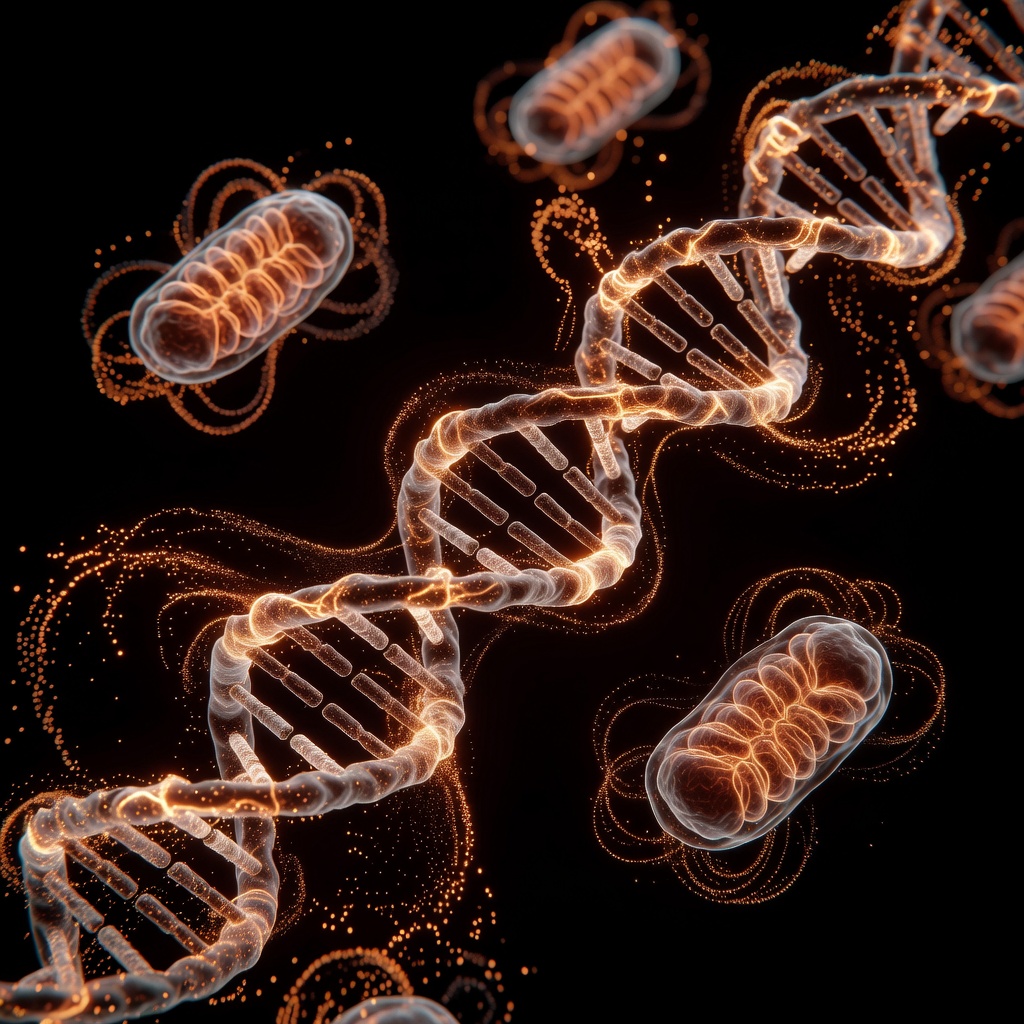
At the microscopic scale, the disruption caused by phthalates is a masterpiece of molecular sabotage. The most well-documented mechanism involves the inhibition of cholesterol transport, which is the foundational step in the production of all steroid hormones. All testosterone and oestrogen begin as cholesterol. To be converted into hormones, this cholesterol must be moved into the mitochondria of the Leydig cells by a transport protein called Steroidogenic Acute Regulatory protein (StAR).
Phthalates have been shown to significantly downregulate the expression of the StAR gene. When StAR is suppressed, cholesterol cannot enter the "engine room" of the cell. This creates a bottleneck that starves the entire downstream hormonal pathway. Furthermore, phthalates interfere with the activity of key enzymes within the mitochondria and the endoplasmic reticulum, most notably CYP11A1 (side-chain cleavage enzyme) and CYP17A1. These enzymes are responsible for transforming cholesterol into pregnenolone and subsequently into androstenedione and testosterone. By inhibiting these enzymes, phthalates ensure that even if a small amount of cholesterol makes it through, it cannot be processed into the androgenic signals required for health.
The Role of PPAR Receptors
Another sophisticated mechanism involves the Peroxisome Proliferator-Activated Receptors (PPARs), specifically PPAR-alpha and PPAR-gamma. These are nuclear receptor proteins that act as transcription factors, regulating gene expression. Phthalates and their metabolites are potent agonists (activators) of PPARs. While PPARs are essential for lipid metabolism, their over-activation by phthalates in the reproductive tissues leads to an imbalance in fatty acid oxidation and oxidative stress. This triggers apoptosis (programmed cell death) in Sertoli cells—the "nurse" cells that support and nourish developing sperm. When Sertoli cell populations are depleted, the capacity for sperm production is permanently diminished, a condition often irreversible in adulthood.
Insulin-like Factor 3 (INSL3) Suppression
In male developmental biology, the hormone Insulin-like factor 3 (INSL3) is critical for the first phase of testicular descent (transabdominal descent). Research has demonstrated that foetal exposure to phthalates causes a profound suppression of the Insl3 gene. This is a direct mechanism leading to cryptorchidism (undescended testes), a major risk factor for both male infertility and testicular cancer later in life. This is not a "hormone mimicry" effect; it is a direct suppression of a vital developmental protein, illustrating the "stealth" nature of phthalate interference.
ALARMING STATISTIC: Clinical studies have identified a "Phthalate Syndrome" in humans, characterised by a reduced Anogenital Distance (AGD) in male infants. A shorter AGD is a direct biomarker of insufficient androgen exposure in utero and is a robust predictor of low sperm quality and fertility issues in adult life.
##
Environmental Threats and Biological Disruptors
The ubiquity of phthalates is perhaps the greatest challenge to modern reproductive longevity. They are classified into two broad categories: Low Molecular Weight (LMW) and High Molecular Weight (HMW) phthalates. Each poses unique threats, but together they form a pincer movement on human biology.
Low Molecular Weight Phthalates (LMW)
These include Diethyl phthalate (DEP), Dibutyl phthalate (DBP), and Diisobutyl phthalate (DIBP). Because of their solvency and stability, they are the primary additives in personal care products. They are what allow a "fragrance" or "parfum" to linger on the skin for hours.
- Cosmetics and Toiletries: Shampoos, deodorants, hairsprays, and nail polishes are major sources. In the UK, despite some restrictions, the "fragrance" loophole allows manufacturers to hide phthalate content under the umbrella of trade secrets.
- Pharmaceutical Coatings: Many enteric-coated tablets, designed to survive stomach acid, use DBP to maintain flexibility in the coating. This results in direct, concentrated ingestion of the chemical.
High Molecular Weight Phthalates (HMW)
This group includes Di(2-ethylhexyl) phthalate (DEHP), Diisononyl phthalate (DINP), and Diodecyl phthalate (DIDP). These are used primarily in Polyvinyl Chloride (PVC) to make it flexible.
- Food Packaging: The largest source of HMW phthalate exposure is through our food supply. Phthalates are fat-soluble. When fatty foods—such as meats, cheeses, or oils—come into contact with plasticised PVC (in conveyor belts, gloves, or packaging), the phthalates migrate into the food.
- Medical Devices: Ironically, the places we go to seek health are often the most contaminated. Intravenous (IV) bags and tubing are frequently made of PVC plasticised with DEHP. Studies have shown that patients in intensive care, particularly neonates, are exposed to levels of DEHP thousands of times higher than the "safe" limits set by regulators.
- Microplastics and Dust: As plastic products degrade, they shed micro-particles into the household environment. Phthalates adhere to house dust, which is then inhaled or ingested, particularly by toddlers and infants who spend time on the floor and engage in hand-to-mouth behaviour.
##
The Cascade: From Exposure to Disease
The impact of phthalate exposure is not a single event but a cascade of biological failures that compounds over time. This cascade often begins before birth and manifests across the lifespan through a process known as foetal programming. When a pregnant woman is exposed to phthalates, the chemicals cross the placental barrier, reaching the developing foetus at its most vulnerable stage.
The Male Reproductive Cascade
In males, this manifests as the aforementioned "Phthalate Syndrome." Beyond physical malformations like hypospadias (misplaced urethral opening), the long-term impact is on the spermatogonial stem cells. Phthalates induce oxidative stress in the testes, leading to DNA fragmentation in sperm. This doesn't just make it harder to conceive; it increases the risk of miscarriage and developmental disorders in the offspring. We are seeing a generational decline where each successive generation is born with a lower "sperm-producing ceiling" due to the cumulative epigenetic effects of their ancestors' exposures.
The Female Reproductive Cascade
While much of the early research focused on males, the evidence for female reproductive disruption is equally harrowing. In women, phthalates are linked to:
- Oocyte Toxicity: Phthalates accelerate the depletion of the primordial follicle pool. Essentially, these chemicals cause the ovaries to "age" faster, leading to premature ovarian failure and early menopause.
- Endometriosis and Fibroids: Phthalates are known to disrupt the inflammatory response and oestrogen signalling in the uterine lining. High urinary concentrations of phthalate metabolites are consistently associated with a higher risk of severe endometriosis.
- Polycystic Ovary Syndrome (PCOS): By interfering with the HPG axis and inducing insulin resistance, phthalates contribute to the hormonal imbalances (hyperandrogenism in females) that define PCOS.
Epigenetic Sabotage
Perhaps most terrifying is the evidence for transgenerational epigenetic inheritance. Phthalates do not necessarily change the DNA sequence (they aren't traditional mutagens), but they change the epigenetic tags—the "switches" that tell genes when to turn on or off. Animal models have shown that if a "Great-Grandmother" is exposed to phthalates during pregnancy, the reproductive abnormalities can persist into the fourth generation, even if those subsequent generations were never directly exposed. This suggests we are "baking in" reproductive failure into the human genome.
##
What the Mainstream Narrative Omits
The mainstream media and regulatory bodies frequently downplay the danger of phthalates by relying on the antiquated toxicological maxim: "The dose makes the poison." This principle suggests that below a certain threshold, a chemical is harmless. However, modern endocrinology has exposed this as a dangerous fallacy when applied to EDCs.
Phthalates exhibit non-monotonic dose-response curves. This means that they can actually be more disruptive at extremely low doses than at high doses. At high doses, a chemical might trigger the cell’s defence mechanisms or cause overt toxicity that the body rejects. At low doses—the levels we encounter in the environment—the chemical "sneaks" under the radar, perfectly mimicking or blocking natural hormones. Regulatory "safe limits" are almost always calculated based on high-dose animal studies, completely ignoring the low-dose endocrine interference that defines real-world human exposure.
Furthermore, the narrative rarely mentions the mixture effect. Regulators assess the safety of DEHP in isolation, DBP in isolation, and DEP in isolation. They do not account for the "chemical cocktail" that the average British citizen carries in their blood. We are exposed to dozens of different phthalates simultaneously, alongside other EDCs like parabens and flame retardants. Research shows that these chemicals act synergistically—the combined effect of five phthalates is far greater than the sum of their individual parts.
THE TRUTH EXPOSED: The plastic industry has consistently used "regrettable substitution." When one phthalate (like DEHP) becomes too publically notorious and is restricted, companies simply switch to a chemically similar alternative (like DINP) that hasn't been studied as thoroughly, allowing the cycle of exposure to continue while claiming the product is "DEHP-free."
##
The UK Context
In the United Kingdom, the landscape of phthalate exposure is shaped by a complex interplay of post-Brexit regulation, industrial legacy, and ageing infrastructure. Following the UK’s departure from the European Union, the responsibility for chemical safety shifted to UK REACH (Registration, Evaluation, Authorisation and Restriction of Chemicals), managed by the Health and Safety Executive (HSE).
However, there are growing concerns among the scientific community that the UK is "de-coupling" from the more stringent EU protective standards. While the EU has moved to ban or severely restrict "The Big Four" phthalates (DEHP, DBP, BBP, and DIBP) in all consumer products, the UK's regulatory pace has been criticised as sluggish. The Environment Agency has flagged that British waterways are contaminated with phthalate residues, largely due to run-off from industrial sites and the breakdown of plastic waste in our over-stressed sewage systems.
The NHS Burden
The impact on the National Health Service is staggering. The UK is currently facing a fertility crisis, with 1 in 7 couples struggling to conceive. The demand for Assisted Reproductive Technology (ART) and IVF has soared. While the NHS provides limited funding for these treatments, the root cause—environmental chemical interference—is rarely addressed in clinical protocols. We are spending millions of pounds trying to "bypass" infertility through high-tech medical intervention rather than addressing the chemical sabotage that is causing the infertility in the first place.
Moreover, the Food Standards Agency (FSA) has been slow to mandate phthalate-free food processing equipment. In the UK dairy industry, for example, the flexible plastic tubing used in milking machines is a known source of phthalate leaching into milk. Because these chemicals are lipophilic (fat-loving), the high-fat content of whole milk makes it an ideal "sink" for these toxins, which are then delivered directly to the developing children who consume them.
##
Protective Measures and Recovery Protocols
While the systemic presence of phthalates is daunting, individuals are not powerless. Protecting reproductive health requires a two-pronged approach: Aggressive Avoidance and Metabolic Support.
Aggressive Avoidance Strategy
To lower your body burden, you must audit your environment with scientific rigour.
- Eliminate Plastic Food Storage: Transition exclusively to glass, stainless steel, or ceramic. Never, under any circumstances, microwave food in plastic containers, as heat accelerates the leaching of phthalates by orders of magnitude.
- The "Fragrance" Ban: Avoid any product listing "fragrance," "parfum," or "aroma" unless it is specifically labelled as phthalate-free or scented with pure essential oils. This includes laundry detergents, air fresheners, and personal care items.
- Water Filtration: Use a high-quality water filtration system that incorporates Activated Carbon or Reverse Osmosis. Standard "jug" filters are often insufficient for removing the full spectrum of plasticizers.
- Dietary Shifts: Phthalates accumulate in animal fats. Reducing consumption of processed meats and choosing organic, grass-fed dairy (ideally from sources that use glass bottling) can significantly reduce exposure. Wash all produce thoroughly to remove pesticide residues, which often contain phthalates as "inert" surfactants.
Metabolic Recovery Protocols
The body does have pathways to detoxify phthalates, primarily through the liver via glucuronidation (a Phase II detoxification pathway). You can support these pathways through targeted nutrition:
- Sulforaphane and Cruciferous Vegetables: Broccoli sprouts, kale, and cabbage contain sulforaphane, which induces Phase II enzymes, helping the liver conjugate and excrete phthalate metabolites.
- N-Acetyl Cysteine (NAC): As a precursor to Glutathione, the body’s master antioxidant, NAC is critical for defending cells against the oxidative stress induced by phthalates.
- Calcium D-Glucarate: This compound inhibits an enzyme called beta-glucuronidase, which can "un-stick" toxins that the liver has already processed, preventing them from being reabsorbed into the bloodstream.
- Sweating: Phthalates and their metabolites have been detected in human sweat. Regular use of a sauna (particularly infrared) can serve as an auxiliary excretion pathway for these persistent chemicals.
##
Summary: Key Takeaways
The threat posed by phthalates is not a distant "risk" but a current biological reality. These chemicals have successfully infiltrated the human endocrine system, acting as a stealth signal that mutes the androgenic pathways necessary for reproductive health and developmental integrity.
- Molecular Sabotage: Phthalates disrupt the HPG axis by inhibiting cholesterol transport (StAR protein) and suppressing critical enzymes (CYP11A1, CYP17A1), effectively "starving" the body of essential sex hormones.
- The Vulnerable Window: Foetal exposure during the Masculinisation Programming Window (MPW) causes permanent alterations to reproductive capacity, evidenced by the "Phthalate Syndrome" and reduced anogenital distance.
- Systemic Failure: Regulatory bodies (UK REACH, HSE) are failing to account for the non-monotonic dose-response of EDCs and the synergistic "mixture effect" of combined chemical exposures.
- Widespread Infertility: The UK’s fertility crisis—marked by declining sperm counts and rising rates of PCOS and endometriosis—is inextricably linked to the ubiquity of plasticizers in food, water, and consumer goods.
- Proactive Defence: Mitigating the risk requires a radical shift away from plastic dependency and the use of metabolic supports like NAC and sulforaphane to enhance the body’s natural detoxification capacity.
The "Plastic Age" has provided convenience at the cost of our biological heritage. Unless we recognise the stealth signal of phthalates and demand a radical restructuring of our chemical environment, the trajectory of human reproductive decline may soon reach a point of no return. Truth-seeking in health begins with acknowledging that our modern environment is, by design, hostile to our fundamental biology. It is time to reclaim our endocrine health from the silent grip of phthalates.
This article is provided for informational and educational purposes only. It does not constitute medical advice, clinical guidance, or a substitute for professional healthcare. Information reflects cited research at time of publication. Always consult a qualified healthcare professional before acting on any health information.
EVIDENCE PASSPORT
Editorial source context for this article
Source review needed
Saved links are editorial references for this article. They may support specific claims rather than every sentence. Open and assess each source in context. This passport does not independently verify them.
Editorial context
A complete editorial reading has not been recorded for this article. Source links remain available for you to open and assess directly.
Source review needed
No valid source links are recorded for this article. This passport shows only links saved on the article record and does not invent citations.
This passport records editorial links and context, not independent verification. Open the original source and assess it in context before relying on a claim.
Medical Disclaimer
The information in this article is for educational purposes only and does not constitute medical advice, diagnosis, or treatment. Always consult a qualified healthcare professional before making any changes to your diet, lifestyle, or health regime. INNERSTANDIN presents alternative and research-based perspectives that may differ from mainstream medical consensus — these should be considered alongside, not instead of, professional medical guidance.
Read Full DisclaimerContinue the thread
Keep this question moving.
Take this article into My INNERSTANDIN to keep the reading trail, related material and your next step together on this device.
Explore this in the Body Map
See where this hits your biology. Interactive anatomy, threats, and protective protocols.
Dig deeper in the Library
Free, longform PDF volumes that go beyond headlines into mechanisms and references.