
Subcellular Thyroid Hormone Signaling: The Impact of Iodine Deficiency on Mitochondrial Bioenergetics
An exploration into the critical relationship between iodine status, thyroid hormone availability, and the efficiency of mitochondrial energy production. This article delves into the genomic and non-genomic mechanisms that govern metabolic health at a cellular level.

# Subcellular Thyroid Hormone Signaling: The Impact of Iodine Deficiency on Mitochondrial Bioenergetics\n\n## The Bioenergetic Foundation of Health\n\nIn the landscape of metabolic health, the thyroid gland is often heralded as the \"master controller\" of the human metabolism. However, to truly understand the root cause of metabolic dysfunction, we must look beyond the macroscopic gland and into the microscopic machinery of the cell: the mitochondria. At INNERSTANDING, we emphasise the subcellular perspective, recognising that systemic health is an emergent property of mitochondrial efficiency. The nexus of this relationship is iodine—a trace element whose deficiency does not merely slow a gland, but fundamentally cripples the bioenergetic capacity of every cell in the body.\n\n## Iodine: The Essential Component of Metabolic Fuel\n\nThe primary physiological role of iodine is the synthesis of the thyroid hormones, thyroxine (T4) and triiodothyronine (T3). These hormones are unique in the biological world because they incorporate a halogen atom—iodine—directly into their structure.
T4 contains four iodine atoms, while the more metabolically active T3 contains three. \n\nWithout sufficient iodine, the thyroid gland is unable to manufacture these molecules in adequate quantities. While the body possesses compensatory mechanisms, such as the upregulation of Thyroid Stimulating Hormone (TSH) to force more iodine uptake, a chronic state of iodine deficiency leads to a shortfall in circulating T3. This shortfall is the trigger for a cascade of subcellular failures, starting with the most energy-intensive organelles: the mitochondria.\n\n## Subcellular Signaling: Genomic vs. Non-Genomic Pathways\n\nTo understand how iodine deficiency impacts energy production, we must distinguish between the two primary ways thyroid hormones interact with our cells.\n\n### 1. Genomic Signaling\nThyroid hormones traditionally exert their influence via nuclear receptors.
T3 enters the cell nucleus and binds to Thyroid Hormone Receptors (TRs), which then bind to specific sequences of DNA called Thyroid Response Elements (TREs). This process regulates the transcription of thousands of genes, many of which encode enzymes for the Electron Transport Chain (ETC) and proteins required for mitochondrial biogenesis.\n\n### 2. Non-Genomic Signaling\nRecent research has highlighted a more immediate, non-genomic pathway. T3 can bind directly to receptors within the mitochondria themselves—specifically the Mitochondrial T3 Receptor (mtT3R), a truncated form of the nuclear receptor. This binding allows for the direct and rapid stimulation of mitochondrial activity, bypassing the time-consuming process of gene transcription.
When iodine is deficient, this direct \"spark\" for energy production is extinguished.\n\n## The Impact on Mitochondrial Bioenergetics\n\nMitochondria are the powerhouses of the cell, responsible for generating Adenosine Triphosphate (ATP) through a process known as oxidative phosphorylation (OXPHOS). This process occurs along the inner mitochondrial membrane via the Electron Transport Chain. Iodine deficiency, through its impact on T3 levels, disrupts this chain at several critical points:\n\n### Cytochrome c Oxidase (Complex IV)\nT3 is a direct stimulator of Cytochrome c Oxidase, the terminal enzyme of the ETC. This enzyme is responsible for the final step of oxygen consumption and the creation of a proton gradient that drives ATP synthesis. Reduced T3 availability leads to a decrease in the activity and concentration of Complex IV, resulting in a bioenergetic bottleneck where oxygen cannot be effectively utilised to create energy.\n\n### Mitochondrial Membrane Potential\nThe efficiency of ATP production depends on the maintenance of a specific electrical potential across the mitochondrial membrane.
Thyroid hormones help regulate the permeability of this membrane. In an iodine-deficient state, the membrane becomes \"leaky,\" allowing protons to escape without contributing to ATP production—a process known as uncoupling. This results in the generation of heat instead of usable energy, contributing to the cold intolerance frequently seen in those with thyroid loading issues.\n\n### Mitophagy and Mitochondrial Quality Control\nIodine deficiency does not just reduce the activity of existing mitochondria; it prevents the body from clearing out damaged ones. T3 signaling is essential for mitophagy—the cellular process of identifying and recycling dysfunctional mitochondria. Without this \"quality control,\" the cell becomes cluttered with inefficient, ageing organelles that produce high levels of oxidative stress (Reactive Oxygen Species) while failing to meet the cell's ATP demands.\n\n## The Downward Spiral of Hypometabolism\n\nThe systemic symptoms of iodine deficiency—brain fog, chronic fatigue, weight gain, and depression—are not merely \"symptoms\"; they are the macroscopic manifestations of a subcellular energy crisis.
When mitochondrial bioenergetics fail, the body enters a state of hypometabolism to conserve resources. \n\nThis state is a survival mechanism. By slowing down the ATP-intensive processes of protein synthesis, thermogenesis, and active transport, the body attempts to match its energy expenditure to its diminished energy production capacity. However, in our modern world, this prolonged state of conservation leads to the accumulation of metabolic waste and the degradation of tissue function, ultimately manifesting as chronic disease.\n\n## Root-Cause Correction: The Iodine Loading Perspective\n\nAt INNERSTANDING, our approach to iodine deficiency involves more than just meeting the basic Recommended Dietary Allowance (RDA), which was historically designed only to prevent goitre. To restore mitochondrial bioenergetics, one must consider the concept of \"whole-body iodine sufficiency.\"\n\nIodine loading protocols aim to saturate not just the thyroid gland, but the peripheral tissues and the subcellular compartments that rely on iodine and its hormonal derivatives. By restoring iodine levels, we provide the raw materials necessary to re-establish the T3 signaling required for mitochondrial biogenesis and ETC efficiency. \n\nHowever, this process must be supported by co-factors.
Selenium is required for the deiodinase enzymes that convert T4 to the active T3. Magnesium is essential for the stabilization of ATP. Without these co-factors, iodine supplementation may not translate into mitochondrial efficiency. Health is a symphony of nutrients working in concert.\n\n## Conclusion\n\nThe link between iodine and the thyroid is well-known, but the link between iodine and the mitochondria is where the true power of metabolic restoration lies. By understanding that iodine deficiency is a fundamental disruption of subcellular signaling, we move away from treating symptoms and toward supporting the very essence of life: cellular energy production.
To optimise your thyroid is to optimise your mitochondria, and to optimise your mitochondria is to reclaim your vitality at the root level.", "tags": ["Iodine Deficiency", "Mitochondrial Health", "Thyroid Hormones", "Bioenergetics", "Subcellular Signaling", "Endocrinology", "Innerstanding"], "reading_time": 8}
This article is provided for informational and educational purposes only. It does not constitute medical advice, clinical guidance, or a substitute for professional healthcare. Information reflects cited research at time of publication. Always consult a qualified healthcare professional before acting on any health information.
RESEARCH FOUNDATIONS
Biological Credibility Archive
Citations provided for educational reference. Verify via PubMed or institutional databases.
Medical Disclaimer
The information in this article is for educational purposes only and does not constitute medical advice, diagnosis, or treatment. Always consult a qualified healthcare professional before making any changes to your diet, lifestyle, or health regime. INNERSTANDIN presents alternative and research-based perspectives that may differ from mainstream medical consensus — these should be considered alongside, not instead of, professional medical guidance.
Read Full DisclaimerReady to learn more?
Continue your journey through our classified biological research.
THE ARSENAL
Based on Iodine Deficiency & Thyroid Loading Protocols — products curated by our research team for educational relevance and biological support.
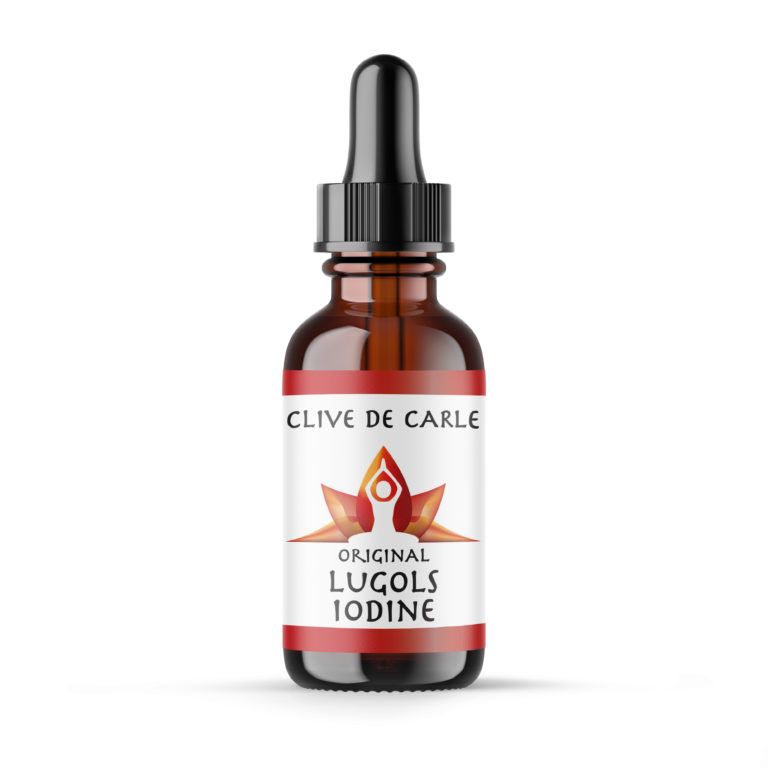
Lugol’s Iodine – Hormonal Issues, Menopause, Immune System, Brain Fog, Memory, Thyroid, Dry Skin
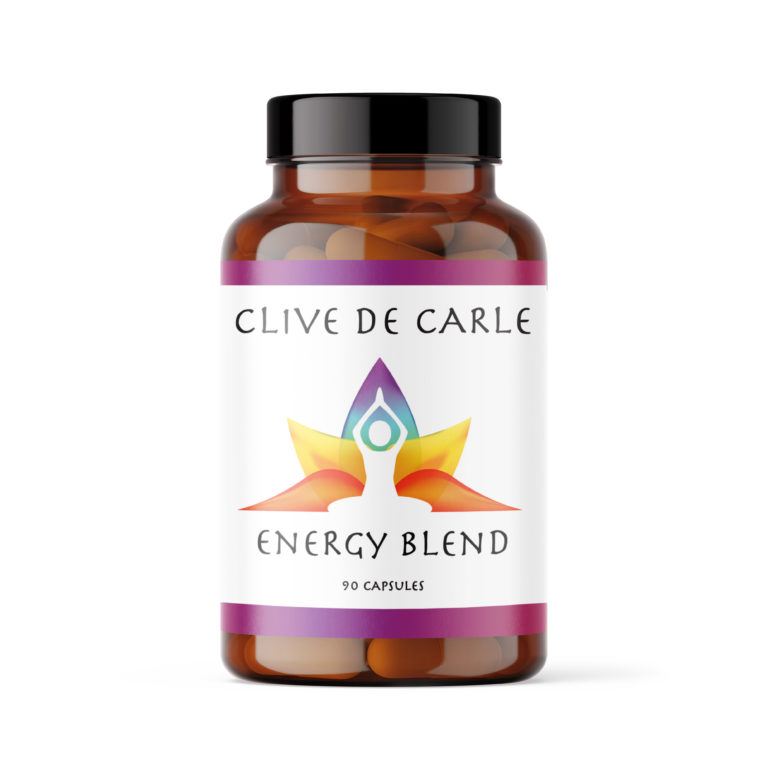
Energy Blend Supports

Rejuvenation Pack – Essential Vitamins and Minerals for Health Restoration
INNERSTANDING may earn a commission on purchases made through these links. All products are selected based on rigorous educational relevance to our biological research.