
Synthetic Progestins: Risks to Perinatal Neurodevelopment
Updated May 2026
Synthetic progestins used to prevent preterm birth may have unintended effects on the developing fetal brain. Research suggests these compounds alter the neuroendocrine environment during critical growth periods.
Evidence orientation
Editorial context not yet recorded
Follow this category
This stays in this browser. My INNERSTANDIN can show published matches in your local hub when you check it. It does not send email, push, or alert notifications.
Local learning review
A private browser aid for revisiting ideas. It is not an alert or a health recommendation.
Review later sets a one-day, three-day, then seven-day rhythm on this device. Choose it only when you want to revisit this article.
Overview
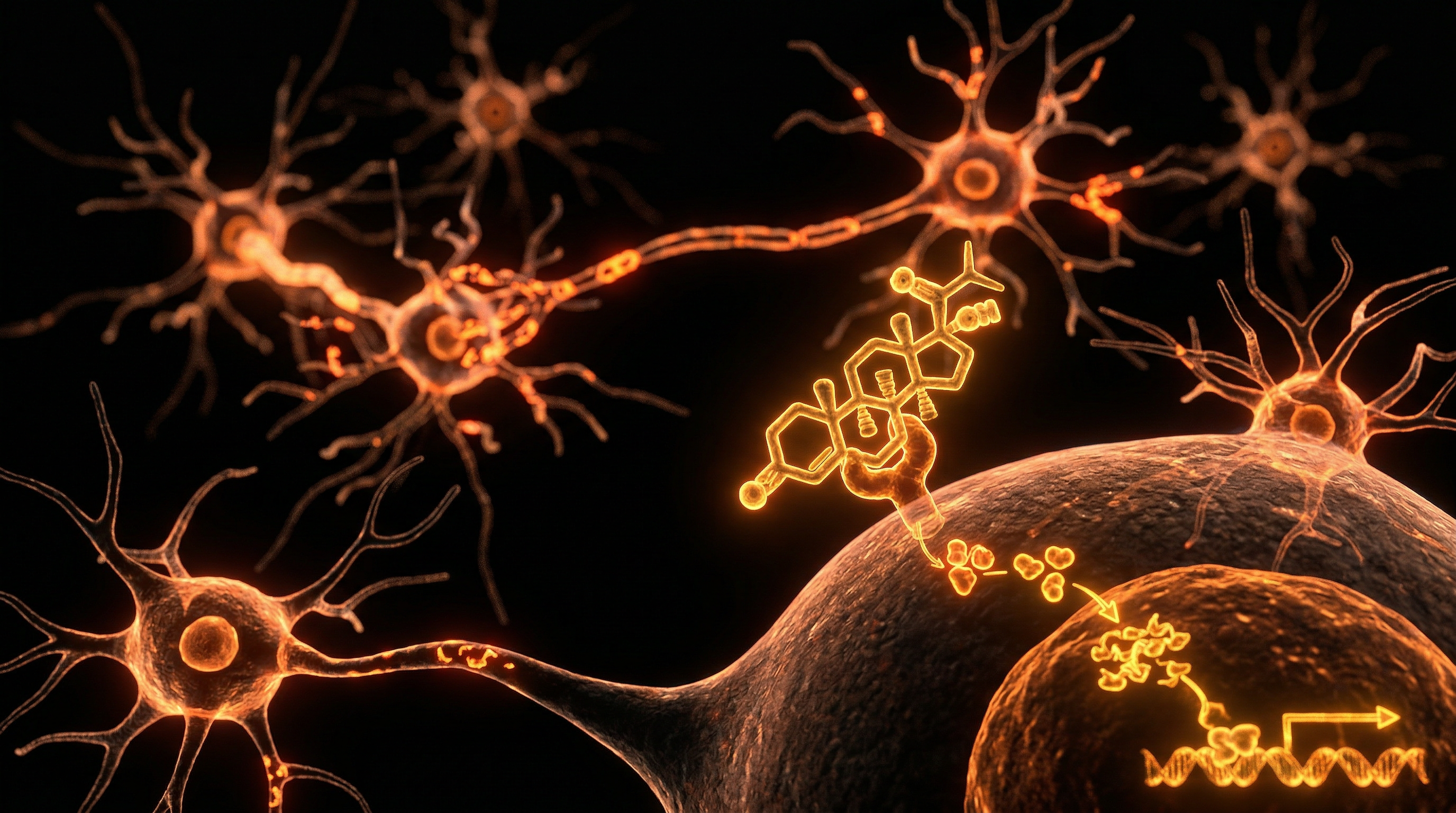
The landscape of modern obstetrics is increasingly defined by pharmacological intervention, often under the guise of "preventative care." One of the most pervasive, yet scientifically contentious, interventions involves the administration of synthetic progestins—compounds designed to mimic natural progesterone—to pregnant women deemed at risk for preterm birth. While the intention is to extend gestation, a burgeoning body of molecular and epidemiological evidence suggests that we are inadvertently tampering with the fundamental blueprint of the human brain.
The perinatal period represents the most sensitive window of biological vulnerability. During these crucial weeks and months, the fetal brain undergoes a precise sequence of neurogenesis, migration, and synaptogenesis, all of which are orchestrated by a delicate dance of endogenous hormones. When we introduce high doses of synthetic analogues, such as 17α-hydroxyprogesterone caproate (17-OHPC) or medroxyprogesterone acetate (MPA), we are not simply "supporting" the pregnancy; we are flooding the developing fetal environment with potent endocrine disruptors that lack the neuroprotective metabolites of natural progesterone.
Key Statistic: Research indicates that exposure to synthetic progestins during critical windows of gestation can alter the expression of over 1,000 genes in the fetal hypothalamus, the master regulator of the endocrine system.
The "progestin myth" rests on the fallacy that synthetic analogues are functionally identical to the progesterone produced by the corpus luteum and the placenta. In reality, these molecules possess significantly different binding affinities for various steroid receptors, leading to unintended consequences that may not manifest until years—or even decades—after birth. This article serves as a deep dive into the iatrogenic risks of synthetic progestins, exposing the mechanisms by which they disrupt neurodevelopmental trajectories and the structural silence from regulatory bodies that permits their continued use.
The Biology — How It Works
To understand the risk, one must first appreciate the role of endogenous progesterone. Known as the "pregnancy hormone," progesterone is essential for maintaining uterine quiescence. However, its role extends far beyond the womb. In the brain, progesterone acts as a precursor to neurosteroids, most notably allopregnanolone.
The Neurosteroid Pathway
Natural progesterone is metabolised by the enzymes 5α-reductase and 3α-hydroxysteroid dehydrogenase into allopregnanolone. This compound is a potent positive allosteric modulator of the GABA(A) receptor. In the developing fetus, GABAergic signalling is the primary driver of neuronal proliferation and circuit formation.
- Natural Progesterone: Crosses the blood-brain barrier, provides neuroprotection, and facilitates the development of inhibitory neurotransmission.
- Synthetic Progestins: Many of these compounds, particularly those derived from testosterone (19-nortestosterone derivatives), cannot be converted into neuroprotective metabolites like allopregnanolone. Instead, they occupy the receptors, effectively blocking the beneficial actions of the mother’s natural hormones.
The Structural Mismatch
Synthetic progestins are engineered for stability and potency in preventing uterine contractions. However, their molecular structure allows them to bind with high affinity to other steroid receptors, including:
- Androgen Receptors (AR): Potentially masculinising or feminising the brain outside of natural genetic parameters.
- Glucocorticoid Receptors (GR): Altering the fetal stress response (HPA axis) permanently.
- Mineralocorticoid Receptors (MR): Impacting fluid balance and cardiovascular programming.
By binding to these "off-target" receptors, synthetic progestins act as endocrine disruptors, sending conflicting signals to the developing fetal tissues at a time when precision is paramount.
Mechanisms at the Cellular Level
The damage occurs at the microscopic level, often invisible to standard obstetric monitoring. The primary concern is epigenetic programming. Synthetic progestins can induce changes in DNA methylation and histone modification, essentially "locking" certain genes into an "on" or "off" position during fetal development.
Disruption of Neural Migration
During the second and third trimesters, neurons migrate from the ventricular zone to their final destination in the cerebral cortex. This process is highly dependent on the hormonal environment. Synthetic progestins have been shown in animal models to disrupt the radial glial cells, which serve as the scaffolding for this migration.
The Synaptic Pruning Interference
A healthy brain requires the "pruning" of unnecessary synaptic connections to function efficiently. Allopregnanolone, derived from natural progesterone, modulates this process. When synthetic progestins displace natural progesterone, they inhibit the production of allopregnanolone, leading to a failure in synaptic refinement. This is often linked to the neurobiology of Autism Spectrum Disorder (ASD) and ADHD, where the brain exhibits an "over-connectivity" of local circuits and a "under-connectivity" of long-range circuits.
Important Fact: Unlike bioidentical progesterone, synthetic progestins can increase the permeability of the blood-brain barrier in the fetus, allowing other environmental toxins to enter the brain more easily.
Mitochondrial Dysfunction
Recent studies suggest that synthetic progestins interfere with mitochondrial biogenesis in fetal neurons. Mitochondria are the powerhouses of the cell, and the high metabolic demand of the developing brain makes it uniquely sensitive to energy deficits. Progestin-induced mitochondrial stress can lead to increased production of reactive oxygen species (ROS), causing oxidative damage to developing DNA.
Environmental Threats and Biological Disruptors
The risk of synthetic progestins is not isolated. We live in an era of "chemical cocktails," where the fetus is already exposed to a barrage of Xenoestrogens (like Bisphenol A) and other endocrine-disrupting chemicals (EDCs).
Synergistic Toxicity
When a mother is prescribed synthetic progestins, these compounds do not act in a vacuum. They interact with:
- Phthalates: Found in plastics, which also disrupt androgen signalling.
- Glyphosate: Which can impair the gut-brain axis and further disrupt the maternal microbiome.
- Stress Hormones: High maternal cortisol levels combined with synthetic progestins can hyper-sensitise the fetal amygdala, leading to lifelong anxiety disorders.
The "Multi-Hit" Hypothesis
In toxicology, the "multi-hit" hypothesis suggests that neurodevelopmental disorders are rarely the result of a single exposure. Instead, synthetic progestins may act as the "first hit," priming the fetal brain to be hyper-responsive to later environmental challenges, such as childhood vaccinations, poor nutrition, or psychological trauma.
- Hit 1: Synthetic progestin exposure (altered receptor sensitivity).
- Hit 2: Environmental toxin exposure (increased oxidative stress).
- Hit 3: Nutritional deficiency (lack of methyl donors like folate or B12).
This cascade explains why some children exposed to progestins appear healthy at birth but develop significant neurodevelopmental or metabolic issues as they reach puberty.
The Cascade: From Exposure to Disease
The long-term consequences of altering the fetal neuroendocrine environment are profound. We are seeing a rising tide of conditions that correlate with the increased use of hormonal interventions in pregnancy.
Neuropsychiatric Outcomes
The most documented risks involve behavioural and cognitive shifts. Exposure to synthetic progestins has been linked in longitudinal studies to:
- Increased Risk of ASD: Due to the disruption of GABAergic architecture.
- Gender Incongruence: By interfering with the androgenisation of the brain during the "critical window" of sexual differentiation (usually between weeks 8 and 24 of gestation).
- Major Depressive Disorder (MDD): Resulting from a permanently dysregulated HPA axis.
Metabolic Programming
The fetal brain controls the body's future metabolic set point. By altering the development of the hypothalamus, synthetic progestins may program the fetus for "thrifty" metabolism, leading to:
- Insulin Resistance in childhood.
- Polycystic Ovary Syndrome (PCOS) in female offspring, creating a transgenerational cycle of endocrine dysfunction.
- Obesity: Due to altered leptin signalling in the brain.
Callout: A landmark study in The Journal of Clinical Endocrinology & Metabolism found that offspring exposed to 17-OHPC had a significantly higher risk of developing cancer as adults, particularly colorectal and prostate cancers, suggesting a deep epigenetic reprogramming of cellular growth.
What the Mainstream Narrative Omits
The medical establishment, particularly in the United States and parts of Europe, has been slow to acknowledge these risks. The narrative focuses almost exclusively on the "reduction of preterm birth," even though the data on the efficacy of synthetic progestins is remarkably weak.
The Makena Scandal
In the United States, the brand-name drug Makena (a form of 17-OHPC) was granted "accelerated approval" by the FDA based on a small study. However, a much larger follow-up trial (the PROLONG study) found that the drug was no more effective than a placebo in preventing preterm birth. Despite this, it took years for the FDA to recommend its withdrawal from the market, and in many jurisdictions, generic versions are still widely used.
The Profit Over Safety Paradigm
The manufacture and administration of synthetic progestins is a multi-billion pound industry. Natural, bioidentical progesterone is relatively cheap and cannot be patented in the same way as synthetic analogues. This creates a financial incentive for pharmaceutical companies to promote synthetic versions, despite the known biological superiority of the natural hormone.
- Scientific Gaslighting: Mothers who report developmental delays in their children after progestin use are often told that the delays are due to the "prematurity itself," rather than the drug used to prevent it.
- Regulatory Capture: Many of the clinical guidelines recommending progestins are written by panels with significant ties to the pharmaceutical industry.
The UK Context
In the United Kingdom, the use of progestogens to prevent preterm birth is governed by NICE (National Institute for Health and Care Excellence) guidelines. While the UK has been more cautious than the US, the trend is moving toward increased pharmacological management of pregnancy.
NHS Protocols
Currently, the NHS recommends the use of vaginal progesterone (often as Utrogestan or Cyclogest) for women with a short cervix or a history of preterm birth. While vaginal progesterone is often bioidentical, the dosages and the long-term neurodevelopmental outcomes of the offspring remain under-researched in the UK population.
The Rise of "Private" Obstetric Care
Many women in the UK seeking private care are offered "progesterone support" as a standard part of IVF or high-risk pregnancy protocols. In these settings, synthetic progestins like Lubion (injectable) are frequently used. The lack of a centralised registry to track the long-term health of these "progestin babies" is a significant gap in the UK's public health infrastructure.
- The NICE Dilemma: NICE often relies on "cost-effectiveness" models. If a drug prevents even a few days of expensive NICU (Neonatal Intensive Care Unit) care, it may be deemed "cost-effective" even if the long-term cost of treating ADHD or ASD in that child is much higher.
Protective Measures and Recovery Protocols
For those who have been exposed to synthetic progestins or are currently navigating a high-risk pregnancy, there are biological strategies to mitigate the risks.
During Pregnancy
If "progesterone support" is deemed medically necessary, mothers must advocate for bioidentical progesterone (micronised progesterone) rather than synthetic analogues.
- Dosage Monitoring: Ensuring that levels are kept within physiological norms, rather than supraphysiological levels.
- Nutritional Buffering: Increasing intake of Choline and DHA. Choline is essential for healthy gene methylation and can help protect the fetal brain from the epigenetic disruptions caused by progestins.
Postnatal Recovery for the Offspring
If a child has been exposed in utero, the focus should shift to "epigenetic rescue" through environmental and nutritional interventions.
- Optimising the Microbiome: Since the gut-brain axis is often compromised, high-quality probiotics and a diverse diet are essential.
- Magnesium Supplementation: Magnesium is a natural calcium channel blocker and supports GABAergic stability, potentially counteracting the excitotoxicity caused by low allopregnanolone levels during development.
- Neuro-Developmental Therapy: Early intervention with sensory integration therapy can help "re-wire" the synaptic pathways that were disrupted during the pruning phase.
Endocrine Detoxification
As the child reaches puberty—a second critical window of brain development—it is vital to avoid further endocrine disruptors.
- Water Filtration: To remove pharmaceutical residues and fluoride.
- Organic Nutrition: To minimize exposure to pesticides that act as xenoestrogens.
Summary: Key Takeaways
The use of synthetic progestins in pregnancy represents one of the most significant "uncontrolled experiments" in modern medicine. By prioritising short-term gestational extension over long-term neurological integrity, the current obstetric model is failing mothers and their children.
- Synthetic vs. Natural: Synthetic progestins (like 17-OHPC) are not bioidentical and lack the neuroprotective properties of natural progesterone.
- Receptor Cross-Talk: These drugs bind to androgen and glucocorticoid receptors, permanently altering the fetal brain’s architecture and stress response.
- Neurodevelopmental Link: There is a clear, mechanistic link between synthetic progestin exposure and the rising rates of ASD, ADHD, and mood disorders.
- Regulatory Failure: Despite evidence of lack of efficacy (the PROLONG trial), these drugs continue to be prescribed due to institutional inertia and pharmaceutical profit.
- Protection is Possible: Through the use of bioidentical hormones, specific nutrients like choline, and a strict avoidance of environmental EDCs, the iatrogenic impact can be reduced.
We must move toward a Physiological Obstetric Model—one that respects the intricate hormonal dance of pregnancy and views pharmacological intervention not as a first resort, but as a high-risk exception. The health of future generations depends on our willingness to question the safety of these synthetic "pregnancy savers" and demand a higher standard of biological evidence.
This article is provided for informational and educational purposes only. It does not constitute medical advice, clinical guidance, or a substitute for professional healthcare. Information reflects cited research at time of publication. Always consult a qualified healthcare professional before acting on any health information.
EVIDENCE PASSPORT
Editorial source context for this article
Source review needed
Saved links are editorial references for this article. They may support specific claims rather than every sentence. Open and assess each source in context. This passport does not independently verify them.
Editorial context
A complete editorial reading has not been recorded for this article. Source links remain available for you to open and assess directly.
Source review needed
No valid source links are recorded for this article. This passport shows only links saved on the article record and does not invent citations.
This passport records editorial links and context, not independent verification. Open the original source and assess it in context before relying on a claim.
Medical Disclaimer
The information in this article is for educational purposes only and does not constitute medical advice, diagnosis, or treatment. Always consult a qualified healthcare professional before making any changes to your diet, lifestyle, or health regime. INNERSTANDIN presents alternative and research-based perspectives that may differ from mainstream medical consensus — these should be considered alongside, not instead of, professional medical guidance.
Read Full DisclaimerContinue the thread
Keep this question moving.
Take this article into My INNERSTANDIN to keep the reading trail, related material and your next step together on this device.
Explore this in the Body Map
See where this hits your biology. Interactive anatomy, threats, and protective protocols.
Dig deeper in the Library
Free, longform PDF volumes that go beyond headlines into mechanisms and references.