
Telomere Attrition and DNA Damage Responses: Root Causes of Bone Marrow Failure Syndromes in Adults
A comprehensive analysis of the molecular drivers behind bone marrow failure in adults, focusing on the interplay between telomere erosion and the DNA damage response.
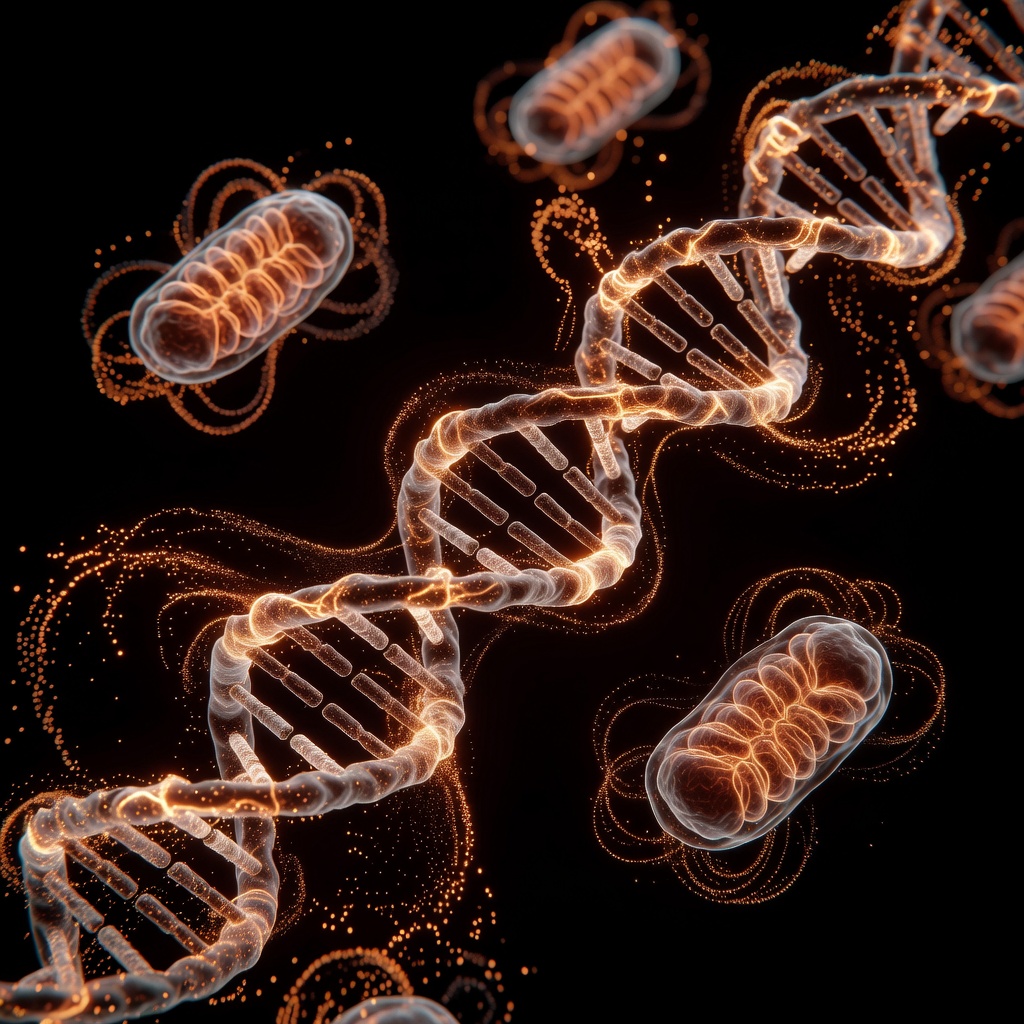
# Telomere Attrition and DNA Damage Responses: Root Causes of Bone Marrow Failure Syndromes in Adults The human bone marrow is a site of staggering biological activity. Every single day, it produces approximately 500 billion new blood cells to sustain oxygen transport, immune surveillance, and coagulation. At the heart of this industrial-scale production line are Haematopoietic Stem Cells (HSCs). While these cells possess a remarkable capacity for self-renewal, they are not immortal. In the context of adult-onset Bone Marrow Failure Syndromes (BMFS), the decline of this regenerative capacity is increasingly traced back to two fundamental molecular processes: the erosion of telomeres and the activation of chronic DNA damage responses (DDR).
Understanding these root causes is essential for moving beyond symptomatic treatment toward targeted, precision-based medicine. ## The Sentinel at the End of the Chromosome: Telomeres Telomeres are protective hexameric repeats (TTAGGG in humans) located at the termini of linear chromosomes. Their primary function is to serve as a biological 'buffer,' preventing the cell's repair machinery from mistakenly identifying the natural ends of chromosomes as double-strand breaks. In healthy haematopoiesis, telomeres naturally shorten with each cell division due to the 'end-replication problem'—the inability of DNA polymerase to fully replicate the very tip of the lagging strand. To counteract this, HSCs express telomerase, an enzyme complex consisting of a reverse transcriptase (TERT) and an RNA template (TERC). However, telomerase activity in adult HSCs is strictly limited.
It is sufficient to slow the rate of attrition but insufficient to prevent it entirely. When telomeres reach a critically short length, they lose their protective structure (a process known as 'uncapping'). This uncapped state triggers a permanent arrest in the cell cycle, known as replicative senescence, or leads directly to apoptosis (programmed cell death). In adults, premature or accelerated telomere attrition serves as a primary root cause for bone marrow failure, effectively depleting the pool of functional HSCs. ## DNA Damage Response (DDR): The Guardian’s Burden While telomere shortening is a form of programmed genomic instability, HSCs are also subjected to constant endogenous and exogenous DNA damage. These include reactive oxygen species (ROS) generated during normal cellular metabolism, replication stress, and exposure to environmental toxins.
The DNA Damage Response (DDR) is a sophisticated surveillance and repair network designed to preserve genomic integrity. The most critical components of this pathway include sensors like the ATM and ATR kinases, and the tumour suppressor protein p53. When DNA damage occurs, the DDR pauses the cell cycle to allow for repair. However, if the damage is too severe or the repair mechanisms are faulty—as seen in conditions like Fanconi Anaemia or certain variants of Myelodysplastic Syndromes (MDS)—the cell is forced into a 'pro-failure' state. In adult patients, a chronic state of DDR activation can be counterproductive.
Instead of protecting the marrow, the constant signalling of damage leads to an overactive p53 response, which clears out too many HSCs, leading to the cytopenias (low blood counts) characteristic of marrow failure. ## The Pathological Convergence: When Telomeres and DDR Collide The most profound insights into bone marrow failure come from understanding how telomere attrition and DDR are interconnected. Uncapped telomeres are specifically recognised by the cell as DNA double-strand breaks. This means that severe telomere shortening directly activates the DDR. In adults, this creates a 'perfect storm' for marrow exhaustion. In 'cryptic' or late-onset forms of Dyskeratosis Congenita (a telomere biology disorder), mutations in the telomerase complex or associated proteins (like DKC1, TINF2, or RTEL1) lead to exceptionally short telomeres.
These patients often present in their 30s or 40s not with the classic physical features of the disease (like nail changes), but with isolated bone marrow failure or pulmonary fibrosis. At the molecular level, their HSCs are being prematurely eliminated because their shortened telomeres are constantly 'tripping' the DNA damage alarms, leading to a massive loss of stem cell reserves. ## From Root Cause to Clinical Presentation The manifestation of these molecular failures often falls into three primary clinical categories in adults: 1. Acquired Aplastic Anemia (AA): While traditionally viewed as an autoimmune destruction of HSCs, research indicates that a subset of AA patients possesses short telomeres. It is now theorised that telomere-mediated HSC depletion may make the marrow more susceptible to immune attack, or conversely, that the immune-driven demand for cell proliferation accelerates telomere shortening in the remaining stem cells. 2. Myelodysplastic Syndromes (MDS): When telomeres become critically short but the DDR (specifically the p53 pathway) is bypassed or mutated, the cell may continue to divide. This results in 'telomere crisis,' where chromosomes fuse together, leading to massive genomic rearrangement. This is a primary driver of the transformation from bone marrow failure to leukaemia in older adults. 3. Constitutional Marrow Failure: Many adults presenting with marrow failure are found to have germline mutations in DNA repair or telomere maintenance genes that remained subclinical until the cumulative 'hits' of ageing and environmental stress triggered a total collapse of haematopoiesis. ## The Importance of Early Diagnostics Identifying these root causes is not merely an academic exercise; it has direct clinical implications.
For example, patients with telomere biology disorders may respond poorly to standard immunosuppressive therapy used for Aplastic Anemia but may benefit from androgens, which have been shown to elongate telomeres in some studies. Furthermore, identifying DNA repair defects is crucial for selecting appropriate conditioning regimens for bone marrow transplants, as these patients are often hypersensitive to traditional chemotherapy and radiation. Tools like Flow-FISH (Fluorescence In Situ Hybridisation) to measure telomere length and Next-Generation Sequencing (NGS) to identify mutations in DDR genes are becoming essential in the diagnostic workup of adult cytopenias. ## Conclusion: Preserving the Genomic Engine The health of our bone marrow is fundamentally a quest for genomic stability. Telomere attrition and DNA damage responses represent the intersection of biological ageing and pathological failure. For the adult patient, bone marrow failure is rarely the result of a single event, but rather the culmination of a lifelong struggle between stem cell exhaustion and molecular repair.
By focusing on these root causes, we can better understand why the marrow fails and, more importantly, how we might one day intervene to preserve the longevity of our blood-forming system. Maintaining a healthy haematopoietic niche, reducing oxidative stress, and early genetic screening represent the future of bone marrow health in an ageing population.
This article is provided for informational and educational purposes only. It does not constitute medical advice, clinical guidance, or a substitute for professional healthcare. Information reflects cited research at time of publication. Always consult a qualified healthcare professional before acting on any health information.
RESEARCH FOUNDATIONS
Biological Credibility Archive
Citations provided for educational reference. Verify via PubMed or institutional databases.
Medical Disclaimer
The information in this article is for educational purposes only and does not constitute medical advice, diagnosis, or treatment. Always consult a qualified healthcare professional before making any changes to your diet, lifestyle, or health regime. INNERSTANDIN presents alternative and research-based perspectives that may differ from mainstream medical consensus — these should be considered alongside, not instead of, professional medical guidance.
Read Full DisclaimerReady to learn more?
Continue your journey through our classified biological research.
THE ARSENAL
Based on Bone Marrow Health & Haematopoiesis — products curated by our research team for educational relevance and biological support.
Magnesium Blend – The Most Important Mineral

Clean Slate – Detoxes thousands of chemicals,heavy metals, pesticides, allergens, mold spores and fungus
Vegan Essential Amino Acids – Plant-Powered Protein Building
INNERSTANDING may earn a commission on purchases made through these links. All products are selected based on rigorous educational relevance to our biological research.