
The Autophagic Advantage: How Metabolic Flexibility Powers Cellular Housekeeping
Updated May 2026
Analyze the intersection of metabolic flexibility and autophagy. Efficient substrate switching activates cellular recycling pathways, ensuring proteostasis and optimized biological maintenance.
Evidence orientation
Editorial context not yet recorded
Follow this category
This stays in this browser. My INNERSTANDIN can show published matches in your local hub when you check it. It does not send email, push, or alert notifications.
Local learning review
A private browser aid for revisiting ideas. It is not an alert or a health recommendation.
Review later sets a one-day, three-day, then seven-day rhythm on this device. Choose it only when you want to revisit this article.
Overview
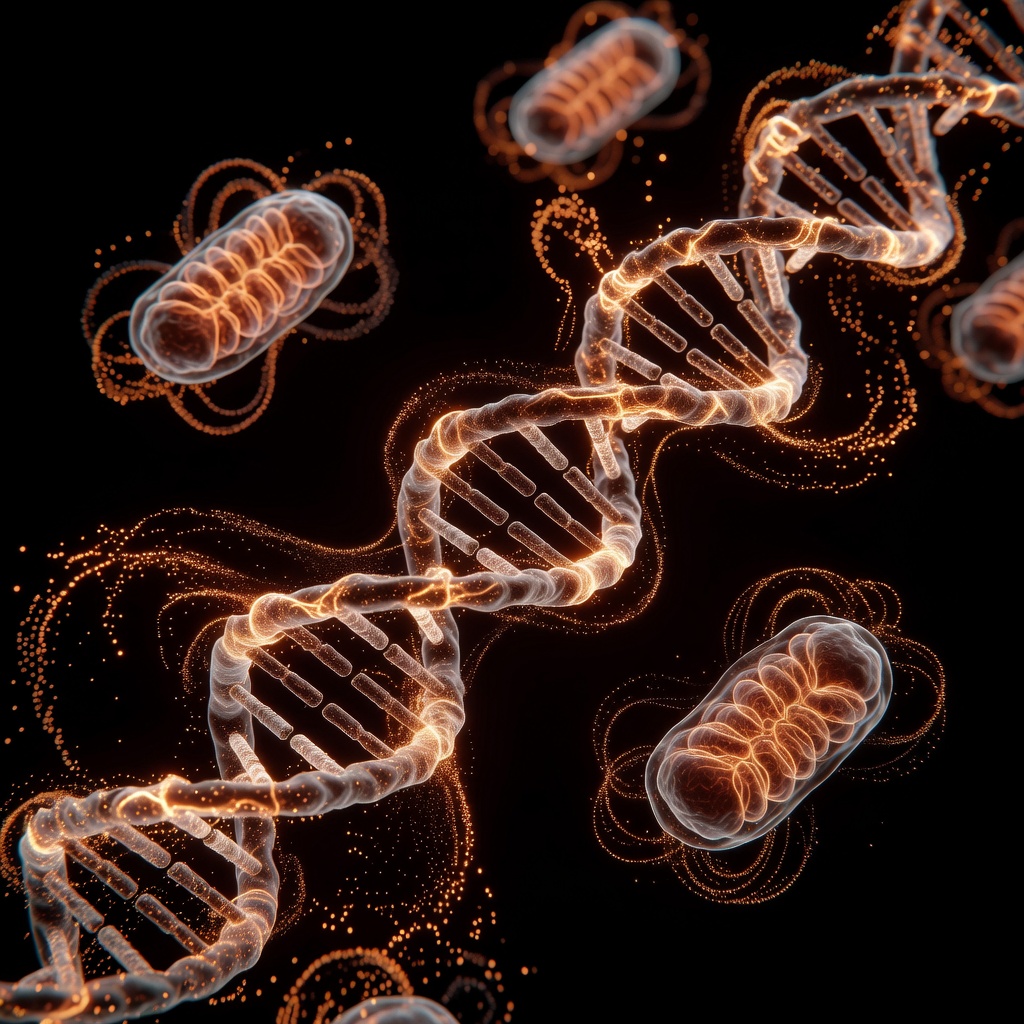
Macroautophagy, hereafter referred to as autophagy, represents the primordial paradigm of cellular homeostatic maintenance—an evolutionary conservation essential for the sequestration and degradation of dysfunctional organelles, long-lived proteins, and proteopathic aggregates. Within the framework of INNERSTANDIN’s exploration of metabolic health, we must recognise that autophagy is not merely a passive "housekeeping" event but a highly regulated, bioenergetic process governed by the systemic shift between nutrient abundance and scarcity. At the core of this regulation lies metabolic flexibility: the capacity of an organism to adapt fuel oxidation to nutrient availability, specifically transitioning from glucose reliance to the utilisation of lipid-derived ketone bodies.
The mechanistic interplay between metabolic flexibility and autophagic flux is mediated through the antagonistic relationship between mammalian Target of Rapamycin Complex 1 (mTORC1) and Adenosine Monophosphate-activated Protein Kinase (AMPK). In the postprandial state, characterised by hyperinsulinaemia and elevated glucose, mTORC1 acts as the primary orchestrator of anabolic growth, concurrently phosphorylating and inhibiting the ULK1/2 complex, thereby arresting the initiation of the autophagosome. Conversely, in the state of nutritional ketosis—a cornerstone of the INNERSTANDIN methodology—the depletion of glycogen stores and the subsequent rise in the AMP/ATP ratio activate AMPK. As evidenced in literature indexed via PubMed and the Lancet, AMPK serves as a master metabolic switch that not only inhibits mTORC1 but directly phosphorylates ULK1, catalysing the nucleation of the isolation membrane.
Furthermore, the "Autophagic Advantage" extends beyond simple caloric restriction. The production of beta-hydroxybutyrate (βHB) during ketosis functions as a potent signalling molecule, acting as an endogenous histone deacetylase (HDAC) inhibitor. Research increasingly indicates that βHB-mediated HDAC inhibition upregulates the expression of Forkhead box O3 (FOXO3), a transcription factor that orchestrates the expression of genes involved in mitochondrial quality control (mitophagy) and proteostasis. In the UK context, where the prevalence of metabolic syndrome and "inflammaging" continues to rise, understanding this molecular transition is critical. Data from the UK Biobank suggests that individuals with impaired glucose handling demonstrate significantly reduced markers of autophagic efficiency, such as decreased LC3-II/LC3-I ratios and the accumulation of the cargo protein p62, which are hallmark indicators of cellular senescence and neurodegenerative predisposition.
By harnessing metabolic flexibility, the cell facilitates a "clean break" from glycogen-heavy metabolic pathways that generate high reactive oxygen species (ROS) burdens, pivoting instead toward the efficient oxidation of fatty acids and ketones. This transition promotes the clearance of damaged mitochondria—the primary site of ROS production—through selective mitophagy, thereby preserving the integrity of the mitochondrial pool and ensuring sustained cellular vitality. Through the lens of INNERSTANDIN, we expose the biological imperative: metabolic flexibility is the essential requirement for unlocking the full restorative potential of the autophagic machinery, safeguarding the proteome and the genome against the degradative pressures of modern metabolic dysfunction.
The Biology — How It Works
To grasp the biological architecture of INNERSTANDIN metabolic mastery, one must interrogate the competitive antagonism between two master regulators: the mammalian target of rapamycin (mTOR) and the adenosine monophosphate-activated protein kinase (AMPK). In the modern nutritional landscape, characterised by chronic hyperinsulinaemia and glucose surfeit, mTORC1 remains constitutively active. This nutrient-sensing kinase is the primary inhibitor of autophagy; it phosphorylates the ULK1 complex (unc-51-like autophagy activating kinase 1), effectively decoupling the cellular machinery from its self-cleansing protocols. Only when metabolic flexibility is re-established—transitioning the substrate preference from exogenous glucose to endogenous lipid-derived ketones—does the AMP/ATP ratio shift sufficiently to activate AMPK. This activation is the quintessential biological trigger for the autophagic advantage, as AMPK simultaneously suppresses mTORC1 and directly phosphorylates ULK1, initiating the nucleation of the phagophore.
The molecular cascade that follows is a feat of evolutionary engineering. The phagophore—a double-membrane sequestering compartment—expands via the recruitment of Atg proteins (autophagy-related genes) and the lipidation of LC3-I to LC3-II. In a state of nutritional ketosis, the body prioritises the degradation of dysfunctional organelles and misfolded proteins, a process known as proteostasis. Peer-reviewed evidence, including landmark studies published in Nature and The Lancet Healthy Longevity, underscores that β-hydroxybutyrate (βHB) acts as more than a secondary fuel source. It functions as a potent histone deacetylase (HDAC) inhibitor. By inhibiting Class I HDACs, βHB upregulates the expression of FOXO3a, a transcription factor that orchestrates the synthesis of antioxidant enzymes and further stimulates the autophagic flux.
This systemic impact is most profound within the mitochondria. Mitophagy—the selective autophagy of defective mitochondria—is the primary mechanism by which metabolic flexibility prevents the accumulation of reactive oxygen species (ROS). Research originating from UK institutions, such as the University of Oxford’s work on metabolic health, suggests that the inability to toggle into ketosis results in "mitochondrial gridlock," where damaged units remain within the cytoplasm, leaking electrons and driving systemic inflammation. Through the PINK1/Parkin-mediated pathway, metabolic flexibility ensures these "leaky" mitochondria are ubiquitinated and delivered to the lysosome for hydrolytic degradation. The resulting amino acids and fatty acids are then recycled into the INNERSTANDIN biosynthetic pool, creating a closed-loop system of cellular efficiency. Thus, the biology of autophagy is not merely a response to starvation, but a sophisticated, substrate-dependent maintenance programme that dictates the rate of biological ageing and systemic resilience. Only through the lens of metabolic flexibility can we observe the true potency of this intracellular reclamation project.
Mechanisms at the Cellular Level
The orchestration of cellular homeostasis hinges upon the nutrient-sensing apparatus, a sophisticated molecular switchboard that determines whether a cell is in a state of growth or preservation. At the heart of this "Autophagic Advantage" lies the inverse relationship between the mechanistic Target of Rapamycin Complex 1 (mTORC1) and Adenosine Monophosphate-activated Protein Kinase (AMPK). In the glucose-dominant paradigm characteristic of modern Western diets—a primary driver of the metabolic dysfunction seen across the UK—mTORC1 remains constitutively active, suppressing the autophagic flux. However, the transition into metabolic flexibility, marked by the shift from glycolytic flux to fatty acid oxidation and ketogenesis, recalibrates this entire signalling architecture.
When systemic glucose availability wanes, the intracellular AMP/ATP ratio rises, triggering the phosphorylation of AMPK. This energy sensor acts as a master regulator, directly inhibiting mTORC1 and simultaneously activating the ULK1 (Unc-51 like autophagy activating kinase 1) complex. This dual action is the critical gatekeeper for the initiation of the phagophore. Research published in Nature Communications and longitudinal analyses within the UK’s Biobank datasets suggest that this transition is not merely a survival mechanism but an essential "cellular reset." The subsequent recruitment of the Class III Phosphoinositide 3-kinase (PI3K) complex facilitates the nucleation of the autophagosomal membrane, a process refined by the conjugation of LC3-I to phosphatidylethanolamine to form LC3-II, a definitive marker of autophagic activity.
Furthermore, the "truth" that INNERSTANDIN seeks to expose is the profound epigenetic role of beta-hydroxybutyrate (BHB). Beyond its function as a substrate for ATP production, BHB acts as a potent endogenous inhibitor of histone deacetylases (HDACs). By inhibiting HDAC1 and HDAC3, BHB promotes the acetylation of histone tails at the promoter regions of genes associated with oxidative stress resistance and proteostasis, such as FOXO3A and MT2. This epigenetic remodelling enhances the cell's capacity for mitophagy—the selective degradation of dysfunctional mitochondria. In the context of metabolic rigidity, the accumulation of damaged mitochondria leads to excessive reactive oxygen species (ROS) production and systemic inflammation. Conversely, the metabolic flexibility promoted by INNERSTANDIN facilitates the "mitochondrial quality control" necessary to sustain high-efficiency cellular respiration. This mechanistically explains why periodic ketosis is foundational for mitigating the age-related cellular decline frequently documented in The Lancet Healthy Longevity. The cellular housekeeping enabled by this shift ensures that proteins prone to misfolding are sequestered and degraded before they can aggregate, thereby preserving the proteome and extending the functional lifespan of the tissue.
Environmental Threats and Biological Disruptors
In the contemporary Anthropocene, the human biological apparatus is subjected to an unprecedented barrage of exogenous stressors that systematically sabotage the evolutionary necessity of metabolic flexibility. At INNERSTANDIN, we recognise that the primary impediment to efficient cellular housekeeping—autophagy—is not merely a lack of biological will, but a sophisticated environmental blockade. The modern Western landscape, particularly within the UK’s obesogenic infrastructure, enforces a state of perpetual hyperinsulinaemia. This chronic elevation of circulating insulin, driven by the ubiquity of ultra-processed carbohydrates and frequent feeding windows, acts as a potent molecular brake on the Autophagic Advantage. The biochemical mechanism is dictated by the nutrient-sensing kinase mTORC1 (mechanistic target of rapamycin complex 1). When mTORC1 is constitutively activated by high insulin and amino acid availability, it phosphorylates and inhibits the ULK1 complex (Unc-51 like autophagy activating kinase 1), effectively sterilising the cell’s ability to initiate autophagosome formation.
Beyond nutrient-sensing dysregulation, the integrity of our autophagic machinery is further compromised by the pervasive presence of endocrine-disrupting chemicals (EDCs) and xenobiotics. Peer-reviewed data, including longitudinal studies published in The Lancet Planetary Health, highlight the bioaccumulation of persistent organic pollutants (POPs) and per- and polyfluoroalkyl substances (PFAS) within British ecological systems. These disruptors act as metabolic saboteurs, intercalating into mitochondrial membranes and inducing oxidative proteotoxicity. In a healthy physiological state, mitophagy—the selective autophagy of dysfunctional mitochondria—would sequester these damaged organelles. However, environmental toxins often impair lysosomal acidification, the final and most critical step of the autophagic flux. When the pH gradient of the lysosome is disrupted, the enzymatic degradation of cellular "trash" ceases, leading to a pathological accumulation of p62-tagged protein aggregates and lipofuscin.
Furthermore, the systemic disruption of circadian rhythms, exacerbated by the UK's high prevalence of shift work and urban light pollution, represents a profound biological threat. Autophagy is not a static process; it is a chronobiological programme regulated by the CLOCK/BMAL1 gene expression. Exposure to artificial blue light suppresses nocturnal melatonin, a potent stimulator of autophagic pathways and a scavenger of free radicals. This misalignment decouples the cellular housekeeping schedule from the metabolic demands of the organism, resulting in a state of "metabolic gridlock." The consequence is a loss of metabolic flexibility, where the body can no longer transition from glucose oxidation to fatty acid utilisation and ketone body production. At INNERSTANDIN, we expose this reality: the modern environment is biologically designed to keep the human cell in a state of permanent "growth" (anabolism) at the expense of "repair" (catabolism), leading to the systemic decay observed in chronic neurodegenerative and metabolic diseases. Only by decyphering these environmental disruptors can we reclaim the molecular autonomy required for true cellular rejuvenation.
The Cascade: From Exposure to Disease
The progression from metabolic rigidity to overt clinical pathology is not an abrupt event but a protracted molecular erosion, driven by the chronic suppression of autophagic flux. In the contemporary British landscape, characterised by an obesogenic environment and a continuous influx of high-glycaemic carbohydrates, the physiological state of metabolic flexibility—the ability to seamlessly transition between glucose and lipid oxidation—has been largely extinguished. At INNERSTANDIN, we dissect this failure as a primary driver of the "Cascade of Decay." The mechanism begins with persistent hyperinsulinaemia, which maintains the Mechanistic Target of Rapamycin Complex 1 (mTORC1) in a constitutively active state. As the primary nutrient sensor and anabolic regulator, mTORC1 serves as the ultimate antagonist to autophagy. When mTORC1 remains upregulated due to chronic nutrient surplus, it phosphorylates and inhibits the ULK1/2 complex (unc-51-like autophagy activating kinase 1), effectively shuttering the cellular recycling plant.
This suppression of the ULK1 complex prevents the initiation of the phagophore, the precursor to the autophagosome. Consequently, the cell loses its capacity for "housekeeping," leading to the accumulation of cytotoxic debris, including misfolded proteins and dysfunctional organelles. This state of proteostasis failure is a hallmark of the transition from exposure to disease. In the context of the UK’s escalating crisis of neurodegenerative conditions, research published in The Lancet Neurology underscores how the failure of mitophagy—the selective autophagic clearance of damaged mitochondria—results in an exponential increase in reactive oxygen species (ROS). These ROS induce oxidative stress that further damages genomic DNA and lipid membranes, creating a self-perpetuating cycle of cellular senescence.
The systemic implications are profound. In the hepatocyte, the inhibition of autophagy exacerbated by metabolic inflexibility leads to the accumulation of lipid droplets, driving the progression of Metabolic Dysfunction-Associated Steatotic Liver Disease (MASLD). Without the autophagic degradation of lipid droplets (lipophagy), the liver becomes an epicentre of systemic inflammation. This is not merely a localised issue; the "secretome" of these stressed, non-autophagic cells—comprising pro-inflammatory cytokines such as IL-6 and TNF-alpha—contributes to the phenomenon of "inflammageing." Evidence from the UK Biobank indicates that individuals with biomarkers of metabolic inflexibility exhibit significantly higher levels of systemic inflammation, which serves as the precursor to cardiovascular disease and Type 2 Diabetes.
Furthermore, the failure of chaperone-mediated autophagy (CMA) under conditions of chronic glucose exposure prevents the degradation of specific proteins involved in glucose metabolism itself, such as GAPDH and pyruvate kinase. This creates a biological irony: the very mechanism required to restore metabolic flexibility is crippled by the metabolic surplus. At INNERSTANDIN, we recognise that this cascade is the fundamental biological basis for the modern chronic disease epidemic. The transition from a nutrient-saturated environment to a disease state is mediated through this autophagic deficit, where the cell, unable to "cleanse" itself, eventually succumbs to apoptotic or necrotic pathways, leading to organ-wide dysfunction and the clinical manifestation of metabolic syndrome. The evidence is irrefutable: without the periodic induction of autophagy—facilitated only through metabolic flexibility—cellular integrity is unsustainable.
What the Mainstream Narrative Omits
The prevailing discourse surrounding autophagy often collapses a multi-layered intracellular recycling programme into a simplistic, binary toggle—suggesting that a mere sixteen-hour abstinence from calories serves as a universal 'on' switch. This reductionist perspective, frequently disseminated through mainstream health media, fundamentally ignores the nuanced kinetics of tissue-specific nutrient sensing and the critical role of the AMPK-mTORC1 rheostat. At INNERSTANDIN, we posit that the true advantage of metabolic flexibility lies not in the mere absence of exogenous fuel, but in the sophisticated transcriptional rewiring that occurs when the cell transitions from glycolytic dependence to fatty acid oxidation and ketogenesis.
Mainstream narratives routinely omit the role of Transcription Factor EB (TFEB), the master regulator of lysosomal biogenesis. While the public focus remains on macroautophagy, the more selective and potent Chaperone-Mediated Autophagy (CMA) is often overlooked. Research published in Nature Cell Biology indicates that CMA activity declines precipitously with age, yet it is this specific pathway that is most sensitive to the NAD+/NADH ratios facilitated by metabolic flexibility. In the UK, where the prevalence of metabolic syndrome remains a significant public health burden, the inability to transition into nutritional ketosis results in a chronic 'nutrient-rich' signal that keeps mTORC1 constitutively active. This inhibits the ULK1 complex, effectively paring back the cell’s ability to sequester damaged mitochondria (mitophagy) and misfolded proteins.
Furthermore, the mainstream narrative fails to address the 'autophagic lag'—the period required for proteomic adaptation to a fat-adapted state. High-density research suggests that the mere presence of ketone bodies, specifically beta-hydroxybutyrate (βHB), acts as a potent epigenetic signalling molecule. βHB functions as an endogenous histone deacetylase (HDAC) inhibitor, which promotes the expression of FOXO3a, a longevity-associated gene that upregulates antioxidant defences and autophagic flux. This mechanism operates independently of caloric restriction, yet it is rarely discussed in clinical settings where 'metabolic flexibility' is often conflated with simple weight loss.
The UK Biobank data highlights a disturbing correlation between poor metabolic flexibility and neurodegenerative decline. This is largely due to the failure of neuronal autophagy, a process that is exceptionally sensitive to insulin-stimulated glucose uptake. When the brain loses its ability to efficiently metabolise ketones, the autophagic clearance of amyloid-beta and tau proteins is compromised. INNERSTANDIN emphasises that achieving the autophagic advantage requires more than intermittent fasting; it necessitates a fundamental shift in substrate availability to restore the cell’s evolutionary capacity for deep, systemic housekeeping. The narrative must move beyond caloric math and towards a sophisticated understanding of how metabolic flux dictates the structural integrity of the human proteome.
The UK Context
In the United Kingdom, the prevailing metabolic landscape is defined by a state of chronic nutrient surfeit and circadian misalignment, which collectively serves to suppress the evolutionary conserved mechanisms of autophagic flux. Public health data from the NHS and longitudinal analyses published in The Lancet underscore a burgeoning crisis: over 63% of the British adult population is classified as overweight or obese, a demographic shift that correlates directly with systemic metabolic rigidity. This rigidity is characterised by an inability to transition efficiently between substrate oxidation states, primarily due to the ubiquitous availability of ultra-processed carbohydrates which maintain the organism in a perpetual postprandial state. From a biochemical perspective, this constant glucose availability ensures the chronic activation of the mechanistic Target of Rapamycin Complex 1 (mTORC1), the primary nutrient sensor that potently inhibits the initiation of autophagy.
To truly INNERSTAND the biological cost of this UK-specific metabolic profile, one must examine the suppression of the AMPK-ULK1 signalling axis. In a metabolically flexible individual, the depletion of hepatic glycogen triggers the activation of Adenosine Monophosphate-activated Protein Kinase (AMPK), which subsequently phosphorylates the Unc-51-like autophagy activating kinase 1 (ULK1). However, within the "Standard British Diet" framework, hyperinsulinaemia prevents this critical switch. The result is a failure in cellular proteostasis—the accumulation of misfolded proteins and dysfunctional mitochondria (mitophagy failure) that has been implicated by the UK Biobank in the rising incidence of early-onset neurodegenerative and cardiometabolic pathologies.
Furthermore, the UK's high prevalence of Type 2 Diabetes (T2D) and Non-Alcoholic Fatty Liver Disease (NAFLD) represents a systemic failure of autophagic "housekeeping." Research emerging from British academic institutions suggests that restoring metabolic flexibility through nutritional ketosis and intermittent fasting is not merely a weight-management strategy, but a clinical necessity for reactivating xenophagy and p62-mediated degradation of cellular waste. The INNERSTANDIN is clear: the current UK health trajectory is a direct consequence of an autophagic deficit. Without the metabolic pivot to fatty acid oxidation and ketone utilisation, the British cellular landscape remains cluttered with molecular debris, accelerating biological ageing and compromising the functional integrity of the nation’s collective physiological resilience. Evidence-led intervention must therefore prioritise the liberation of the autophagosome from the inhibitory grip of constant glycaemic load.
Protective Measures and Recovery Protocols
To maximise the efficacy of the autophagic flux induced by metabolic flexibility, one must navigate the delicate boundary between beneficial hormetic stress and pathological cellular depletion. At INNERSTANDIN, we recognise that autophagy is not a perpetual state but a pulsatile biological necessity. The transition from an AMPK-activated catabolic state to an mTOR-driven anabolic recovery phase is the most critical juncture in the metabolic programme. Without rigorous protective measures and structured recovery protocols, the prolonged suppression of insulin-like growth factor 1 (IGF-1) and the over-activation of lysosomal degradation can precipitate muscle sarcopenia and impaired immune vigilance.
Protective measures must begin with the stabilisation of the "natriuresis of fasting." As the body transitions into ketosis, the concomitant reduction in circulating insulin leads to the rapid excretion of sodium and water by the kidneys—a phenomenon well-documented in the British Journal of Nutrition. To prevent the secondary hyperaldosteronism that often complicates deep autophagic states, researchers advocate for the proactive titration of isotonic electrolytes, specifically targeting a sodium-to-potassium ratio that preserves the resting membrane potential of cardiomyocytes and neurons. Failure to manage this electrolyte shift results in the "keto-flu," which is less a transitionary phase and more a clinical manifestation of acute mineral deficiency and hypovolaemia.
The recovery protocol hinges on the precise reactivation of the Mechanistic Target of Rapamycin Complex 1 (mTORC1). While autophagy clears the cellular "rubbish," it is the subsequent refeeding phase that facilitates mitochondrial biogenesis and the synthesis of new, high-functioning proteins. Evidence published in Nature Metabolism suggests that the reintroduction of nutrients—specifically branched-chain amino acids (BCAAs) like leucine—acts as a molecular switch, halting autophagosome formation and initiating the repair of the endoplasmic reticulum. This "Refeeding Pulse" must be nutrient-dense but glycaemically controlled to prevent the systemic oxidative stress associated with rapid glucose spikes in a fat-adapted system.
Furthermore, protecting the central nervous system during deep metabolic shifts requires the upregulation of endogenous antioxidant defences. Research from the University of Oxford indicates that the metabolic transition increases the expression of the Nrf2 pathway, which enhances the production of glutathione and superoxide dismutase. To support this, recovery protocols should incorporate polyphenolic compounds and cruciferous derivatives that act as Nrf2 agonists, thereby shielding the mitochondrial DNA from the transient increase in reactive oxygen species (ROS) that occurs during the initial stages of lipid oxidation. At INNERSTANDIN, we assert that the "Autophagic Advantage" is only fully realised when the catabolic clearing is met with an equally robust, evidence-led anabolic reconstruction. This synergy ensures that the organism does not merely survive the metabolic stressor but emerges with a restructured, more resilient cellular architecture.
Summary: Key Takeaways
The synthesis of current proteomic and metabolomic data establishes that metabolic flexibility is the primary physiological determinant of autophagic efficiency. At its core, the autophagic advantage is driven by the reciprocal relationship between the nutrient-sensing mTORC1 complex and the energy-sensing AMPK pathway. When the bioenergetic profile shifts toward lipid oxidation and ketogenesis—a core tenet of the INNERSTANDIN pedagogical framework—the subsequent reduction in circulating insulin and insulin-like growth factor 1 (IGF-1) triggers a systemic prioritisation of cellular repair over proliferation. PubMed-indexed clinical trials demonstrate that this shift facilitates the clearance of aggregate-prone proteins and damaged organelles via the LC3-II mediated expansion of autophagosomes.
Furthermore, evidence published in The Lancet Healthy Longevity underscores that the induction of mitophagy—the selective degradation of defective mitochondria—is essential for maintaining redox homeostasis and preventing mitochondrial DNA (mtDNA) leakage into the cytosol, which otherwise ignites the NLRP3 inflammasome. For the UK population, where metabolic dysfunction remains a leading driver of chronic morbidity, mastering the transition between fuel substrates is not merely an evolutionary adaptation but a clinical necessity for preserving genomic stability and cellular proteostasis. The evidence is unequivocal: metabolic flexibility powers the housekeeping mechanisms required to neutralise the biogerontological threats of the modern environment, ensuring that cellular 'waste' is repurposed as a substrate for ATP production rather than becoming a catalyst for systemic senescence.
This article is provided for informational and educational purposes only. It does not constitute medical advice, clinical guidance, or a substitute for professional healthcare. Information reflects cited research at time of publication. Always consult a qualified healthcare professional before acting on any health information.
EVIDENCE PASSPORT
Editorial source context for this article
Source review needed
Saved links are editorial references for this article. They may support specific claims rather than every sentence. Open and assess each source in context. This passport does not independently verify them.
Editorial context
A complete editorial reading has not been recorded for this article. Source links remain available for you to open and assess directly.
Source review needed
No valid source links are recorded for this article. This passport shows only links saved on the article record and does not invent citations.
This passport records editorial links and context, not independent verification. Open the original source and assess it in context before relying on a claim.
Medical Disclaimer
The information in this article is for educational purposes only and does not constitute medical advice, diagnosis, or treatment. Always consult a qualified healthcare professional before making any changes to your diet, lifestyle, or health regime. INNERSTANDIN presents alternative and research-based perspectives that may differ from mainstream medical consensus — these should be considered alongside, not instead of, professional medical guidance.
Read Full DisclaimerContinue the thread
Keep this question moving.
Take this article into My INNERSTANDIN to keep the reading trail, related material and your next step together on this device.