
The Bioavailability Blueprint: Why Soil Health Determines How Well We Absorb Vital Micronutrients
Updated April 2026
Evidence orientation
Editorial context not yet recorded
Follow this category
This stays in this browser. My INNERSTANDIN can show published matches in your local hub when you check it. It does not send email, push, or alert notifications.
Local learning review
A private browser aid for revisiting ideas. It is not an alert or a health recommendation.
Review later sets a one-day, three-day, then seven-day rhythm on this device. Choose it only when you want to revisit this article.
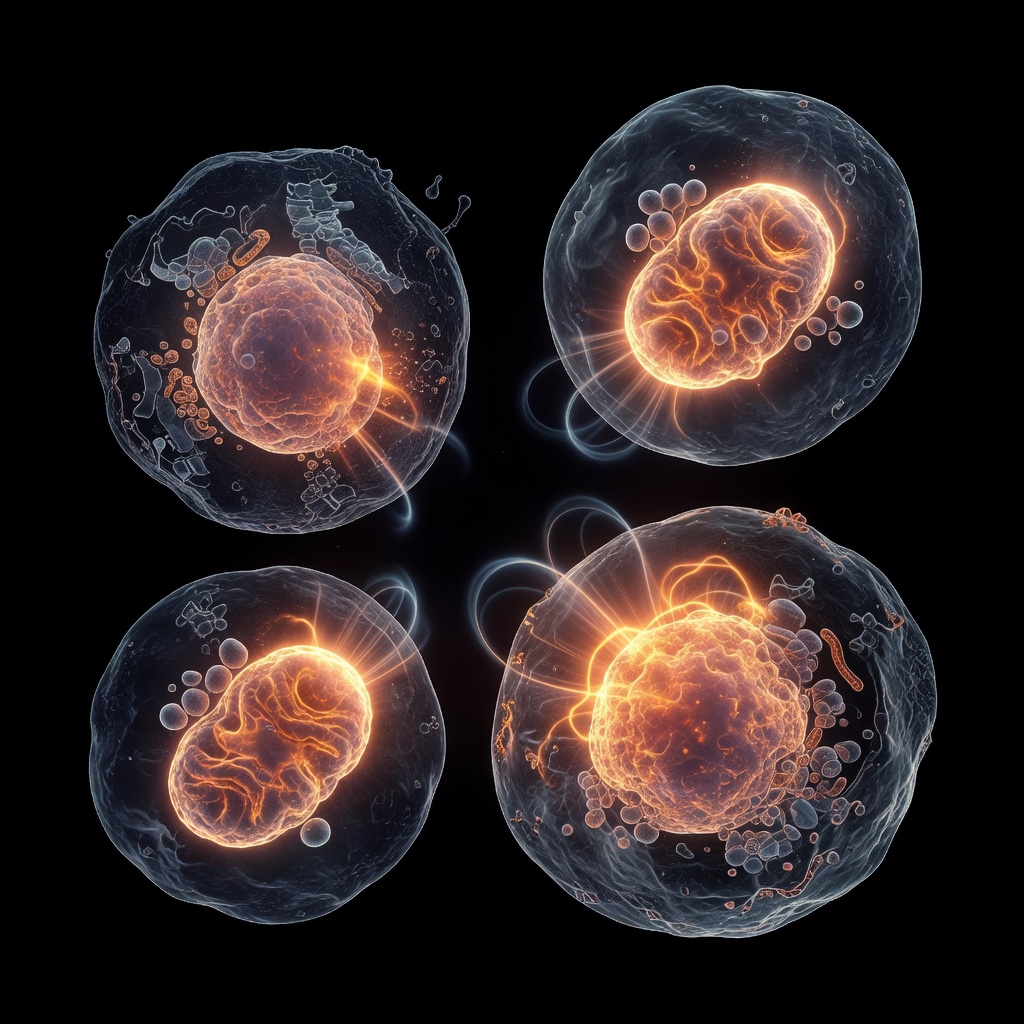
In the modern era, we are witnessing a strange and silent paradox. Despite having access to a year-round abundance of produce that appears vibrant, uniform, and plentiful, the human population is experiencing an unprecedented rise in "hidden hunger." We are overfed but undernourished. While mainstream nutritional advice focuses heavily on what we eat, it almost entirely ignores the foundational variable: the health of the soil in which that food was grown.
The truth that the industrial food complex often obscures is that a plant is only as healthy as the ecosystem supporting its roots. If the soil is depleted, the plant is a hollow shell of its potential, and the nutrients it does contain may not even be in a form that the human body can effectively utilise. This is the Bioavailability Blueprint—the fundamental link between the microbial complexity of the earth and the cellular vitality of the human being.
The Illusion of Abundance: Quantity vs. Quality
For the last seventy years, global agriculture has been governed by a "yield-at-all-costs" mentality. Following the Green Revolution, the metric for success became tonnes per hectare rather than nutrients per calorie. By focusing on three primary elements—Nitrogen (N), Phosphorus (P), and Potassium (K)—farmers were able to grow massive crops, but at a devastating cost to the soil’s secondary and micro-nutrients.
"We are eating 'empty' calories, not just in terms of processed sugars, but in terms of the very vegetables we are told will save our health. A modern orange may contain only an eighth of the Vitamin A our grandparents received from a single fruit."
This systemic depletion means that even if you follow the "five-a-day" guidelines to the letter, you may still be deficient in Magnesium, Selenium, Zinc, and Copper. The minerals are simply no longer in the ground in a bioavailable form, creating a broken chain that ends in our digestive systems.
Biological Mechanisms: The Soil-to-Gut Axis
To understand why soil health dictates nutrient absorption, we must look at the Rhizosphere—the thin layer of soil surrounding a plant's roots. This is the biological "engine room" of the planet.
The Role of Mycorrhizal Fungi
Plants do not simply "suck up" minerals like a straw. The process is far more symbiotic. Mycorrhizal fungi form vast, underground networks that attach to plant roots, effectively increasing the root surface area by up to a thousand times. In exchange for carbon (sugars) from the plant, these fungi "mine" the soil for minerals and deliver them back to the host.
Crucially, these fungi produce Glomalin, a sticky protein that stabilises the soil and allows for the transport of minerals in a chelated form. When we use heavy tilling or synthetic fungicides, we destroy these fungal highways. The result? The plant may survive on synthetic NPK fertilisers, but it loses its ability to access the trace minerals required for human metabolic function.
Mineral Chelation and Bioavailability
Bioavailability refers to the proportion of a nutrient that is digested, absorbed, and metabolised through normal pathways. Not all minerals are created equal. A mineral in a rock or a synthetic fertiliser is often inorganic and difficult for the human body to process.
However, when a plant takes up a mineral through a healthy microbial process, it converts that mineral into an organic complex—bound to amino acids or organic acids. This "pre-digestion" by the soil microbiome makes the nutrient highly bioavailable to humans. Without the soil microbes, the minerals remain "locked" in the soil or are present in the plant in a form that our bodies largely treat as waste.
The UK Context: A Depleted Landscape
The United Kingdom has some of the most intensively farmed land in the world. Since the post-WWII era, the drive for food security led to a reliance on chemical inputs that has left British topsoil in a precarious state.
- Mineral Decline: Studies of UK government data between 1940 and 1991 showed that the copper content in vegetables fell by 76%, and magnesium fell by 24%.
- The East Anglian Crisis: In regions like East Anglia, the "breadbasket" of Britain, some areas of topsoil are so depleted of organic matter that they are colloquially referred to as "black sand."
- The Magnesium Gap: It is estimated that over 50% of the UK population is deficient in magnesium. This is not merely a dietary choice; it is a reflection of the fact that our wheat and leafy greens are being grown in soils that have been stripped of this vital mineral through intensive monocropping.
The British climate, often damp and prone to leaching, requires a high level of Soil Organic Matter (SOM) to hold onto nutrients. When we strip the soil of its structure through industrial methods, the vital micronutrients are washed away into the water table, leaving the produce nutritionally bankrupt.
Environmental Factors: The Enemies of Nutrient Density
Several modern agricultural practices act as direct "blockers" to the Bioavailability Blueprint. To understand our own health, we must expose these systemic stressors.
Glyphosate: The Mineral Chelator
Glyphosate, the world’s most widely used herbicide, is more than just a weedkiller. Patented originally as a descaling agent for industrial pipes, it is a powerful chelator. This means it binds to minerals like Manganese, Magnesium, and Zinc, making them unavailable to the plant. When we consume crops sprayed with glyphosate (or crops grown in glyphosate-saturated soil), we are consuming food that has had its nutrient-delivery system intentionally "turned off."
Synthetic Nitrogen and "Watery" Growth
Synthetic Nitrogen fertilisers stimulate rapid growth. While this produces large, heavy vegetables, the plant’s internal chemistry cannot keep up. This results in a "dilution effect." The plant accumulates more water and carbohydrates but significantly fewer Phytochemicals and minerals. These "bloated" plants are also more attractive to pests, leading to a further cycle of pesticide use.
The Death of the Microbiome
Just as the human gut requires a diverse microbiome for immunity, the soil requires a Soil Microbiome. Pesticides, herbicides, and synthetic fertilisers act as broad-spectrum antibiotics for the earth. When the soil microbiome dies, the plant’s immune system—and consequently ours—is compromised.
Protective Strategies: Reclaiming Your Nutritional Sovereignty
Knowing that the system is flawed allows us to make conscious choices to bypass the "bioavailability gap." Protecting your health requires a shift from a consumer mindset to a regenerative mindset.
1. Prioritise Regenerative and Organic Labels
While "Organic" is a good start, Regenerative Agriculture goes further. It specifically focuses on building soil organic matter and fungal networks. Look for farmers who use "no-dig" methods, cover cropping, and diverse crop rotations. These practices ensure the Mycorrhizal networks remain intact, delivering maximum micronutrients to the plate.
2. The Power of "Wild" and Heirloom Varieties
Modern hybrids are bred for transportability and sugar content. Heirloom varieties and wild foraged foods often have significantly higher mineral profiles because they have maintained their ancestral relationships with soil microbes. They may be smaller or less "perfect" in appearance, but their nutrient density is vastly superior.
3. Support Local Food Hubs
The longer a vegetable sits in a supply chain, the more its phytonutrients degrade. By buying from local UK farmers' markets or veg box schemes, you are likely getting produce that was harvested closer to peak ripeness, preserving the delicate enzymes and co-factors required for absorption.
4. Diversify Your Intake
In a depleted world, variety is a safety net. Different plants have different "mining" capabilities. By eating a wide array of colours and species, you increase the likelihood of capturing the full spectrum of trace minerals like Molybdenum, Boron, and Vanadium, which are rarely discussed but essential for enzymatic function.
The Path Forward: Healing the Soil to Heal the Self
The Bioavailability Blueprint reveals a profound truth: we cannot be healthy in isolation from the earth. Our internal biochemistry is a direct reflection of the soil's ecology. Every time we choose food grown in living, vibrant soil, we are not just feeding ourselves; we are participating in a regenerative act that restores the planet’s ability to sustain life.
"The health of soil, plant, animal, and man is one and indivisible." — Sir Albert Howard, Founder of the Organic Movement.
To achieve INNERSTANDING, we must look beneath the surface. True health does not come from a supplement bottle; it begins in the dark, microbial-rich depths of the earth. By demanding soil health, we reclaim the vital micronutrients that are our evolutionary birthright.
Key Takeaways
- Nutrient Dilution: Modern industrial farming produces more food but with significantly lower mineral concentrations than 80 years ago.
- The Microbial Link: Mycorrhizal fungi are essential for converting soil minerals into bioavailable, organic forms that humans can absorb.
- Chemical Interference: Glyphosate and synthetic NPK fertilisers actively block nutrient uptake and destroy soil life, leading to "empty" produce.
- UK Impact: British soils are among the most depleted in Europe; prioritising local, regenerative British produce is essential for mineral sufficiency.
- Actionable Choice: Shift focus from "quantity of calories" to "quality of soil." Support no-dig, organic, and regenerative systems to ensure your micronutrient intake is actually being utilised by your cells.
This article is provided for informational and educational purposes only. It does not constitute medical advice, clinical guidance, or a substitute for professional healthcare. Information reflects cited research at time of publication. Always consult a qualified healthcare professional before acting on any health information.
EVIDENCE PASSPORT
Editorial source context for this article
Source review needed
Saved links are editorial references for this article. They may support specific claims rather than every sentence. Open and assess each source in context. This passport does not independently verify them.
Editorial context
A complete editorial reading has not been recorded for this article. Source links remain available for you to open and assess directly.
Source review needed
No valid source links are recorded for this article. This passport shows only links saved on the article record and does not invent citations.
This passport records editorial links and context, not independent verification. Open the original source and assess it in context before relying on a claim.
Medical Disclaimer
The information in this article is for educational purposes only and does not constitute medical advice, diagnosis, or treatment. Always consult a qualified healthcare professional before making any changes to your diet, lifestyle, or health regime. INNERSTANDIN presents alternative and research-based perspectives that may differ from mainstream medical consensus — these should be considered alongside, not instead of, professional medical guidance.
Read Full DisclaimerContinue the thread
Keep this question moving.
Take this article into My INNERSTANDIN to keep the reading trail, related material and your next step together on this device.