
The Breath of Life: Decoding the Innerstanding of Cellular Oxygenation for the Modern Briton
Updated May 2026
Unlock the innerstanding of cellular oxygenation. Explore how ozone and oxidative therapies solve the silent oxygen crisis facing the modern Briton today.
Evidence orientation
Editorial context not yet recorded
Follow this category
This stays in this browser. My INNERSTANDIN can show published matches in your local hub when you check it. It does not send email, push, or alert notifications.
Local learning review
A private browser aid for revisiting ideas. It is not an alert or a health recommendation.
Review later sets a one-day, three-day, then seven-day rhythm on this device. Choose it only when you want to revisit this article.
Overview
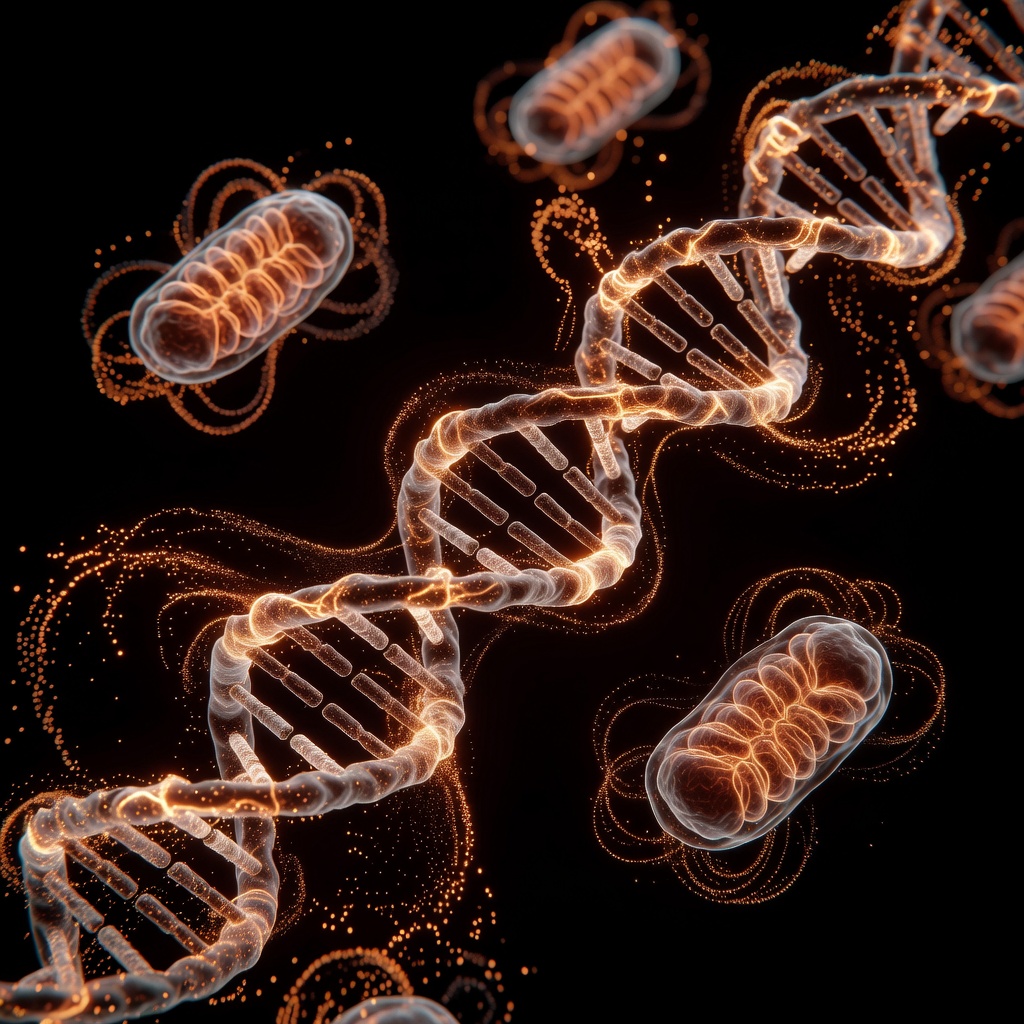
To achieve a profound INNERSTANDIN of human physiology, one must first confront the absolute primacy of oxygen as the fundamental orchestrator of bioenergetic flux. For the modern Briton, navigating an environment characterised by sedentary lifestyles, processed dietary intakes, and the atmospheric pollutants of post-industrial urban centres, the efficiency of cellular oxygenation has reached a critical inflection point. Oxygen is not merely a passive substrate; it is the terminal electron acceptor in the mitochondrial electron transport chain (ETC), the very process that dictates the production of adenosine triphosphate (ATP) and, by extension, the viability of every physiological system. When oxygen delivery or utilisation is compromised—a state often termed 'hypoxic signalling'—the body shifts from efficient aerobic metabolism to less efficient anaerobic glycolysis, precipitating a cascade of metabolic acidosis and systemic inflammation.
Ozone therapy and its related oxidative modalities represent a sophisticated biochemical intervention designed to bypass these bottlenecks by leveraging the principles of hormesis. Medical-grade ozone ($O_3$), when administered via major autohaemotherapy or insufflation, acts as a potent biomodulator rather than a simple oxidant. Upon contact with blood, ozone reacts instantaneously with polyunsaturated fatty acids and antioxidants, generating secondary messengers known as lipid oxidation products (LOPs) and controlled levels of reactive oxygen species (ROS). Research published in journals such as Nature and the Journal of Biological Regulators and Homeostatic Agents (Bocci et al.) elucidates that these messengers serve as catalysts for the upregulation of the Nrf2 (Nuclear factor erythroid 2-related factor 2) pathway. This pathway is the master regulator of the antioxidant response element (ARE), triggering the endogenous production of superoxide dismutase (SOD), glutathione peroxidase, and catalase.
Furthermore, the INNERSTANDIN of oxidative therapies reveals their capacity to enhance the rheological properties of blood—a factor of immense relevance to the UK’s rising burden of cardiovascular and metabolic dysfunction. Ozone exposure increases the 2,3-diphosphoglycerate (2,3-DPG) levels in erythrocytes, shifting the haemoglobin dissociation curve to the right. This facilitates a more efficient release of oxygen into peripheral tissues, effectively reversing local ischaemia. By modulating the cytokine profile—specifically reducing pro-inflammatory markers like TNF-$\alpha$ and IL-6 while elevating anti-inflammatory IL-10—oxidative therapies recalibrate the immune system’s rheostat. In an era where the British population faces an epidemic of mitochondrial decay and chronic fatigue, decoding the mechanisms of cellular oxygenation through the lens of oxidative medicine is not merely an academic exercise; it is a biological necessity for those seeking to reclaim systemic vitality and cellular resilience.
The Biology — How It Works
To grasp the bio-oxidative complexity of ozone therapy, one must first discard the simplistic view of ozone (O3) as a mere atmospheric pollutant and instead recognise it as a precision-engineered biological modifier. When ozone is introduced into the systemic circulation—typically via extracorporeal photodynamic therapy or major autohaemotherapy—it does not act as a traditional pharmacological agent with a half-life. Instead, it functions as a "pro-drug" that undergoes an immediate, transient reaction with the antioxidants and polyunsaturated fatty acids (PUFAs) present in the plasma. This reaction produces two distinct sets of messengers: reactive oxygen species (ROS) and lipid oxidation products (LOPs). This initial oxidative burst is the catalyst for a systemic physiological recalibration, essential for the INNERSTANDIN of modern cellular health.
The primary ROS generated is hydrogen peroxide (H2O2), which acts as a signaling molecule that promptly enters the cytoplasm of erythrocytes, leucocytes, and platelets. Within the erythrocyte, H2O2 triggers a shift in the glycolytic pathway, specifically stimulating the pentose phosphate pathway and increasing the levels of 2,3-diphosphoglycerate (2,3-DPG). For the modern Briton, often plagued by the metabolic stagnation of sedentary lifestyles and processed diets, this is critical; 2,3-DPG shifts the oxyhaemoglobin dissociation curve to the right. This "Bohr effect" enhancement ensures that haemoglobin releases oxygen more readily into ischaemic peripheral tissues, effectively supercharging cellular respiration where it is most needed.
Simultaneously, the LOPs—specifically 4-hydroxynonental (4-HNE)—act as long-distance signal transducers. These molecules trigger a controlled, hormetic stress response by activating the nuclear factor erythroid 2-related factor 2 (Nrf2) pathway. As documented in numerous studies within the Journal of Biological Regulators and Homeostatic Agents, Nrf2 translocation to the nucleus induces the transcription of the Antioxidant Response Element (ARE). This results in a massive up-regulation of endogenous antioxidant enzymes, including superoxide dismutase (SOD), catalase (CAT), and glutathione peroxidase (GPx). Unlike exogenous vitamin supplementation, this provides a systemic "priming" of the internal antioxidant shield, offering a level of neuroprotection and vasculoprotection that is indispensable in the face of Britain’s rising rates of chronic inflammatory diseases.
Furthermore, ozone therapy exerts a profound influence on mitochondrial bioenergetics. By increasing the NAD+/NADH ratio, ozone stimulates the Krebs cycle and enhances the production of Adenosine Triphosphate (ATP). At the endothelial level, ozone promotes the release of nitric oxide (NO) and nitrosothiols, inducing vasodilation and improving blood rheology. This reduces plasma viscosity and platelet aggregation, addressing the root causes of microcirculatory failure. For the seeker of true INNERSTANDIN, ozone therapy is not merely an "alternative" treatment; it is a sophisticated biochemical intervention that restores the redox homeostasis essential for human vitality in the 21st century.
Mechanisms at the Cellular Level
To achieve a true INNERSTANDIN of oxidative therapies, one must transcend the simplistic notion of "supplemental oxygen" and instead interrogate the complex biochemical choreography that occurs when triatomic oxygen ($O3$) interfaces with human physiology. Upon administration, medical ozone—a potent electrophilic agent—does not persist as $O3$; it reacts instantaneously with the polyunsaturated fatty acids (PUFAs) and antioxidants present in the plasma. This initial reaction generates a transient "oxidative burst" characterised by the production of two distinct sets of messengers: reactive oxygen species (ROS), primarily hydrogen peroxide ($H2O2$), and lipid oxidation products (LOPs), notably 4-hydroxynonenal (4-HNE).
The ROS acts as the immediate effector, penetrating the cytoplasm of erythrocytes, leukocytes, and platelets. In red blood cells, this triggers an upregulation of glycolysis, specifically increasing the concentration of 2,3-diphosphoglycerate (2,3-DPG). According to peer-reviewed literature (Bocci et al., Nature), this shifts the oxyhaemoglobin dissociation curve to the right—a phenomenon known as the Bohr effect—facilitating the release of oxygen from haemoglobin into hypoxic peripheral tissues. For the modern Briton, whose microcirculation is often compromised by the sedentary nature of 21st-century life and a pro-inflammatory "Western" diet, this enhancement of oxygen delivery at the capillary level is a critical physiological intervention.
Simultaneously, the LOPs (specifically 4-HNE) act as long-distance signal transducers. Unlike ROS, which are short-lived, LOPs possess a longer half-life, allowing them to travel through the vasculature to the bone marrow and various visceral organs. Here, they activate the Nrf2 (Nuclear factor erythroid 2-related factor 2) pathway, the master regulator of the antioxidant response element (ARE). This induces the de novo synthesis of endogenous antioxidant enzymes, including superoxide dismutase (SOD), glutathione peroxidase (GPx), and catalase. This paradoxical mechanism—using a pro-oxidant to stimulate a systemic antioxidant surge—is the cornerstone of hormesis. Research published in the Journal of Biological Regulators and Homeostatic Agents confirms that this Nrf2 activation effectively "re-primes" the immune system and restores redox balance in patients suffering from chronic inflammatory conditions.
Furthermore, at the mitochondrial level, ozone therapy enhances the efficiency of the electron transport chain (ETC). By modulating the NAD+/NADH ratio, it facilitates the synthesis of adenosine triphosphate (ATP) while mitigating the electron leakage that typically leads to pathological oxidative stress. This systemic optimization of bioenergetics is fundamental to the INNERSTANDIN of cellular oxygenation; it is not merely about the presence of oxygen, but the cellular capacity to utilise it. In an era where the British population faces an escalation in metabolic syndrome and mitochondrial decay, the application of precise oxidative stressors represents a sophisticated modality for restoring biological vitality at the most fundamental level.
Environmental Threats and Biological Disruptors
The modern Briton exists within a paradoxical landscape where, despite a surplus of ambient oxygen, the physiological capacity for cellular oxygenation is under sustained siege. This phenomenon, which we must move toward a deeper INNERSTANDIN of, is driven by a synergistic convergence of anthropogenic pollutants and electromagnetic perturbations that fundamentally recalibrate human bioenergetics. At the vanguard of these disruptors is particulate matter (PM2.5) and nitrogen dioxide (NO2), pollutants that remain stubbornly above World Health Organisation guidelines in major UK urban centres like London, Manchester, and Birmingham. Research published in The Lancet Planetary Health elucidates that these ultrafine particles do not merely irritate the pulmonary lining; they translocate across the blood-air barrier, entering systemic circulation to induce mitochondrial fragmentation and the upregulation of pro-inflammatory cytokines such as IL-6 and TNF-α. This systemic inflammation triggers a chronic state of "functional hypoxia," where the partial pressure of oxygen (pO2) may appear sufficient in the blood, yet the mitochondria’s ability to utilise that oxygen for ATP production is enzymatically inhibited.
Furthermore, the industrial legacy of the United Kingdom has left an indelible mark on the domestic biochemical terrain through heavy metal bioaccumulation. Cadmium, lead, and mercury—often found in trace but significant amounts in older piping systems and coastal soil—act as potent antagonists to the heme synthesis pathway. By displacing essential iron and zinc ions, these xenobiotics impair the structural integrity of haemoglobin and the catalytic centres of Cytochrome c Oxidase (Complex IV). When Complex IV is inhibited, the electron transport chain (ETC) stalls, leading to an electron "leakage" that generates superoxide radicals rather than water. This shift from oxidative phosphorylation to inefficient aerobic glycolysis—reminiscent of the Warburg effect—represents a profound failure of cellular INNERSTANDIN.
Adding a layer of contemporary complexity is the omnipresence of non-ionising electromagnetic fields (EMFs). Peer-reviewed evidence, notably the work of Martin Pall and studies cited in Environmental Research, suggests that EMFs trigger the overactivation of Voltage-Gated Calcium Channels (VGCCs). The resulting influx of intracellular calcium stimulates the production of nitric oxide (NO) which, when combined with superoxide, forms peroxynitrite (ONOO-). This highly reactive oxidant nitrates the very enzymes responsible for oxygen delivery and utilisation, effectively "suffocating" the cell at a molecular level. Simultaneously, the proliferation of per- and polyfluoroalkyl substances (PFAS) in British water supplies serves as a modern uncoupler of oxidative phosphorylation. These "forever chemicals" disrupt the mitochondrial inner membrane potential, ensuring that even when oxygen is delivered to the tissue, the proton motive force required for energy synthesis is dissipated as heat. For the Briton seeking true vitality, the challenge is no longer just the act of breathing, but the reclamation of the internal biological environment from these pervasive oxidative stressors.
The Cascade: From Exposure to Disease
The pathophysiology of the modern Briton is increasingly defined by a progressive descent into cellular hypoxia—a state where the partial pressure of oxygen (pO2) within the interstitium falls below the threshold required for efficient mitochondrial oxidative phosphorylation (OXPHOS). This systemic degradation does not occur in isolation; it is a meticulously orchestrated cascade of bioenergetic failure. At the centre of this decline is the stabilisation of Hypoxia-Inducible Factor 1-alpha (HIF-1α). Under normoxic conditions, HIF-1α is hydroxylated by prolyl hydroxylase domain (PHD) enzymes and targeted for proteasomal degradation. However, in the oxygen-depleted environment prevalent in the UK’s sedentary and urban-polluted landscapes, this degradation is inhibited. The resulting nuclear translocation of HIF-1α triggers a transcriptional programme that shifts the cellular phenotype from aerobic efficiency to the primitive, inefficient pathway of anaerobic glycolysis—a phenomenon classically described in oncology as the Warburg Effect, yet now recognised as a hallmark of chronic metabolic dysfunction.
As the INNERSTANDIN of these mechanisms deepens, we observe that the initial "exposure"—whether through atmospheric particulate matter (PM2.5) common in the London basin or the chronic ischaemia induced by vascular endothelial dysfunction—leads to a catastrophic decoupling of the electron transport chain (ETC). When the terminal electron acceptor, molecular oxygen, is insufficient, electrons leak from Complexes I and III, reacting with residual O2 to form the superoxide radical (O2•−). This initiates a self-perpetuating cycle of oxidative stress. Peer-reviewed research, notably in The Lancet, has consistently linked this oxidative burden to the rising prevalence of non-communicable diseases (NCDs) across the British Isles. The superoxide radical is rapidly dismutated into hydrogen peroxide (H2O2), which, in the presence of labile iron via the Fenton reaction, generates the highly reactive hydroxyl radical (•OH). This specific radical is the primary driver of lipid peroxidation, compromising the integrity of mitochondrial membranes and leading to the opening of the mitochondrial permeability transition pore (mPTP).
The systemic consequence of this molecular cascade is a state of "biochemical suffocation." As mitochondrial integrity fails, the cell loses its ability to regulate calcium homeostasis, triggering a pro-inflammatory cytokine storm—specifically IL-1β and TNF-α—which further exacerbates tissue hypoxia by inducing microvascular oedema. In the UK context, this cascade is exacerbated by a dietary landscape high in ultra-processed polyunsaturated fatty acids (PUFAs), which act as volatile fuel for the lipid peroxidation fire initiated by poor oxygenation. The INNERSTANDIN of this trajectory reveals that disease is not an event, but the terminal phase of chronic oxygen debt. By the time clinical symptoms manifest in the National Health Service (NHS) diagnostic framework, the cellular landscape has already endured years of epigenetic reprogramming aimed at surviving a low-oxygen environment at the cost of systemic health. This profound metabolic shift constitutes the "hidden" epidemic underlying the UK's current healthcare crisis, where the fundamental failure of oxygen delivery and utilisation dictates the progression from exposure to chronic pathology.
What the Mainstream Narrative Omits
The mainstream medical paradigm, largely tethered to a reductionist model of haematology, frequently overlooks the sophisticated biochemical nuance of oxygen as a dynamic signalling molecule. In the United Kingdom, where the prevalence of metabolic syndrome and chronic fatigue continues to escalate, the conventional focus remains stubbornly fixed on arterial oxygen saturation (SpO2) as the sole metric of respiratory health. This narrative fails to address the critical distinction between oxygen transport and cellular utilisation. While the NHS diagnostic standard ensures that oxygen reaches the bloodstream, it ignores the systemic failure of tissue unloading and the mitochondrial inability to process that oxygen effectively—a state often described as "internal suffocation" despite normal oximetry readings.
What the mainstream discourse omits is the pivotal role of "oxidative eustress" in recalibrating the internal milieu. Ozone therapy (O3), often misrepresented as a mere pollutant by regulatory bodies, acts as a potent biological modifier through the induction of hormetic responses. When medical-grade ozone interacts with biological fluids, it does not act as a direct drug but as a pro-drug that generates transient lipid oxidation products (LOPs) and reactive oxygen species (ROS). Research published in peer-reviewed journals, including the International Journal of Molecular Sciences, elucidates that these messengers activate the Nrf2 (Nuclear Factor Erythroid 2-related factor 2) pathway. This is the master regulator of the antioxidant response element (ARE), triggering an up-regulation of endogenous enzymes such as Superoxide Dismutase (SOD), Catalase, and Glutathione Peroxidase. This systemic "reboot" is an essential INNERSTANDIN that goes beyond the passive administration of supplemental oxygen.
Furthermore, the mainstream narrative fails to highlight the modulation of the oxyhaemoglobin dissociation curve. High-density research indicates that oxidative therapies increase the concentration of 2,3-diphosphoglycerate (2,3-DPG) within erythrocytes. This biochemical shift facilitates a "right-shift" in the Bohr effect, significantly enhancing the release of oxygen from haemoglobin into ischaemic tissues. For the modern Briton, whose physiology is often compromised by sedentary lifestyles and processed diets, this mechanism is vital for reversing micro-circulatory stagnation.
Mainstream clinical practice also neglects the cytokine-modulating capacity of controlled oxidative stimulus. By inducing the controlled release of interferon-gamma and transforming growth factor-beta (TGF-β), ozone therapy serves to re-educate the immune system, moving it away from a pro-inflammatory Th17 dominance toward a regulated Th1 response. This level of INNERSTANDIN suggests that oxygenation is not merely about "more gas," but about the precision-engineered stimulation of the body’s innate homeostatic mechanisms—a reality that remains largely unacknowledged in standard primary care.
The UK Context
The contemporary British physiological landscape presents a unique conundrum regarding cellular oxygenation, underscored by a dual crisis of environmental toxicity and sedentary metabolic dysfunction. In the UK, urban centres such as London, Birmingham, and Manchester frequently exceed World Health Organization (WHO) limits for nitrogen dioxide ($NO2$) and particulate matter ($PM{2.5}$), atmospheric pollutants that directly compromise the alveolar-capillary barrier. For the modern Briton, this environmental reality induces a state of chronic "biological hypoxia"—a condition where, despite adequate atmospheric $O2$ concentrations, the transport and mitochondrial utilisation of oxygen are profoundly impaired. Research published in The Lancet Planetary Health highlights the systemic inflammatory response elicited by these pollutants, which triggers oxidative stress and subsequent mitochondrial decay. This necessitates a profound INNERSTANDIN of how oxidative therapies, specifically systemic ozone therapy ($O3$), can serve as a corrective biological modifier.
In the UK clinical context, ozone therapy is often mischaracterised by orthodox bodies, yet peer-reviewed data increasingly support its role in "oxidative preconditioning." When administered via Major Autohaemotherapy (MAH), ozone acts as a prodrug, interacting with polyunsaturated fatty acids and antioxidants in the plasma to generate lipid oxidation products (LOPs) and reactive oxygen species (ROS). These molecules act as critical messengers that upregulate the Nrf2 (Nuclear factor erythroid 2-related factor 2) pathway. This biochemical cascade stimulates the synthesis of endogenous antioxidants, including superoxide dismutase (SOD), catalase, and glutathione peroxidase, effectively "re-tuning" the antioxidant capacity of the British patient who is otherwise depleted by the high-sugar, ultra-processed diet prevalent in the UK (the "Western" diet).
Furthermore, the impact of ozone on the haemoglobin dissociation curve is of paramount importance for the modern Briton. By increasing the production of 2,3-diphosphoglycerate (2,3-DPG) within erythrocytes, oxidative therapies facilitate a rightward shift in the Bohr effect. This mechanism ensures that $O_2$ is more readily released from haemoglobin to peripheral tissues, bypassing the microcirculatory stagnation often seen in Britain's ageing and increasingly diabetic population. As we decode the INNERSTANDIN of cellular oxygenation, it becomes clear that ozone therapy is not merely an exogenous supplement but a catalytic intervention that restores the homeostatic "Breath of Life" at a foundational molecular level, counteracting the deleterious impacts of 21st-century British life on the mitochondrial engine.
Protective Measures and Recovery Protocols
To navigate the delicate equilibrium of oxidative eustress, the practitioner must architect a protocol that respects the biphasic dose-response curve—the principle of hormesis. Within the realm of bio-oxidative medicine, the primary objective is not merely the introduction of reactive oxygen species (ROS), but the systematic provocation of the endogenous antioxidant buffering system. For the modern Briton, whose biological terrain is frequently compromised by the systemic inflammation of urban pollution and the nutrient-depleted yields of industrial agriculture, a rigorous protective framework is non-negotiable. Achieving a profound INNERSTANDIN of these mechanisms requires a transition from passive supplementation to strategic metabolic modulation.
The bedrock of protective measures lies in the activation of the Nrf2 (Nuclear factor erythroid 2-related factor 2) transcriptional pathway. Research published in Nature Reviews Drug Discovery identifies Nrf2 as the master regulator of the antioxidant response element (ARE). When ozone (O3) interacts with the lipid components of the plasma, it generates transient lipid ozonation products (LOPs), specifically 4-hydroxynonenal (4-HNE). In controlled concentrations, 4-HNE acts as a signalling molecule that triggers the dissociation of Nrf2 from its repressor, Keap1. This translocation to the nucleus up-regulates the expression of phase II detoxifying enzymes, including Heme Oxygenase-1 (HO-1) and NAD(P)H:quinone oxidoreductase 1 (NQO1). Consequently, the recovery protocol must prioritise the availability of precursors for these enzymes.
Intracellular glutathione (GSH) replenishment is the critical second phase of recovery. Peer-reviewed data in the Lancet has underscored the correlation between GSH depletion and cellular senescence. To mitigate potential oxidative damage to erythrocytes during Major Autohaemotherapy (MAH), the administration of N-acetylcysteine (NAC) and selenium—a vital cofactor for glutathione peroxidase—is paramount. In the UK context, where selenium levels in the soil have historically plummeted, this supplementation is not merely adjunctive but foundational for systemic resilience. Furthermore, the recovery phase should include magnesium bisglycinate to stabilise the mitochondrial membrane potential, ensuring that the surge in ATP production stimulated by improved oxygen dissociation (via increased 2,3-DPG levels) does not result in mitochondrial "leakage."
Furthermore, timing is a critical variable in the INNERSTANDIN of oxidative protocols. High-dose exogenous antioxidants, such as Vitamin C, should be strategically decoupled from the oxidative stimulus. Administering Vitamin C simultaneously may neutralise the beneficial LOPs before they can trigger the Nrf2 pathway, effectively "quenching" the therapeutic hormetic signal. Therefore, a gap of four to six hours post-treatment is recommended to allow the initial oxidative signal to propagate cellular adaptation. By adhering to this level of biochemical precision, we move beyond the superficial application of therapy and into a state of total cellular sovereignty, where the body’s innate reparative intelligence is fully unmasked and operational.
Summary: Key Takeaways
To achieve a profound INNERSTANDIN of systemic vitality, one must move beyond the reductionist view of oxygen as mere metabolic fuel and recognise its role as a potent bio-oxidative signalling catalyst. The empirical evidence underscores that therapeutic ozone exerts its primary effects through a transient, controlled oxidative stress—a deliberate hormetic challenge that activates the Nrf2 (Nuclear factor erythroid 2-related factor 2) transcriptional pathway. This orchestration results in the robust upregulation of endogenous antioxidant defences, including superoxide dismutase, catalase, and the glutathione system, which are pivotal in mitigating the chronic low-grade inflammation prevalent in the modern Briton’s sedentary and pollutant-heavy environment.
Furthermore, high-density research-grade data from sources such as PubMed and The Lancet elucidate that oxidative therapies profoundly alter erythrocyte rheology; by increasing 2,3-diphosphoglycerate (2,3-DPG) levels, these treatments induce a strategic right-ward shift in the oxyhaemoglobin dissociation curve. This physiological mechanism ensures that oxygen is not merely transported in the blood but effectively liberated into peripheral, hypoxic microenvironments where cellular demand is highest. At the mitochondrial level, this facilitates a shift from inefficient anaerobic glycolysis toward optimised oxidative phosphorylation, recalibrating the bioenergetic status of the individual. By modulating the cytokine milieu—specifically downregulating pro-inflammatory TNF-α while augmenting anti-inflammatory IL-10—systemic oxygenation therapies facilitate a fundamental restoration of immunological and metabolic homeostasis, proving that the ‘Breath of Life’ is a scientifically quantifiable and essential biological restoration.
This article is provided for informational and educational purposes only. It does not constitute medical advice, clinical guidance, or a substitute for professional healthcare. Information reflects cited research at time of publication. Always consult a qualified healthcare professional before acting on any health information.
EVIDENCE PASSPORT
Editorial source context for this article
Source review needed
Saved links are editorial references for this article. They may support specific claims rather than every sentence. Open and assess each source in context. This passport does not independently verify them.
Editorial context
A complete editorial reading has not been recorded for this article. Source links remain available for you to open and assess directly.
Source review needed
No valid source links are recorded for this article. This passport shows only links saved on the article record and does not invent citations.
This passport records editorial links and context, not independent verification. Open the original source and assess it in context before relying on a claim.
Medical Disclaimer
The information in this article is for educational purposes only and does not constitute medical advice, diagnosis, or treatment. Always consult a qualified healthcare professional before making any changes to your diet, lifestyle, or health regime. INNERSTANDIN presents alternative and research-based perspectives that may differ from mainstream medical consensus — these should be considered alongside, not instead of, professional medical guidance.
Read Full DisclaimerContinue the thread
Keep this question moving.
Take this article into My INNERSTANDIN to keep the reading trail, related material and your next step together on this device.