
The Cephalic Phase Insulin Response: How Non-Nutritive Sweeteners Desensitize Pancreatic Beta-Cell Signaling
This educational deep-dive explores the neuro-endocrine disruption caused by artificial sweeteners, focusing on the cephalic phase insulin response (CPIR) and the subsequent desensitization of pancreatic beta-cells, leading to metabolic dysfunction.

# The Cephalic Phase Insulin Response: How Non-Nutritive Sweeteners Desensitize Pancreatic Beta-Cell Signaling\n\nIn the landscape of modern nutrition, Non-Nutritive Sweeteners (NNS)—ranging from aspartame and sucralose to newer iterations like stevia and erythritol—have been championed as the 'holy grail' for weight management and glycaemic control. By providing the sensation of sweetness without the caloric load or the immediate glucose spike, they appear, on the surface, to be a metabolic free lunch. However, at INNERSTANDING, we focus on the root-cause mechanisms of health. When we look deeper into the neurobiology of digestion, a more complex and concerning picture emerges: the disruption of the Cephalic Phase Insulin Response (CPIR).\n\n## Understanding the Cephalic Phase: The Brain-Gut Prologue\n\nDigestion does not begin in the stomach; it begins in the brain. The 'Cephalic Phase' refers to the physiological responses that occur before food even touches the gastric mucosa.
When you see, smell, or taste something sweet, your central nervous system (CNS) initiates a cascade of preparatory actions. This is an evolutionary survival mechanism designed to maintain homeostasis.\n\nWhen the T1R2 and T1R3 taste receptors on the tongue detect a sweet molecule, they send a high-speed signal via the cranial nerves to the gustatory cortex. The brain, anticipating a surge of glucose in the bloodstream, activates the vagus nerve. This 'parasympathetic outflow' signals the pancreas to begin a small, early release of insulin. This is the Cephalic Phase Insulin Response (CPIR).
Its purpose is to 'prime' the cells for the coming energy, ensuring that blood glucose levels are tightly regulated and do not reach dangerous peaks.\n\n## The Sweetness-Calorie Mismatch: A Metabolic Bait-and-Switch\n\nMetabolic health relies on the integrity of biological signals. For millions of years, sweetness was an ironclad guarantee of incoming carbohydrates (energy). Non-nutritive sweeteners break this biological promise. They provide a level of sweetness that can be hundreds, if not thousands, of times more intense than sucrose, yet they deliver zero glucose to the bloodstream.\n\nWhen an individual consumes a diet soft drink or an NNS-sweetened snack, the brain triggers the CPIR. The pancreas dutifully secretes insulin into the blood.
However, because there is no actual glucose arriving from the gut, this insulin has no substrate to act upon. This leads to a transient drop in blood glucose levels (reactive hypoglycaemia), which often manifests as increased hunger, cravings for actual sugar, and irritability. But the more insidious damage is occurring at the cellular level, specifically within the pancreatic beta-cells.\n\n## Desensitising the Beta-Cell: The Cost of Confusion\n\nPancreatic beta-cells are the specialised units responsible for the synthesis and secretion of insulin. Their function is governed by complex intracellular signalling pathways, including the closing of ATP-sensitive potassium (K-ATP) channels and the opening of voltage-gated calcium channels, which triggers the exocytosis of insulin granules.\n\nChronic exposure to the 'sweetness-calorie mismatch' essentially 'cries wolf' to the pancreas. Research suggests that when the CPIR is repeatedly triggered in the absence of caloric load, the neuro-endocrine system begins to downregulate its sensitivity.
The vagal signal that once prompted a sharp, precise insulin release becomes muffled. This is known as desensitisation.\n\nOver time, the beta-cells become less responsive to the 'anticipatory' signals from the brain. Furthermore, the mismatch affects the 'incretin effect'—the release of gut hormones like Glucagon-like peptide-1 (GLP-1) and Glucose-dependent insulinotropic polypeptide (GIP). These hormones normally amplify insulin secretion. Constant exposure to NNS has been shown to alter the expression of these receptors, leading to a state where the body no longer knows how to accurately measure the energy density of the food being consumed.\n\n## Root Cause: Metabolic Dissociation and Insulin Resistance\n\nFrom a root-cause perspective, the use of NNS creates a 'metabolic dissociation'.
This is not merely an issue of calories; it is an issue of information. In a healthy system, the signal (sweetness) and the substrate (glucose) are coupled. When they are decoupled, the body's homeostatic 'thermostat' becomes broken.\n\nThis desensitisation of the CPIR and beta-cell signalling contributes to several metabolic pathologies:\n\n1. Postprandial Hyperglycaemia: When the individual eventually does consume real carbohydrates, the 'priming' mechanism of the CPIR is broken. The pancreas fails to release insulin early enough, leading to higher-than-normal blood sugar spikes after meals.\n2. Hyperinsulinaemia: As the body becomes less sensitive to the signals, it may compensate by over-secreting insulin in the long term, contributing to systemic insulin resistance.\n3. Microbiome Alteration: Emerging evidence suggests that certain NNS, such as sucralose and saccharin, can alter the gut microbiota. These changes can further impair glucose tolerance by affecting the metabolic byproducts (short-chain fatty acids) that influence insulin sensitivity.\n\n## The INNERSTANDING Perspective: Beyond the Label\n\nAt INNERSTANDING, we advocate for the restoration of biological signalling.
The prevalence of NNS in the UK diet—driven by the 'Sugar Tax' and the push for 'low-calorie' alternatives—has inadvertently created a population with confused metabolic pathways. \n\nTo reverse this desensitisation, we must move beyond the 'zero-calorie' myth. This involves:\n\n* Re-coupling Sweetness and Nutrition: Choosing whole-food sources of sweetness (like berries or small amounts of local honey) where the sweetness is accompanied by fibre and micronutrients.\n* Threshold Training: Gradually reducing the intake of both sugar and sweeteners to reset the sensitivity of the T1R2/T1R3 receptors, thereby reducing the intensity of the CPIR for minor stimuli.\n* Nervous System Support: Recognising that the vagus nerve is the bridge between the brain and the pancreas. Supporting vagal tone through stress management and mindful eating can help restore the accuracy of the cephalic response.\n\n## Conclusion\n\nThe Cephalic Phase Insulin Response is a masterclass in biological precision. By bypasssing this system with non-nutritive sweeteners, we are not 'tricking' the body into weight loss; we are potentially dismantling the very mechanisms that keep us metabolically flexible. To achieve true health, we must respect the wisdom of the body’s anticipatory signals and ensure that the promises made by our taste buds are kept by the nutrients we consume.
This article is provided for informational and educational purposes only. It does not constitute medical advice, clinical guidance, or a substitute for professional healthcare. Information reflects cited research at time of publication. Always consult a qualified healthcare professional before acting on any health information.
RESEARCH FOUNDATIONS
Biological Credibility Archive
Citations provided for educational reference. Verify via PubMed or institutional databases.
Medical Disclaimer
The information in this article is for educational purposes only and does not constitute medical advice, diagnosis, or treatment. Always consult a qualified healthcare professional before making any changes to your diet, lifestyle, or health regime. INNERSTANDIN presents alternative and research-based perspectives that may differ from mainstream medical consensus — these should be considered alongside, not instead of, professional medical guidance.
Read Full DisclaimerReady to learn more?
Continue your journey through our classified biological research.
THE ARSENAL
Based on Artificial Sweeteners & Metabolic Disruption — products curated by our research team for educational relevance and biological support.
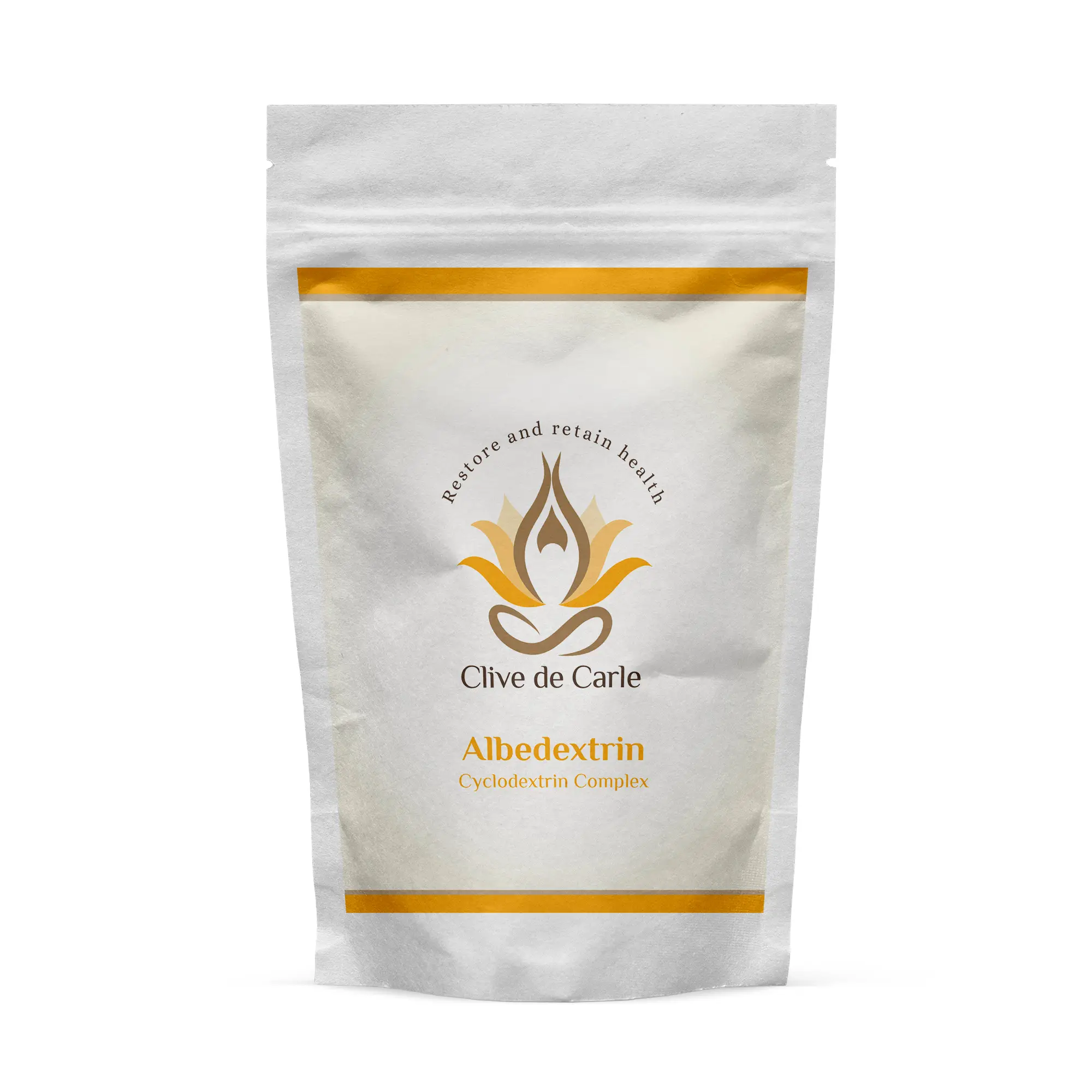
Albedextrin – Specialist Cyclodextrin Complex
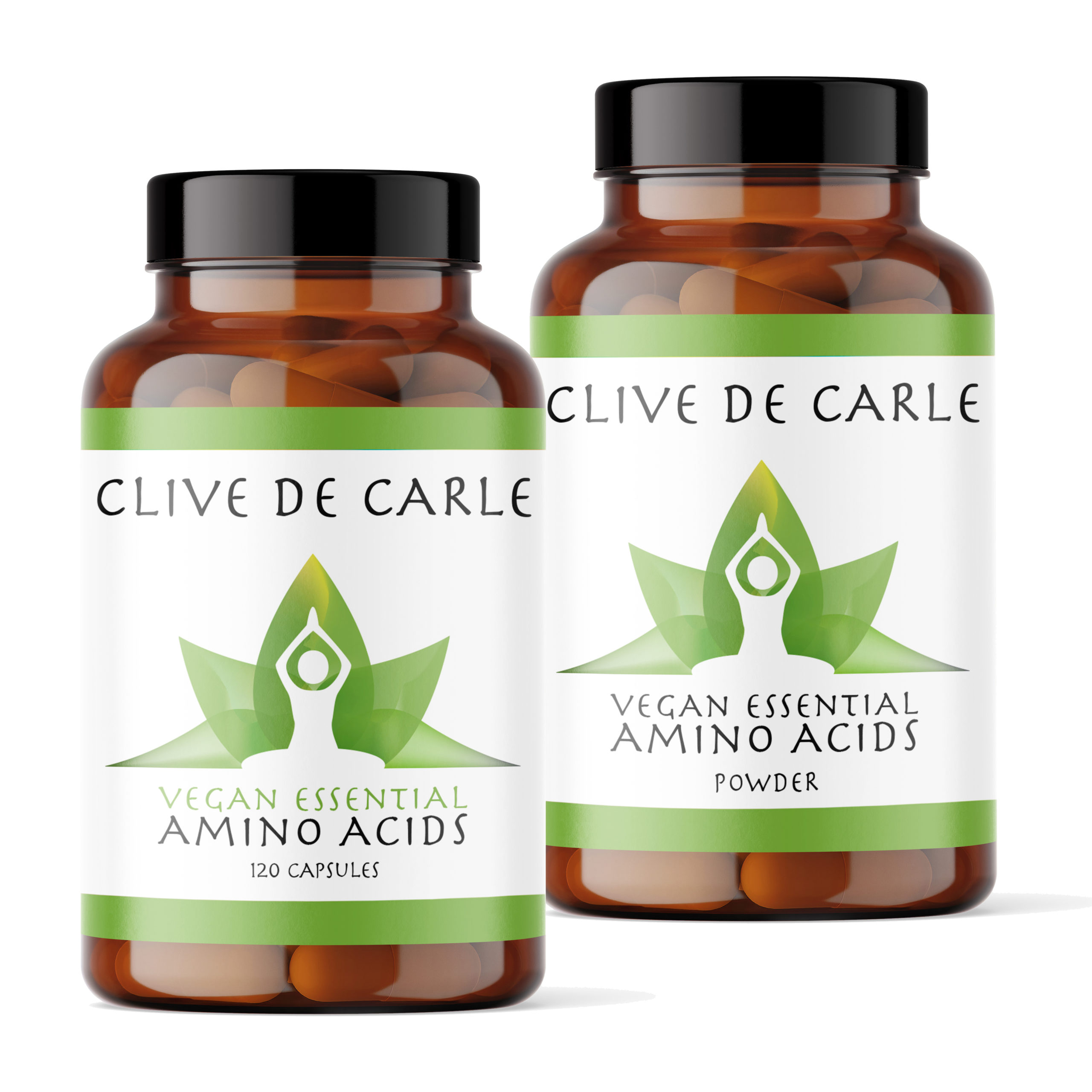
Vegan Essential Amino Acids – Plant-Powered Protein Building
INNERSTANDING may earn a commission on purchases made through these links. All products are selected based on rigorous educational relevance to our biological research.
RABBIT HOLE
Follow the biological thread deeper