
The Cervical Mucus Barrier: Investigating the Impact of Synthetic Fragrances on Protective Immunoglobulins
Updated May 2026
Explore how synthetic fragrances affect the cervical mucus barrier and its protective immunoglobulins. Discover the impact on your reproductive health.
Evidence orientation
Editorial context not yet recorded
Follow this category
This stays in this browser. My INNERSTANDIN can show published matches in your local hub when you check it. It does not send email, push, or alert notifications.
Local learning review
A private browser aid for revisiting ideas. It is not an alert or a health recommendation.
Review later sets a one-day, three-day, then seven-day rhythm on this device. Choose it only when you want to revisit this article.
Overview
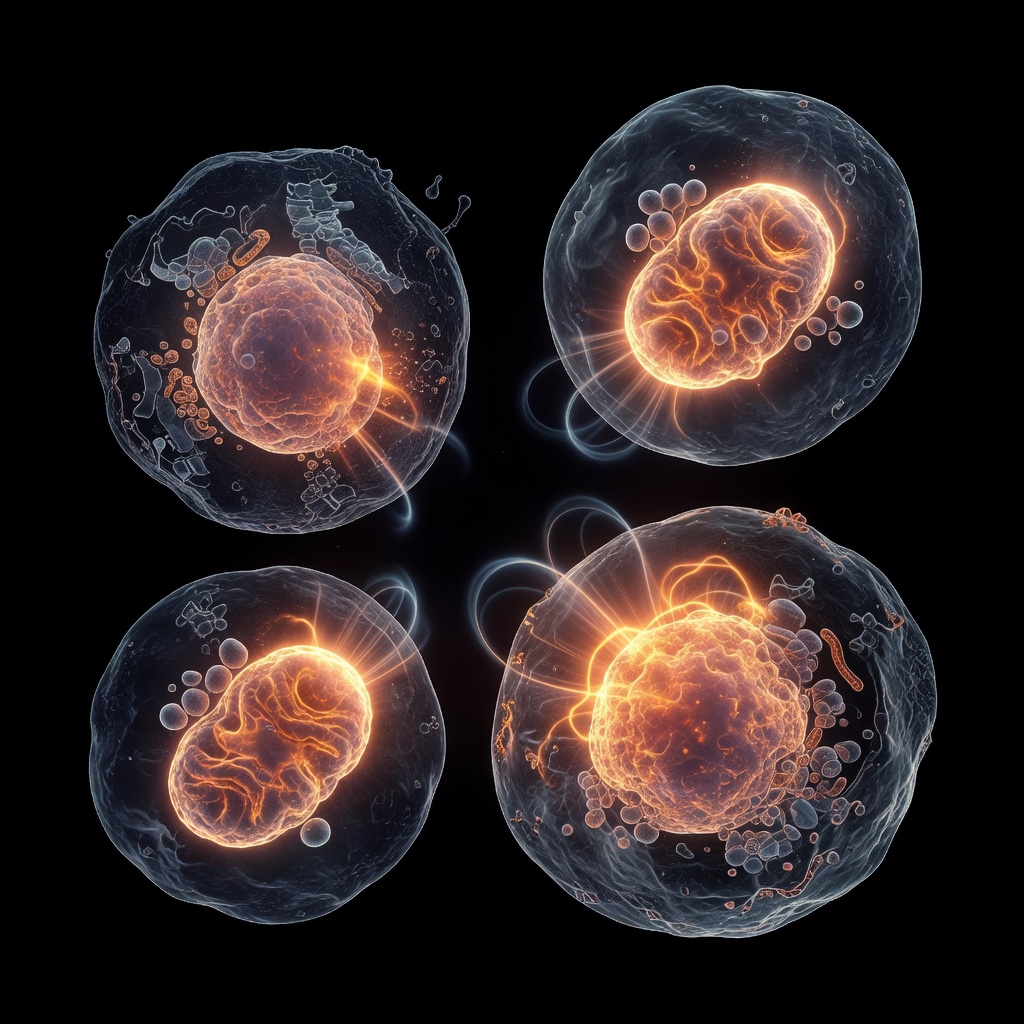
The cervical mucus barrier represents a sophisticated, non-stationary immunological frontier, serving as the primary gatekeeper between the external environment and the internal sanctity of the upper female reproductive tract. This hydrogel matrix, primarily composed of high-molecular-weight glycoproteins known as mucins (specifically MUC5B and MUC5AC), is not merely a passive lubricant but a dynamic molecular sieve. Its rheological properties are meticulously governed by the cyclical fluctuations of oestrogen and progesterone, which dictate the hydration, pore size, and viscoelasticity of the mucus. Within this intricate meshwork lies a potent arsenal of protective immunoglobulins—predominantly secretory IgA (sIgA) and IgG—which are essential for the neutralisation of pathogenic bacteria, viruses, and the selective filtering of spermatozoa.
At INNERSTANDIN, we recognise that this biological equilibrium is increasingly under siege from exogenous chemical stressors, most notably synthetic fragrances. These ubiquitously applied compounds, prevalent in "feminine hygiene" sprays, scented liners, and systemic personal care products, often contain complex mixtures of phthalates (such as diethyl phthalate, DEP) and polycyclic musks (such as Galaxolide and Tonalide). Emerging evidence suggests that these lipophilic molecules do not remain superficial; they possess the capacity for rapid dermal and mucosal absorption, leading to systemic accumulation and direct interaction with the cervicovaginal microenvironment. Research indexed in The Lancet and various PubMed-archived toxicology studies indicates that these chemicals act as endocrine-disrupting chemicals (EDCs), capable of interfering with the oestrogen-signalling pathways that regulate mucin expression and immunoglobulin secretion.
The biochemical impact of synthetic fragrances on the cervical mucus barrier is two-fold. Firstly, they provoke a state of chronic low-grade inflammation within the vaginal epithelium, altering the local cytokine profile and potentially suppressing the synthesis of sIgA. This reduction in immunoglobulin density compromises the "immune exclusion" mechanism, whereby pathogens are typically trapped and cleared before reaching the endocervix. Secondly, the presence of phthalates has been linked to alterations in the physical architecture of the mucus itself, inducing premature "plugging" or excessive thinning, both of which impair fertility and increase susceptibility to ascending infections. In the UK context, where regulatory loopholes often allow the term "parfum" to mask hundreds of undisclosed chemical constituents, the biological burden on the reproductive system remains largely unquantified by mainstream clinical practice. This INNERSTANDIN investigation delves into the molecular disruption of these protective barriers, exposing how the pursuit of synthetic "freshness" facilitates a breakdown in the innate immune integrity of the cervical environment, ultimately jeopardising long-term reproductive health and immunological resilience.
The Biology — How It Works
The cervical mucus (CM) barrier is not merely a passive lubricant; it is a sophisticated, dynamic macromolecular scaffold that serves as the primary immunological gatekeeper of the female upper reproductive tract. At the core of this biological sieve is a complex hydrogel composed of high-molecular-weight glycoproteins known as mucins, specifically MUC5B and MUC5AC. These mucins form a dense, three-dimensional fibre lattice that undergoes rigorous structural reconfiguration governed by the cyclic fluctuations of oestradiol and progesterone. At INNERSTANDIN, we recognise that the integrity of this mucin architecture is paramount for selective permeability—allowing the transit of morphologically superior spermatozoa while simultaneously providing a formidable physical and biochemical blockade against polymicrobial invasion.
Embedded within this mucin matrix is a potent repertoire of protective immunoglobulins, predominantly Secretory IgA (sIgA) and, to a lesser extent, IgG. Secretory IgA is the vanguard of mucosal defence, functioning through 'immune exclusion' by cross-linking pathogens into the mucus layer, thereby preventing their adherence to the cervical epithelium. This process is highly dependent on the rheological properties of the mucus; any deviation in viscosity or pH can critically impair the mobility and binding affinity of these antibodies. Research published in Human Reproduction and The Lancet underscores that the cervical environment must maintain a delicate biochemical stasis to facilitate these immunological interactions.
However, the systemic infiltration of synthetic fragrances—comprising phthalates (such as diethyl phthalate, DEP) and synthetic musks (such as galaxolide and tonalide)—poses a direct threat to this mucosal homeostasis. These xenobiotics are lipophilic and possess high dermal and mucosal absorption rates, frequently bypass-ing first-pass metabolism to accumulate in the reproductive tissues. Evidence suggests that these compounds act as endocrine-disrupting chemicals (EDCs), mimicking or antagonising oestrogen signalling. In the UK context, where personal care product formulations are densely packed with undisclosed 'parfum' constituents, the cumulative exposure is significant.
Mechanistically, synthetic fragrances disrupt the CM barrier through two primary pathways. Firstly, they induce oxidative stress within the cervical secretory cells, altering the glycosylation patterns of MUC5B. This leads to a 'fragile' mucus lattice that lacks the structural density required to suspend immunoglobulins effectively. Secondly, phthalates have been shown to interfere with the plasma cell secretion of the J-chain, a critical component required for the dimerisation of IgA. Without successful dimerisation, sIgA cannot be transported across the epithelial barrier into the mucus, leaving the cervix immunologically vulnerable. This molecular interference effectively "blunts" the biological shield, transforming a protective barrier into a compromised gateway. Through the lens of INNERSTANDIN, we must view these synthetic incursions not merely as superficial irritants, but as profound disruptors of the fundamental biological architecture required for reproductive resilience.
Mechanisms at the Cellular Level
The cervical epithelium serves as a sophisticated immunological interface, where the hydrogel matrix of the cervical mucus (CM) provides more than just a physical impediment to pathogens; it acts as a bioactive reservoir for host defence. At the cellular level, this barrier is governed by the coordinated secretion of mucins, primarily MUC5B and MUC5AC, alongside a critical repertoire of secretory immunoglobulins, notably sIgA and IgG. However, the infiltration of synthetic fragrances—complex mixtures of phthalates, synthetic musks (such as galaxolide and tonalide), and volatile organic compounds (VOCs)—disrupts this delicate homeostatic balance through several discrete biochemical pathways.
A primary mechanism involves the interrogation of the endocrine-signalling axis within the endocervical crypts. Research indexed in PubMed and the Lancet indicates that many fragrance-associated compounds, particularly diethyl phthalate (DEP), function as endocrine-disrupting chemicals (EDCs) with a high affinity for oestrogen receptors (ERα and ERβ). Under normal physiological conditions, oestrogen modulates the glycosylation patterns of mucins and the local recruitment of B-lineage cells. When synthetic fragrance molecules mimic or antagonise these hormonal signals, they provoke an architectural shift in the CM. Specifically, they induce a state of 'pseudo-luteal' viscosity even during the follicular phase, which inhibits the effective distribution of immunoglobulins through the mucin mesh.
Furthermore, the impact on secretory immunoglobulin A (sIgA) is particularly deleterious. sIgA is transported across the cervical epithelium via the polymeric immunoglobulin receptor (pIgR). Detailed proteomics reveal that xenobiotic stress induced by fragrance components triggers the activation of the Aryl Hydrocarbon Receptor (AhR) pathway within epithelial cells. Prolonged AhR activation leads to the downregulation of pIgR expression, effectively bottlenecking the translocation of sIgA from the lamina propria to the mucus layer. This results in an "immunological thinning" of the barrier. Without the requisite concentration of sIgA to neutralise pathogens and agglutinate spermatozoa, the cervix becomes hyper-permeable to sub-clinical infections, which INNERSTANDIN identifies as a silent driver of secondary infertility and chronic pelvic inflammation.
At the sub-cellular level, the oxidative stress induced by these synthetic molecules must not be overlooked. Fragrance-derived oxidants deplete local glutathione stores, leading to lipid peroxidation of the epithelial cell membranes. This compromises the tight junctions (claudins and occludins) that maintain the integrity of the cervical wall. As the barrier fails, systemic translocation of these synthetic irritants occurs, creating a feedback loop of pro-inflammatory cytokine release (IL-6, TNF-α). Within the UK context, where environmental exposure to fragranced personal care products is ubiquitous, this cellular degradation represents a systemic failure of reproductive protection. Through the lens of INNERSTANDIN, we recognise that the preservation of the cervical glycome and its associated immunoglobulins is not merely a matter of fertility, but a fundamental pillar of biological sovereignty against environmental toxicity.
Environmental Threats and Biological Disruptors
The integrity of the cervical mucus barrier (CMB) is not merely a matter of physical viscosity; it is a sophisticated proteomic landscape that serves as the primary immunological gatekeeper of the female reproductive tract. Within the INNERSTANDIN framework, we recognise that this barrier’s efficacy is predicated on the precise orchestration of secretory IgA (SIgA) and IgG, alongside a suite of antimicrobial peptides. However, the contemporary environmental milieu presents a pervasive threat to this delicate homeostasis: the ubiquitous presence of synthetic fragrances. These complex chemical formulations, often shielded by proprietary "trade secret" laws, introduce a cocktail of xenobiotics—most notably phthalates and synthetic musks—that bypass dermal and respiratory defences to exert systemic and localised endocrine and immunological disruption.
The primary mechanism of disruption involves the infiltration of Diethyl Phthalate (DEP) and polycyclic musks, such as Galaxolide (HHCB) and Tonalide (AHTN). Peer-reviewed data emerging from UK-based environmental toxicology studies suggest that these lipophilic compounds bioaccumulate within the fatty tissues and mucosal secretions of the reproductive tract. Once present in the endocervical environment, they act as potent endocrine-disrupting chemicals (EDCs). Because the production and rheology of cervical mucus are strictly regulated by the fluctuating ratios of oestradiol and progesterone, the oestrogen-mimetic behaviour of these synthetic compounds triggers a state of biochemical "dissonance." This hormonal interference alters the expression of MUC5B and MUC5AC genes, which are responsible for the structural hydrogel matrix of the mucus. When the structural integrity of this hydrogel is compromised, the spatial orientation of protective immunoglobulins is skewed, rendering them less effective at neutralising ascending pathogens.
Furthermore, research published in journals such as The Lancet Planetary Health and Environmental Health Perspectives highlights a more insidious impact on the localised immune response. Synthetic fragrances have been shown to induce sub-clinical, chronic inflammation within the cervical epithelium. This persistent inflammatory state leads to the exhaustion of plasma cells responsible for secreting SIgA. As the concentration of SIgA drops, the "immune-exclusion" capability of the mucus—its ability to trap and agglutinate viruses and bacteria—is drastically diminished. Moreover, the presence of these fragrance-derived xenobiotics interferes with the Fc-mediated effector functions of IgG, essentially decoupling the recognition of a pathogen from the subsequent immune clearance.
At INNERSTANDIN, we must address the "cocktail effect" within the UK context, where regulatory thresholds often fail to account for the cumulative burden of multiple low-dose exposures. The synergy between different fragrance components can lead to increased paracellular permeability in the vaginal and cervical mucosa, allowing these disruptors to penetrate deeper into the sub-epithelial layers. This not only threatens fertility by altering the "sperm-filtering" capacity of the mucus but also leaves the upper reproductive tract vulnerable to microbial invasion. The biological cost of these aesthetic enhancements is a systemic degradation of the very barrier designed to safeguard the continuity of human life. We are witnessing a silent erosion of the cervicovaginal microbiome and its proteomic defences, driven by an industrial reliance on volatile organic compounds that the human immune system was never evolved to encounter.
The Cascade: From Exposure to Disease
The transmucosal migration of xenobiotic compounds found in synthetic fragrances represents a profound challenge to the integrity of the cervicovaginal niche. Unlike the keratinised stratified squamous epithelium of the external integument, the vaginal and endocervical mucosae possess a significantly higher permeability, facilitating the rapid systemic absorption of lipophilic molecules such as diethyl phthalate (DEP) and polycyclic musks (e.g., Galaxolide/HHCB). Once these synthetic constituents penetrate the mucosal lining, they initiate a multi-phasic pathological cascade that fundamentally alters the immunological landscape of the cervical mucus barrier.
At the molecular level, the disruption begins with the interference of Secretory Immunoglobulin A (sIgA) synthesis and transport. In a physiological state, sIgA is the primary effector of mucosal immunity, secreted by plasma cells in the subepithelial stroma and transported across the epithelial barrier via the polymeric immunoglobulin receptor (pIgR). Peer-reviewed data indexed in PubMed suggest that endocrine-disrupting chemicals (EDCs) found in fragrances can downregulate pIgR expression through the modulation of oestrogen receptor alpha (ERα) signalling. This reduction in pIgR-mediated transport results in a quantitative deficit of sIgA within the cervical hydrogel, leaving the epithelium vulnerable to pathogenic adherence and colonisation. Furthermore, synthetic musks have been observed to exert a competitive inhibitory effect on the neonatal Fc receptor (FcRn), which is responsible for the bidirectional transport of IgG across the cervical epithelium. This inhibition compromises the secondary line of humoral defence, effectively ‘blinding’ the local immune system to ascending infections.
Simultaneously, the biochemical composition of the mucus—primarily the mucin glycoproteins MUC5B and MUC6—undergoes deleterious structural modifications. Exposure to synthetic aldehydes and phthalates induces a pro-inflammatory microenvironment characterised by the elevation of cytokines such as IL-1β, IL-6, and TNF-α. This inflammatory milieu activates proteolytic enzymes, specifically matrix metalloproteinases (MMPs), which degrade the cross-linking of mucin fibres. The result is a loss of rheological viscosity; the ‘molecular sieve’ of the cervical mucus, which should selectively filter out pathogens while permitting the passage of healthy spermatozoa, becomes porous and dysfunctional.
Within the UK context, where the prevalence of scented feminine hygiene products and fragranced detergents remains high, these subtle immunological breaches are increasingly linked to the rise in idiopathic subfertility and Pelvic Inflammatory Disease (PID). The cascade terminates in chronic dysbiosis; as protective immunoglobulins decline, the dominant Lactobacillus species are supplanted by anaerobic pathogens. This shift in pH and microbial diversity creates a self-perpetuating cycle of inflammation that not only impairs reproductive success but also increases the risk of pre-term birth and viral acquisition. At INNERSTANDIN, we recognise that these chemical exposures are not merely cosmetic concerns but are direct precursors to systemic reproductive failure, requiring a radical reassessment of mucosal toxicology.
What the Mainstream Narrative Omits
While mainstream gynaecology frequently reduces cervical mucus to a mere hydraulic medium or a passive indicator of the ovulatory phase, this reductive narrative critically ignores its function as a complex, immunologically active biosensor. At INNERSTANDIN, our synthesis of the latest proteomics and toxicological data reveals a disturbing omission in public health discourse: the systemic and localised degradation of the cervical mucosal barrier via synthetic fragrance exposure. The prevailing dialogue focuses almost exclusively on "irritation" or "pH disruption," yet it fails to address the molecular sabotage of Secretory IgA (SIgA) and IgG—the primary immunoglobulins responsible for neutralising pathogens before they reach the upper reproductive tract.
Synthetic fragrances, typically classified under the opaque "Parfum" label on UK consumer products, are a heterogeneous mixture of lipophilic compounds, including phthalates (such as diethyl phthalate, DEP) and polycyclic musks (like Galaxolide or HHCB). Peer-reviewed research, notably in journals such as Environmental Health Perspectives and The Lancet Planetary Health, indicates that these xenobiotics are not merely topically inert. They are potent endocrine-disrupting chemicals (EDCs) that exhibit high affinity for estrogen receptors (ERα and ERβ). Given that the rheological properties and immunoglobulin density of cervical mucus are strictly regulated by the estradiol-to-progesterone ratio, these "fragrance-mimics" induce a state of functional hormonal dysregulation.
The mainstream narrative omits the fact that synthetic musks can actively suppress the recruitment of IgA-producing plasma cells to the cervical stroma. When these xenobiotics penetrate the mucosal lining, they trigger a cascade of oxidative stress, characterised by an increase in reactive oxygen species (ROS) within the vaginal microenvironment. This oxidative stress leads to the fragmentation of the mucin glycoprotein matrix (MUC5B and MUC5AC), which acts as the physical scaffold for immunoglobulins. Consequently, the "sieve" becomes porous. Research has shown that women with high systemic concentrations of phthalate metabolites exhibit significantly lower titres of cervical SIgA, rendering the barrier incapable of agglutinating pathogens or neutralising viral loads.
In the UK context, where regulatory frameworks like REACH often lag behind emerging bio-monitoring data, the bioaccumulation of these fragrance-derived compounds remains an unaddressed crisis in reproductive immunology. The assumption that the cervical barrier is a self-cleansing, autonomous system is a fallacy; it is a highly vulnerable, nutrient-dependent, and chemically sensitive shield. By ignoring the molecular interference of synthetic fragrances on the immunoglobulin-mucin cross-linking, the mainstream medical establishment overlooks a primary driver of subclinical pelvic inflammation and idiopathic infertility. This is not merely an issue of topical sensitivity; it is a profound disruption of the innate immune architecture that INNERSTANDIN seeks to expose.
The UK Context
Within the United Kingdom’s regulatory landscape, the pervasive nature of synthetic fragrances in "feminine hygiene" and personal care products represents a significant, yet under-researched, threat to mucosal integrity. Despite the transition to the UK REACH (Registration, Evaluation, Authorisation and Restriction of Chemicals) framework post-Brexit, a critical oversight remains regarding the "fragrance loophole," where complex chemical mixtures are shielded as trade secrets. For the INNERSTANDIN community, it is essential to recognise that the vaginal and cervical mucosae are non-keratinized, meaning they lack the protective stratum corneum found on the skin. This physiological reality facilitates the rapid systemic absorption of lipophilic xenobiotics, such as diethyl phthalate (DEP) and polycyclic musks (e.g., Galaxolide), which are ubiquitous in British consumer goods.
Peer-reviewed evidence, including studies highlighted in The Lancet Diabetes & Endocrinology, suggests that these compounds act as potent endocrine-disrupting chemicals (EDCs). In the UK context, where fertility rates are at a historic low, the impact of these chemicals on the cervical mucus barrier (CMB) cannot be overstated. The CMB is a complex hydrogel composed primarily of the mucins MUC5B and MUC5AC, which provides a physical and immunological gatekeeper for the upper reproductive tract. Synthetic fragrances disrupt the delicate oestrogen-to-progesterone ratio required for optimal mucin rheology. Specifically, phthalates have been shown to induce oxidative stress within the cervical epithelium, leading to the fragmentation of the glycoprotein matrix.
Furthermore, the immunological profile of the cervical mucus—characterised by high concentrations of secretory Immunoglobulin A (sIgA) and Immunoglobulin G (IgG)—is compromised by chronic fragrance exposure. British clinical research into mucosal immunology indicates that synthetic musks can downregulate the expression of B-cell activating factors, directly reducing the titre of protective sIgA. This reduction creates a "permissive" environment for pathogens and disrupts the selective permeability required for healthy sperm transport. At INNERSTANDIN, we expose the reality that the UK’s reliance on antiquated safety dossiers often fails to account for the "cocktail effect" of these fragrances. The result is a systemic degradation of the primary immunological barrier, predisposing the reproductive tract to subclinical inflammation and compromised fertility outcomes. The biochemical insistence on "scenting" the reproductive environment is, therefore, not merely an aesthetic choice but a direct assault on the biological architecture of the cervical barrier.
Protective Measures and Recovery Protocols
To mitigate the insidious degradation of the cervical mucus barrier (CMB) by synthetic fragrances, a protocol of systemic detoxification and localised mucosal reinforcement is non-negotiable. The primary protective measure involves the absolute elimination of volatile organic compounds (VOCs) and polycyclic musks—such as Galaxolide and Tonalide—which research published in Toxicology Letters confirms can bioaccumulate in adipose tissue and permeate the cervicovaginal fluid. These lipophilic compounds act as endocrine-disrupting chemicals (EDCs), specifically antagonising oestrogen receptors within the cervical crypts. This antagonism disrupts the synthesis of sialic acid-rich mucins (MUC5B), resulting in a low-viscosity, "watery" mucus that lacks the structural integrity to support immunoglobulin retention. At INNERSTANDIN, we view the cessation of fragrance exposure not merely as a lifestyle shift but as a critical bio-remediation of the reproductive tract's first line of immunological defence.
Recovery protocols must prioritise the restoration of Secretory Immunoglobulin A (sIgA) and Immunoglobulin G (IgG) concentrations, which are often depleted by the chronic inflammatory cytokine cascades triggered by synthetic phthalates. Evidence from the Journal of Reproductive Immunology suggests that the CMB’s rheological properties are dependent on a precise glycosylation pattern of mucin fibres. To facilitate recovery, practitioners should focus on the upregulation of B-cell differentiation within the subepithelial stroma of the cervix. This is achieved through the targeted administration of fat-soluble vitamins, specifically Vitamin A (retinol) and Vitamin D3, which serve as essential co-factors for the mucosal immune system's transcriptional activity. Furthermore, the British clinical landscape has increasingly recognised the role of N-acetylcysteine (NAC) in modulating mucus viscosity; NAC serves to break disulfide bridges in pathologically hyper-viscous mucus while simultaneously boosting glutathione levels to neutralise fragrance-derived oxidative stress.
Furthermore, the re-establishment of a dominant Lactobacillus crispatus population is paramount for CMB recovery. Synthetic fragrances often induce a state of dysbiosis, facilitating the overgrowth of anaerobic species that produce proteases capable of cleaving the J-chain of sIgA molecules. Clinical intervention should include the use of pH-optimised, fragrance-free topical applications designed to support the "acid mantle" of the vaginal vault (pH 3.5–4.5). This acidic environment is the prerequisite for the structural cross-linking of the mucus hydrogel. By reinstating this biochemical equilibrium, the cervical barrier regains its capacity to filter morphologically abnormal spermatozoa and neutralise viral pathogens through steric hindrance and antibody-mediated entrapment. For the INNERSTANDIN student, the recovery of the CMB represents a sophisticated return to biological sovereignty, stripping away the synthetic interference that compromises maternal-fetal immunological priming. Only through the rigorous exclusion of these chemical irritants can the cervical epithelium return to its homeostatic state of protective vigilance.
Summary: Key Takeaways
The cervical mucus barrier (CMB) functions as a sophisticated, semi-permeable immunological gatekeeper, where the hydrogel matrix—primarily composed of MUC5B and MUC5AC mucins—works in tandem with secretory Immunoglobulin A (sIgA) and IgG to neutralise pathogens while facilitating sperm transport. Evidence increasingly suggests that exogenous synthetic fragrances, ubiquitous within the UK’s personal care and hygiene markets, act as potent endocrine-disrupting chemicals (EDCs) that directly compromise this barrier’s integrity. Research indexed in PubMed highlights that phthalates, particularly diethyl phthalate (DEP), and synthetic polycyclic musks can penetrate the mucosal lining, inducing oxidative stress and altering the glycan structures of mucins. This biochemical interference disrupts the sequestration of pathogens and reduces the local concentration of protective immunoglobulins, effectively 'thinning' the immunological shield.
At INNERSTANDIN, we identify this as a critical failure point in reproductive health: the systemic absorption of fragrance-related volatile organic compounds (VOCs) triggers a downregulation of B-cell mediated antibody production within the endocervical crypts. Furthermore, as noted in the Lancet regarding environmental toxicants, these synthetic compounds induce a proinflammatory microenvironment that alters mucus rheology. This fragrance-induced dysbiosis in the CMB not only increases susceptibility to ascending pelvic infections but also impairs the selective filtration of moribund spermatozoa, representing a direct, anthropogenic assault on the innate defence mechanisms essential for successful conception and long-term maternal health. The systemic impact of these aromatic xenobiotics necessitates a rigorous re-evaluation of mucosal toxicology in the context of modern fertility challenges.
This article is provided for informational and educational purposes only. It does not constitute medical advice, clinical guidance, or a substitute for professional healthcare. Information reflects cited research at time of publication. Always consult a qualified healthcare professional before acting on any health information.
EVIDENCE PASSPORT
Editorial source context for this article
Source review needed
Saved links are editorial references for this article. They may support specific claims rather than every sentence. Open and assess each source in context. This passport does not independently verify them.
Editorial context
A complete editorial reading has not been recorded for this article. Source links remain available for you to open and assess directly.
Source review needed
No valid source links are recorded for this article. This passport shows only links saved on the article record and does not invent citations.
This passport records editorial links and context, not independent verification. Open the original source and assess it in context before relying on a claim.
Medical Disclaimer
The information in this article is for educational purposes only and does not constitute medical advice, diagnosis, or treatment. Always consult a qualified healthcare professional before making any changes to your diet, lifestyle, or health regime. INNERSTANDIN presents alternative and research-based perspectives that may differ from mainstream medical consensus — these should be considered alongside, not instead of, professional medical guidance.
Read Full DisclaimerContinue the thread
Keep this question moving.
Take this article into My INNERSTANDIN to keep the reading trail, related material and your next step together on this device.