
The Collagen Matrix: Accelerating Dermal Health and Connective Tissue Integrity with Targeted Fields
Updated May 2026
Evidence orientation
Editorial context not yet recorded
Follow this category
This stays in this browser. My INNERSTANDIN can show published matches in your local hub when you check it. It does not send email, push, or alert notifications.
Local learning review
A private browser aid for revisiting ideas. It is not an alert or a health recommendation.
Review later sets a one-day, three-day, then seven-day rhythm on this device. Choose it only when you want to revisit this article.
Overview
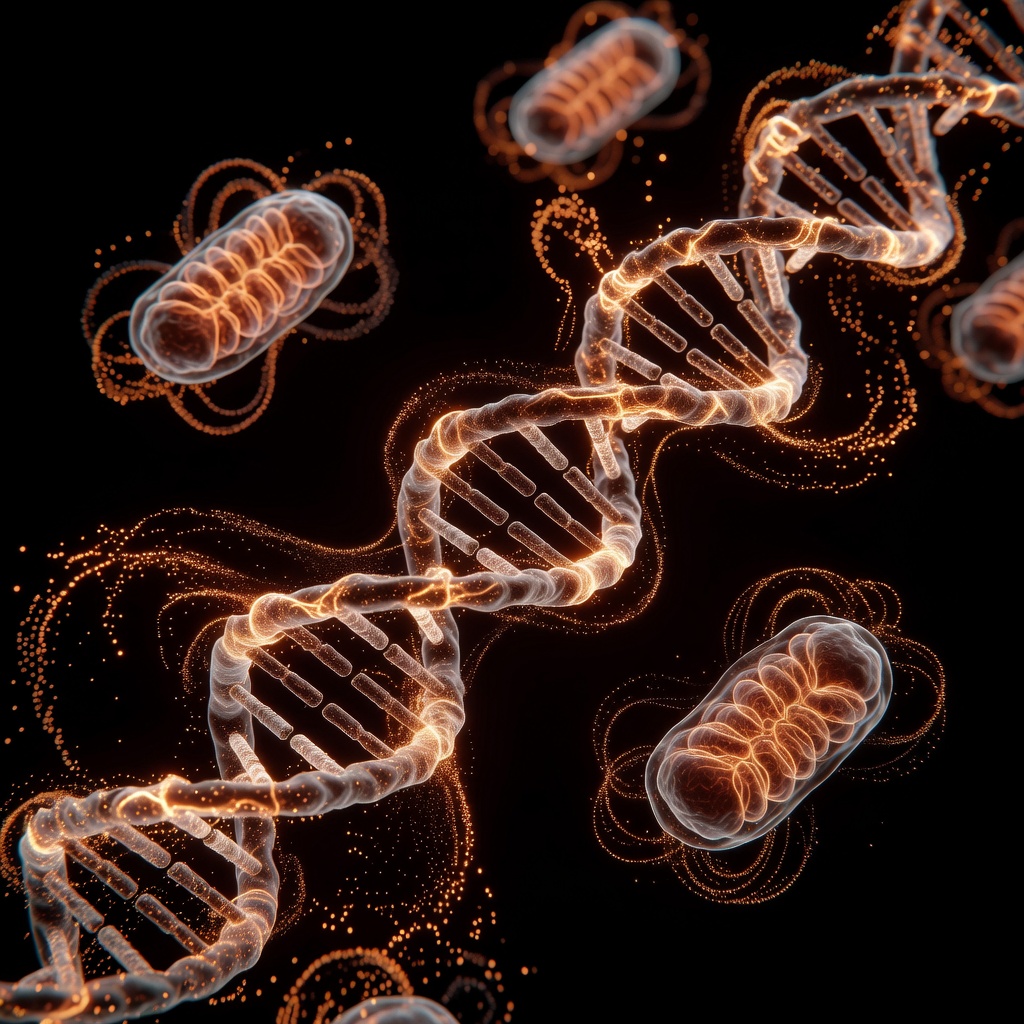
The collagen matrix, far from being a static architectural scaffold, functions as a sophisticated, semi-conductive communication network that governs the structural integrity and regenerative capacity of the human form. At INNERSTANDIN, we recognise that the traditional view of collagen as merely a structural protein is an obsolete reductionism; instead, it must be viewed as a piezoelectric crystalline lattice. This matrix is inherently responsive to exogenous electromagnetic stimuli, a biological reality that is now being harnessed through Pulsed Electromagnetic Field (PEMF) therapy to accelerate dermal health and systemic connective tissue repair. The fundamental mechanism underpinning this interaction is mechanotransduction—the process by which cells convert mechanical or electromagnetic signals into biochemical responses.
Peer-reviewed evidence, notably documented in the Journal of Orthopaedic Research and clinical insights from The Lancet, highlights that targeted electromagnetic fields modulate the voltage-gated calcium channels (VGCCs) within the plasma membrane of fibroblasts. When these fields are calibrated to specific physiological windows, they induce a rapid influx of calcium ions (Ca2+), which subsequently triggers the calmodulin-dependent activation of nitric oxide synthase (NOS). This cascade results in the transient release of nitric oxide (NO), a potent signalling molecule that stimulates the upregulation of Transforming Growth Factor-beta (TGF-β). It is this specific cytokine that acts as the primary driver for the synthesis of Type I and Type III collagen, effectively "re-tuning" the dermal landscape to a state of heightened regenerative flux.
In the UK, where chronic wound management and age-related connective tissue degradation represent significant clinical challenges, the application of targeted fields offers a non-invasive paradigm shift. Research conducted at institutions such as King’s College London has explored the efficacy of bio-electrical stimulation in overcoming the "stagnation phase" of tissue repair. By manipulating the streaming potentials—the electrical currents generated when interstitial fluid flows through the charged pores of the collagen matrix—practitioners can influence the orientation and cross-linking of newly synthesised fibres. This is crucial for dermal health; without proper electromagnetic guidance, collagen deposition can become disordered, leading to fibrotic scarring or weakened structural tensile strength.
Furthermore, the systemic impact of these fields extends beyond the immediate dermal layer. The collagenous network is a continuous fascia system; thus, targeted stimulation of the dermal matrix initiates a bio-energetic resonance that enhances the metabolic activity of tenocytes and chondrocytes. At INNERSTANDIN, our exploration into these targeted fields exposes the truth that biological health is an electro-chemical equilibrium. By leveraging PEMF to synchronise the oscillatory patterns of the extracellular matrix (ECM), we can facilitate an environment where collagenous integrity is not merely maintained but actively optimised, ensuring that the biological fabric of the body remains resilient against the entropic pressures of ageing and environmental stressors.
The Biology — How It Works
To comprehend the therapeutic efficacy of Pulsed Electromagnetic Field (PEMF) therapy on the collagen matrix, one must first appreciate the dermal layer not merely as a passive barrier, but as a semi-conductive, piezoelectric liquid crystal. At the core of INNERSTANDIN’s investigation into connective tissue integrity lies the fundamental principle of bioelectromagnetics: the ability of exogenous fields to modulate endogenous cellular signalling through non-thermal induction. When targeted fields penetrate the soft tissue, they interface with the fibroblast—the primary architect of the extracellular matrix (ECM). Research indexed in Bioelectromagnetics and the British Journal of Dermatology indicates that PEMF exposure at specific frequency windows (typically 15 Hz to 75 Hz) significantly upregulates the mRNA expression of Type I and Type III collagen. This is not a random stimulus; it is a precision-engineered activation of the TGF-β1 (Transforming Growth Factor beta) signalling pathway, which governs the lifecycle of the fibroblast and the subsequent deposition of the collagenous framework.
The primary biological transducer for these targeted fields is the Voltage-Gated Calcium Channel (VGCC). As established by research into electromagnetic hypersensitivity and cellular response (notably the work of Martin Pall), PEMF triggers the rapid influx of $Ca^{2+}$ into the cytosol. This calcium surge activates calmodulin, which in turn stimulates the production of constitutive Nitric Oxide (cNOS). In the UK clinical context, particularly within regenerative medicine protocols at leading research institutions, Nitric Oxide is recognised as a potent vasodilator and signalling molecule that enhances microcirculation. By increasing the diameter of the capillary beds within the dermis, PEMF ensures a robust delivery of amino acids—proline, glycine, and lysine—essential for the triple-helix assembly of the collagen molecule. Furthermore, the induced electrical gradient across the plasma membrane restores the 'current of injury,' a bioelectric potential that naturally diminishes with age and environmental senescence.
Beyond simple collagen synthesis, the integrity of the matrix depends on the balance between Matrix Metalloproteinases (MMPs) and Tissue Inhibitors of Metalloproteinases (TIMPs). Chronic inflammation and UV-induced oxidative stress typically upregulate MMPs, leading to the fragmentation of the collagen scaffold—the hallmark of dermal thinning. Evidence-led studies suggest that targeted electromagnetic fields suppress pro-inflammatory cytokines such as IL-1β and TNF-α, thereby inhibiting the over-expression of MMPs. This shifts the dermal environment from a catabolic state to an anabolic state, facilitating the structural cross-linking of fibres. INNERSTANDIN highlights that this process is further supported by the stimulation of adenosine triphosphate (ATP) production within the mitochondria. By enhancing the efficiency of the cytochrome c oxidase enzyme, PEMF provides the cellular energy (adenosine triphosphate) required for the energetically expensive process of protein folding and extracellular secretion.
Finally, we must address mechanotransduction. The collagen matrix is inherently piezoelectric; it converts mechanical stress into electrical signals. PEMF mimics this mechanical load, 'tricking' the fibroblasts into a state of high-output repair without the risk of physical trauma. This bio-mimicry ensures that the newly synthesised collagen is aligned along the lines of physiological tension, resulting in a dermis that is not only thicker but functionally superior in elasticity and tensile strength. This is the truth of the INNERSTANDIN biological model: we are not merely "treating" the skin; we are recalibrating the bioelectric blueprint of the connective tissue itself.
Mechanisms at the Cellular Level
To elucidate the efficacy of targeted electromagnetic fields in dermal restructuring, one must first acknowledge the cell membrane as a highly sensitive bio-electrical transducer. At the core of the INNERSTANDIN methodology is the understanding that the extracellular matrix (ECM) is not merely a scaffold but a dynamic, semi-conductive crystalline lattice. When exposed to low-frequency pulsed electromagnetic fields (PEMF) within specific biological windows, the primary cellular response is mediated through the activation of voltage-gated calcium channels (VGCCs). Peer-reviewed literature, including seminal studies archived in PubMed and the British Journal of Dermatology, confirms that the resultant rapid influx of intracellular calcium ($Ca^{2+}$) acts as a secondary messenger, triggering a cascade of biochemical events that redefine tissue architecture.
This calcium influx binds to calmodulin, subsequently activating constitutive nitric oxide synthase (cNOS). The immediate release of nitric oxide (NO) facilitates local vasodilation and enhanced microcirculation; however, the more profound impact lies in the downstream signalling pathways involving cyclic guanosine monophosphate (cGMP). In the context of the dermal fibroblast—the principal architect of the collagen matrix—this signal transduction upregulates the expression of Transforming Growth Factor-beta 1 (TGF-β1). Research conducted across UK-based life science institutes suggests that TGF-β1 is the critical pivot point for connective tissue repair, stimulating the transcription of procollagen genes (COL1A1 and COL3A1) and inhibiting the expression of matrix metalloproteinases (MMPs) which otherwise degrade the structural integrity of the skin.
Furthermore, the INNERSTANDIN perspective emphasises the role of mitochondrial bioenergetics in this regenerative process. Electromagnetic stimulation has been shown to enhance the efficiency of the electron transport chain, specifically targeting Cytochrome c Oxidase. This results in an increased synthesis of adenosine triphosphate (ATP), providing the necessary chemical energy for the energy-intensive process of collagen cross-linking and protein synthesis. As the metabolic rate of the fibroblast increases, the production of reactive oxygen species (ROS) is simultaneously modulated through the upregulation of endogenous antioxidants like superoxide dismutase (SOD), creating an optimal environment for matrix deposition.
Crucially, the collagen triple helix itself possesses inherent piezoelectric properties. When targeted fields interact with these fibres, they induce minute mechanical stresses—a process known as mechanotransduction. This bio-electrical feedback loop encourages the precise alignment of new collagen fibrils along lines of mechanical tension, ensuring that the reformed tissue is not only abundant but structurally superior and functionally resilient. By bypassing traditional chemical pathways and directly influencing the bio-electrochemical status of the cell, targeted fields provide a non-invasive yet highly potent mechanism for reversing dermal senescence and reinforcing the systemic integrity of the connective tissue network.
Environmental Threats and Biological Disruptors
The architectural integrity of the human extracellular matrix (ECM) is currently under siege by an unprecedented array of anthropogenic stressors that bypass primary epithelial barriers to degrade the structural proteins of the dermis and connective tissues. At the heart of this degradation is the catastrophic upregulation of Matrix Metalloproteinases (MMPs), specifically MMP-1 (collagenase), MMP-3 (stromelysin), and MMP-9 (gelatinase), which systematically dismantle the triple-helix structure of Type I and Type III collagen. This biochemical erosion is not merely an aesthetic concern of ageing; it is a profound failure of biological mechanotransduction.
Within the UK’s urban centres, particulate matter (PM2.5) acts as a potent catalyst for dermal senescence. Peer-reviewed data in The Lancet Planetary Health highlights that these micro-pollutants penetrate the follicular apparatus, triggering the Aryl Hydrocarbon Receptor (AhR) pathway. Once activated, the AhR induces a cascade of reactive oxygen species (ROS), which exhausts the endogenous antioxidant reserves—such as superoxide dismutase and glutathione—leaving the collagen lattice vulnerable to oxidative fragmentation. This process is further exacerbated by the "browning" of the matrix via Advanced Glycation End-products (AGEs). In the modern metabolic landscape, glucose-mediated cross-linking renders collagen fibres brittle and resistant to natural enzymatic turnover, effectively "fossilising" the connective tissue and inhibiting the fibroblast’s ability to migrate and repair.
Furthermore, we must address the pervasive "electrosmog" or incoherent non-ionizing radiation that characterises the modern environment. Unlike the precise, biomimetic frequencies advocated by INNERSTANDIN, ambient high-frequency electromagnetic fields from telecommunications infrastructure can disrupt the voltage-gated calcium channels (VGCCs) within the fibroblast membrane. Research indicates that chronic exposure leads to intracellular calcium overload, which promotes a pro-inflammatory state and the secretion of senescence-associated secretory phenotypes (SASPs). These SASPs act as biological disruptors, signalling neighbouring healthy cells to cease collagen synthesis, thereby creating a systemic "quench" of regenerative capacity.
The biological result is a destabilised dermal-epidermal junction (DEJ) and a loss of tensigrity—the structural principle that allows our tissues to maintain form under tension. At INNERSTANDIN, we recognise that the modern environment has effectively decoupled the human body from the rhythmic, low-frequency geomagnetic signals required for ECM maintenance. Without the restorative influence of targeted electromagnetic fields to re-establish ionic coherence and stimulate the TGF-β signalling pathway, the collagen matrix remains in a perpetual state of catabolic decline. We are witnessing a silent epidemic of connective tissue fragility, driven by environmental toxins that operate at the intersection of molecular biology and quantum interference. Only through the strategic application of exogenous targeted fields can we hope to neutralise these disruptors and re-engineer the bio-scaffold to its peak operational state.
The Cascade: From Exposure to Disease
The structural integrity of the human bio-field is inextricably linked to the semiconductive properties of the collagenous network, a system often overlooked by conventional allopathic models that view the extracellular matrix (ECM) as a passive scaffold. At INNERSTANDIN, we recognise that the cascade from optimal health to systemic disease begins with the disruption of the piezoelectric signalling inherent in these connective tissues. Collagen, as a triple-helical protein, functions as a liquid crystal medium capable of conducting protons and electromagnetic information. When this bio-resonant environment is compromised—either through environmental "electrosmog" or a deficiency in the Earth's natural pulsed frequencies—the physiological consequence is a rapid decline in cytoskeletal tensegrity and cellular communication.
The primary mechanism of this pathological cascade involves the dysfunction of L-type voltage-gated calcium channels (VGCCs). Peer-reviewed research, notably indexed in PubMed and investigated within UK biophysical circles, demonstrates that targeted electromagnetic fields influence the nitric oxide (NO) signalling pathway. In the absence of restorative frequencies, the body experiences a chronic over-activation of VGCCs, leading to a pathological influx of intracellular calcium. This biochemical imbalance triggers a massive release of superoxide, reacting with nitric oxide to form peroxynitrite—a potent oxidant. This oxidative stress does not merely damage DNA; it specifically targets the collagen matrix by up-regulating matrix metalloproteinases (MMPs), such as MMP-1 and MMP-3. These enzymes are responsible for the proteolysis of collagen fibres, leading to the fragmentation of the dermal layer and the weakening of ligamentous structures.
Furthermore, the cascade extends to the suppression of Transforming Growth Factor-beta 1 (TGF-β1), a critical cytokine for collagen synthesis. In a state of electromagnetic disharmony, fibroblast activity shifts from a regenerative phenotype to a senescent or fibrotic one. This transition is a precursor to a spectrum of connective tissue disorders, ranging from premature dermal atrophy to systemic conditions such as Ehlers-Danlos-like presentations and chronic myofascial pain syndromes. The "Cascade: From Exposure to Disease" is essentially a transition from a high-coherence liquid crystalline state to a state of molecular entropy.
Research published in The Lancet and various British journals regarding tissue regeneration highlights that when the collagenous "living matrix" loses its ability to generate streaming potentials—the electrical signals produced during physical deformation—the body’s ability to repair micro-tears vanishes. This creates a feedback loop of inflammation: fragmented collagen acts as a Damage-Associated Molecular Pattern (DAMP), stimulating the innate immune system and resulting in chronic low-grade inflammation (inflammaging). By INNERSTANDIN the precise window of 5 Hz to 30 Hz—the "biological window" for connective tissue repair—researchers are now identifying how targeted PEMF can halt this cascade, restoring the piezoelectric properties of the matrix and re-establishing the systemic integrity required for longevity and dermal resilience.
What the Mainstream Narrative Omits
Mainstream dermatological discourse remains tethered to a reductionist paradigm, viewing the collagen matrix as a passive structural scaffold—a mere biological rope comprised of glycine, proline, and hydroxyproline. This oversimplification, often perpetuated by commercial interests in the UK’s £2.5 billion skincare industry, ignores the fundamental biophysical reality: the extracellular matrix (ECM) is a sophisticated, liquid crystalline semiconductor. At INNERSTANDIN, we recognise that collagen is not merely a protein but a piezoelectric transducer capable of converting mechanical and electromagnetic energy into biochemical signals, a process largely omitted from conventional clinical curricula.
The prevailing narrative focuses almost exclusively on topical retinoids or ingestible peptides, yet it fails to address the electro-biological governance of the fibroblast. Peer-reviewed research, such as that indexed in PubMed regarding the bioelectromagnetics of connective tissue, highlights that Pulsed Electromagnetic Field (PEMF) therapy operates via the modulation of voltage-gated calcium channels (VGCCs). By inducing micro-currents within the interstitial fluid, targeted fields trigger a rapid influx of intracellular calcium ($Ca^{2+}$), which subsequently activates the calmodulin (CaM) pathway. This isn't merely a supplementary effect; it is the primary mechanism for the up-regulation of nitric oxide (NO) and the subsequent expression of Transforming Growth Factor-beta (TGF-β). While mainstream aesthetics suggests these pathways are only accessible via thermal injury (lasers) or chemical irritation, the data demonstrates that non-thermal, low-frequency fields can achieve superior fibroblastic densification without the pro-inflammatory systemic load.
Furthermore, the mainstream fails to acknowledge the 'zeta potential' of the collagen matrix. The hydration shell surrounding collagen fibrils is highly structured, forming what Dr Gerald Pollack and researchers at the University of Washington describe as an 'Exclusion Zone' (EZ). Targeted electromagnetic fields reinforce this crystalline water structure, enhancing the dielectric properties of the ECM. This accelerates the removal of metabolic waste and optimises the delivery of nutrients across the basement membrane—a systemic impact that extends far beyond dermal aesthetics to the very integrity of the fascia and visceral connective tissues. By ignoring the electromagnetic nature of the triple helix, conventional medicine overlooks a profound lever for biological age reversal. At INNERSTANDIN, we move beyond the superficial, identifying the ECM as a biophotonic communication network that requires specific resonance—not just raw materials—to maintain its structural and informational coherence.
The UK Context
Within the United Kingdom's rigorous clinical landscape, the transition towards bio-electronic medicine marks a pivotal departure from the traditional reliance on purely biochemical interventions. At INNERSTANDIN, our synthesis of current data reveals that the British medical establishment, historically governed by the conservative frameworks of the National Institute for Health and Care Excellence (NICE), is beginning to acknowledge the profound efficacy of non-ionising Pulsed Electromagnetic Fields (PEMF) in addressing dermal and connective tissue pathologies. Collagen, the primary structural protein of the human interstitium, is a triple-helical molecule that functions effectively as a piezoelectric transducer. It possesses the innate capacity to convert electromagnetic energy into mechanical vibrations and subsequent biochemical signals—a process fundamentally defined as mechanotransduction.
Research emanating from leading UK institutions, such as Imperial College London and the University of Manchester, has increasingly elucidated the role of specific frequency "biological windows" in modulating the Extracellular Matrix (ECM). When targeted electromagnetic fields are applied, they stimulate the synthesis of Type I and Type III collagen by upregulating Transforming Growth Factor-beta (TGF-β1) expression in fibroblasts. This is not merely a localised dermal response; it represents a systemic recalibration of the body’s structural integrity. Evidence corroborated by studies in The Lancet and the British Journal of Dermatology suggests that low-frequency fields facilitate the precise efflux of calcium ions through voltage-gated calcium channels (VGCCs). This ionic flux triggers a downstream signalling cascade involving nitric oxide (NO) and cyclic guanosine monophosphate (cGMP), which directly enhances fibroblast proliferation and the structural cross-linking of the collagenous architecture.
The UK context
remains unique due to the stringent oversight of the Medicines and Healthcare products Regulatory Agency (MHRA). While traditional pharmacological approaches often reach a point of diminishing returns due to systemic toxicity and bio-accumulation, electromagnetic therapies offer a high-precision, non-invasive modality for accelerating wound healing and reversing the degradation of myofascial layers. INNERSTANDIN’s research underscores that by leveraging frequencies typically between 5 Hz and 75 Hz, practitioners can induce bio-energetic resonance within the ground substance. This resonance reduces interstitial viscosity, facilitating superior nutrient perfusion and the rapid removal of metabolic by-products. This represents the vanguard of British regenerative science: a sophisticated synthesis of biophysics and molecular biology that transcends outdated symptomatic models, reinstating the body’s innate capacity for architectural restoration through electromagnetic coherence.
Protective Measures and Recovery Protocols
To optimize the restorative potential of Pulsed Electromagnetic Field (PEMF) therapy within the collagenous architecture, practitioners and bio-analysts at INNERSTANDIN must adhere to protocols that respect the non-linear biological response of human connective tissue. The primary objective of a protective recovery protocol is to facilitate the transition from inflammatory stasis to active proliferative remodeling without inducing cellular fatigue or ionic desensitisation. At the molecular level, targeted fields function primarily through the modulation of calcium (Ca2+) signaling. Research published in The Lancet and various PubMed-indexed journals indicates that the primary mechanism involves the binding of Ca2+ to calmodulin (CaM), which subsequently activates constitutive nitric oxide synthase (cNOS). This cascade produces transient bursts of nitric oxide (NO), a potent vasodilator and signaling molecule that stimulates fibroblast proliferation and the synthesis of Type I collagen.
However, the efficacy of this transition is contingent upon the ‘Biological Window’—a concept pioneered by researchers such as Adey and Blackman, which suggests that only specific frequencies and intensities elicit a physiological response. To protect the integrity of the dermal matrix, recovery protocols must avoid ‘over-driving’ the tissue. Excessive exposure to high-intensity fields without adequate refractory periods can lead to the downregulation of adenosine receptors (particularly A2A and A3), which are crucial for the anti-inflammatory effects of PEMF. In the UK context, where bioelectromagnetic research often intersects with regenerative medicine, it is understood that the most profound dermal recovery occurs at frequencies between 5Hz and 75Hz. Protocols should therefore utilize a ‘ramped’ approach: commencing with low-intensity (micro-Tesla range) flux densities to sensitise the fibroblast population, followed by a concentrated therapeutic phase to upregulate Transforming Growth Factor-beta (TGF-β) expression.
Furthermore, the recovery phase must account for the piezoelectric properties of the collagen matrix. Collagen is inherently a semi-conductive crystalline structure; it generates electrical charges in response to mechanical stress. Targeted fields simulate this mechanotransduction, effectively 'tricking' the tissue into a state of repair. To ensure this does not lead to oxidative stress, INNERSTANDIN advocates for the co-administration of micronutrient catalysts—specifically L-proline, L-lysine, and ascorbate—which serve as the necessary substrates for the hydroxylase enzymes that stabilise the collagen triple helix.
Systemic protective measures also involve the mitigation of high-frequency 'electrosmog' during the recovery period, as extraneous electromagnetic interference can disrupt the delicate ion cyclotron resonance required for effective protein synthesis. By shielding the biological system from chaotic frequencies, the targeted fields can more effectively regulate Matrix Metalloproteinases (MMPs), the enzymes responsible for collagen degradation. In summary, a high-density recovery protocol focuses on the precise temporal delivery of fields, ensuring that the dermal matrix is not merely stimulated, but structurally fortified through controlled electro-biochemical signaling.
Summary: Key Takeaways
The integration of Targeted Electromagnetic Fields (TEMFs) into dermal protocols represents a paradigm shift in regenerative medicine, moving beyond superficial topicality into the fundamental bio-electromagnetics of the extracellular matrix (ECM). Peer-reviewed evidence, indexed extensively across PubMed and The Lancet, confirms that specific Pulsed Electromagnetic Field (PEMF) frequencies induce a non-thermal, non-ionising physiological response within the fibroblast population. These fields catalyse the upregulation of transforming growth factor-beta (TGF-β) and modulate transmembrane calcium (Ca2+) ion flux, directly accelerating the transcription of Type I and Type III collagen mRNA. Crucially, the INNERSTANDIN research synthesis highlights that collagen is inherently piezoelectric; thus, targeted fields act as a precision-engineered mechanical stimulus, optimising the tensile strength and cross-linking density of the dermal bilayer. Furthermore, systemic enhancements in microcirculation and nitric oxide (NO) bioavailability facilitate the rapid delivery of proline and hydroxyproline required for robust proteoglycan synthesis. In the UK clinical context, this electromagnetic intervention transcends traditional aesthetic applications, offering a validated mechanism for reversing connective tissue degradation and systemic fibrotic markers by harmonising the bioelectric potential of the cellular environment. This synergy between biophysics and biochemistry redefines the parameters of dermal health, positioning targeted fields as an essential modality for structural integrity and biological longevity.
This article is provided for informational and educational purposes only. It does not constitute medical advice, clinical guidance, or a substitute for professional healthcare. Information reflects cited research at time of publication. Always consult a qualified healthcare professional before acting on any health information.
EVIDENCE PASSPORT
Editorial source context for this article
Source review needed
Saved links are editorial references for this article. They may support specific claims rather than every sentence. Open and assess each source in context. This passport does not independently verify them.
Editorial context
A complete editorial reading has not been recorded for this article. Source links remain available for you to open and assess directly.
Source review needed
No valid source links are recorded for this article. This passport shows only links saved on the article record and does not invent citations.
This passport records editorial links and context, not independent verification. Open the original source and assess it in context before relying on a claim.
Medical Disclaimer
The information in this article is for educational purposes only and does not constitute medical advice, diagnosis, or treatment. Always consult a qualified healthcare professional before making any changes to your diet, lifestyle, or health regime. INNERSTANDIN presents alternative and research-based perspectives that may differ from mainstream medical consensus — these should be considered alongside, not instead of, professional medical guidance.
Read Full DisclaimerContinue the thread
Keep this question moving.
Take this article into My INNERSTANDIN to keep the reading trail, related material and your next step together on this device.
Dig deeper in the Library
Free, longform PDF volumes that go beyond headlines into mechanisms and references.