The Cytokine Cascade: How Systemic Inflammation Drives Chronic Plantar Fascia Degeneration
Discuss this resourceUpdated August 2026
An in-depth exploration of how systemic inflammation and the cytokine cascade transform acute plantar fasciitis into a chronic, degenerative condition, moving beyond mechanical explanations to address root-cause biological drivers.
Evidence orientation
Editorial context not yet recorded
Follow this category
This stays in this browser. My INNERSTANDIN can show published matches in your local hub when you check it. It does not send email, push, or alert notifications.
Local learning review
A private browser aid for revisiting ideas. It is not an alert or a health recommendation.
Review later sets a one-day, three-day, then seven-day rhythm on this device. Choose it only when you want to revisit this article.
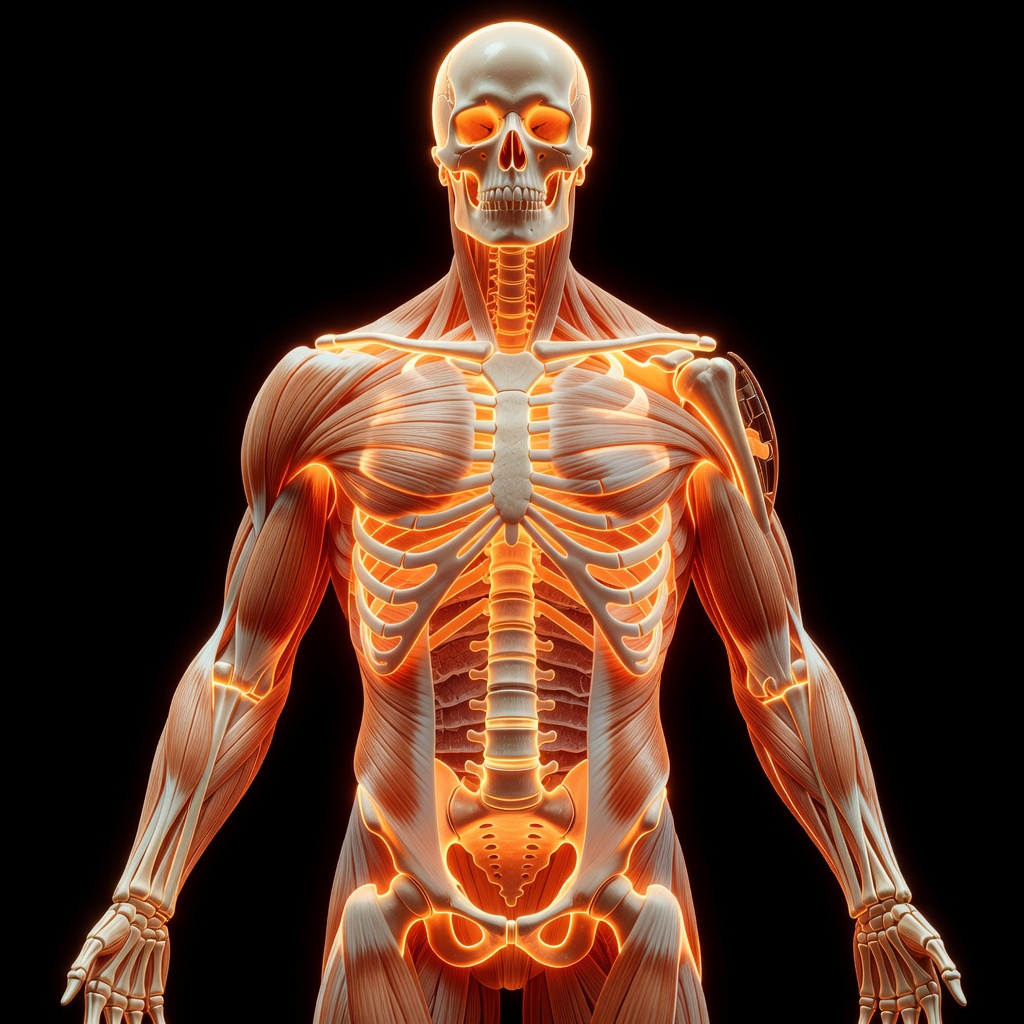
For decades, traditional podiatric medicine has framed plantar fasciitis as a simple mechanical failure—a product of over-pronation, tight calves, or repetitive impact. At INNERSTANDING, we invite you to look deeper. Chronic plantar fascia degeneration (often termed plantar fasciosis) is rarely just a local injury. It is frequently the peripheral manifestation of a systemic inflammatory fire.
The Cytokine Cascade Explained
Cytokines are the signaling proteins of your immune system. In a healthy state, they orchestrate repair after acute damage. However, when the body is in a state of chronic, low-grade systemic inflammation—often driven by metabolic dysregulation, oxidative stress, or dietary triggers—these cytokines become chronic antagonists.
When systemic inflammation is high, the body’s baseline level of pro-inflammatory cytokines like IL-6, TNF-alpha, and IL-1beta is elevated. In the context of the plantar fascia, these molecules don't just facilitate healing; they actively prevent it. They inhibit the activity of tenocytes (tendon/fascia cells) and promote the recruitment of matrix metalloproteinases (MMPs), enzymes that degrade collagen rather than building it.
The Shift: From Fasciitis to Fasciosis
The suffix '-itis' implies inflammation, yet true chronic plantar fasciosis is characterized by a lack of traditional inflammatory cells and an abundance of degenerative, disorganized collagen. This occurs because the cytokine cascade disrupts the remodeling phase of tissue repair. Instead of laying down aligned, strong Type I collagen, the environment favors the disorganized, weak Type III collagen. This is the hallmark of tissue failure: a basement of inflammation that prevents the ground substance of the fascia from ever truly knitting back together.
Root Cause Drivers
To address the fascia, we must look at the systemic triggers of the cytokine cascade:
- Metabolic Syndrome: Elevated blood glucose and insulin resistance are potent drivers of systemic inflammation. High glucose leads to the formation of Advanced Glycation End-products (AGEs), which cross-link collagen fibers, making them stiff and brittle.
- Gut Dysbiosis: The 'gut-joint axis' is real. Increased intestinal permeability allows lipopolysaccharides (LPS) from gut bacteria to enter the bloodstream, triggering an immediate immune-system flare-up that seeks out vulnerable tissues, such as the plantar fascia.
- Micronutrient Inefficiency: Systemic inflammation burns through antioxidants like Vitamin C, Zinc, and Magnesium. Without these, the oxidative stress levels remain high, keeping the cytokine cascade in a state of perpetual activation.
Addressing the Fire
If your plantar pain is chronic, orthotics and stretching are only addressing the surface. To resolve the issue, you must lower the cytokine load. This involves a shift toward anti-inflammatory nutritional protocols, optimizing gut health, and addressing metabolic insulin sensitivity.
At INNERSTANDING, our perspective is simple: the foot is a mirror of the body’s internal chemistry. By calming the systemic cytokine cascade, you give your fascia the biochemical permission it needs to finally heal.
This article is provided for informational and educational purposes only. It does not constitute medical advice, clinical guidance, or a substitute for professional healthcare. Information reflects cited research at time of publication. Always consult a qualified healthcare professional before acting on any health information.
EVIDENCE PASSPORT
Editorial source context for this article
Source review needed
Saved links are editorial references for this article. They may support specific claims rather than every sentence. Open and assess each source in context. This passport does not independently verify them.
Editorial context
A complete editorial reading has not been recorded for this article, and no source links are saved on its record.
Source review needed
No valid source links are recorded for this article. Supplementary research, where available, is listed separately below.
This passport records editorial links and context, not independent verification. Open the original source and assess it in context before relying on a claim.
Medical Disclaimer
The information in this article is for educational purposes only and does not constitute medical advice, diagnosis, or treatment. Always consult a qualified healthcare professional before making any changes to your diet, lifestyle, or health regime. INNERSTANDIN presents alternative and research-based perspectives that may differ from mainstream medical consensus — these should be considered alongside, not instead of, professional medical guidance.
Read Full DisclaimerContinue the thread
Keep this question moving.
Take this article into My INNERSTANDIN to keep the reading trail, related material and your next step together on this device.
RABBIT HOLE
Follow the biological thread deeper