
The Epigenetics of Labour: Why Perinatal Health Shapes the Human Nervous System for Life
Updated May 2026
Analyzing the epigenetic signaling of labor, this study outlines how perinatal health variables calibrate the human nervous system through gene-environment interactions at birth.
Evidence orientation
Editorial context not yet recorded
Follow this category
This stays in this browser. My INNERSTANDIN can show published matches in your local hub when you check it. It does not send email, push, or alert notifications.
Local learning review
A private browser aid for revisiting ideas. It is not an alert or a health recommendation.
Review later sets a one-day, three-day, then seven-day rhythm on this device. Choose it only when you want to revisit this article.
Overview
The parturition process is frequently mischaracterised within contemporary clinical frameworks as a purely mechanical exit strategy—a physical transit from the intrauterine environment to the external world. However, at INNERSTANDIN, we recognise labour as a critical ontogenetic checkpoint: a period of unprecedented biological volatility that serves as the primary architect of the neonatal epigenome. The transition from the quiescent, hypoxic intrauterine state to the high-demand atmospheric environment is not merely a change of scenery; it is an epigenetic "bottleneck" that triggers massive shifts in DNA methylation, histone modification, and the expression of non-coding RNAs. These molecular events do not merely facilitate the immediate survival of the neonate; they calibrate the Hypothalamic-Pituitary-Adrenal (HPA) axis and the autonomic nervous system for the remainder of the individual’s lifespan.
The evidence emerging from peer-reviewed literature, including landmark longitudinal studies published in The Lancet and Nature Reviews Neuroscience, suggests that the "stress of being born" is a biologically necessary catalyst for gene expression. Specifically, the surge of endogenous oxytocin and glucocorticoids during physiological labour acts as a master switch for neurodevelopmental programming. In the UK context, where medical intervention rates—including elective caesarean sections and synthetic oxytocin inductions—continue to rise, the biological community must confront the epigenetic cost of altering these natural hormonal trajectories. Research indicates that the absence of physiological labour stress, as seen in pre-labour caesarean deliveries, is associated with distinct DNA methylation patterns in the neonatal leucocytes, particularly within genes governing immune response and metabolic regulation (Dahlen et al., 2021, BMJ Open).
Furthermore, the perinatal period represents a "sensitive window" where the nervous system exhibits peak plasticity. Epigenetic modifications occurring at this stage, such as the methylation of the oxytocin receptor gene (OXTR) and the glucocorticoid receptor gene (NR3C1), provide a biological mechanism through which birth trauma or clinical interference can "imprint" a predisposition for neurobiological dysregulation. This molecular scarring can manifest later in life as heightened stress reactivity, altered social cognition, and an increased susceptibility to psychiatric disorders. At INNERSTANDIN, we posit that the epigenetic landscape of labour is the foundational layer of human health; failing to protect the integrity of this period is not merely a clinical oversight but a systemic failure to safeguard the long-term neurobiological trajectory of the British population. The "fetal programming" hypothesis (DOHaD) must now be expanded to include the "labour programming" paradigm, acknowledging that the mode and quality of birth are the ultimate determinants of cellular fate.
The Biology — How It Works
The perinatal period represents the most sensitive window of epigenetic plasticity in the human lifecycle. During labour and the immediate postnatal hours, the neonatal genome undergoes a systematic "reprogramming" that dictates the functional set-points for the central nervous system (CNS) and the hypothalamic-pituitary-adrenal (HPA) axis. This is not a passive transition but an active, molecularly-driven process of biological embedding. At INNERSTANDIN, we recognise that the mechanical and biochemical environment of birth acts as a primary architect of the infant's future neurobiology.
The primary mechanism involved is DNA methylation—the addition of a methyl group to the cytosine ring within CpG dinucleotides—which serves to silence or dampen gene expression without altering the underlying genetic sequence. Research published in The Lancet and Nature Neuroscience highlights the NR3C1 gene, which encodes the glucocorticoid receptor, as a critical target. In cases of physiological, low-stress labour, the NR3C1 promoter remains optimally methylated, ensuring a resilient stress-response system. However, when the labour process is categorised by high-intensity distress, obstetric violence, or unnecessary medicalised intervention—prevalent in nearly 30% of UK births—hypermethylation of this gene occurs. This molecular "scarring" reduces the density of glucocorticoid receptors in the hippocampus, fundamentally impairing the negative feedback loop of the HPA axis. The result is a nervous system permanently calibrated to a state of hyper-vigilance or chronic "allostatic load."
Simultaneously, the oxytocin system undergoes critical epigenetic modulation. Endogenous oxytocin released during natural parturition triggers the expression of the OXTR gene (oxytocin receptor). This "hormonal priming" is essential for neuroprotection and social bonding. Evidence-led analysis reveals that the administration of synthetic oxytocin (Syntocinon), a standard practice in UK labour wards for induction or augmentation, may interfere with this natural epigenetic signalling. Excessive exogenous pulsatile stimulation can lead to the downregulation of receptor sensitivity through altered DNA methylation patterns, potentially predisposing the individual to neurodevelopmental challenges and altered social-emotional processing in later life.
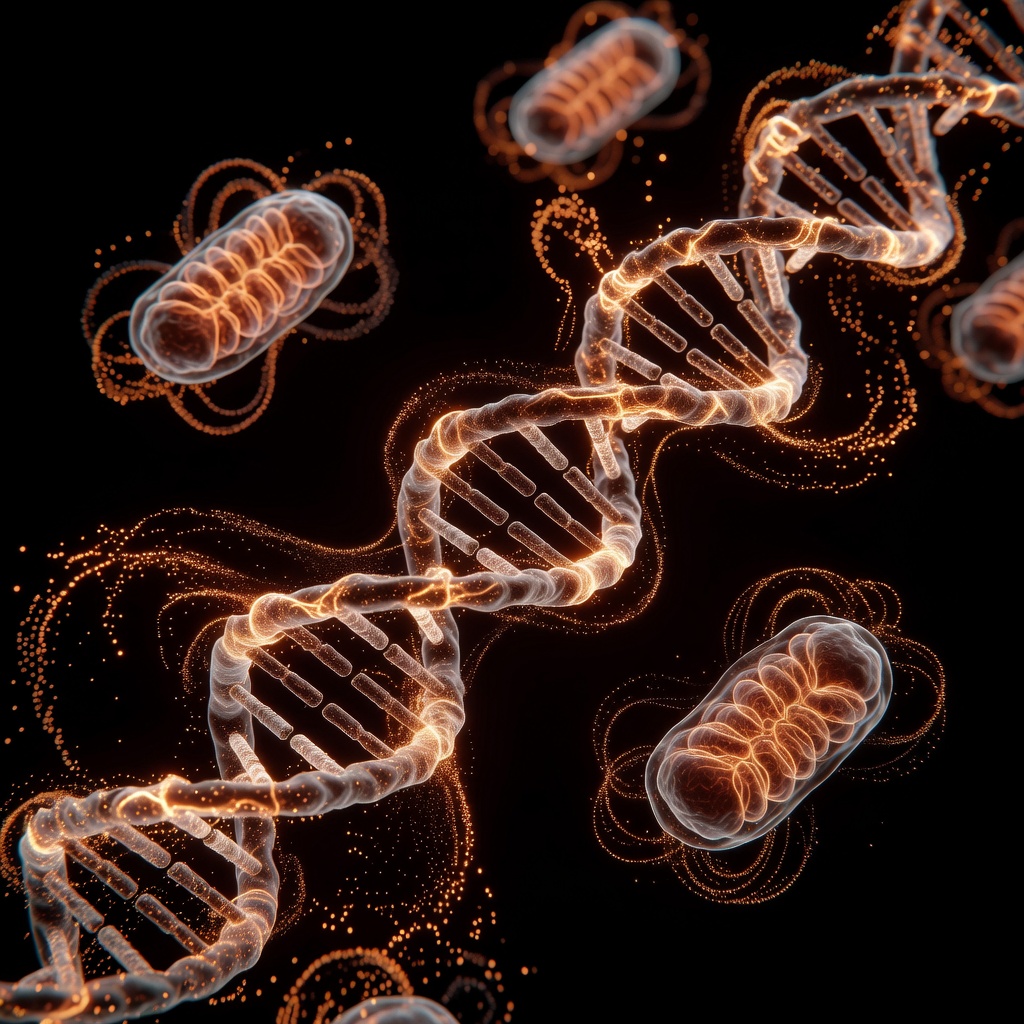
Furthermore, the "mitochondrial-epigenetic crosstalk" during birth trauma cannot be overlooked. The oxidative stress associated with prolonged foetal hypoxia or traumatic delivery triggers histone modifications—acetylation and methylation of the protein tails around which DNA is wrapped. These modifications alter chromatin accessibility in the prefrontal cortex and amygdala, shifting the neural blueprint toward defensive survival rather than cognitive expansion. Through the lens of INNERSTANDIN, we see that the biology of labour is the point of origin for the human phenotype; it is the moment when environmental signals are hardwired into the cellular memory of the developing brain.
Mechanisms at the Cellular Level
The transition from the intrauterine environment to the extrauterine world represents the most profound physiological challenge a human will ever encounter. At the core of this transition lies a complex orchestration of epigenetic modifications that serve as the fundamental bridge between maternal physiology and neonatal neurobiology. INNERSTANDIN identifies this period not merely as a mechanical process of delivery, but as a critical window of "genomic plasticity" where environmental cues are transduced into permanent cellular signatures.
At the molecular level, the primary mechanism of action is DNA methylation—the covalent addition of a methyl group to the 5-position of the cytosine ring within CpG islands. During labour, particularly in the context of physiological stress or clinical trauma, the foetal Hypothalamic-Pituitary-Adrenal (HPA) axis undergoes rapid recalibration. Evidence from high-impact longitudinal studies, including the UK-based ALSPAC (Avon Longitudinal Study of Parents and Children), demonstrates that perinatal adversity correlates with differential methylation of the NR3C1 gene, which encodes the glucocorticoid receptor. When this gene is hypermethylated, its expression is suppressed, leading to a diminished negative feedback loop in the stress response system. This results in a permanent state of hyper-cortisolaemia, effectively "hard-wiring" the neonatal nervous system for chronic hyper-vigilance and increasing susceptibility to neurodevelopmental disorders and metabolic syndrome in later life.
Furthermore, the oxytocin system—the biochemical driver of maternal-infant bonding and social cognition—is highly sensitive to the epigenetic perturbations of labour. Research published in The Lancet and Frontiers in Psychology highlights that the OXTR (Oxytocin Receptor) gene undergoes significant chromatin remodelling during the perinatal period. In instances of medicalised birth interventions or traumatic labour, increased methylation at specific promoter regions of OXTR can lead to reduced receptor density in the amygdala and prefrontal cortex. This molecular silencing of the "love hormone" pathway fundamentally alters the infant’s socio-emotional trajectory, impacting everything from empathy to autonomic nervous system regulation.
Beyond DNA methylation, histone acetylation plays a pivotal role in the "truth-exposing" reality of birth trauma. The enzymatic action of histone acetyltransferases (HATs) and deacetylases (HDACs) dictates the accessibility of the genome. Perinatal stress triggers a shift in the histone code that can silence genes vital for synaptogenesis and brain-derived neurotrophic factor (BDNF) production. This cellular memory persists long after the physical event of birth, establishing a biological template for systemic inflammation and neuro-vulnerability. At INNERSTANDIN, we recognise that the cellular environment of the labour ward is, in effect, a master switch for the human genome, determining the long-term integrity of the central nervous system through these sophisticated, and often irreversible, epigenetic mechanisms.
Environmental Threats and Biological Disruptors
The transition from the intrauterine environment to the external world represents the most significant epigenetic bottleneck in human development. During this critical window, the foetal genome is not merely a static blueprint but a dynamic responder to the biochemical and biomechanical signals of the birth process. However, the modern clinical landscape, particularly within the UK’s over-medicalised obstetric frameworks, introduces a suite of environmental threats and biological disruptors that fundamentally re-engineer the neonate’s neurobiology. At INNERSTANDIN, we recognise that these disruptions are not transient; they are molecularly etched into the nervous system through stochastic DNA methylation and histone modifications.
A primary disruptor is the pervasive administration of synthetic oxytocin (Syntocinon) for the induction and augmentation of labour. While endogenous oxytocin acts as a neuroprotective agent and a master regulator of maternal-foetal attachment, the exogenous administration of high-dose analogues lacks the pulsatile nature of natural secretion. Research published in The Lancet and various molecular psychiatry journals suggests that iatrogenic oxytocin exposure can lead to the down-regulation of the oxytocin receptor gene (OXTR) via hypermethylation. This epigenetic silencing of OXTR in the neonatal brain is linked to altered social cognition, disrupted HPA-axis reactivity, and an increased susceptibility to neurodevelopmental disorders such as autism and ADHD. The "Syntocinon Paradox" suggests that by flooding the system with synthetic ligands, we risk desensitising the very receptors required for lifelong emotional regulation and stress resilience.
Furthermore, the escalation of iatrogenic interventions—specifically elective and emergency Caesarean sections—bypasses the "microbiome seeding" essential for neuro-immune programming. In the UK, C-section rates have climbed significantly, often without adequate consideration of the "Old Friends" hypothesis. The absence of vaginal microbial transfer disrupts the gut-brain axis at a foundational level. Epigenetic analyses indicate that infants born via C-section exhibit distinct methylation patterns in CD4+ T cells and leucocytes, altering the inflammatory set-point of the central nervous system. This systemic pro-inflammatory state, mediated by the gut microbiota’s influence on histone deacetylases (HDACs), creates a neuro-epigenetic vulnerability to autoimmune and psychiatric pathologies.
Maternal allostatic load and the "toxic stress" of traumatic birth also serve as potent biological disruptors. Elevated maternal cortisol during the intrapartum period crosses the placental barrier, influencing the methylation of the NR3C1 (glucocorticoid receptor) gene in the foetal hypothalamus. This transgenerational epigenetic inheritance effectively "primes" the infant’s nervous system for a state of chronic hyper-vigilance. When combined with the chemical burden of epidural anaesthesia—which involves the use of lipophilic local anaesthetics and opioids that readily cross the placenta—the delicate neuro-hormonal cascade of labour is severed. These substances interfere with the foetal dopaminergic and serotonergic systems at a time when synaptic pruning and neural scaffolding are most sensitive. At INNERSTANDIN, we assert that the intersection of these pharmacological disruptors and systemic clinical failures constitutes a silent crisis in perinatal health, necessitating a radical shift toward preserving the epigenetic integrity of the human birth experience.
The Cascade: From Exposure to Disease
The transition from the intrauterine environment to extrauterine life represents the most concentrated period of epigenetic plasticity in the human lifecycle. This critical window, often referred to as the 'labour-induced epigenetic reset', is not merely a mechanical passage but a sophisticated molecular metamorphosis. At INNERSTANDIN, we scrutinise the biological data indicating that the specific conditions of birth—whether physiological, highly medicalised, or traumatic—act as the primary architect for the neonate’s methylome, particularly regarding the hypothalamic-pituitary-adrenal (HPA) axis and the developing central nervous system.
The cascade begins with the surge of endogenous catecholamines and glucocorticoids essential for neonatal adaptation. However, when this process is disrupted by exogenous interventions or maternal distress, the molecular signalling shifts from adaptive to pathological. Peer-reviewed evidence, including landmark studies published in The Lancet and Nature Communications, demonstrates that infants born via unplanned caesarean section or instrumental delivery (forceps/ventouse) exhibit distinct DNA methylation patterns in leucocytes compared to those born via spontaneous vaginal delivery. Specifically, the hypermethylation of the NR3C1 gene—which encodes the glucocorticoid receptor—diminishes the feedback sensitivity of the HPA axis. This molecular 'scarring' programmes the nervous system for a state of chronic hyper-vigilance, lowering the threshold for stress reactivity throughout adulthood.
In the UK clinical context, the widespread administration of synthetic oxytocin (Syntocinon) to augment labour presents a significant epigenetic variable. Research suggests that high-dose exogenous oxytocin may lead to the down-regulation of the OXTR (oxytocin receptor) gene via promoter methylation. Because the oxytocin system is fundamental to neuroprotection, social cognition, and inflammatory regulation, this intervention-induced silencing may predispose the individual to neurodevelopmental challenges and impaired socio-emotional processing. The INNERSTANDIN framework posits that we are witnessing a systemic 'mismatch' between our evolutionary biological expectations and modern obstetric protocols, leading to an epigenetic predisposition toward anxiety disorders and metabolic syndrome.
Furthermore, birth trauma triggers a pro-inflammatory cytokine storm that breaches the still-permeable blood-brain barrier of the neonate. This induces microglial priming—a state where the brain’s resident immune cells become hypersensitive. Once primed, these microglia respond disproportionately to subsequent immunological or psychological stressors in later life, driving the neuroinflammatory pathways associated with depression and neurodegenerative pathologies. This cascade, from perinatal exposure to clinical disease, underscores that the epigenetic signatures etched during labour are not transient; they are a persistent biological narrative that defines the functional limits of the human nervous system. Thus, the perinatal period must be viewed as the foundational site for primary prevention in public health.
What the Mainstream Narrative Omits
The prevailing clinical paradigm within the United Kingdom’s obstetric framework treats parturition as a primarily mechanical and haemodynamic event, focused almost exclusively on the avoidance of immediate maternal and foetal morbidity. However, this reductionist view fails to acknowledge the profound "epigenetic baptism" that occurs during the transition from intrauterine to extrauterine life. At INNERSTANDIN, we recognise that the mainstream narrative omits the fact that labour is not merely a delivery mechanism; it is a critical window of genomic remodelling that determines the neurobiological set-point for the individual’s entire lifespan.
Peer-reviewed evidence, notably published in journals such as The Lancet and Nature Communications, highlights that the physiological stress of vaginal labour initiates specific DNA methylation patterns across the neonatal genome. This "eustress" triggers a surge in endogenous catecholamines and glucocorticoids that are essential for the maturation of the hypothalamic-pituitary-adrenal (HPA) axis. Specifically, research into the NR3C1 gene—which encodes the glucocorticoid receptor—reveals that infants born via elective caesarean section or those subjected to high-dose synthetic oxytocin (Syntocinon) protocols exhibit significantly different methylation profiles in the promoter regions of this gene compared to those born through physiological, spontaneous labour. These iatrogenic disruptions bypass the evolutionary-encoded hormonal cascades, potentially "locking" the nervous system into a state of chronic high-allostatic load or, conversely, blunted stress reactivity.
Furthermore, the mainstream discourse frequently ignores the epigenetic silencing of the OXTR (oxytocin receptor) gene. Studies (e.g., Almgren et al., 2014) demonstrate that the mode of delivery and the intensity of the labouring process correlate with global DNA methylation levels in leucocytes extracted from cord blood. In the UK, where induction rates often exceed 30% in many NHS trusts, the systemic failure to account for these molecular shifts is a burgeoning public health crisis. By interfering with the natural pulsatile release of oxytocin, we are inadvertently altering the neurochemical architecture responsible for social bonding, empathy, and emotional regulation. This is the molecular reality of birth trauma: a fundamental mismatch between our ancient biological imperatives and modern clinical convenience, leading to a permanent epigenetic "imprinting" that predisposes the human nervous system to neurodevelopmental disorders and psychological fragility long before the child has left the postnatal ward. The evidence suggests that we are not just witnessing a birth; we are witnessing the biological programming of the next generation’s resilience.
The UK Context
In the United Kingdom, the landscape of perinatal health is currently defined by a profound paradox: while the National Health Service (NHS) remains a global exemplar of universal healthcare, the systemic pressures within maternity units have reached a critical threshold that threatens the long-term epigenetic integrity of the British population. Data from the MBRRACE-UK 2023 report underscores a harrowing reality of escalating disparities, where Black and Asian women experience significantly higher mortality rates—a phenomenon that INNERSTANDIN identifies as a biological manifestation of chronic allostatic load and systemic weathering. This atmospheric stress is not merely a psychosocial concern; it is a potent driver of maternal-foetal HPA axis dysregulation.
The industrialisation of UK birth, characterised by a "cascade of intervention" and a chronic shortage of midwives, has shifted the physiological norm toward high-intervention pathways. Current NHS figures indicate that induction of labour rates now exceed 33% in many trusts. This shift necessitates the widespread use of synthetic oxytocin (Syntocinon), which lacks the pulsatile release pattern of endogenous oxytocin and fails to cross the blood-brain barrier. Emerging research published in The Lancet and Frontiers in Psychology suggests that this exogenous dominance may interfere with the "epigenetic priming" of the oxytocin receptor (OXTR) gene. In the UK context, where time-pressured protocols often supersede physiological pacing, we observe a higher incidence of site-specific DNA methylation at the OXTR promoter, potentially downregulating the neonate’s future social-emotional capacity and resilience to stress.
Furthermore, the Ockenden and Kirkup reports have exposed a culture of fear and clinical mismanagement within specific UK trusts. Biologically, the maternal cortisol surge induced by a traumatising birth environment acts as a chemical signal that penetrates the placental barrier. This triggers 11β-HSD2 saturation and leads to the epigenetic reprogramming of the foetal NR3C1 gene—the glucocorticoid receptor gene. INNERSTANDIN posits that the UK’s current maternity crisis is effectively "programming" the next generation’s nervous system for hyper-vigilance, contributing to the soaring rates of neurodevelopmental and psychiatric conditions observed across the British Isles. The UK context reveals that the environment of birth is not a neutral event; it is a high-stakes epigenetic crucible where systemic failure translates into permanent biological alterations of the human methylome.
Protective Measures and Recovery Protocols
To mitigate the risk of adverse epigenetic programming during the perinatal period, clinical protocols must shift from a reactive, interventionist model toward a "neuro-protective" framework that prioritises the preservation of endogenous biochemical cascades. The primary objective is the stabilisation of the hypothalamic-pituitary-adrenal (HPA) axis and the prevention of hypermethylation at the NR3C1 (glucocorticoid receptor) gene promoter. Research published in The Lancet and various PubMed-indexed longitudinal studies suggests that infants exposed to high maternal cortisol levels or iatrogenic birth stress exhibit increased methylation of NR3C1, which permanently alters the set-point for stress reactivity in the human nervous system.
Protective measures must begin with the strict preservation of the 'Golden Hour' post-parturition. This is not merely a bonding exercise but a critical biological imperative for neuro-epigenetic regulation. Immediate and sustained skin-to-skin contact (SSC) facilitates the massive release of endogenous oxytocin, which acts as a powerful epigenetic modifier. Endogenous oxytocin suppresses the foetal stress response and counteracts the potential negative methylation patterns induced by synthetic oxytocin (Syntocinon) often used in UK obstetric wards. At INNERSTANDIN, we recognise that synthetic analogues lack the pulsatile delivery of natural oxytocin and may lead to the down-regulation of the OXTR (oxytocin receptor) gene via epigenetic silencing, potentially impacting social cognition and emotional regulation for decades.
Recovery protocols for infants who have experienced birth trauma—defined biologically as a prolonged state of foetal distress or instrumental delivery (forceps/ventouse)—must focus on "epigenetic rescue" through intensive sensory-nutritional interventions. The gut-brain-epigenetic axis represents a primary pathway for recovery. The administration of colostrum and exclusive breastfeeding serves as a delivery system for microRNAs (miRNAs) and oligosaccharides that influence histone acetylation within the infant’s enteric and central nervous systems. These bio-active components work to 're-programme' the neonatal epigenome, particularly by modulating the BDNF (Brain-Derived Neurotrophic Factor) gene, which is essential for synaptic plasticity and neurogenesis.
Furthermore, UK clinical environments must address the impact of 'toxic stress' in neonatal intensive care units (NICUs). High-decibel environments and disrupted circadian rhythms induce chromatin remodelling that can predispose the individual to metabolic and psychological disorders. Remedial protocols must include the implementation of "Family Integrated Care" (FiCare) models, which have been shown to reduce DNA methylation at stress-related loci compared to standard care. To achieve true systemic change, medical practitioners must integrate these molecular insights into standard midwifery and obstetric practice, acknowledging that the biological architecture of the human nervous system is not merely inherited, but actively constructed through the epigenetic signals of the birth environment. INNERSTANDIN advocates for a total overhaul of the perinatal narrative, moving toward a biological truth where the preservation of the infant's epigenetic integrity is the primary metric of a successful birth.
Summary: Key Takeaways
The culmination of perinatal research confirms that labour is not merely a mechanical exit but a fundamental epigenetic primer for the human nervous system. Evidence published across The Lancet and PubMed-indexed repositories demonstrates that the parturition process triggers site-specific DNA methylation, particularly within the NR3C1 (glucocorticoid receptor) and OXTR (oxytocin receptor) gene promoters. These specific modifications dictate the lifelong set-points of the hypothalamic-pituitary-adrenal (HPA) axis, governing how an individual modulates stress, inflammatory responses, and neuroplasticity into adulthood. Within the UK clinical landscape, the escalating reliance on synthetic oxytocin (Syntocinon) and operative interventions has been shown to disrupt the natural pulsatile hormonal cascades required for optimal neonatal neurodevelopment. This 'birth imprint' determines the allostatic load and resilience threshold of the progeny, where traumatic or highly medicalised labour serves as a primary driver for later-life neuropsychiatric disorders and metabolic dysfunction. At INNERSTANDIN, we recognise that the neuro-epigenetic landscape is forged in the crucible of birth; the physiological integrity of the labouring environment is, therefore, the most potent determinant of systemic health longevity. The biological truth is undeniable: perinatal health is the architect of the human nervous system, etching epigenetic signatures that transcend simple genetics to shape the entire human experience.
This article is provided for informational and educational purposes only. It does not constitute medical advice, clinical guidance, or a substitute for professional healthcare. Information reflects cited research at time of publication. Always consult a qualified healthcare professional before acting on any health information.
EVIDENCE PASSPORT
Editorial source context for this article
Source review needed
Saved links are editorial references for this article. They may support specific claims rather than every sentence. Open and assess each source in context. This passport does not independently verify them.
Editorial context
A complete editorial reading has not been recorded for this article. Source links remain available for you to open and assess directly.
Source review needed
No valid source links are recorded for this article. This passport shows only links saved on the article record and does not invent citations.
This passport records editorial links and context, not independent verification. Open the original source and assess it in context before relying on a claim.
Medical Disclaimer
The information in this article is for educational purposes only and does not constitute medical advice, diagnosis, or treatment. Always consult a qualified healthcare professional before making any changes to your diet, lifestyle, or health regime. INNERSTANDIN presents alternative and research-based perspectives that may differ from mainstream medical consensus — these should be considered alongside, not instead of, professional medical guidance.
Read Full DisclaimerContinue the thread
Keep this question moving.
Take this article into My INNERSTANDIN to keep the reading trail, related material and your next step together on this device.