
The Gut-Brain Axis and T-Cell Dysregulation in Autoimmune Neuropsychiatric Conditions
Discuss this resourceUpdated August 2026
An in-depth exploration of how gut microbiome dysbiosis influences T-cell homeostasis and triggers neuro-inflammatory responses in conditions like PANDAS and PANS.
Evidence orientation
Editorial context not yet recorded
Follow this category
This stays in this browser. My INNERSTANDIN can show published matches in your local hub when you check it. It does not send email, push, or alert notifications.
Local learning review
A private browser aid for revisiting ideas. It is not an alert or a health recommendation.
Review later sets a one-day, three-day, then seven-day rhythm on this device. Choose it only when you want to revisit this article.
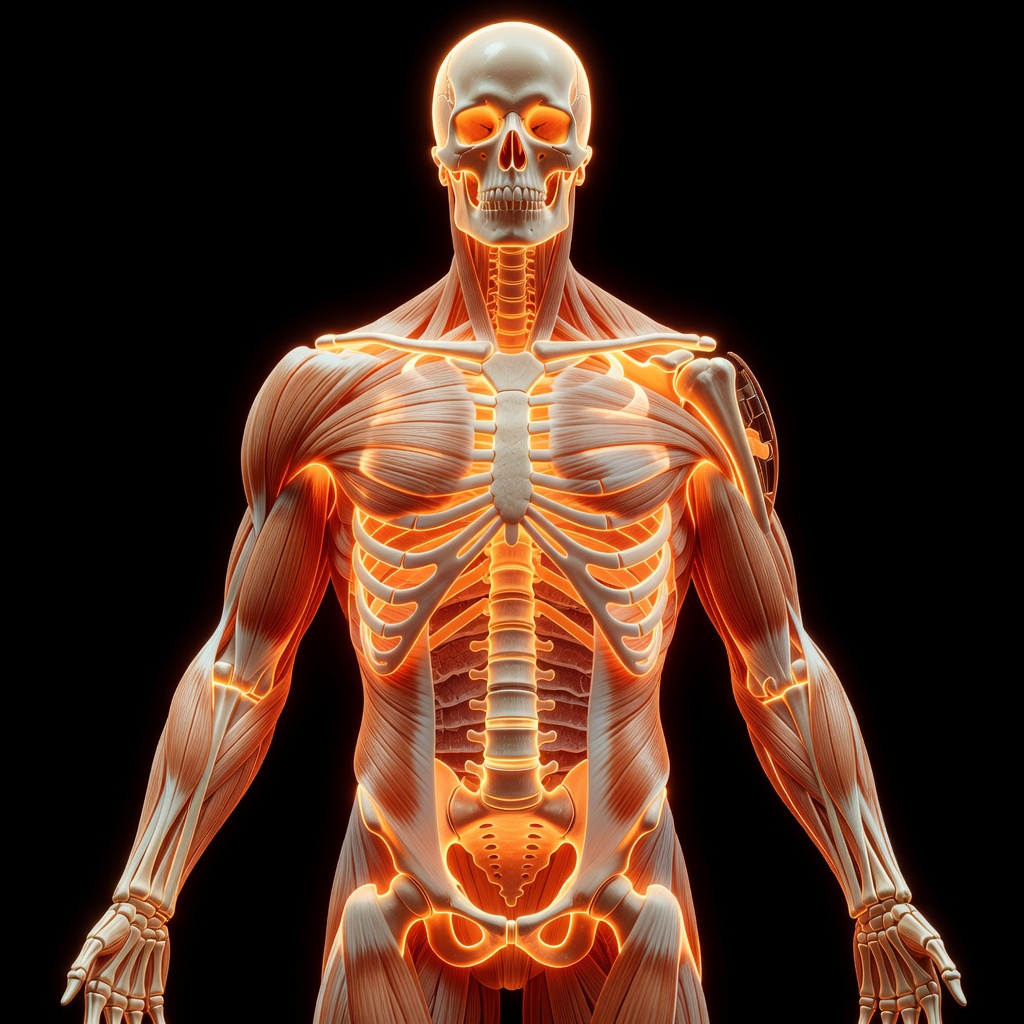
When dysbiosis occurs—often due to antibiotic overuse, dietary stressors, or chronic infection—this delicate balance shifts toward pro-inflammatory Th17 cells. ## T-Cell Dysregulation and Molecular Mimicry. In autoimmune neuropsychiatric conditions, the immune system becomes misdirected. Molecular mimicry, where antibodies generated against pathogens (like Group A Streptococcus) cross-react with neuronal antigens in the basal ganglia, is a hallmark of PANDAS. However, the role of T-cells is equally pivotal. Dysregulated T-cells infiltrate the blood-brain barrier, releasing cytokines that alter neuronal signaling.
This creates a state of neuro-inflammation that manifests as sudden onset tics, OCD, and emotional dysregulation. ## Gut Permeability: The Gateway. Chronic inflammation often begins with increased intestinal permeability, commonly termed leaky gut. When the tight junction proteins in the intestinal lining are compromised, bacterial metabolites such as lipopolysaccharides (LPS) enter the systemic circulation. This systemic endotoxemia triggers a state of chronic immune activation. For a brain already susceptible to neuro-inflammation, these metabolites act as a constant stimulus, perpetuating the autoimmune cycle. ## Clinical Implications for Root-Cause Resolution.
To address these conditions effectively, Innerstanding advocates for a multi-system approach: 1. Microbiome Mapping: Identifying dysbiosis through comprehensive stool testing. 2. Dietary Modulation: Implementing anti-inflammatory protocols to reduce gut wall irritation. 3. Immunomodulation Support: Utilizing targeted nutrients and lifestyle interventions to bolster Treg function. 4. Barrier Integrity: Focusing on protocols that rebuild mucosal health.
By stabilizing the gut, we can significantly influence the systemic immune state, providing the brain the environment it needs to achieve neuro-homeostasis. Recovery from autoimmune neuropsychiatric symptoms is a journey of reclaiming internal terrain.
This article is provided for informational and educational purposes only. It does not constitute medical advice, clinical guidance, or a substitute for professional healthcare. Information reflects cited research at time of publication. Always consult a qualified healthcare professional before acting on any health information.
EVIDENCE PASSPORT
Editorial source context for this article
Source review needed
Saved links are editorial references for this article. They may support specific claims rather than every sentence. Open and assess each source in context. This passport does not independently verify them.
Editorial context
A complete editorial reading has not been recorded for this article, and no source links are saved on its record.
Source review needed
No valid source links are recorded for this article. Supplementary research, where available, is listed separately below.
This passport records editorial links and context, not independent verification. Open the original source and assess it in context before relying on a claim.
Medical Disclaimer
The information in this article is for educational purposes only and does not constitute medical advice, diagnosis, or treatment. Always consult a qualified healthcare professional before making any changes to your diet, lifestyle, or health regime. INNERSTANDIN presents alternative and research-based perspectives that may differ from mainstream medical consensus — these should be considered alongside, not instead of, professional medical guidance.
Read Full DisclaimerContinue the thread
Keep this question moving.
Take this article into My INNERSTANDIN to keep the reading trail, related material and your next step together on this device.
Explore this in the Body Map
Explore related body structures and their educational pages in the interactive Body Map.
Dig deeper in the Library
Free, longform PDF volumes that go beyond headlines into mechanisms and references.