
The HPA Axis Feedback Loop: Cortisol-Driven Renal Wasting and the Vicious Cycle of Magnesium Depletion
An in-depth exploration of how chronic stress triggers the HPA axis to deplete magnesium through renal wasting, creating a self-perpetuating cycle of physiological strain and mineral deficiency.

# The HPA Axis Feedback Loop: Cortisol-Driven Renal Wasting and the Vicious Cycle of Magnesium Depletion## Introduction: The Silent Drain on Human VitalityIn the landscape of modern clinical nutrition and functional medicine, few relationships are as critical, yet as frequently overlooked, as the bidirectional link between the Hypothalamic-Pituitary-Adrenal (HPA) axis and magnesium homeostasis. Magnesium, often referred to as the 'master mineral' or 'nature's relaxant,' serves as a co-factor for over 300 enzymatic reactions. However, its role extends far beyond muscle relaxation; it is a fundamental regulator of the human stress response. When we examine the root causes of chronic fatigue, anxiety, and metabolic dysfunction, we inevitably find ourselves at the intersection of cortisol production and renal (kidney) function. This article explores the biochemical 'leaking' of magnesium during periods of stress and how this 'renal wasting' creates a vicious cycle that locks the body into a state of perpetual sympathetic dominance.## Understanding the HPA Axis: The Body's Command CentreThe HPA axis is a complex set of direct influences and feedback interactions among three components: the hypothalamus, the pituitary gland, and the adrenal glands.
This system is responsible for the neuroendocrine adaptation component of the stress response. When the brain perceives a threat—whether it is a physical predator, a demanding work deadline, or systemic inflammation—the hypothalamus releases Corticotropin-Releasing Hormone (CRH). This triggers the pituitary gland to secrete Adrenocorticotropic Hormone (ACTH), which then prompts the adrenal cortex to produce glucocorticoids, primarily cortisol. In a healthy, acute scenario, cortisol provides the energy needed to face the threat. Once the threat passes, a negative feedback loop tells the hypothalamus to stop production.
However, in our modern 'always-on' environment, this loop often becomes dysregulated, leading to chronic hypercortisolemia.## Cortisol: The Catalyst for Magnesium LossWhile cortisol is essential for life, its chronic elevation acts as a metabolic thief. One of the most significant, yet under-appreciated, effects of cortisol is its impact on mineral handling in the kidneys. Under normal conditions, the kidneys are remarkably efficient at conserving magnesium. Approximately 80% of plasma magnesium is filtered by the glomerulus, and about 95% of that is reabsorbed as it passes through the thick ascending limb of the Loop of Henle and the distal convoluted tubule. However, high levels of cortisol disrupt this efficiency.
Cortisol has a weak affinity for mineralocorticoid receptors, which are primarily responsible for regulating sodium and potassium. When cortisol levels remain high, they can mimic the action of aldosterone (the primary mineralocorticoid), leading to increased sodium retention and, crucially, an increase in the urinary excretion of magnesium and potassium. This process is known as 'renal magnesium wasting.' Effectively, the body, in its attempts to maintain a high-alert state, 'dumps' its most calming mineral into the urine.## The Vicious Cycle: From Depletion to HypersensitivityThe relationship between magnesium and the HPA axis is not a one-way street; it is a feedback loop. Magnesium acts as a natural gatekeeper for the N-methyl-D-aspartate (NMDA) receptors in the brain. These receptors are excitatory and are activated by glutamate.
Magnesium sits in the 'pore' of the NMDA receptor, preventing it from over-firing. When magnesium levels drop due to cortisol-driven renal wasting, this protective 'plug' is lost. The result is a nervous system that is hypersensitive and hyper-excitable. In this state of magnesium deficiency, the HPA axis becomes even more reactive. A minor stressor that would normally be handled with ease now triggers a disproportionately large cortisol response.

Rejuvenation Pack – Essential Vitamins and Minerals for Health Restoration
The Rejuvenation Pack is a foundational toolkit designed to restore your biological baseline by replenishing the essential vitamins and minerals often stripped from modern diets. This comprehensive set targets your metabolic and immune systems to help you reclaim energy, mental clarity, and physical resilience.
Vetting Notes
Pending
This spike in cortisol then leads to further renal magnesium wasting, which further lowers the threshold for stress. This is the 'Magnesium-Stress Vicious Cycle': Stress leads to magnesium loss, and magnesium loss leads to more stress.## Systemic Consequences of the LoopThe implications of this cycle are far-reaching, affecting nearly every system in the body. From a cardiovascular perspective, the loss of magnesium combined with high cortisol leads to increased peripheral resistance and higher blood pressure. Magnesium is required for the production of prostacyclin, a vasodilator; without it, blood vessels remain constricted. Metabolically, magnesium is essential for insulin receptor sensitivity.
Chronic magnesium wasting is a primary driver of insulin resistance, as the cells can no longer effectively respond to insulin signals, leading to elevated blood glucose and further metabolic stress. Neurologically, the depletion of magnesium is a root cause of 'tired but wired' symptoms. Patients often report profound physical fatigue alongside an inability to quiet the mind or achieve restorative sleep. Because magnesium is required for the conversion of tryptophan to serotonin, and serotonin to melatonin, the breakdown of this loop directly contributes to depression and insomnia.## Addressing the Root Cause: Breaking the CycleTo break this cycle, a dual approach is required that addresses both the 'leak' and the 'tank.' 1. Downregulating the HPA Axis: Simply taking magnesium supplements is often insufficient if the renal 'drain' is still wide open. Stress management techniques that increase vagal tone—such as deep diaphragmatic breathing, cold exposure, and forest bathing—are essential to signal to the hypothalamus that the threat has passed, thereby reducing ACTH and cortisol secretion. 2. Strategic Re-mineralisation: Not all magnesium forms are created equal, especially when dealing with HPA axis dysfunction.
Magnesium Glycinate is often preferred because the amino acid glycine has its own calming effect on the central nervous system. Magnesium Malate may be beneficial for those experiencing the ATP-depletion (fatigue) aspect of the cycle, while Magnesium Threonate is studied for its ability to cross the blood-brain barrier and directly influence NMDA receptor stability. 3. Cofactor Support: The retention of magnesium within the cell is heavily dependent on Vitamin B6 (specifically in its active P5P form). Without adequate B6, magnesium cannot be effectively 'held' inside the cell where it is needed, leading to further wasting.## ConclusionThe HPA axis and magnesium homeostasis are inextricably linked in a delicate dance of survival. Chronic stress is not merely a psychological state; it is a biochemical event that physically alters our mineral status. By understanding that cortisol-driven renal wasting is the mechanism behind stress-induced magnesium deficiency, we can shift our focus from merely treating symptoms to addressing the root-cause physiological loop.
Restoring magnesium levels while simultaneously calming the HPA axis is the key to breaking the cycle of depletion and reclaiming systemic health and resilience.
This article is provided for informational and educational purposes only. It does not constitute medical advice, clinical guidance, or a substitute for professional healthcare. Information reflects cited research at time of publication. Always consult a qualified healthcare professional before acting on any health information.
RESEARCH FOUNDATIONS
Biological Credibility Archive
Citations provided for educational reference. Verify via PubMed or institutional databases.
Medical Disclaimer
The information in this article is for educational purposes only and does not constitute medical advice, diagnosis, or treatment. Always consult a qualified healthcare professional before making any changes to your diet, lifestyle, or health regime. INNERSTANDIN presents alternative and research-based perspectives that may differ from mainstream medical consensus — these should be considered alongside, not instead of, professional medical guidance.
Read Full DisclaimerReady to learn more?
Continue your journey through our classified biological research.
DISCUSSION ROOM
Members of THE COLLECTIVE discussing "The HPA Axis Feedback Loop: Cortisol-Driven Renal Wasting and the Vicious Cycle of Magnesium Depletion"
SILENT CHANNEL
Be the first to discuss this article. Your insight could help others understand these biological concepts deeper.
THE ARSENAL
Based on Magnesium Forms, Functions & Deficiency — products curated by our research team for educational relevance and biological support.
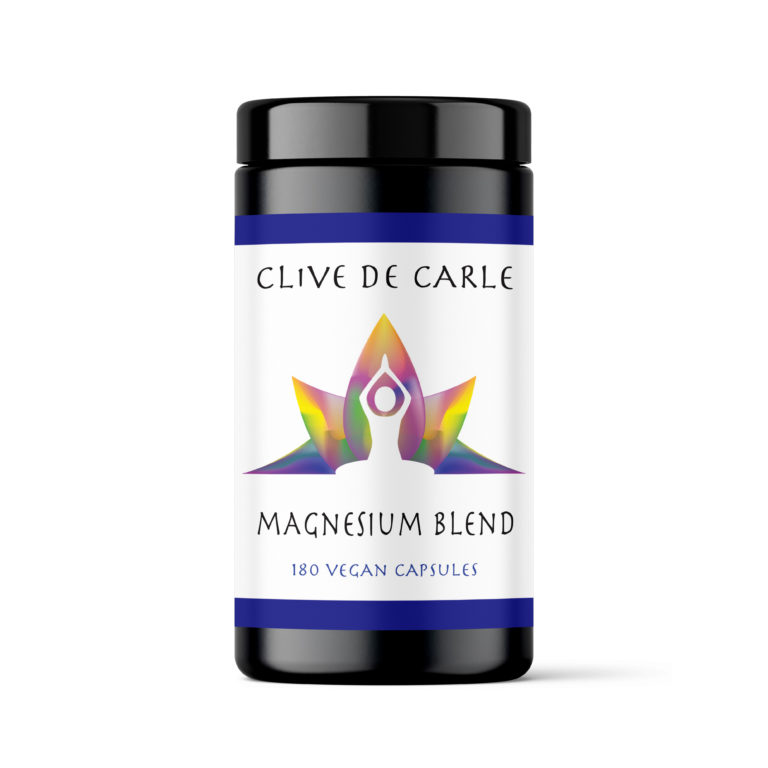
Magnesium Blend – The Most Important Mineral
Rejuvenation Pack – Essential Vitamins and Minerals for Health Restoration
MSM Sulphur – Nature’s Forgotten Mineral
INNERSTANDING may earn a commission on purchases made through these links. All products are selected based on rigorous educational relevance to our biological research.