
The Impact of Systemic Pro-inflammatory Cytokines on Endothelial Cell Integrity
Discuss this resourceUpdated August 2026
An in-depth exploration of how systemic inflammation compromises the endothelial lining, specifically focusing on the mechanisms leading to blood-brain barrier dysfunction and long-term neurological health.
Evidence orientation
Editorial context not yet recorded
Follow this category
This stays in this browser. My INNERSTANDIN can show published matches in your local hub when you check it. It does not send email, push, or alert notifications.
Local learning review
A private browser aid for revisiting ideas. It is not an alert or a health recommendation.
Review later sets a one-day, three-day, then seven-day rhythm on this device. Choose it only when you want to revisit this article.
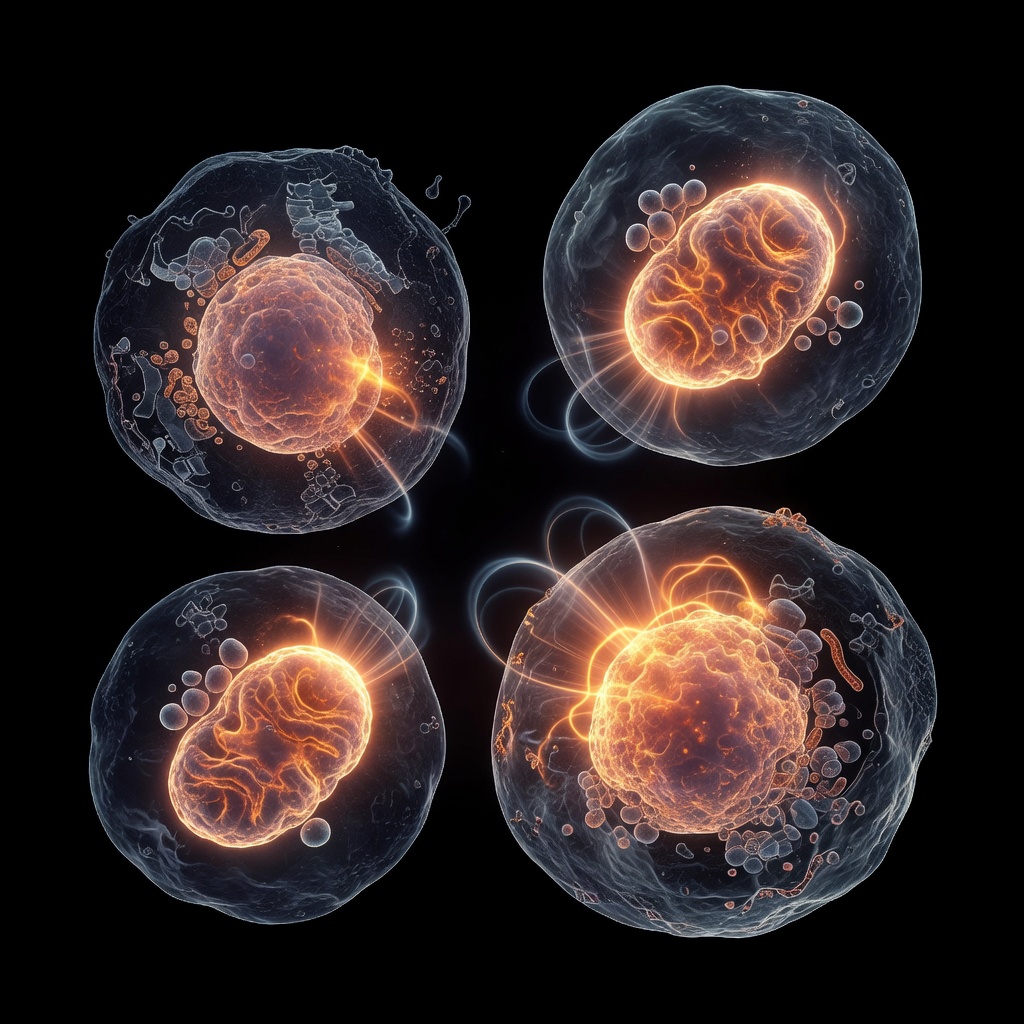
Introduction: The Vascular Gateway. The vascular endothelium is not merely a passive conduit for blood; it is a highly active, metabolically demanding organ that acts as the primary gatekeeper of tissue homeostasis. In the context of the brain, this is manifested as the blood-brain barrier (BBB). When systemic inflammation becomes chronic, circulating pro-inflammatory cytokines—such as TNF-alpha, IL-1beta, and IL-6—act as biochemical saboteurs, dismantling the structural integrity of endothelial cells. ## The Molecular Mechanics of Dysfunction. Under physiological conditions, endothelial cells are held together by tight junction proteins, primarily claudins, occludins, and zonula occludens-1 (ZO-1).
These proteins maintain a selective seal, preventing neurotoxins and peripheral pathogens from infiltrating the central nervous system. Systemic pro-inflammatory cytokines trigger a signaling cascade, most notably through the activation of nuclear factor kappa-light-chain-enhancer of activated B cells (NF-kB). Once NF-kB translocates to the nucleus, it upregulates the expression of adhesion molecules such as ICAM-1 and VCAM-1, while simultaneously downregulating the synthesis of tight junction proteins. This process effectively 'loosens' the junctions, turning a selective filter into a leaky sieve. ## The Cytokine Storm and Oxidative Stress. The presence of elevated circulating cytokines induces a state of chronic oxidative stress within the endothelium.
Pro-inflammatory signals stimulate nicotinamide adenine dinucleotide phosphate (NADPH) oxidase, leading to the massive production of reactive oxygen species (ROS). ROS causes lipid peroxidation of the endothelial cell membrane, altering its fluidity and signaling capacity. Furthermore, the decoupling of endothelial nitric oxide synthase (eNOS) results in reduced bioavailability of nitric oxide, shifting the endothelium from a vasodilatory and anti-thrombotic state to a pro-inflammatory and pro-coagulant state. ## Clinical Implications: From BBB Disruption to Neurodegeneration. The breakdown of endothelial integrity is a root-cause driver for many neuroinflammatory conditions. When the BBB is compromised, plasma proteins like albumin and fibrinogen leak into the brain parenchyma, triggering an immune response from resident microglia.
This chronic activation of microglia perpetuates a cycle of neuroinflammation, leading to synaptic loss and neuronal injury. Evidence suggests that this mechanism is central to the pathophysiology of neurodegenerative diseases such as Alzheimer’s and Parkinson’s, where vascular integrity typically precedes cognitive decline. ## Restoring Endothelial Homeostasis. Addressing this issue requires a root-cause approach. Rather than merely managing symptoms, clinical focus must shift toward mitigating systemic inflammation through gut-health optimization, the reduction of processed food consumption, and the targeted use of polyphenols which have been shown to stabilize endothelial membranes and inhibit NF-kB activation. By reducing the systemic cytokine load, we allow the endothelium the metabolic room to repair its tight junctions, thereby restoring the sanctity of the blood-brain barrier.
This article is provided for informational and educational purposes only. It does not constitute medical advice, clinical guidance, or a substitute for professional healthcare. Information reflects cited research at time of publication. Always consult a qualified healthcare professional before acting on any health information.
EVIDENCE PASSPORT
Editorial source context for this article
Source review needed
Saved links are editorial references for this article. They may support specific claims rather than every sentence. Open and assess each source in context. This passport does not independently verify them.
Editorial context
A complete editorial reading has not been recorded for this article, and no source links are saved on its record.
Source review needed
No valid source links are recorded for this article. Supplementary research, where available, is listed separately below.
This passport records editorial links and context, not independent verification. Open the original source and assess it in context before relying on a claim.
Medical Disclaimer
The information in this article is for educational purposes only and does not constitute medical advice, diagnosis, or treatment. Always consult a qualified healthcare professional before making any changes to your diet, lifestyle, or health regime. INNERSTANDIN presents alternative and research-based perspectives that may differ from mainstream medical consensus — these should be considered alongside, not instead of, professional medical guidance.
Read Full DisclaimerContinue the thread
Keep this question moving.
Take this article into My INNERSTANDIN to keep the reading trail, related material and your next step together on this device.
Explore this in the Body Map
Explore related body structures and their educational pages in the interactive Body Map.
Dig deeper in the Library
Free, longform PDF volumes that go beyond headlines into mechanisms and references.