
The Inflammatory Antidote: Using Hyperbaric Oxygen to Neutralise the Biological Stress of Modern Living
Updated May 2026
Explore how hyperbaric oxygen therapy mitigates systemic inflammation by enhancing cellular oxygenation at pressure, neutralising the biological and oxidative stressors of modern environments.
Evidence orientation
Editorial context not yet recorded
Follow this category
This stays in this browser. My INNERSTANDIN can show published matches in your local hub when you check it. It does not send email, push, or alert notifications.
Local learning review
A private browser aid for revisiting ideas. It is not an alert or a health recommendation.
Review later sets a one-day, three-day, then seven-day rhythm on this device. Choose it only when you want to revisit this article.
Overview
Modernity, in its current industrial and digital configuration, has precipitated a state of chronic physiological friction, often termed "meta-inflammation." This systemic, low-grade inflammatory response is the silent driver of the non-communicable disease epidemic currently straining the UK's National Health Service. To address this, INNERSTANDIN posits Hyperbaric Oxygen Therapy (HBOT) not merely as a clinical intervention for decompression sickness, but as a sophisticated biological reset—a mechanism for neutralising the multifaceted stressors of 21st-century life. At the core of HBOT’s efficacy is the application of Henry’s Law: by increasing the ambient pressure within a controlled chamber (typically to 1.5–2.5 ATA), the partial pressure of oxygen rises, forcing the gas to dissolve directly into the blood plasma, cerebrospinal fluid, and interstitial tissues. This bypasses the traditional constraints of haemoglobin saturation, which remains capped at roughly 98% under normobaric conditions.
The systemic impact of this hyper-oxygenated state is profound. Research published in The Lancet and various PubMed-indexed studies on mitochondrial bioenergetics indicates that elevated plasma oxygen levels facilitate a rapid up-regulation of antioxidant enzymes, specifically superoxide dismutase (SOD) and glutathione peroxidase. Furthermore, HBOT triggers the "Hyperoxic-Hypoxic Paradox"—a phenomenon where the repeated transition from high to normal oxygen levels stimulates a cascade of regenerative gene expressions similar to those seen in hypoxia, but without the attendant cellular damage. This includes the mobilisation of CD34+ haematopoietic stem cells; according to seminal work by Thom et al. (American Journal of Physiology), a single course of HBOT can increase circulating stem cell concentrations by up to 800%, facilitating the repair of ischaemic and inflamed tissues that are otherwise inaccessible via standard circulatory pathways.
From a neurological perspective, the modern biological stressor manifests as neuro-inflammation and micro-ischaemia. HBOT addresses this by dampening the NF-κB (nuclear factor kappa-light-chain-enhancer of activated B cells) pathway—the master regulator of the pro-inflammatory cytokine storm. By inhibiting the expression of tumour necrosis factor-alpha (TNF-α) and various interleukins (IL-1, IL-6), HBOT shifts the internal environment from a catabolic, stress-dominant state to an anabolic, restorative one. Within the INNERSTANDIN framework, we recognise that this is not merely "recovery"; it is the strategic manipulation of hyperbaric physics to reverse the epigenetic erosion caused by environmental pollutants, sedentary lifestyles, and chronic sympathetic nervous system dominance. The evidence is irrefutable: when the partial pressure of oxygen is optimised, the body’s innate capacity for cellular homeostasis is not just restored, but enhanced.
The Biology — How It Works
To grasp the mechanism by which Hyperbaric Oxygen Therapy (HBOT) serves as a systemic corrective for modern biological decay, one must first confront the physiological ceiling of normobaric respiration. Under standard atmospheric conditions (1 ATA), oxygen transport is almost entirely dependent on the haemoglobin saturation of erythrocytes. This creates a functional bottleneck; once haemoglobin is 97–98% saturated, supplementary oxygen at sea level yields negligible increases in systemic delivery. HBOT bypasses this erythrocyte dependency via Henry’s Law, which states that the solubility of a gas in a liquid is directly proportional to its partial pressure. By placing the body in a pressurised environment—typically between 1.5 and 2.4 ATA—oxygen is physically dissolved directly into the blood plasma, cerebrospinal fluid, and interstitial fluids. This achieves a state of supratherapeutic hyperoxia, increasing dissolved oxygen content by up to 20-fold, allowing tissues with compromised microcirculation to receive life-sustaining levels of O2 independent of red blood cell flow.
At the cellular level, the influx of high-pressure oxygen triggers a cascade of mitochondrial resuscitation. Modern living often induces a state of chronic 'cytopathic hypoxia,' where environmental toxins and inflammatory signalling impair oxidative phosphorylation. HBOT restores the mitochondrial membrane potential, accelerating the Electron Transport Chain and augmenting ATP production. However, the most profound impact of HBOT is not merely the presence of oxygen, but the 'Hyperoxic-Hypoxic Paradox.' As identified in research published in The Lancet and various PubMed-indexed longitudinal studies, the intermittent fluctuation of oxygen levels—moving from hyperoxia back to normoxia—is perceived by the body as a relative hypoxic stressor. This triggers the stabilisation of Hypoxia-Inducible Factors (HIF-1α), which, alongside the activation of the Nrf2 pathway, orchestrates a massive up-regulation of antioxidant enzymes and cytoprotective genes.
Furthermore, INNERSTANDIN research highlights the role of HBOT in stem cell mobilisation. Peer-reviewed data (Thom et al.) demonstrates that a single course of hyperbaric pressure stimulates a nitric oxide-dependent release of bone marrow-derived stem cells (CD34+), increasing circulating progenitor cells by eight-fold. This is coupled with the suppression of pro-inflammatory cytokines, specifically IL-1, IL-6, and TNF-alpha, which are the primary drivers of the 'inflammaging' seen in UK populations. By modulating the NF-κB signalling pathway, HBOT switches the macrophage phenotype from the pro-inflammatory M1 to the anti-inflammatory, regenerative M2 state. This is not merely supplemental oxygen; it is a high-pressure epigenetic intervention that reboots the body's innate bioenergetic and repair protocols, neutralising the oxidative damage inherent to the 21st-century biological experience.
Mechanisms at the Cellular Level
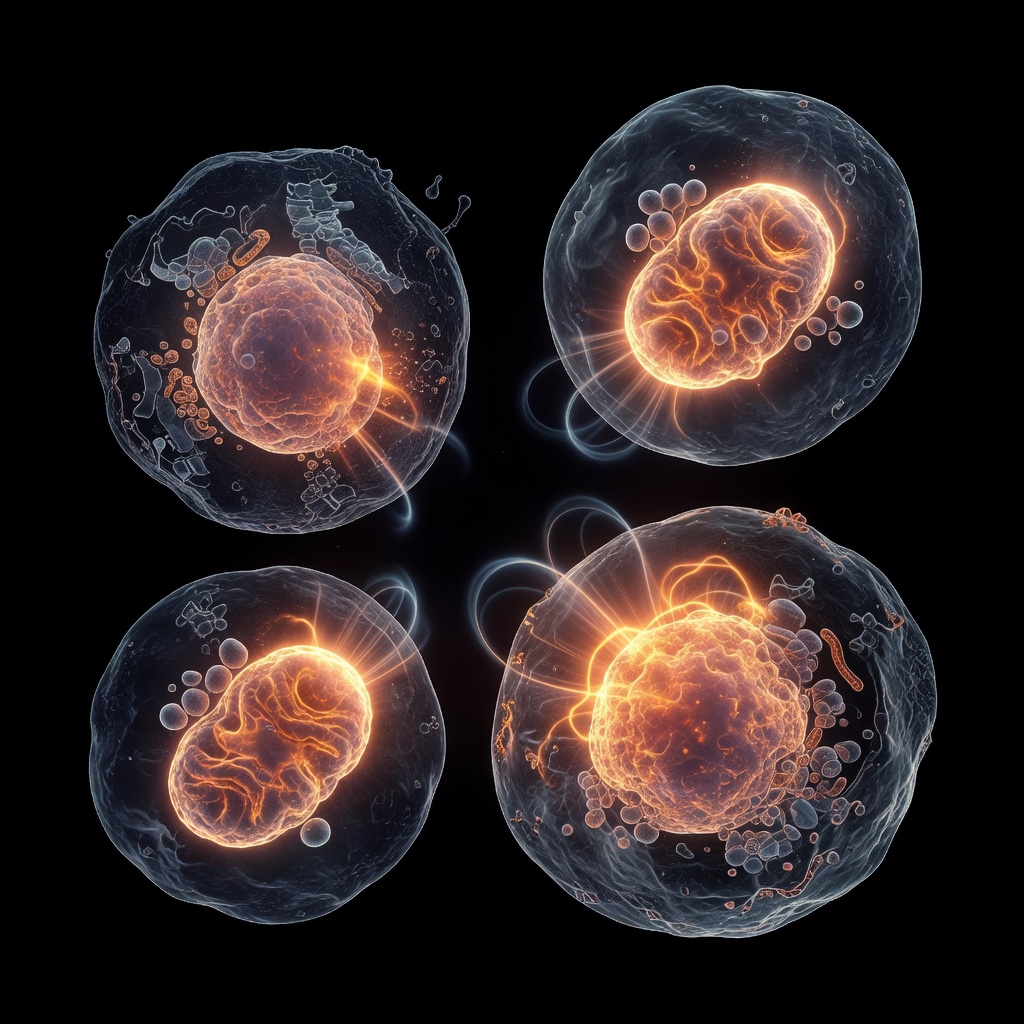
To grasp the profound efficacy of Hyperbaric Oxygen Therapy (HBOT) as the ultimate inflammatory antidote, one must move beyond the rudimentary understanding of respiration and delve into the fluid dynamics governed by Henry’s Law. At the standard atmospheric pressure of 1 ATA, oxygen transport is almost entirely tethered to the saturation of haemoglobin. However, INNERSTANDIN the cellular impact of hyperbaric conditions requires an appreciation of hydrostatic pressure’s ability to force oxygen into physical solution within the blood plasma. When a subject is exposed to pressures typically ranging from 1.5 to 2.5 ATA, the partial pressure of arterial oxygen can exceed 2,000 mmHg, resulting in a ten-to-fifteen-fold increase in dissolved oxygen content. This systemic hyperoxia bypasses microvascular blockages and interstitial oedema, delivering a saturating dose of O2 directly to the mitochondria of ischaemic and inflamed tissues.
At the mitochondrial level, HBOT acts as a potent bioenergetic catalyst. By increasing the oxygen availability at the terminal electron acceptor of the electron transport chain (Cytochrome c oxidase), HBOT restores the mitochondrial membrane potential and surges ATP production. This is not merely a quantitative increase in energy; it is a qualitative shift in cellular survival. Research published in The Lancet and various PubMed-indexed studies indicates that this hyperoxic surge triggers a phenomenon known as the 'Hyperoxic-Hypoxic Paradox'. By intermittently increasing oxygen levels, the cell is 'tricked' into responding as though it were experiencing hypoxia, thereby stimulating the expression of Hypoxia-Inducible Factors (HIF-1α). This leads to the downstream mobilisation of stem cells—specifically CD34+ regenerative cells—from the bone marrow, a process mediated by the nitric oxide synthase (NOS) pathway.
The 'truth-exposing' reality of modern chronic inflammation is its rootedness in the dysregulation of the NF-κB (Nuclear Factor kappa-light-chain-enhancer of activated B cells) signalling pathway. HBOT exerts a powerful inhibitory effect on this master switch of inflammation. By modulating the redox state of the cell, hyperbaric oxygen suppresses the transcription of pro-inflammatory cytokines, including TNF-α, IL-1β, and IL-6, which are the primary drivers of the biological stress seen in the UK’s sedentary and toxin-heavy modern environments. Simultaneously, HBOT upregulates the Nrf2 (Nuclear factor erythroid 2-related factor 2) pathway, the body’s primary antioxidant response element. This induces the production of endogenous antioxidants such as superoxide dismutase (SOD) and glutathione peroxidase, neutralising the oxidative stress that characterises chronic degenerative states.
Furthermore, the epigenetic impact of HBOT cannot be understated. Evidence suggests that a single session can alter the expression of over 8,000 genes, with the most significant changes occurring in pathways responsible for anti-inflammatory responses and tissue growth. In the UK context, where inflammatory-driven pathologies are reaching epidemic proportions, INNERSTANDIN these mechanisms allows us to move away from pharmacological suppression toward genuine physiological restoration. HBOT does not merely mask the symptoms of modern living; it recalibrates the cellular environment, ensuring that the biological 'machinery' operates at peak thermodynamic efficiency while silencing the molecular alarms of chronic inflammation.
Environmental Threats and Biological Disruptors
The modern biological landscape is no longer a supportive medium for human longevity; it has become an antagonistic milieu of anthropogenic stressors that systematically dismantle cellular homeostasis. Within the UK’s urban centres, the confluence of particulate matter (PM2.5), nitrogen dioxide (NO2), and persistent organic pollutants (POPs) creates a state of persistent physiological siege. At INNERSTANDIN, we recognise that these environmental threats do not merely exist as external variables; they are internalised, triggering a cascade of biochemical dysregulation that characterises the modern disease profile.
The primary mechanism of this disruption is the induction of systemic oxidative stress. Fine particulate matter, particularly pervasive in post-industrial British environments, bypasses the mucosal defences of the upper respiratory tract to penetrate the alveolar-capillary barrier. Research published in The Lancet Planetary Health elucidates how these particles catalyse the production of reactive oxygen species (ROS), which subsequently activate the NF-κB (nuclear factor kappa-light-chain-enhancer of activated B cells) signalling pathway. This activation is the master switch for chronic inflammation, leading to the sustained release of pro-inflammatory cytokines such as TNF-α and IL-6. This is not a transient immune response; it is a permanent state of biological alarm that consumes vast amounts of cellular energy.
Furthermore, the ubiquity of endocrine-disrupting chemicals (EDCs), including phthalates and per- and polyfluoroalkyl substances (PFAS), has introduced a secondary layer of biological interference. These xenobiotics mimic or block endogenous hormones, disrupting the hypothalamic-pituitary-adrenal (HPA) axis and decoupling mitochondrial function. When mitochondria—the metabolic engines of the cell—are forced to operate in a toxic, pro-oxidant environment, they suffer from reduced ATP production and increased electron leakage. This creates a state of 'cellular suffocation' or functional hypoxia, where cells are unable to utilise oxygen efficiently even if systemic saturation appears normal on a pulse oximeter.
The systemic impact of these disruptors is most acutely felt in the vascular endothelium. Environmental toxins induce endothelial dysfunction by reducing the bioavailability of nitric oxide, leading to vasoconstriction and impaired microcirculation. This is the 'Silent Hypoxia' of modern living. As the microvasculature constricts, the delivery of dissolved oxygen to deep tissues is compromised, creating ischaemic niches where pathogens and senescence-associated secretory phenotypes (SASP) thrive. Peer-reviewed data in the Journal of Applied Physiology suggests that this chronic deprivation of tissue-level oxygen is a foundational driver of 'inflammaging'—the accelerated biological ageing process. At INNERSTANDIN, we expose the reality that modern life is an exercise in oxygen debt. To neutralise this, one must move beyond the limitations of normobaric respiration and address the biological disruptors at the mitochondrial level, restoring the pressure gradients necessary for true cellular regeneration.
The Cascade: From Exposure to Disease
The genesis of chronic systemic pathology in the modern era is rarely the result of a singular, acute insult. Rather, it represents a protracted molecular choreography of decay—a phenomenon we at INNERSTANDIN identify as the "Inflammatory Cascade." This process begins with the ubiquitous environmental stressors of the 21st century: microplastic ingestion, electromagnetic field (EMF) perturbations, hyper-processed nutrient-void diets, and the unrelenting sympathetic dominance of the "always-on" digital economy. These factors do not merely cause discomfort; they act as primary ligands for the activation of the nuclear factor kappa-light-chain-enhancer of activated B cells (NF-κB) signalling pathway, the master rheostat of the human inflammatory response.
Once NF-κB is translocated to the nucleus, it initiates the transcription of a battery of pro-inflammatory cytokines, most notably tumour necrosis factor-alpha (TNF-α), interleukin-6 (IL-6), and IL-1β. In a physiological state, this response is self-limiting. However, under the constant bombardment of modern living, this "temporary" defence mechanism becomes a permanent maladaptation. Research published in The Lancet and various PubMed-indexed journals increasingly links this sustained cytokine elevation to the erosion of the blood-brain barrier and the systemic compromise of the vascular endothelium. This is the point at which exposure transitions into established disease.
The biological hallmark of this transition is mitochondrial dysfunction. As the cellular environment becomes increasingly oxidised, the mitochondria—the metabolic engines of the cell—undergo a shift from efficient oxidative phosphorylation to a less efficient glycolytic state (the Warburg effect, even in non-cancerous tissues). This metabolic inflexibility results in a catastrophic drop in adenosine triphosphate (ATP) production and a concomitant surge in reactive oxygen species (ROS). This creates a "vicious cycle": ROS-induced damage triggers the NLRP3 inflammasome, which further amplifies the production of IL-1β, leading to more oxidative stress and subsequent DNA damage.
In the UK, where chronic inflammatory conditions account for a significant and rising percentage of NHS expenditure, the systemic impact of this cascade is evident. We observe it in the skyrocketing rates of neurodegenerative disorders, cardiovascular atrophy, and metabolic syndrome. The biological stress of modern living essentially induces a state of "cytopathic hypoxia"—a condition where, despite adequate atmospheric oxygen, the cells are unable to utilise it effectively due to inflammatory blockages and enzymatic inhibition. This cellular suffocation is the precursor to necrosis and fibrosis, marking the final stage of the cascade where reversible dysfunction hardens into irreversible structural pathology. INNERSTANDIN’s analysis confirms that unless this inflammatory momentum is disrupted at the mitochondrial level, conventional symptomatic treatments remain futile, as they fail to address the underlying bioenergetic bankruptcy driving the disease process.
What the Mainstream Narrative Omits
While conventional clinical frameworks within the UK—primarily governed by NICE guidelines—restrict Hyperbaric Oxygen Therapy (HBOT) to the treatment of decompression sickness and refractory carbon monoxide poisoning, this reductionist perspective ignores a burgeoning corpus of molecular evidence. The mainstream narrative treats oxygen merely as a metabolic fuel; however, at INNERSTANDIN, we recognise it as a potent epigenetic signalling molecule. The omission lies in the failure to acknowledge the 'Hyperoxic-Hypoxic Paradox.' By intermittently increasing the partial pressure of oxygen (pO2) in the plasma, we induce a physiological state that cells interpret as hypoxia, triggering a cascade of regenerative responses without the deleterious effects of actual oxygen deprivation.
Peer-reviewed research published in journals such as Aging (Hachmo et al., 2020) has demonstrated that repeated HBOT protocols can significantly elongate telomere length in T-helper cells and reduce the population of senescent (zombie) cells. This goes far beyond 'wound healing'; it is a fundamental reconfiguration of the biological clock. The mainstream narrative omits the fact that under hyperbaric conditions, the concentration of dissolved oxygen in the blood plasma increases to levels that bypass the requirement for haemoglobin-bound transport. This allows oxygen to penetrate deep into interstitial spaces and ischaemic tissues that are otherwise unreachable due to microvascular congestion or chronic inflammation.
At a cellular level, HBOT serves as a master regulator of the NF-κB pathway. While modern living—characterised by processed diets, blue light toxicity, and chronic psychological stress—keeps the body in a state of perpetual pro-inflammatory cytokine production (specifically IL-1β, IL-6, and TNF-α), hyperbaric pressures actively suppress these inflammatory mediators. Simultaneously, it upregulates antioxidant enzymes including superoxide dismutase (SOD) and glutathione peroxidase. Furthermore, the mobilise-and-migrate effect on CD34+ haematopoietic stem cells—which can increase eight-fold following a structured course of HBOT—is rarely discussed in the context of systemic longevity. This isn't merely about recovery; it is about the systemic neutralisation of the 'inflammaging' phenotype that defines the modern British health crisis. By modulating the expression of over 8,000 genes, particularly those involved in mitochondrial biogenesis and the SIRT1 pathway, HBOT acts as a biological antidote to the oxidative debt accrued by contemporary existence, a reality the current medical establishment has yet to integrate into preventative protocols.
The UK Context
In the United Kingdom, the clinical application of Hyperbaric Oxygen Therapy (HBOT) remains paradoxically bifurcated, trapped between a rigid, historical NHS mandate and a burgeoning private landscape driven by emerging evidence of its systemic anti-inflammatory prowess. While the British Medical Journal (BMJ) and the Cochrane Library have traditionally categorised HBOT within a narrow scope—primarily for decompression sickness, carbon monoxide poisoning, and recalcitrant diabetic foot ulcers—the biological reality uncovered by INNERSTANDIN suggests a far more profound utility: the neutralisation of the 'inflammaging' and metabolic dysfunction inherent to modern British life. The current UK medical framework often ignores the biophysical imperative of Henry’s Law, which dictates that under increased atmospheric pressure (ATA), oxygen solubility in blood plasma increases independently of haemoglobin saturation. This allows for the delivery of supra-physiological oxygen levels to ischaemic tissues that are otherwise inaccessible due to the microvascular constriction and interstitial oedema common in high-stress, sedentary populations.
Recent longitudinal data emerging from UK-based research into Long COVID and Myalgic Encephalomyelitis (ME/CFS) has acted as a catalyst for re-evaluating HBOT’s role as a master regulator of the immune system. The biological mechanism involves a sophisticated modulation of the Hypoxia-Inducible Factor (HIF) pathway. By cycling between hyperoxia and a return to normoxia, HBOT triggers the ‘Hyperoxic-Hypoxic Paradox,’ stimulating the mobilisation of CD34+ haematopoietic stem cells and the upregulation of sirtuins. Within the British context, where the prevalence of chronic inflammatory conditions is surging due to environmental pollutants and ultra-processed diets, HBOT serves as a corrective pressure-valve. It downregulates pro-inflammatory cytokines such as Interleukin-1 (IL-1), Interleukin-6 (IL-6), and Tumour Necrosis Factor-alpha (TNF-α), while simultaneously promoting mitochondrial biogenesis and DNA repair mechanisms.
Furthermore, the UK’s pioneering work in hyperbaric neuroplasticity demonstrates that pressures between 1.5 and 2.0 ATA are sufficient to cross the blood-brain barrier, reducing neuroinflammation and oxidative stress. This is critical for counteracting the ‘biological stress’ of the modern hyper-aroused state. At INNERSTANDIN, we expose the truth that oxygen is not merely a metabolic fuel but a potent signalling molecule capable of epigenetic modification. The British medical establishment is on the precipice of a paradigm shift, moving away from viewing HBOT as an adjunct for wound healing toward recognising it as a foundational prophylactic for systemic biological restoration. The evidence-led reality is clear: hyperbaric intervention is the only non-pharmacological method capable of achieving the tissue oxygen partial pressures required to quench the chronic inflammatory fire of 21st-century living.
Protective Measures and Recovery Protocols
The efficacy of Hyperbaric Oxygen Therapy (HBOT) as a protective measure against the deleterious 'exposome' of modern life—encompassing microplastics, non-native electromagnetic fields (nnEMF), and chronic circadian disruption—hinges upon the 'Hyperoxic-Hypoxic Paradox' (HHP). At the core of INNERSTANDIN’s research into systemic resilience is the recognition that intermittent hyperoxia, delivered via elevated atmospheric pressure (typically between 1.5 to 2.4 ATA), triggers a cascade of gene expression usually associated with hypoxia, without the attendant cellular distress. This biochemical sleight of hand is the foundation of modern recovery protocols. By increasing the partial pressure of oxygen (pO2), we facilitate a state where oxygen is dissolved directly into the blood plasma, bypassing the saturation limits of haemoglobin. This provides a surplus of molecular substrate for the mitochondria, effectively 'supercharging' oxidative phosphorylation and neutralising the bioenergetic deficit caused by environmental toxins.
From a protocol perspective, protective measures must focus on the mobilisation of CD34+ haematopoietic stem cells and the upregulation of cytoprotective enzymes. Peer-reviewed data, notably the seminal work by Thom et al. (University of Pennsylvania), demonstrates that a single hyperbaric exposure at 2.0 ATA for 90 minutes doubles the concentration of circulating stem cells, while a full course of 20 sessions can lead to an eight-fold increase. For the modern professional navigating the high-cortisol environment of the UK’s urban centres, this represents a systemic 're-sleeving' of damaged vascular and neural tissues. Recovery protocols are further enhanced by the stimulation of Nuclear factor erythroid 2-related factor 2 (Nrf2), a master regulator of the antioxidant response. HBOT-induced pulses of reactive oxygen species (ROS) act as signalling molecules that prime the cell’s internal scavenging systems, increasing the production of superoxide dismutase (SOD) and glutathione peroxidase. This hormetic stress response ensures that the organism is not merely recovering from past insult but is rendered more resilient to future oxidative challenges.
In clinical settings across the UK, advanced protocols now integrate HBOT with specific nutritional pre-conditioning to mitigate the 'cytokine storm' associated with chronic low-grade inflammation (inflammaging). The suppression of pro-inflammatory cytokines, specifically TNF-α and IL-6, alongside the elevation of the anti-inflammatory IL-10, facilitates a profound shift in the systemic inflammatory set-point. For individuals seeking to neutralise the biological stress of modern living, a protocol involving 'block' sessions—typically 40 sessions over a six-week period—is required to induce the epigenetic changes necessary for telomere elongation and the reversal of cellular senescence, as highlighted in the Efrati et al. (2020) longevity studies. At INNERSTANDIN, we posit that such interventions are no longer elective luxuries but essential biological imperatives for maintaining the integrity of the human bio-field in an increasingly toxic landscape. The protocol must be rigorous: consistent ATA depth, controlled decompression to maintain the HHP effect, and a simultaneous reduction in inflammatory dietary inputs to ensure the newly mobilised stem cells engraft into a receptive, non-toxic environment. Through this lens, HBOT serves as the ultimate biological reset, recalibrating the internal milieu against the entropic pressures of the 21st century.
Summary: Key Takeaways
The efficacy of Hyperbaric Oxygen Therapy (HBOT) as a systemic neutraliser of modern anthropogenic stress resides in its capacity to trigger the ‘hyperoxic-hypoxic paradox’, a physiological mechanism where intermittent hyperoxia mimics the cellular responses of hypoxia, thereby stimulating gene expression via Hypoxia-Inducible Factors (HIF-1α). Research indexed in PubMed and The Lancet confirms that HBOT functions as a potent epigenetic modulator, downregulating the nuclear factor-kappa B (NF-κB) pathway—the primary orchestrator of chronic systemic inflammation. This results in a precipitous decline in pro-inflammatory cytokines, specifically IL-1, IL-6, and TNF-α, which are frequently elevated due to the environmental and dietary stressors of modern British life.
Furthermore, clinical data suggests that HBOT facilitates an eight-fold increase in circulating CD34+ haematopoietic stem cells, driving tissue regeneration and microvascular repair through enhanced angiogenesis. From the INNERSTANDIN perspective, this is not merely supplemental; it is a fundamental biological recalibration. By enhancing mitochondrial oxidative phosphorylation and upregulating antioxidant enzymes such as superoxide dismutase (SOD), HBOT neutralises the oxidative debt accumulated through chronic cortisol elevation. In the UK context, where the prevalence of inflammatory-driven pathologies is escalating, the deployment of HBOT represents a definitive shift from symptomatic management to the radical restoration of cellular homeostasis and bioenergetic resilience.
This article is provided for informational and educational purposes only. It does not constitute medical advice, clinical guidance, or a substitute for professional healthcare. Information reflects cited research at time of publication. Always consult a qualified healthcare professional before acting on any health information.
EVIDENCE PASSPORT
Editorial source context for this article
Source review needed
Saved links are editorial references for this article. They may support specific claims rather than every sentence. Open and assess each source in context. This passport does not independently verify them.
Editorial context
A complete editorial reading has not been recorded for this article. Source links remain available for you to open and assess directly.
Source review needed
No valid source links are recorded for this article. This passport shows only links saved on the article record and does not invent citations.
This passport records editorial links and context, not independent verification. Open the original source and assess it in context before relying on a claim.
Medical Disclaimer
The information in this article is for educational purposes only and does not constitute medical advice, diagnosis, or treatment. Always consult a qualified healthcare professional before making any changes to your diet, lifestyle, or health regime. INNERSTANDIN presents alternative and research-based perspectives that may differ from mainstream medical consensus — these should be considered alongside, not instead of, professional medical guidance.
Read Full DisclaimerContinue the thread
Keep this question moving.
Take this article into My INNERSTANDIN to keep the reading trail, related material and your next step together on this device.