
The Metabolic Crossroad: How Insulin Resistance Impairs the Hypothalamic-Pituitary-Gonadal Axis
Updated April 2026
Evidence orientation
Editorial context not yet recorded
Follow this category
This stays in this browser. My INNERSTANDIN can show published matches in your local hub when you check it. It does not send email, push, or alert notifications.
Local learning review
A private browser aid for revisiting ideas. It is not an alert or a health recommendation.
Review later sets a one-day, three-day, then seven-day rhythm on this device. Choose it only when you want to revisit this article.
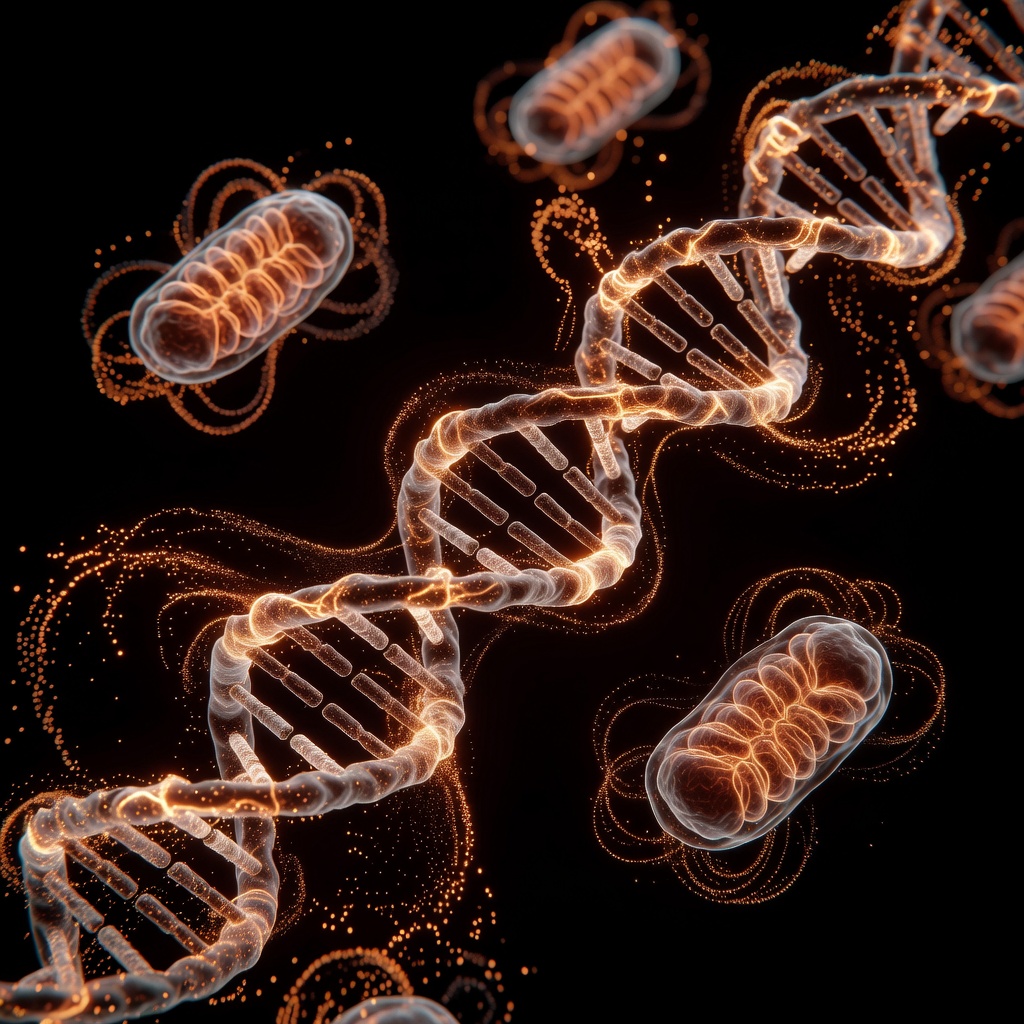
In the modern landscape of men’s health, a silent crisis is unfolding—one that is often misdiagnosed as simple "ageing" or "lifestyle stress." While mainstream medicine frequently focuses on the symptoms of declining vitality, such as fatigue, weight gain, and loss of libido, it rarely looks deep enough into the biological machinery driving these changes.
At the heart of this decline lies a critical intersection: The Metabolic Crossroad. This is the point where our endocrine system meets our metabolic health. Specifically, it is the devastating impact that Insulin Resistance (IR) has on the Hypothalamic-Pituitary-Gonadal (HPG) Axis. To understand male health in the 21st century is to understand that testosterone is not an isolated hormone; it is a downstream product of metabolic integrity.
Overview: The Unseen Epidemic
For decades, we have been told that testosterone levels naturally decline as men age. However, recent longitudinal studies suggest a more disturbing truth: age-independent testosterone levels have been plummeting globally since the 1980s. A 60-year-old man in 1987 had significantly higher testosterone than a 60-year-old man in 2024.
This is not a failure of evolution; it is a failure of environment. The primary driver of this "biochemical castration" of the modern male is the rise of metabolic syndrome, specifically Insulin Resistance. When the body loses its ability to effectively manage glucose and insulin, the delicate signalling pathway that tells the testes to produce testosterone—the HPG Axis—is the first casualty.
Key Fact: Insulin resistance is not merely a precursor to Type 2 Diabetes; it is a systemic inflammatory state that directly inhibits the brain’s ability to signal for the production of male sex hormones.
Biological Mechanisms: How the HPG Axis Breaks Down
The HPG Axis is a sophisticated feedback loop. It begins in the Hypothalamus, which releases GnRH (Gonadotropin-Releasing Hormone). This triggers the Pituitary Gland to secrete LH (Luteinizing Hormone) and FSH (Follicle-Stimulating Hormone). LH then travels to the testes, specifically the Leydig cells, to stimulate the production of testosterone.
Insulin resistance disrupts this elegant dance at every single level.
1. The Hypothalamic Shutdown (The Kisspeptin Connection)
The hypothalamus acts as the CEO of the reproductive system. To release GnRH, it relies on a potent signalling molecule called Kisspeptin. Modern research has revealed that insulin-sensitive neurons in the brain are essential for Kisspeptin expression. When you develop Insulin Resistance, the hypothalamus becomes "deaf" to insulin's signals. The result? Kisspeptin secretion drops, GnRH pulses slow down, and the entire production line grinds to a halt before it even begins.
2. The Pituitary Paralysis
Even if the hypothalamus manages to send a signal, high circulating levels of insulin (hyperinsulinaemia) can impair the pituitary gland’s sensitivity. In a state of chronic metabolic inflammation, the pituitary fails to secrete adequate amounts of LH. Without LH, the testes are like a factory with no workers; the raw materials are there, but no one is giving the order to start the machines.
3. The SHBG Trap
Sex Hormone-Binding Globulin (SHBG) is a protein produced by the liver that carries testosterone through the blood. Only "free" testosterone (unbound to SHBG) is biologically active and available for use by your tissues. Chronic hyperinsulinaemia suppresses the liver’s production of SHBG. While this might sound like it would increase free testosterone, it actually destabilises the entire system, leading to faster clearance of testosterone from the body and lower total levels over time.
4. The Aromatase Vicious Cycle
Insulin resistance and excess adipose tissue (body fat) go hand-in-hand. Fat is not just stored energy; it is an active endocrine organ. It contains an enzyme called Aromatase, which converts testosterone into Oestradiol (a form of oestrogen).
- High insulin promotes fat storage.
- Fat storage increases aromatase activity.
- Aromatase turns your precious testosterone into oestrogen.
- High oestrogen signals the brain to further shut down LH production.
This is the "death spiral" of male hormonal health.
UK Context & Relevance: A Nation in Metabolic Crisis
In the United Kingdom, the relevance of this metabolic crossroad cannot be overstated. According to recent NHS data, over 60% of adults in England are classified as overweight or obese. We are currently facing a "diabesity" epidemic that is directly reflected in the skyrocketing demand for TRT (Testosterone Replacement Therapy) and erectile dysfunction medications.
The "Normal Range" Delusion
A significant issue within the UK healthcare system is the definition of "normal" testosterone levels. The NHS reference ranges are often based on population averages—averages that include men who are metabolically unwell. A man may be told his levels are "normal" at 9 nmol/L, despite experiencing every symptom of deficiency, simply because the range accommodates a sick population.
The Standard British Diet (SBD)
The prevalence of ultra-processed foods (UPFs) in the UK diet—rich in refined carbohydrates and seed oils—is the primary engine of Insulin Resistance. The constant "glucose spikes" from a diet high in bread, pasta, and sugary snacks keep insulin levels perennially elevated, ensuring the HPG axis remains suppressed.
Environmental Factors: The "Silent" Disruptors
While diet is the primary driver, we do not live in a vacuum. The modern environment is saturated with Endocrine Disrupting Chemicals (EDCs) that exacerbate the metabolic-hormonal breakdown.
- Xeno-oestrogens: Chemicals like Bisphenol A (BPA) and phthalates, common in plastic packaging and personal care products, mimic oestrogen in the body. They worsen the HPG axis suppression already caused by insulin resistance.
- Blue Light & Circadian Disruption: Modern man is disconnected from the natural light cycle. Exposure to blue light at night suppresses melatonin and elevates cortisol. High cortisol directly antagonises testosterone and worsens insulin sensitivity, creating a perfect storm of hormonal dysfunction.
- Sedentary Behaviour: The UK’s shift toward office-based work has removed the "metabolic sink" of physical activity. Muscles are the primary site for glucose disposal; without muscle contraction, insulin resistance is almost inevitable.
Key Fact: Environmental toxins don't just lower testosterone; they "clog" insulin receptors, making the metabolic impairment even harder to reverse through diet alone.
Protective Strategies: Reclaiming the Crossroad
The good news is that the HPG axis is remarkably resilient. By addressing the metabolic root cause, many men can restore their testosterone levels without lifelong dependence on medication.
1. Restore Insulin Sensitivity (Nutrition)
The most potent tool for HPG restoration is Metabolic Flexibility.
- Lower Glycaemic Load: Reduce or eliminate refined sugars and flours. Focus on "single-ingredient" foods.
- Intermittent Fasting: Giving the body periods of low insulin allows the hypothalamus to "reset" its sensitivity.
- Eliminate Seed Oils: Industrial seed oils (sunflower, rapeseed, corn) promote systemic inflammation and mitochondrial dysfunction, worsening insulin resistance.
2. High-Intensity Resistance Training
Muscle is the currency of longevity. Lifting heavy weights increases the expression of GLUT4 (glucose transporters) in the muscle, allowing you to clear glucose from your blood without requiring massive amounts of insulin. This "unloads" the pressure on the HPG axis.
3. Micronutrient Optimisation
The chemical reactions that produce testosterone require specific co-factors that are often depleted in a metabolically stressed body:
- Vitamin D3: Effectively a pro-hormone, essential for Leydig cell function.
- Zinc & Magnesium: Vital for the enzymatic processes in the HPG axis.
- Omega-3 (EPA/DHA): To dampen the systemic inflammation that drives insulin resistance.
4. Cold Exposure and Sleep Hygiene
Utilising deliberate cold exposure (cold showers or plunges) can improve insulin sensitivity through the activation of brown adipose tissue. Simultaneously, prioritising 7–8 hours of sleep in total darkness is non-negotiable for the nocturnal pulses of LH and testosterone.
Key Takeaways: The Path to INNERSTANDING
The modern male health crisis is not a mystery; it is a predictable outcome of metabolic mismatch. To master your hormones, you must first master your metabolism.
- Insulin is the Gatekeeper: You cannot have optimal testosterone levels in the presence of chronic hyperinsulinaemia.
- The HPG Axis is a Sensor: It senses energy abundance or metabolic stress. Insulin resistance signals "stress," leading to a shutdown of reproductive function.
- Fat is an Endocrine Enemy: Excess body fat actively converts your masculinity (testosterone) into femininity (oestrogen) via the aromatase enzyme.
- The NHS Range is a Floor, Not a Ceiling: Do not settle for "normal" when "optimal" is required for vitality.
- Action over Agony: Through ancestral nutrition, heavy lifting, and environmental awareness, the metabolic crossroad can be navigated toward health rather than disease.
True INNERSTANDING comes from recognising that your body is an integrated system. Your hormones do not fail in isolation—they fail when the metabolic foundation crumbles. Rebuild the foundation, and the HPG axis will follow.
This article is provided for informational and educational purposes only. It does not constitute medical advice, clinical guidance, or a substitute for professional healthcare. Information reflects cited research at time of publication. Always consult a qualified healthcare professional before acting on any health information.
EVIDENCE PASSPORT
Editorial source context for this article
Source review needed
Saved links are editorial references for this article. They may support specific claims rather than every sentence. Open and assess each source in context. This passport does not independently verify them.
Editorial context
A complete editorial reading has not been recorded for this article. Source links remain available for you to open and assess directly.
Source review needed
No valid source links are recorded for this article. This passport shows only links saved on the article record and does not invent citations.
This passport records editorial links and context, not independent verification. Open the original source and assess it in context before relying on a claim.
Medical Disclaimer
The information in this article is for educational purposes only and does not constitute medical advice, diagnosis, or treatment. Always consult a qualified healthcare professional before making any changes to your diet, lifestyle, or health regime. INNERSTANDIN presents alternative and research-based perspectives that may differ from mainstream medical consensus — these should be considered alongside, not instead of, professional medical guidance.
Read Full DisclaimerContinue the thread
Keep this question moving.
Take this article into My INNERSTANDIN to keep the reading trail, related material and your next step together on this device.
Explore this in the Body Map
See where this hits your biology. Interactive anatomy, threats, and protective protocols.
Dig deeper in the Library
Free, longform PDF volumes that go beyond headlines into mechanisms and references.