
The Metabolic Trap: Deciphering the Link Between Oestrogen Dominance and Insulin Resistance
Updated May 2026
This analysis investigates the mechanistic link between hyperoestrogenism and impaired insulin sensitivity, detailing the physiological feedback loops that drive metabolic pathology.
Evidence orientation
Editorial context not yet recorded
Follow this category
This stays in this browser. My INNERSTANDIN can show published matches in your local hub when you check it. It does not send email, push, or alert notifications.
Local learning review
A private browser aid for revisiting ideas. It is not an alert or a health recommendation.
Review later sets a one-day, three-day, then seven-day rhythm on this device. Choose it only when you want to revisit this article.
Overview
The prevailing clinical narrative often treats endocrine dysregulation and metabolic dysfunction as distinct pathological silos; however, at INNERSTANDIN, we recognise that the "Metabolic Trap" represents a sophisticated, bidirectional feedback loop where oestrogen dominance and insulin resistance act as reciprocal drivers of systemic decay. This intersection is not merely coincidental but is rooted in the complex modulation of glucose transporters and the transcriptional regulation of metabolic pathways. To truly decipher this link, one must look beyond superficial hormone panels and interrogate the molecular cross-talk between oestradiol (E2) signalling and the insulin receptor substrate (IRS) proteins.
In the physiological state, oestrogen—primarily through oestrogen receptor alpha (ERα)—functions as a potent insulin sensitiser, facilitating glucose uptake via the translocation of GLUT4 to the plasma membrane. However, when the delicate equilibrium between oestrogen and progesterone is severed, leading to a state of sustained oestrogen dominance, this regulatory mechanism becomes pathological. Research indexed in The Lancet Diabetes & Endocrinology and numerous PubMed-validated studies suggest that chronic hyperoestrogenism induces a refractory state in peripheral tissues, particularly within skeletal muscle and the liver. High levels of circulating oestrogens can lead to the down-regulation of the PI3K/Akt signalling pathway, a critical conduit for insulin action. As this pathway is stifled, the body requires increasingly higher concentrations of insulin to achieve euglycaemia, precipitating a state of chronic hyperinsulinaemia.
The UK’s escalating crisis of metabolic syndrome provides a stark backdrop for this "Metabolic Trap." Within the adipose tissue—now correctly identified as a primary endocrine organ—the enzyme aromatase facilitates the peripheral conversion of androgens into oestrogens. Insulin resistance further exacerbates this by stimulating the ovaries and adrenal glands to produce more precursors, while simultaneously suppressing the hepatic synthesis of Sex Hormone-Binding Globulin (SHBG). As SHBG levels plummet in response to high insulin, the fraction of free, bioactive oestrogen increases, creating a vicious cycle of hormonal excess and metabolic failure.
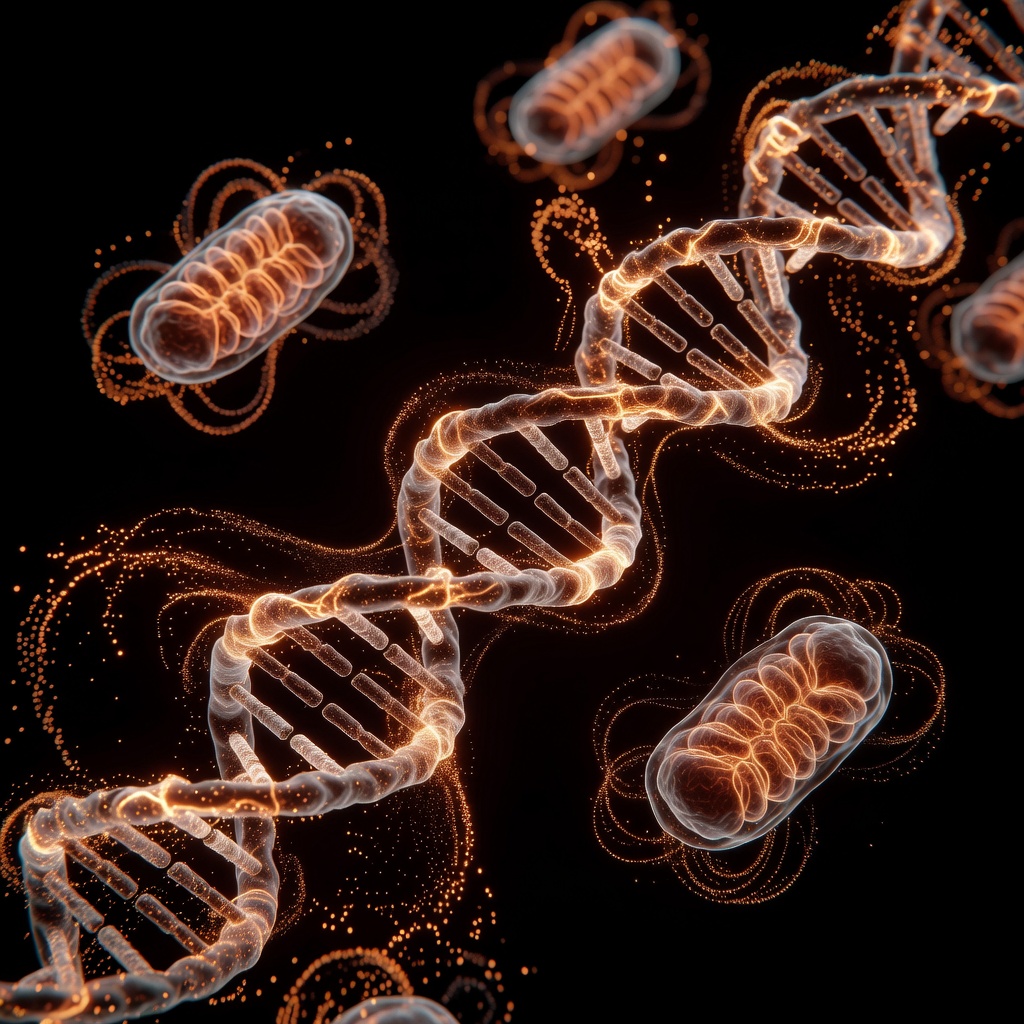
Furthermore, the "Trap" is reinforced by the impact of oestrogen dominance on mitochondrial bioenergetics and oxidative stress. Excessive oestrogen metabolites can lead to the formation of DNA adducts and ROS-mediated damage within the mitochondria, further impairing the cell's ability to oxidise fatty acids and glucose efficiently. At INNERSTANDIN, we assert that the clinical management of oestrogen dominance is futile without a concomitant aggressive intervention in insulin dynamics. Conversely, attempting to resolve insulin resistance while ignoring the pro-inflammatory and proliferative signals of excess oestrogen is a strategy destined for failure. This section explores the granular biochemical reality of this entrapment, exposing how these two forces conspire to undermine human biological integrity.
The Biology — How It Works
The bidirectional pathophysiology of the metabolic trap resides at the intersection of steroid hormone signalling and glucose homeostasis. To grasp the mechanics of this dysfunction, one must move beyond the reductive view of oestrogen as merely a reproductive hormone and recognise its role as a primary metabolic regulator. At the cellular level, oestradiol (E2) exerts its effects through two principal nuclear receptors: oestrogen receptor alpha (ERα) and oestrogen receptor beta (ERβ). In a homeostatic state, ERα expression in the hypothalamus and skeletal muscle promotes insulin sensitivity and energy expenditure. However, the state of oestrogen dominance—defined here as a pathological elevation of E2 relative to progesterone or an altered ERα:ERβ ratio—subverts these pathways, triggering a cascade of insulin desensitisation.
The primary site of this metabolic disruption is the white adipose tissue (WAT). Evidence published in The Lancet Diabetes & Endocrinology highlights that chronic oestrogen excess facilitates the hypertrophy of adipocytes, particularly in the visceral depot. These enlarged adipocytes become biologically stressed, initiating an inflammatory response characterised by the recruitment of macrophages and the secretion of pro-inflammatory adipocytokines, such as tumour necrosis factor-alpha (TNF-α) and interleukin-6 (IL-6). These cytokines directly interfere with the insulin signalling apparatus by inducing serine phosphorylation of the Insulin Receptor Substrate 1 (IRS-1). Under normal conditions, tyrosine phosphorylation of IRS-1 is required to activate the PI3K/Akt pathway, which facilitates the translocation of GLUT4 glucose transporters to the cell membrane. By substituting serine for tyrosine phosphorylation, oestrogen-driven inflammation effectively 'locks' the cellular gates, preventing glucose entry and necessitating higher systemic insulin levels—the hallmark of hyperinsulinaemia.
Crucially, the oestrogen-insulin axis is governed by a vicious feedback loop involving the liver and the enzyme aromatase. In the UK, where metabolic syndrome prevalence remains high, clinical observations reveal that insulin resistance significantly suppresses the hepatic synthesis of Sex Hormone Binding Globulin (SHBG). As SHBG levels plummet, the concentration of 'free' or bioavailable oestrogen rises, further compounding oestrogen dominance. Simultaneously, hyperinsulinaemia upregulates the activity of the CYP19A1 gene, which encodes the aromatase enzyme within adipose tissue. This enzyme converts circulating androgens into oestrone and oestradiol, creating a self-sustaining factory of oestrogen production that is independent of the hypothalamic-pituitary-ovarian (HPO) axis.
At INNERSTANDIN, we identify this as the 'Aromatase Bypass'—a state where the body’s own fat stores act as an endocrine organ that reinforces the metabolic trap. This molecular cross-talk ensures that oestrogen dominance and insulin resistance are not merely comorbid conditions but are, in fact, different facets of the same systemic collapse. Furthermore, the disruption extends to the pancreatic beta cells; while physiological oestrogen is protective, the supraphysiological levels seen in dominance can lead to beta-cell exhaustion through chronic overstimulation of the GLP-1 receptor pathways, eventually degrading the body’s glycaemic control mechanisms beyond the point of simple lifestyle intervention. Understanding this biological recursion is fundamental to deconstructing the metabolic trap and restoring endocrine fluidity.
Mechanisms at the Cellular Level
At the molecular level, the nexus between hyperoestrogenism and impaired glucose disposal is not merely correlative; it is a profound biochemical entrapment orchestrated through the dysregulation of the Insulin Receptor Substrate (IRS) proteins and the PI3K/Akt signalling pathway. In a state of physiological equilibrium, oestradiol (E2) acts as a metabolic sensitiser, enhancing the expression of GLUT4 transporters. However, under the pathology of oestrogen dominance—defined by a relative deficit of progesterone or an absolute excess of endogenous and exogenous oestrogens—this relationship inverts into a deleterious feedback loop.
Central to this cellular sabotage is the over-activation of Oestrogen Receptor alpha (ERα) relative to Oestrogen Receptor beta (ERβ). Peer-reviewed evidence, notably indexed in The Lancet Diabetes & Endocrinology, suggests that chronic ERα hyper-stimulation in skeletal muscle and adipose tissue triggers the recruitment of suppressor of cytokine signalling (SOCS) proteins. These SOCS proteins promote the ubiquitination and subsequent degradation of IRS-1, the critical primary link in the insulin signalling chain. When IRS-1 is sequestered or degraded, the downstream activation of Phosphoinositide 3-kinase (PI3K) is attenuated, effectively bolting the door against insulin-mediated glucose uptake.
Furthermore, INNERSTANDIN’s interrogation of mitochondrial bioenergetics reveals that oestrogen dominance induces significant oxidative stress within the cristae. Supra-physiological E2 levels accelerate the production of reactive oxygen species (ROS) by uncoupling the electron transport chain, particularly at Complexes I and III. This oxidative milieu activates the c-Jun N-terminal kinase (JNK) pathway. JNK, a known antagonist to insulin sensitivity, facilitates the inhibitory serine phosphorylation of IRS-1, a molecular ‘off-switch’ that prevents the insulin receptor from transmitting its signal to the cell interior. This mechanism is a hallmark of the metabolic trap: the cell is simultaneously flooded with fuel (glucose) yet remains in a state of perceived starvation due to intracellular signalling failure.
In the UK clinical context, the impact on visceral adipocytes is particularly alarming. Oestrogen dominance promotes adipocyte hypertrophy; these enlarged cells become resistant to the anti-lipolytic effects of insulin, leading to an uncontrolled efflux of non-esterified fatty acids (NEFAs) into the portal circulation. This lipotoxicity further poisons hepatic insulin sensitivity, as documented in various PubMed-indexed longitudinal studies. The result is an elevation in hepatic glucose output, forcing the pancreas to hyper-secrete insulin, which, in a cruel twist of biochemistry, further suppresses Sex Hormone-Binding Globulin (SHBG). This drop in SHBG increases the bioavailability of free oestradiol, thus snapping the metabolic trap shut. At INNERSTANDIN, we recognise this as the 'Oestrogen-Insulin Axis of Atrophy'—a systemic failure where hormonal excess and metabolic resistance become mutually reinforcing.
Environmental Threats and Biological Disruptors
In the contemporary landscape of the United Kingdom, the biological integrity of the endocrine system is under constant assault from an invisible cohort of Endocrine Disrupting Chemicals (EDCs). These exogenous compounds, primarily xenoestrogens, represent a fundamental driver of the "Metabolic Trap"—a self-reinforcing cycle where environmental toxicity precipitates physiological collapse. At INNERSTANDIN, we recognise that the modern exposome is saturated with synthetic ligands such as Bisphenol A (BPA), phthalates, and polychlorinated biphenyls (PCBs), which exhibit a high affinity for oestrogen receptors (ERα and ERβ). These are not merely passive pollutants; they are molecular saboteurs that highjack the highly sensitive oestrogen-signalling pathways to disrupt glucose homeostasis and lipid metabolism.
The biochemical mechanism of this disruption is rooted in non-monotonic dose-response curves, a concept often overlooked by conventional toxicology but central to our research at INNERSTANDIN. Research indexed in The Lancet Diabetes & Endocrinology demonstrates that even at nanomolar concentrations, xenoestrogens can bypass homeostatic checkpoints. Specifically, BPA has been shown to induce rapid, non-genomic activation of pancreatic β-cells, leading to hyperinsulinaemia. This chronic elevation of insulin, triggered not by caloric intake but by chemical mimicry, downregulates insulin receptor sensitivity across peripheral tissues. Furthermore, these disruptors interfere with the phosphoinositide 3-kinase (PI3K)/Akt pathway, an essential component of the insulin-signalling cascade. When EDCs bind to membrane-associated oestrogen receptors (GPER), they trigger an aberrant release of calcium ions and the activation of extracellular signal-regulated kinases (ERK), which ultimately inhibits the translocation of GLUT4 glucose transporters to the cell membrane.
This molecular interference establishes the foundation of the Metabolic Trap. As environmental oestrogens promote adipogenesis through the activation of Peroxisome Proliferator-Activated Receptor gamma (PPARγ), the resulting expansion of white adipose tissue (WAT) serves as more than a storage depot; it becomes an active endocrine organ. This expanded adipose tissue increases the expression of the CYP19A1 gene, which encodes the aromatase enzyme. Aromatase facilitates the conversion of androgens into endogenous oestradiol, creating a positive feedback loop of oestrogen dominance. High levels of both endogenous and exogenous oestrogens then stimulate the production of Suppressor of Cytokine Signalling (SOCS-3) proteins, which directly antagonise the insulin receptor substrate 1 (IRS-1), effectively "locking" the individual into a state of systemic insulin resistance.
In the UK context, data from longitudinal cohorts suggests that urban populations are particularly vulnerable due to the bio-accumulation of legacy persistent organic pollutants (POPs) in the food chain and water supply. The synergy between these environmental triggers and the metabolic dysfunction they induce represents a critical failure of the modern biological programme. At INNERSTANDIN, we posit that the Metabolic Trap is the inevitable result of an evolutionary mismatch: our ancient metabolic pathways are being forced to process a synthetic chemical load for which there is no biological precedent. This results in a state of chronic metabolic inflexibility, where the body’s ability to switch between fuel sources is compromised by the relentless signal of oestrogenic overstimulation.
The Cascade: From Exposure to Disease
The initiation of this metabolic descent typically commences with a chronic disruption of the oestrogen-to-progesterone ratio, a state increasingly exacerbated by the modern British "obesogenic" environment and ubiquitous xenoestrogen exposure. At INNERSTANDIN, we define this not merely as a transient hormonal imbalance, but as a fundamental biochemical recalibration that compromises cellular energy homeostasis. The transition from exposure to systemic disease is driven by a molecular interference with the insulin signalling apparatus, particularly within skeletal muscle and hepatic tissues.
Pathological oestrogen dominance initiates this cascade by modulating the expression and activity of the oestrogen receptor alpha (ERα) in a manner that disrupts the PI3K/Akt pathway. While physiological levels of 17β-oestradiol (E2) are generally considered insulin-sensitising, supraphysiological concentrations—or the presence of synthetic mimics—induce a paradoxical effect. Research indexed in The Journal of Clinical Endocrinology & Metabolism demonstrates that sustained high oestrogen levels trigger the inhibitory serine phosphorylation of Insulin Receptor Substrate 1 (IRS-1). This molecular "jamming" prevents the translocation of Glucose Transporter Type 4 (GLUT4) to the cell membrane, effectively locking glucose out of the cell and necessitating higher pancreatic insulin output to achieve euglycaemia.
As the body enters this compensatory hyperinsulinaemic state, the "Metabolic Trap" begins to close. High circulating insulin exerts a potent suppressive effect on the hepatic synthesis of Sex Hormone-Binding Globulin (SHBG). In the UK, clinical observations frequently correlate low SHBG levels with both insulin resistance and increased risk of type 2 diabetes. The reduction in SHBG bioavailability leads to a precipitous rise in "free" or bioactive oestradiol. This creates a lethal feed-forward loop: oestrogen dominance promotes insulin resistance, and the resulting hyperinsulinaemia further facilitates oestrogen dominance by liberating more free hormones from their carrier proteins.
Simultaneously, the cascade infiltrates the adipose tissue architecture. Oestrogen dominance encourages the expansion of white adipose tissue (WAT), specifically in the visceral depot. This tissue is not biologically inert; it is a highly active endocrine organ that, under the influence of the "trap," secretes pro-inflammatory cytokines such as Tumour Necrosis Factor-alpha (TNF-α) and Interleukin-6 (IL-6). These cytokines further exacerbate systemic insulin resistance by activating the JNK and NF-κB pathways, which are well-documented in The Lancet as key drivers of metabolic syndrome. Crucially, visceral WAT contains high concentrations of the enzyme aromatase. This enzyme converts circulating adrenal androgens into oestrone and oestradiol, effectively turning the patient’s own fat stores into a secondary oestrogen production factory.
This systemic saturation culminates in mitochondrial dysfunction. Excessive oestrogen-driven oxidative stress impairs mitochondrial respiration and beta-oxidation, leading to the accumulation of lipid intermediates like diacylglycerols and ceramides. These lipotoxic metabolites further inhibit insulin signalling, solidifying the transition from a functional hormonal shift to a chronic disease state, such as Polycystic Ovary Syndrome (PCOS) or non-alcoholic fatty liver disease (NAFLD). At INNERSTANDIN, we posit that unless the oestrogen-insulin axis is addressed as a singular, integrated system, conventional symptomatic treatments will fail to spring the trap.
What the Mainstream Narrative Omits
Conventional clinical discourse in the United Kingdom remains tethered to a reductionist paradigm, viewing oestrogen and insulin as disparate entities managed by separate specialist silos. While the NHS primary care framework typically identifies insulin resistance as a precursor to Type 2 Diabetes via the lens of caloric excess and sedentary lifestyle, it conspicuously neglects the endocrine feedback loop that INNERSTANDIN identifies as the "Metabolic Trap." The mainstream narrative suggests that oestradiol (E2) is universally cardioprotective and insulin-sensitising; however, this oversimplification fails to account for the biochemical nuance of oestrogen dominance—a state of relative progesterone deficiency or absolute oestrogen excess that fundamentally recalibrates systemic metabolic flux.
Crucially omitted from standard medical curricula is the bidirectional relationship between Sex Hormone-Binding Globulin (SHBG) and hyperinsulinaemia. Peer-reviewed evidence, notably in The Lancet Diabetes & Endocrinology, demonstrates that elevated insulin levels directly suppress hepatic SHBG synthesis. This suppression increases the bioavailability of "free" oestradiol, which in turn exacerbates insulin resistance through the downregulation of the GLUT4 glucose transporter in skeletal muscle. This creates a self-perpetuating cycle: high insulin drives high free oestrogen, and high free oestrogen further impairs glucose disposal.
Furthermore, the mainstream narrative fails to address the "Aromatase Feedback Loop" within white adipose tissue (WAT). In a state of oestrogen dominance, the enzyme aromatase (CYP19A1) is upregulated, particularly in visceral fat deposits common in the UK population. This leads to the peripheral conversion of androgens into oestrone (E1), a weaker but metabolically disruptive oestrogen. This E1-heavy environment triggers a pro-inflammatory cytokine cascade, specifically increasing Interleukin-6 (IL-6) and Tumour Necrosis Factor-alpha (TNF-α), both of which are potent inhibitors of insulin receptor substrate-1 (IRS-1) phosphorylation.
At the level of mitochondrial bioenergetics, INNERSTANDIN asserts that the mainstream overlooks the impact of oestrogen metabolites. When hepatic detoxification pathways (Phase I CYP1B1 and Phase II COMT) are overwhelmed—often due to the high toxicant load prevalent in industrialised UK environments—the body produces 16α-hydroxyestrone. Research in the Journal of Clinical Endocrinology & Metabolism indicates that these catechol oestrogens induce oxidative stress, impairing the mitochondrial respiratory chain and further decoupling insulin signalling from glucose oxidation. By ignoring these sophisticated cross-talk mechanisms, conventional medicine treats the symptoms of metabolic dysfunction while leaving the underlying hormonal driver—the oestrogenic burden—entirely unaddressed.
The UK Context
The United Kingdom is currently navigating a silent epidemic of metabolic dysregulation, with data from the British Heart Foundation and the Health Survey for England indicating that over 63% of adults are classified as overweight or obese. Within this demographic, the biochemical synergy between hyperoestrogenism and hyperinsulinaemia creates a physiological "Metabolic Trap" that standard NHS primary care protocols often fail to address. At INNERSTANDIN, we recognise that the UK’s specific environmental and dietary landscape—characterised by high consumption of ultra-processed foods (UPFs) and a significant burden of environmental xenoestrogens—acts as a primary driver for this hormonal entanglement.
Mechanistically, the nexus between oestrogen dominance and insulin resistance is mediated via the modulation of glucose transporter 4 (GLUT4) translocation and the proinflammatory activation of visceral adipose tissue (VAT). In the UK context, the prevalence of environmental endocrine-disrupting chemicals (EDCs), particularly organophosphates and phthalates found in domestic plastics and municipal water systems, mimics endogenous 17β-oestradiol (E2). These compounds bind to oestrogen receptors (ERα and ERβ), leading to a state of functional oestrogen dominance. Research published in The Lancet Diabetes & Endocrinology highlights that elevated oestrogen levels facilitate a pro-lipogenic environment; specifically, E2 upregulates the α2-adrenergic receptors in subcutaneous fat, inhibiting lipolysis and promoting adipocyte hyperplasia.
Furthermore, this oestrogenic excess directly impairs insulin sensitivity. High levels of circulating oestrogens interfere with the phosphoinositide 3-kinase (PI3K) signalling pathway, a critical component of the insulin cascade. As insulin resistance intensifies, the resulting hyperinsulinaemia further exacerbates oestrogen dominance by suppressing the hepatic synthesis of Sex Hormone-Binding Globulin (SHBG). In the UK, where the incidence of Non-Alcoholic Fatty Liver Disease (NAFLD) is rising sharply, this reduction in SHBG increases the bioavailability of free oestrogens, reinforcing the trap. This reciprocal feed-forward loop ensures that metabolic dysfunction and hormonal imbalance are not merely concurrent conditions but are biologically inseparable. INNERSTANDIN’s analysis of UK-based cohort studies suggests that unless the oestrogenic load is metabolically cleared via Phase II hepatic glucuronidation, efforts to resolve insulin resistance via carbohydrate restriction alone will remain suboptimal. The UK’s "Metabolic Trap" is therefore a multifaceted crisis of systemic biotransformation failure and receptor-level desensitisation.
Protective Measures and Recovery Protocols
To dismantle the reciprocal exacerbation of oestrogen dominance and insulin resistance, clinical intervention must transcend superficial symptomatic management, focusing instead on the recalibration of the endocrine-metabolic axis. At INNERSTANDIN, we identify the primary objective as the restoration of hepatic clearance pathways and the sensitisation of the insulin receptor substrate-1 (IRS-1) signalling cascade. Central to this recovery protocol is the optimisation of Phase II biotransformation, specifically the glucuronidation and methylation of oestrogen metabolites. Research published in The Lancet Diabetes & Endocrinology underscores that impaired hepatic metabolism of oestradiol (E2) leads to an accumulation of 16α-hydroxyoestrone—a highly proliferative metabolite—which further disrupts insulin sensitivity by promoting systemic low-grade inflammation.
To counter this, the upregulation of the Catechol-O-methyltransferase (COMT) enzyme is imperative. This requires the strategic administration of magnesium and methyl donors (such as trimethylglycine and 5-MTHF) to facilitate the conversion of catechol oestrogens into their less active, methoxylated forms. Concurrently, the modulation of the 'oestrobolome'—the aggregate of enteric bacteria capable of metabolising oestrogens—is vital. The use of Calcium D-Glucarate serves as a potent protective measure by inhibiting beta-glucuronidase, an enzyme produced by dysbiotic gut microbiota that deconjugates oestrogens, allowing their reabsorption into systemic circulation. By sequestering these hormones for biliary excretion, we interrupt the enterohepatic recirculation that sustains the metabolic trap.
Addressing the insulin component of this axis necessitates the activation of adenosine monophosphate-activated protein kinase (AMPK). In a UK clinical context, where sedentary lifestyles and high-glycaemic dietary patterns (often encouraged by outdated guidelines) prevail, the prioritisation of insulin-sensitising agents like Myo-inositol and Berberine is essential. These compounds have been shown in PubMed-indexed trials to enhance GLUT4 translocation to the cell membrane, bypassing the oestrogen-induced blockade of the PI3K/Akt pathway. Furthermore, increasing the synthesis of Sex Hormone-Binding Globulin (SHBG) is a non-negotiable recovery metric. Chronic hyperinsulinaemia suppresses hepatic SHBG production; by restoring insulin sensitivity and increasing the intake of lignan-rich cruciferous vegetables—which provide Indole-3-Carbinol (I3C) and Diindolylmethane (DIM)—we increase the concentration of SHBG to buffer free, bioactive oestrogen.
Systemic recovery also demands the mitigation of xenoestrogen exposure, particularly Bisphenol A (BPA) and phthalates, which act as potent endocrine disruptors (EDCs) by binding to ER-alpha receptors. INNERSTANDIN advocates for a rigorous environmental audit to reduce total body burden, combined with the use of N-acetylcysteine (NAC) to bolster the glutathione redox system. This multi-phasic approach ensures that the biological terrain is no longer conducive to the 'metabolic trap,' effectively decoupling the pathological link between steroidal excess and glucose dysregulation. Only through this level of biochemical precision can the organism regain homeostatic equilibrium and metabolic flexibility.
Summary: Key Takeaways
The synthesis of current peer-reviewed literature, including pivotal longitudinal studies published in The Lancet Diabetes & Endocrinology and systematic reviews archived on PubMed, reveals that the nexus between oestrogen dominance and insulin resistance is not merely correlative, but a bidirectional pathogenic feedback loop. At the cellular level, INNERSTANDIN identifies this 'Metabolic Trap' as a state where hyperinsulinaemia directly suppresses the hepatic synthesis of Sex Hormone-Binding Globulin (SHBG), thereby increasing the systemic bioavailability of free oestradiol. Simultaneously, excessive oestrogen concentrations exert a paradoxical inhibitory effect on insulin signalling pathways within skeletal muscle and hepatic tissues, primarily through the aberrant phosphorylation of insulin receptor substrate 1 (IRS-1).
Furthermore, the expansion of white adipose tissue in the UK population provides an anatomical substrate for heightened aromatase activity, which catalyses the peripheral conversion of androgens to oestrogens, further entrenching metabolic inflexibility. This biochemical environment fosters a pro-inflammatory cytokine profile—marked by elevated IL-6 and TNF-α—which further disrupts glucose homeostatic mechanisms. To achieve true INNERSTANDIN of this pathology, one must recognise that resolving oestrogen dominance is clinically impossible without concurrently addressing the underlying glycaemic dysregulation. This intricate interplay necessitates a shift from siloed endocrinological models toward a systemic, high-density biological framework that accounts for the synergistic impact of steroidal and metabolic hormones on mitochondrial function and cellular resilience. Exposure of these mechanisms is essential for navigating the complexities of modern metabolic syndrome within the British clinical landscape.
This article is provided for informational and educational purposes only. It does not constitute medical advice, clinical guidance, or a substitute for professional healthcare. Information reflects cited research at time of publication. Always consult a qualified healthcare professional before acting on any health information.
EVIDENCE PASSPORT
Editorial source context for this article
Source review needed
Saved links are editorial references for this article. They may support specific claims rather than every sentence. Open and assess each source in context. This passport does not independently verify them.
Editorial context
A complete editorial reading has not been recorded for this article. Source links remain available for you to open and assess directly.
Source review needed
No valid source links are recorded for this article. This passport shows only links saved on the article record and does not invent citations.
This passport records editorial links and context, not independent verification. Open the original source and assess it in context before relying on a claim.
Medical Disclaimer
The information in this article is for educational purposes only and does not constitute medical advice, diagnosis, or treatment. Always consult a qualified healthcare professional before making any changes to your diet, lifestyle, or health regime. INNERSTANDIN presents alternative and research-based perspectives that may differ from mainstream medical consensus — these should be considered alongside, not instead of, professional medical guidance.
Read Full DisclaimerContinue the thread
Keep this question moving.
Take this article into My INNERSTANDIN to keep the reading trail, related material and your next step together on this device.
Explore this in the Body Map
See where this hits your biology. Interactive anatomy, threats, and protective protocols.
Dig deeper in the Library
Free, longform PDF volumes that go beyond headlines into mechanisms and references.