
The Metabolomic Fingerprint: Identifying the Hypometabolic State in ME/CFS
Updated April 2026
Evidence orientation
Editorial context not yet recorded
Follow this category
This stays in this browser. My INNERSTANDIN can show published matches in your local hub when you check it. It does not send email, push, or alert notifications.
Local learning review
A private browser aid for revisiting ideas. It is not an alert or a health recommendation.
Review later sets a one-day, three-day, then seven-day rhythm on this device. Choose it only when you want to revisit this article.
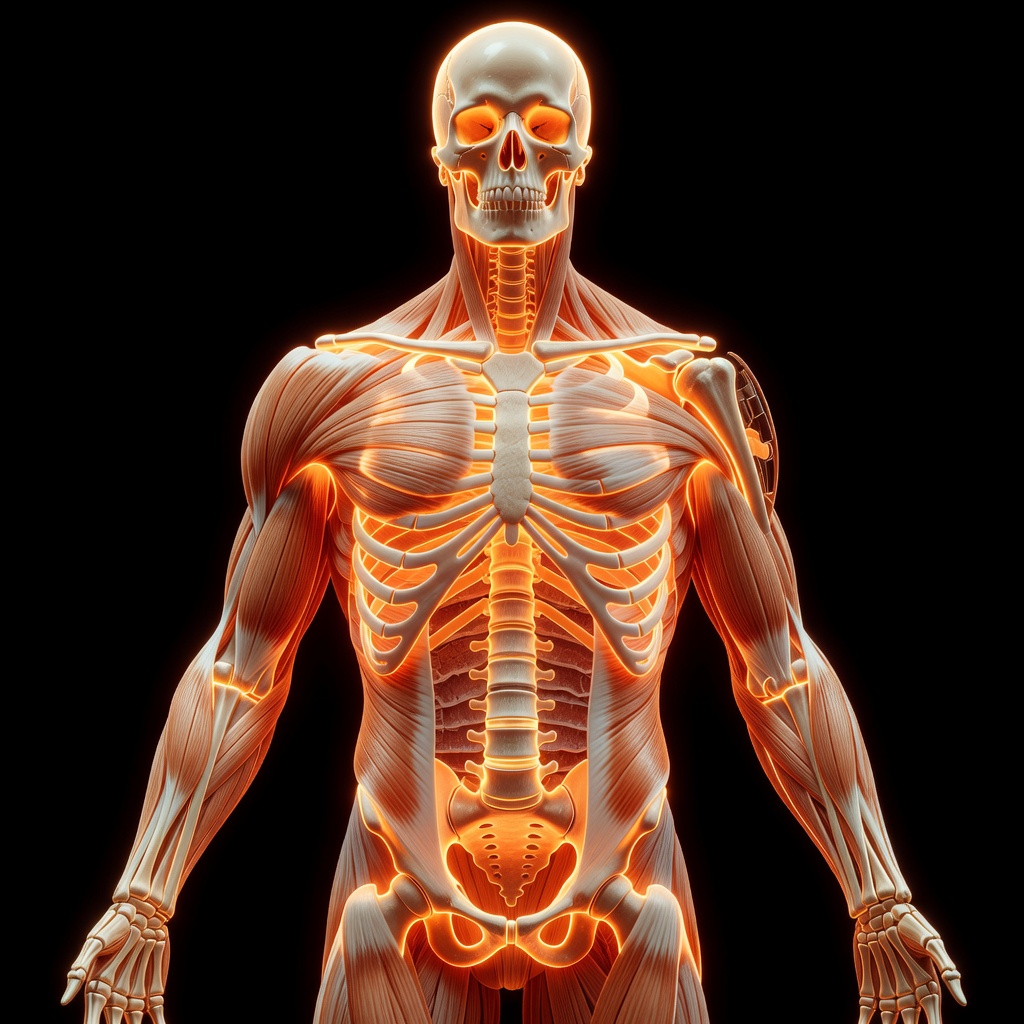
For decades, patients suffering from Myalgic Encephalomyelitis (ME) and Chronic Fatigue Syndrome (CFS) have been sidelined by a medical establishment that favoured psychosomatic explanations over biological reality. However, a revolutionary shift is occurring. At the forefront of this shift is the study of metabolomics—the "fingerprint" of small molecules left behind by cellular processes.
We are now beginning to understand that ME/CFS is not a disorder of "feeling tired," but a profound hypometabolic state. The body has effectively "dialled down" its energy production in a desperate attempt to survive a perceived threat. This article explores the biological mechanisms of this metabolic shutdown, the UK’s evolving role in this research, and how we can begin to address the cellular "trap" that keeps millions in the dark.
The Overview: Beyond Fatigue to Metabolic Failure
To understand ME/CFS, we must first abandon the term "fatigue." Fatigue is a symptom of a busy day; hypometabolism is a systemic biological collapse. Metabolomics is the study of metabolites—substances like amino acids, lipids, and sugars that are produced during metabolism. By analysing these, researchers have found a consistent "metabolomic fingerprint" in ME/CFS patients that mirrors a state known in biology as Dauer.
Key Fact: "Dauer" is a biological state of suspended animation or "hibernation" used by lower organisms to survive harsh environmental conditions. In ME/CFS, human cells appear to enter a similar defensive, low-energy mode.
When the body enters this state, it isn't because it is "broken" in the traditional sense, but because it is trying to protect itself. This is the Cell Danger Response (CDR). If the body perceives a threat—whether viral, chemical, or traumatic—and cannot resolve it, the mitochondria (our cellular powerhouses) switch from energy production to cellular defence. The result is a persistent hypometabolic state where the patient has the biological profile of someone in a state of starvation or hibernation, despite adequate caloric intake.
Biological Mechanisms: The Anatomy of a Shutdown
The "metabolomic fingerprint" of ME/CFS reveals specific abnormalities in how the body processes fuel. While a healthy body efficiently converts oxygen and nutrients into Adenosine Triphosphate (ATP), the ME/CFS body hits several "roadblocks."
1. Mitochondrial Dysfunction and the Krebs Cycle
The mitochondria are responsible for the Citric Acid Cycle (Krebs Cycle), the series of chemical reactions used to generate energy. Research indicates that in ME/CFS, there is a blockage in the entry points to this cycle. Instead of burning glucose or fatty acids efficiently, the body may struggle to utilise these primary fuels, leading to a reliance on "emergency" back-up systems that produce high levels of lactic acid.
2. Sphingolipid and Phospholipid Abnormalities
One of the most striking findings in metabolomic studies (notably by Dr Robert Naviaux) is the significant alteration in sphingolipids. These are essential components of cell membranes and signalling molecules. Low levels of these lipids are a hallmark of the hypometabolic "Dauer" state. When these levels drop, cellular communication breaks down, and the body’s ability to respond to internal and external stressors is severely compromised.
3. The Purine Metabolism Trap
Purines are building blocks of DNA and key signalling molecules (like ATP). In the hypometabolic fingerprint, purine metabolism is often depressed. This affects everything from immune function to neurological health. This "metabolic trap" suggests that the body is intentionally limiting the availability of these molecules to prevent "enemies" (like viruses) from replicating, but at the cost of the host’s vitality.
The UK Context: A Changing Landscape
In the United Kingdom, the narrative surrounding ME/CFS is undergoing a radical transformation. For years, the NICE guidelines (National Institute for Health and Care Excellence) recommended Graded Exercise Therapy (GET) and Cognitive Behavioural Therapy (CBT), based on the flawed "deconditioning" model.
Key Fact: In 2021, NICE officially scrapped GET, recognising that it could be harmful to patients. The focus has shifted from "pushing through" to "pacing" and biological investigation.
DecodeME: The World’s Largest Study
The UK is currently home to DecodeME, the world’s largest genetic study of ME/CFS. This project aims to identify the genetic markers that might predispose an individual to this hypometabolic state. By combining genetic data with metabolomic insights, UK researchers hope to finally provide a definitive diagnostic test—a "blood test for ME"—that has eluded the medical community for forty years.
The NHS Burden
With an estimated 250,000 people in the UK suffering from ME/CFS—a number now swelling due to Long COVID—the pressure on the NHS to move beyond "management" and toward "treatment" is immense. The recognition of the hypometabolic state is crucial for shifting NHS resources toward metabolic support rather than psychological interventions.
Environmental Factors: Triggers of the "Cell Danger Response"
If the hypometabolic state is a defensive reaction, what is the body defending itself against? The "metabolomic fingerprint" can often be traced back to environmental triggers that keep the Cell Danger Response in a "stuck" position.
- Viral and Bacterial Load: Post-viral fatigue is the most common precursor. Viruses like Epstein-Barr (EBV) or SARS-CoV-2 can hijack cellular machinery, triggering a permanent "defensive" posture in the mitochondria.
- Toxicants and Biotics: Exposure to mycotoxins (mould), heavy metals, or persistent organic pollutants can act as a "danger signal" to the cells.
- Microbiome Dysbiosis: The gut-brain axis plays a pivotal role. An imbalanced microbiome produces metabolites that can cross the blood-brain barrier, signaling the brain to maintain a state of "sickness behaviour."
- Physical or Emotional Trauma: Major stressors can prime the nervous system to remain in a sympathetic "fight or flight" state, which eventually leads to a metabolic "freeze" response to conserve resources.
Protective Strategies: Breaking the Hypometabolic Cycle
While there is currently no "cure" for the hypometabolic state, understanding the biology allows for more targeted strategies. The goal is to signal "safety" to the cells so they can exit the Cell Danger Response.
1. Radical Pacing and Energy Envelopes
The most vital strategy is avoiding Post-Exertional Malaise (PEM). Every time a patient pushes past their "energy envelope," they confirm to the body that it is under threat, reinforcing the hypometabolic state. Pacing is not just "resting"; it is a physiological necessity to prevent further metabolic damage.
2. Targeted Mitochondrial Support
While general multivitamins are often insufficient, specific nutrients can support the Krebs cycle:
- Coenzyme Q10 (CoQ10) and Ubiquinol: Essential for electron transport in the mitochondria.
- D-Ribose: A sugar molecule that helps rebuild ATP levels without spiking insulin.
- Acetyl-L-Carnitine: Aids the transport of fatty acids into the mitochondria for burning.
- Magnesium Malate: Magnesium is a cofactor for almost every reaction involving ATP.
3. Reducing the "Total Toxic Load"
To signal safety to the cells, one must reduce the triggers of the CDR. This includes:
- Improving air quality and checking for home mould.
- Eating an anti-inflammatory, nutrient-dense diet to reduce gut-derived inflammation.
- Optimising detoxification pathways (liver and kidney support).
4. Nervous System Regulation
The Vagus Nerve is the primary highway of the parasympathetic nervous system (the "rest and digest" system). Techniques like Heart Rate Variability (HRV) monitoring, breathwork, and cold-water therapy (used cautiously) can help shift the body out of a "danger" state and back into a "safety" state, potentially allowing metabolism to "reboot."
Key Takeaways: The Future of ME/CFS
The identification of the metabolomic fingerprint is the "smoking gun" that proves ME/CFS is a profound biological condition. We are moving away from the dark ages of psychosomatic medicine into a new era of metabolic precision.
Key Fact: ME/CFS is now being viewed by many researchers as a "block" in the transition between different stages of the Cell Danger Response, preventing the body from returning to normal homeostasis.
- The Fingerprint is Real: Metabolomic testing shows that ME/CFS patients have a distinct chemical signature involving low sphingolipids and purines.
- Dauer State: The body is not "lazy" or "deconditioned"; it is in a survival mode akin to hibernation.
- The UK Paradigm Shift: The removal of GET from NICE guidelines and the launch of DecodeME mark a turning point in British healthcare.
- Safety is Key: Recovery or improvement requires signalling biological safety to the cells through pacing, nutrition, and environmental management.
The path forward for INNERSTANDING is clear: we must continue to expose the truth of the biological mechanisms at play. By identifying the hypometabolic state, we validate the lived experience of millions and pave the way for treatments that address the root cause—the cellular machinery itself. The "metabolomic fingerprint" is more than just data; it is the evidence required to demand a better, more scientific future for the ME/CFS community.
This article is provided for informational and educational purposes only. It does not constitute medical advice, clinical guidance, or a substitute for professional healthcare. Information reflects cited research at time of publication. Always consult a qualified healthcare professional before acting on any health information.
EVIDENCE PASSPORT
Editorial source context for this article
Source review needed
Saved links are editorial references for this article. They may support specific claims rather than every sentence. Open and assess each source in context. This passport does not independently verify them.
Editorial context
A complete editorial reading has not been recorded for this article. Source links remain available for you to open and assess directly.
Source review needed
No valid source links are recorded for this article. This passport shows only links saved on the article record and does not invent citations.
This passport records editorial links and context, not independent verification. Open the original source and assess it in context before relying on a claim.
Medical Disclaimer
The information in this article is for educational purposes only and does not constitute medical advice, diagnosis, or treatment. Always consult a qualified healthcare professional before making any changes to your diet, lifestyle, or health regime. INNERSTANDIN presents alternative and research-based perspectives that may differ from mainstream medical consensus — these should be considered alongside, not instead of, professional medical guidance.
Read Full DisclaimerContinue the thread
Keep this question moving.
Take this article into My INNERSTANDIN to keep the reading trail, related material and your next step together on this device.