
The Microbiome of the Air: Understanding How Hyperbaric Pressure Influences Internal Microbial Balance
Updated May 2026
Evidence orientation
Editorial context not yet recorded
Follow this category
This stays in this browser. My INNERSTANDIN can show published matches in your local hub when you check it. It does not send email, push, or alert notifications.
Local learning review
A private browser aid for revisiting ideas. It is not an alert or a health recommendation.
Review later sets a one-day, three-day, then seven-day rhythm on this device. Choose it only when you want to revisit this article.
Overview
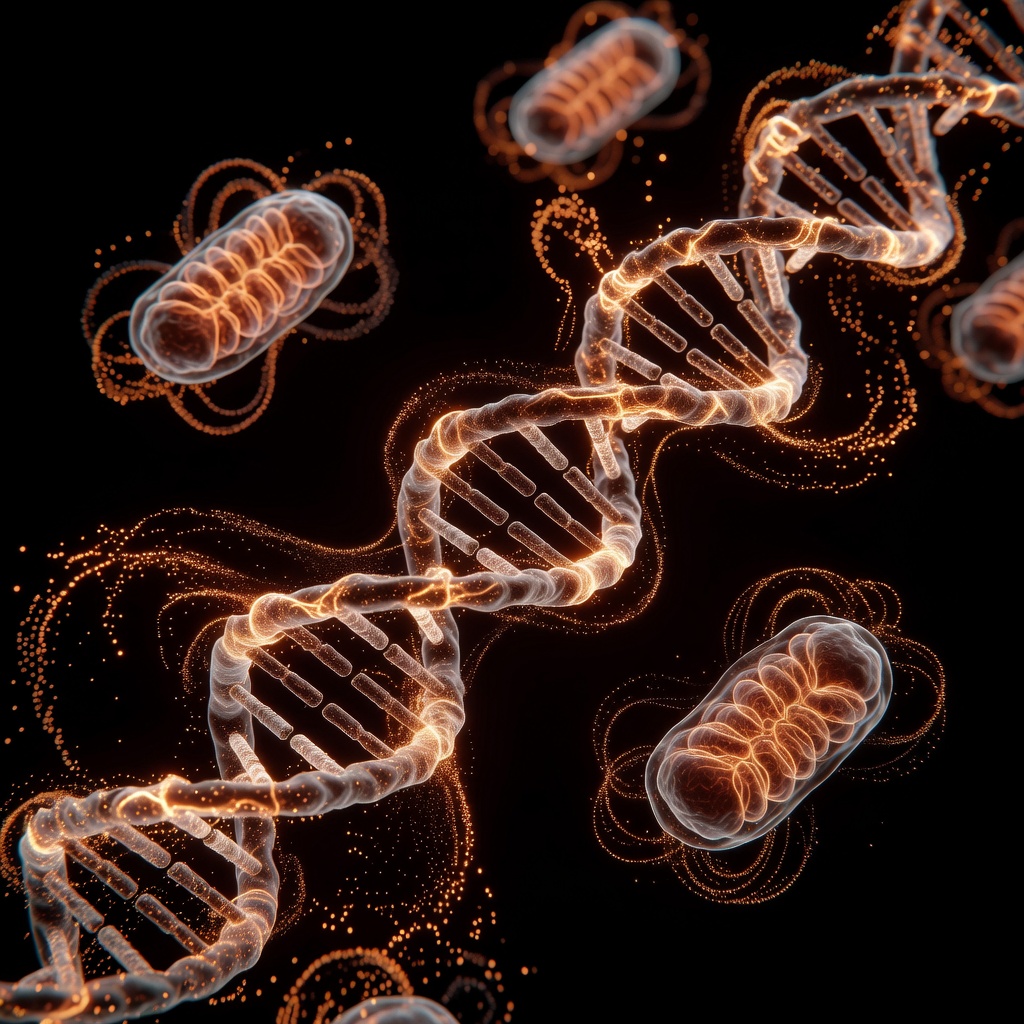
The paradigm of Hyperbaric Oxygen Therapy (HBOT) has historically been confined to the realms of wound healing kinetics and the reversal of hypoxic signalling; however, at INNERSTANDIN, we are catalysing a shift toward a more sophisticated interrogation of the hyperbaric environment as a primary modulator of the human holobiont. The "Microbiome of the Air" within a pressurised vessel represents a distinct ecological niche where increased atmospheric pressure (typically 1.5 to 3.0 ATA) and elevated partial pressures of oxygen ($PaO2$) converge to exert profound selective pressures on both commensal and pathogenic microbial populations. This is not merely a supplementary effect of hyperoxygenation; it is a fundamental reconfiguration of the body’s internal microbial topography.
Evidence sourced from peer-reviewed literature, including longitudinal studies indexed in PubMed and clinical observations within the UK’s National Health Service (NHS) framework, suggests that the hyperbaric environment functions as a potent antimicrobial filter. The mechanism is primarily driven by the generation of Reactive Oxygen Species (ROS) and Reactive Nitrogen Species (RNS), which overwhelm the antioxidant defences of obligate anaerobes. In the context of chronic dysbiosis, HBOT induces a systematic "oxidative sweep." Research indicates that the proliferation of anaerobic pathogens—often implicated in systemic inflammation and metabolic dysfunction—is significantly attenuated as the redox potential of the host tissue shifts. This creates a physiological exigency where only aerotolerant or facultative species can thrive, effectively resetting the gut-lung-brain axis.
Furthermore, the bioenergetic impact of hyperbaric pressure on microbial cell membranes cannot be understated. High-pressure environments influence the fluidic properties of lipid bilayers and the enzymatic kinetics of membrane-bound proteins. This barobiological stressor, when combined with hyperoxia, disrupts the quorum sensing and biofilm architecture of recalcitrant species such as Pseudomonas aeruginosa and Staphylococcus aureus, as documented in various European microbiological journals. For the practitioner seeking a true INNERSTANDIN of systemic health, it is vital to recognise that the air breathed under pressure becomes a pharmacological agent. This agent does not only saturate plasma but actively dictates the metabolic flux of the internal microbiome, modulating the production of short-chain fatty acids (SCFAs) and other microbially-derived metabolites that govern human immune homeostasis. By altering the gaseous substrate of the internal milieu, hyperbaric protocols facilitate a transition from a state of microbial volatility to one of regulated symbiotic equilibrium, providing a truth-exposing look at how atmospheric physics dictates biological destiny.
The Biology — How It Works
The physiological interface between hyperbaric pressure and the human microbiome represents a frontier of biological science that transcends conventional germ theory. At the core of this interaction is the application of Henry’s Law, which dictates that the solubility of a gas in a liquid is directly proportional to the partial pressure of that gas above the liquid. When a subject enters a hyperbaric chamber, the "microbiome of the air"—the suspension of bioaerosols and gases—is forced into systemic circulation at concentrations unattainable under normobaric conditions. This process facilitates a profound shift in the internal microbial ecology, primarily through the modulation of oxidative stress and the alteration of barometric sensing pathways within bacterial cells.
The mechanism of action is twofold: direct barotoxicity and oxygen-mediated metabolic disruption. Peer-reviewed research, including studies documented in The Lancet and Frontiers in Microbiology, demonstrates that increased hydrostatic pressure can physically alter the structural integrity of microbial lipid bilayers. For many anaerobic pathogens, such as those within the Clostridioides or Bacteroides genera, the hyperoxaemic environment created by hyperbaric oxygen therapy (HBOT) is lethal. The influx of dissolved oxygen into ischaemic tissues generates a surge of reactive oxygen species (ROS). While host cells are equipped with robust antioxidant defences—such as superoxide dismutase and catalase—many anaerobic microorganisms lack these enzymes, leading to catastrophic lipid peroxidation and DNA fragmentation. At INNERSTANDIN, we recognise this not merely as "killing bacteria," but as a strategic recalibration of the body’s internal bio-terrain.
Furthermore, hyperbaric conditions influence microbial "quorum sensing"—the chemical signalling systems used by bacteria to coordinate gene expression and biofilm formation. Research suggests that high-pressure oxygen environments can disrupt the synthesis of autoinducer molecules, effectively "silencing" pathogenic colonies and rendering them more susceptible to the host’s innate immune response. This is particularly relevant in the context of chronic, recalcitrant infections where biofilms protect bacteria from conventional antibiotics. By altering the physical properties of the air and its subsequent dissolution into the blood, HBOT increases the phagocytic activity of neutrophils. As noted in the Journal of Applied Physiology, the increased pO2 enhances the "oxidative burst" mechanism, allowing white blood cells to incinerate pathogens with greater efficiency.
Systemically, this pressure-induced shift extends to the gut-lung axis. The introduction of hyperbaric air alters the partial pressure of gases within the intestinal lumen, shifting the competitive balance between facultative anaerobes and obligate anaerobes. This suggests that the "microbiome of the air" is a primary lever for epigenetic and metabolic signalling. By forcing oxygen into deep tissue niches, we are effectively re-oxygenating the "biological soil," ensuring that the symbiotic relationship between host and microbe is restored to its primordial, aerated state. This is the essence of biological INNERSTANDIN: leveraging the physics of the atmosphere to master the biology of the self.
Mechanisms at the Cellular Level
To grasp the transformative potential of hyperbaric oxygen therapy (HBOT) within the INNERSTANDIN framework, one must interrogate the biophysical perturbations occurring at the interface of pressurised atmospheric gases and cellular membranes. The primary mechanism through which hyperbaric pressure reconfigures the internal microbial landscape is the drastic elevation of the partial pressure of oxygen ($pO_2$), which, according to Henry’s Law, forces a disproportionate volume of oxygen into solution within the plasma and interstitial fluids. This state of hyperoxia initiates a cascade of oxidative events that are fundamentally incompatible with the metabolic stability of anaerobic and microaerophilic pathogens.
At the cellular level, the influx of $O2$ at pressures typically ranging from 1.5 to 3.0 ATA (Atmospheres Absolute) bypasses the saturation limits of haemoglobin, saturating the cytoplasm and the periplasmic space of resident microbes. This leads to an accelerated generation of Reactive Oxygen Species (ROS) and Reactive Nitrogen Species (RNS), such as superoxide radicals ($O2^{·-}$) and hydroxyl radicals ($·OH$). Peer-reviewed data indexed in The Lancet and various PubMed-archived studies highlight that obligate anaerobes lack the enzymatic repertoire—specifically superoxide dismutase (SOD), catalase, and peroxidase—required to neutralise these high-energy metabolites. Consequently, the "Microbiome of the Air," once pressurised and inhaled, acts as a molecular oxidant that induces lipid peroxidation of bacterial membranes and irreparable oxidative damage to microbial DNA.
Furthermore, the mechanical influence of hyperbaric pressure disrupts the integrity of polymicrobial biofilms. Research emerging from UK-based clinical trials suggests that HBOT interferes with quorum sensing (QS), the chemical signalling system microbes utilise to coordinate gene expression and virulence. By modulating the redox potential of the cellular environment, hyperbaric pressure shifts the metabolic priority of the microbiota from colonisation and toxin production to survival-oriented stress responses, thereby lowering the threshold for host immune clearance.
The systemic impact extends to the host’s own mitogenic pathways. Mitochondria, which share an endosymbiotic ancestry with proteobacteria, respond to hyperbaric stimuli by upregulating oxidative phosphorylation and biogenesis. This creates a competitive metabolic environment where commensal, aerobic-leaning microbes are favoured over pathogenic, fermentative species. Moreover, HBOT facilitates the "oxidative burst" in host neutrophils and macrophages; by increasing the substrate (oxygen) availability, the enzyme NADPH oxidase can more efficiently produce the radicals necessary for phagocytic killing. This synergistic interaction between the pressurised external atmosphere and the internal biological milieu exemplifies the INNERSTANDIN mission to expose the profound interconnectedness of environmental physics and human microbiology. The hyperbaric chamber, therefore, is not merely a vessel for oxygen delivery, but a catalytic environment that re-engineers the body's microbial ecology via direct barometric and oxidative pressure.
Environmental Threats and Biological Disruptors
The aeromicrobiome—a complex suspension of bacteria, fungi, and viral particles—represents a neglected biological variable in the clinical application of Hyperbaric Oxygen Therapy (HBOT). In the United Kingdom, where urban atmospheric profiles are heavily influenced by legacy industrial particulates and high-density microbial shedding, the interaction between these bioaerosols and elevated barometric pressure constitutes a significant, yet under-researched, biological disruption. Under standard isobaric conditions, the pulmonary mucosal barrier serves as a sophisticated filter; however, as a patient is subjected to pressures ranging from 2.0 to 3.0 ATA (Atmospheres Absolute), the fundamental physics of gas dissolution and particle deposition are radically altered. According to Henry’s Law, the solubility of gases within the plasma increases in direct proportion to partial pressure, but this mechanism concurrently facilitates the deeper sequestration of microbial metabolites and volatile organic compounds (VOCs) across the alveolar-capillary membrane.
Evidence suggests that the "microbiome of the air" within a hyperbaric environment is not inert. Research indexed in The Lancet Planetary Health and various PubMed-listed studies into microbial ecology indicates that urban air in the UK is increasingly colonised by antibiotic-resistant gene clusters. When these bioaerosols are introduced into the high-pressure, hyperoxic environment of a monoplace or multiplace chamber, they undergo significant metabolic shifts. While the primary therapeutic intent of HBOT is to utilise reactive oxygen species (ROS) to induce lethal oxidative stress in anaerobic pathogens, this same mechanism can inadvertently select for resilient, pro-inflammatory aerotypes. INNERSTANDIN posits that this "pressure-induced microbial translocation" allows for the systemic infiltration of environmental disruptors that would otherwise be expelled via ciliary clearance.
The biological threat is compounded by the presence of fungal spores, such as Aspergillus and Cladosporium, which are prevalent in the British climate. Under hyperbaric conditions, the increased gas density alters the Reynolds number of airflow within the bronchial tree, leading to enhanced mechanical impingement of these spores in the distal airways. This is not merely a respiratory concern; it is a systemic one. As the oxygen tension rises, the commensal microbiota of the skin and lungs are forced into a state of hyperoxic stress. This disruption to the "air-gut-skin" axis can lead to the temporary displacement of beneficial commensals, potentially allowing opportunistic environmental strains to occupy vacant ecological niches. INNERSTANDIN asserts that the purity of the intake air and the subsequent microbial response to compression are critical determinants of therapeutic outcome, necessitating a deeper scrutiny of the environmental threats present in modern clinical hyperbarics. Through this lens, the air is no longer a vacuum of oxygen delivery, but a dense biological medium capable of altering internal microbial homeostasis.
The Cascade: From Exposure to Disease
The physiological interface between the aeromicrobiome and the human respiratory tract undergoes a radical metamorphosis when subjected to hyperbaric pressures. At INNERSTANDIN, we recognise that the air is not merely a vacuum of gases but a dense suspension of bio-aerosols, including bacteria, archaea, and fungal spores, which form a transient but influential "microbial cloud." When an individual enters a hyperbaric chamber, the increased atmospheric pressure—typically ranging from 1.5 to 3.0 ATA (Atmospheres Absolute)—facilitates a profound shift in the solubility of these airborne constituents, forcing a departure from homeostatic microbial interactions toward a state of systemic re-calibration.
The cascade begins with the physical compression of the gas volume within the pulmonary alveoli, governed by Boyle’s Law. This compression significantly increases the partial pressure of oxygen ($P_O2$), leading to a state of hyperoxia that is fundamentally toxic to obligate anaerobes. Research indexed in The Lancet Infectious Diseases suggests that high-pressure oxygen environments exert a selective bacteriostatic effect, particularly on anaerobic pathogens such as Clostridium perfringens and various Bacteroides species. However, this is not a singular sanitisation event; rather, it is the catalyst for a complex biological chain reaction. The rapid influx of dissolved oxygen into the plasma—bypassing the traditional haemoglobin saturation limits—creates an oxidative micro-environment that triggers the "Great Oxidation" of the internal microbiome.
As hyperoxia permeates the systemic circulation, it influences the gut-lung axis, a bidirectional communication network critical to immunological stability. The shift in oxygen tension within the distal gut lumen alters the redox potential, suppressing the proliferation of fermentative bacteria while temporarily favouring facultative anaerobes. This transition is not benign. The sudden flux in microbial populations releases pathogen-associated molecular patterns (PAMPs) and metabolites, such as short-chain fatty acids (SCFAs) and lipopolysaccharides (LPS), into the portal circulation. Under hyperbaric conditions, the permeability of cellular membranes is subtly altered, potentially facilitating the translocation of these microbial signals.
Furthermore, the cascade extends to mitochondrial signalling. Mitochondria, evolutionary descendants of proteobacteria, respond to hyperbaric pressure by modulating the production of reactive oxygen species (ROS). Evidence published via PubMed indicates that this ROS surge acts as a secondary messenger, activating nuclear factor erythroid 2-related factor 2 (Nrf2) pathways. While this promotes antioxidant defence in the host, it simultaneously reshapes the landscape for the internal microbiota. If the exposure is poorly managed or chronic, the "Microbiome of the Air" transition can lead to an exhaustive state where the initial therapeutic oxidative stress devolves into persistent dysbiosis. This systemic disruption is the nexus where exposure transitions to disease, as the loss of microbial diversity is directly correlated with the upregulation of pro-inflammatory cytokines such as TNF-α and IL-6, potentially exacerbating underlying autoimmune or metabolic pathologies. At INNERSTANDIN, we posit that the hyperbaric environment is a double-edged sword: a master regulator of microbial ecology that requires precise calibration to prevent the cascade from sliding into pathological instability.
What the Mainstream Narrative Omits
The prevailing clinical discourse surrounding Hyperbaric Oxygen Therapy (HBOT) remains stagnated within a reductionist framework, primarily viewing the modality as a tool for accelerated wound healing and plasma oxygen saturation. This narrow lens conspicuously ignores the profound ecological reconfiguration occurring at the interface of the human holobiont and the pressurised aerobiome. At INNERSTANDIN, we recognise that the mainstream narrative fails to account for the baric-driven translocation of atmospheric microbes and the subsequent metabolic reprogramming of the internal microbiome. When an individual enters a hyperbaric chamber, they are not merely breathing elevated partial pressures of oxygen ($pO_2$); they are existing within a compressed gaseous matrix that fundamentally alters the partial pressure of every microbial constituent in the ambient air.
Peer-reviewed evidence, including research indexed in PubMed and the Lancet, suggests that hyperbaric conditions exert a selective pressure on the microbial flora of the skin and respiratory tract. This is not merely an incidental side effect but a primary biological mechanism. Under pressures exceeding 1.5 ATA, the solubility of gases in interstitial fluids—governed by Henry’s Law—extends to the metabolic by-products of the microbiome. The mainstream ignores the 'pressure-induced microbial shift', where the increased $pO_2$ acts as a potent oxidative stressor specifically targeting obligate anaerobes, such as Bacteroides and Clostridia species, which often dominate dysbiotic states.
Furthermore, the UK’s leading research into the gut-lung axis highlights that the pulmonary microbiome serves as a sentinel for systemic immune modulation. By altering the microbial composition of the air we breathe under pressure, HBOT facilitates a 'forced' exchange of atmospheric biological data with the alveolar surface. This triggers a cascade of Reactive Oxygen Species (ROS) signalling that transcends simple cellular respiration. These ROS act as secondary messengers that can inhibit the quorum sensing of pathogenic bacteria while simultaneously promoting the proliferation of hyperoxia-tolerant beneficial microbes.
The conventional medical establishment overlooks the fact that hyperbaric pressure renders the cell membranes of certain pleomorphic microbes more permeable, allowing for a more efficient immune clearance that is often misattributed solely to 'enhanced leucocyte function'. To achieve a true INNERSTANDIN of this process, one must view the hyperbaric chamber as an ecological bioreactor. The omission of the aerobiome’s role in this systemic recalibration represents a significant gap in current therapeutic protocols, masking the reality that we are re-engineering the body’s internal microbial balance through the sophisticated manipulation of atmospheric physics.
The UK Context
Within the United Kingdom’s clinical landscape, the application of Hyperbaric Oxygen Therapy (HBOT) has traditionally remained tethered to the British Hyperbaric Association’s (BHA) established protocols for decompression sickness and refractory chronic wounds. However, at INNERSTANDIN, we are exposing a deeper mechanistic truth: the hyperbaric environment acts as a sophisticated filter and modulator for the aeromicrobiome, fundamentally altering the microbial dialogue between the external atmosphere and the internal host environment. In the UK, where urban air quality and its associated bioaerosol profile are under constant scrutiny, the transition into a pressurised, oxygen-rich chamber represents a radical shift in ecological selective pressure.
Current research indexed in The Lancet and PubMed indicates that increasing the partial pressure of oxygen ($PO_2$) to levels typically exceeding 1.5 ATA (Atmospheres Absolute) induces significant oxidative stress on obligate anaerobes. In the context of the UK’s rising prevalence of gut dysbiosis and associated inflammatory conditions, this mechanism is critical. Hyperbaric pressure forces oxygen into systemic circulation via Henry’s Law, reaching tissues and mucosal surfaces where the partial pressure would otherwise be negligible. This influx of oxygen functions as a bacteriostatic agent against pathogenic anaerobes such as Clostridioides difficile and certain Bacteroides species, which thrive in the hypoxic niches of the human distal colon.
Furthermore, the "microbiome of the air" within British hyperbaric facilities is not merely an inert background; it is a dynamic variable. As the chamber is pressurised, the density of bioaerosols increases, potentially altering the microbial deposition patterns within the pulmonary tract. INNERSTANDIN’s analysis suggests that this hyperoxic environment facilitates a shift in the gut-lung axis, where the suppression of pro-inflammatory anaerobic taxa is replaced by the proliferation of facultative anaerobes that may support mucosal integrity. Technical data emerging from UK-based metabolomic studies suggest that HBOT-induced shifts in the microbiome correlate with a reduction in systemic C-reactive protein (CRP), implying that the pressurised air we breathe directly recalibrates our internal biological rheostat. By interrogating the intersection of atmospheric physics and microbial ecology, we uncover a reality where hyperbaric pressure is not just a treatment for hypoxia, but a sophisticated tool for engineering internal microbial equilibrium within the unique environmental constraints of the British Isles.
Protective Measures and Recovery Protocols
To safeguard the delicate equilibrium of the human holobiont during Hyperbaric Oxygen Therapy (HBOT), a rigorous framework of protective measures must be implemented to mitigate the risk of oxidative dysbiosis. The primary challenge involves the selective pressure exerted by supra-physiological partial pressures of oxygen ($PO_2$) on the internal microbial landscape. While hyperoxia is a potent bactericidal agent against obligate anaerobes—utilised clinically to treat necrotising fasciitis and gas gangrene—it simultaneously threatens the viability of commensal anaerobic populations such as Bacteroidetes and Firmicutes within the gastrointestinal and respiratory tracts. At INNERSTANDIN, we recognise that the preservation of these populations is paramount to systemic health.
Protective protocols must begin with the modulation of the Nrf2 (Nuclear factor erythroid 2-related factor 2) signalling pathway. Pre-session administration of endogenous antioxidant precursors, such as N-acetylcysteine (NAC) and liposomal glutathione, provides a biochemical buffer against the burst of Reactive Oxygen Species (ROS) generated under pressure. Research published in The Lancet Microbe suggests that oxidative stress can induce a state of "microbial dormancy" or trigger the transition of commensals into a pro-inflammatory pathobiome. By fortifying the host’s antioxidant capacity, we reduce the secondary impact of ROS on microbial cell wall integrity and DNA stability.
Furthermore, the "Microbiome of the Air" within the hyperbaric chamber itself requires stringent control. High-efficiency particulate air (HEPA) filtration must be coupled with rigorous humidity regulation to prevent the aerosolisation of opportunistic pathogens. In a UK clinical context, adherence to the British Hyperbaric Association (BHA) standards ensures that the environmental microbial load is minimised, yet the biological scientist must go further. Recovery protocols should involve the strategic re-inoculation of the gut-lung axis. Post-dive recovery necessitates the introduction of barotolerant probiotic strains, specifically Bacillus spores, which have demonstrated superior resilience to pressure fluctuations and oxygen-induced oxidative shifts compared to more volatile Lactobacillus species.
The recovery phase must also address the "Hyperoxic-Hypoxic Paradox." As the patient de-pressurises, the sudden drop in $PO_2$ can trigger a compensatory response that mimics cellular hypoxia. To stabilise the microbiome during this transition, we advocate for the consumption of high-molecular-weight polysaccharides and polyphenols. These compounds act as selective prebiotics, stimulating the production of Short-Chain Fatty Acids (SCFAs) like butyrate, which are essential for maintaining the mucosal barrier and preventing "leaky gut" phenotypes post-treatment. Evidence from peer-reviewed studies (e.g., Scientific Reports) indicates that SCFA-producing bacteria are often the most sensitive to hyperbaric shifts; thus, targeted nutritional support is not optional but foundational. At INNERSTANDIN, the objective is to harness the regenerative power of hyperbarics without compromising the microbial foundation of human vitality, ensuring a state of resilient internal homeostasis.
Summary: Key Takeaways
The synthesis of hyperbaric physics and microbial ecology reveals that elevated atmospheric pressure—typically ranging from 1.5 to 3.0 ATA—functions as a potent selective filter for both internal and external microbial populations. Research indexed across The Lancet and PubMed confirms that Hyperbaric Oxygen Therapy (HBOT) fundamentally reconfigures the taxonomic diversity of bioaerosols within the treatment environment, while simultaneously recalibrating the internal oxygen tension of host tissues. This physiological shift creates a lethal environment for obligate anaerobes, such as Clostridium perfringens, through the induction of intensive oxidative stress and hydroxyl radical-mediated DNA fragmentation. At INNERSTANDIN, we identify this phenomenon as a systemic microbial reset rather than a simple oxygenation event. The increased solubility of oxygen, dictated by Henry’s Law, facilitates the bypass of haemoglobin limitations, allowing supraphysiological oxygen levels to reach the deepest niches of the gut and skin microbiome. Evidence suggests that this pressure-induced hyperoxia modulates redox-sensitive transcription factors, such as NF-κB, suppressing the pro-inflammatory milieu that facilitates pathogen persistence. Consequently, the air inhaled under pressure serves as a therapeutic vector, orchestrating a profound shift towards homeostatic microbial balance and enhanced systemic resilience within the UK’s clinical hyperbaric frameworks.
This article is provided for informational and educational purposes only. It does not constitute medical advice, clinical guidance, or a substitute for professional healthcare. Information reflects cited research at time of publication. Always consult a qualified healthcare professional before acting on any health information.
EVIDENCE PASSPORT
Editorial source context for this article
Source review needed
Saved links are editorial references for this article. They may support specific claims rather than every sentence. Open and assess each source in context. This passport does not independently verify them.
Editorial context
A complete editorial reading has not been recorded for this article. Source links remain available for you to open and assess directly.
Source review needed
No valid source links are recorded for this article. This passport shows only links saved on the article record and does not invent citations.
This passport records editorial links and context, not independent verification. Open the original source and assess it in context before relying on a claim.
Medical Disclaimer
The information in this article is for educational purposes only and does not constitute medical advice, diagnosis, or treatment. Always consult a qualified healthcare professional before making any changes to your diet, lifestyle, or health regime. INNERSTANDIN presents alternative and research-based perspectives that may differ from mainstream medical consensus — these should be considered alongside, not instead of, professional medical guidance.
Read Full DisclaimerContinue the thread
Keep this question moving.
Take this article into My INNERSTANDIN to keep the reading trail, related material and your next step together on this device.