The Multi-Systemic Erosion of Homeostasis Linked to Cumulative Diagnostic Delays in Oncology
Discuss this resourceUpdated August 2026
An exploration of how diagnostic waiting times within the NHS lead to systemic physiological degradation, examining the biological consequences of delaying oncological intervention beyond initial symptomatic presentation.
Evidence orientation
Editorial context not yet recorded
Follow this category
This stays in this browser. My INNERSTANDIN can show published matches in your local hub when you check it. It does not send email, push, or alert notifications.
Local learning review
A private browser aid for revisiting ideas. It is not an alert or a health recommendation.
Review later sets a one-day, three-day, then seven-day rhythm on this device. Choose it only when you want to revisit this article.
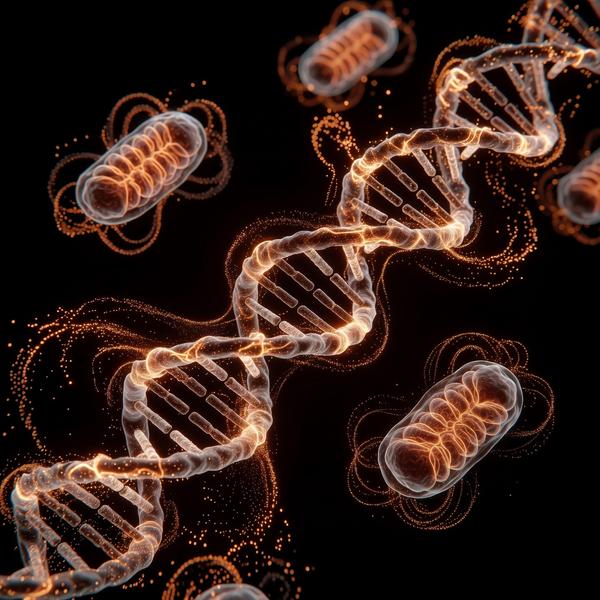
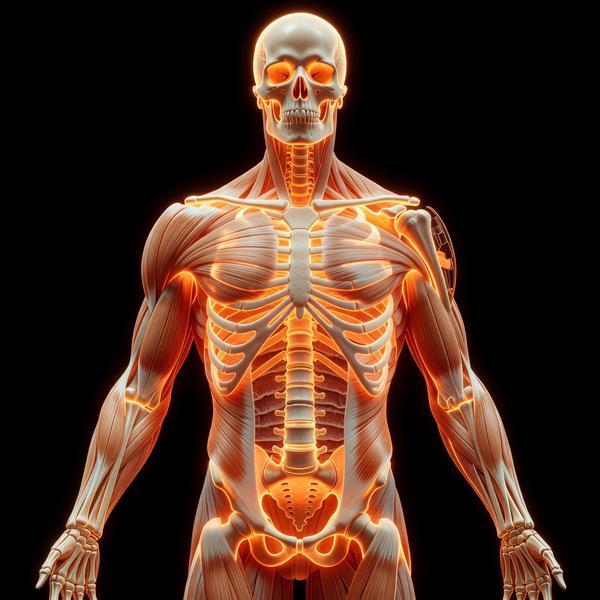
Introduction: The Biological Cost of Waiting. In the landscape of modern medicine, the 'time-to-treatment' interval is often viewed through the narrow lens of administrative efficiency. However, for oncology patients within the NHS, this interval represents a period of cumulative biological erosion. Homeostasis, the body's self-regulating process to maintain internal stability, is significantly compromised when malignancy is allowed to progress unchecked. This article examines the multi-systemic physiological impact of diagnostic delays. ### The Progressive Dysregulation of Homeostasis.
Oncological progression is not a static state; it is a metabolic and systemic drain. When a tumour is allowed to proliferate due to waiting lists, it shifts the body's internal environment toward a state of chronic inflammation. This is characterized by the sustained release of pro-inflammatory cytokines, which disrupt the hypothalamic-pituitary-adrenal (HPA) axis. The result is a persistent stress response that depletes cellular energy reserves and alters systemic metabolism, effectively 'taxing' the body's vitality before treatment even begins. ### Immune System Exhaustion and Micro-Environmental Niche. A critical aspect of delayed intervention is the exhaustion of the host immune system.
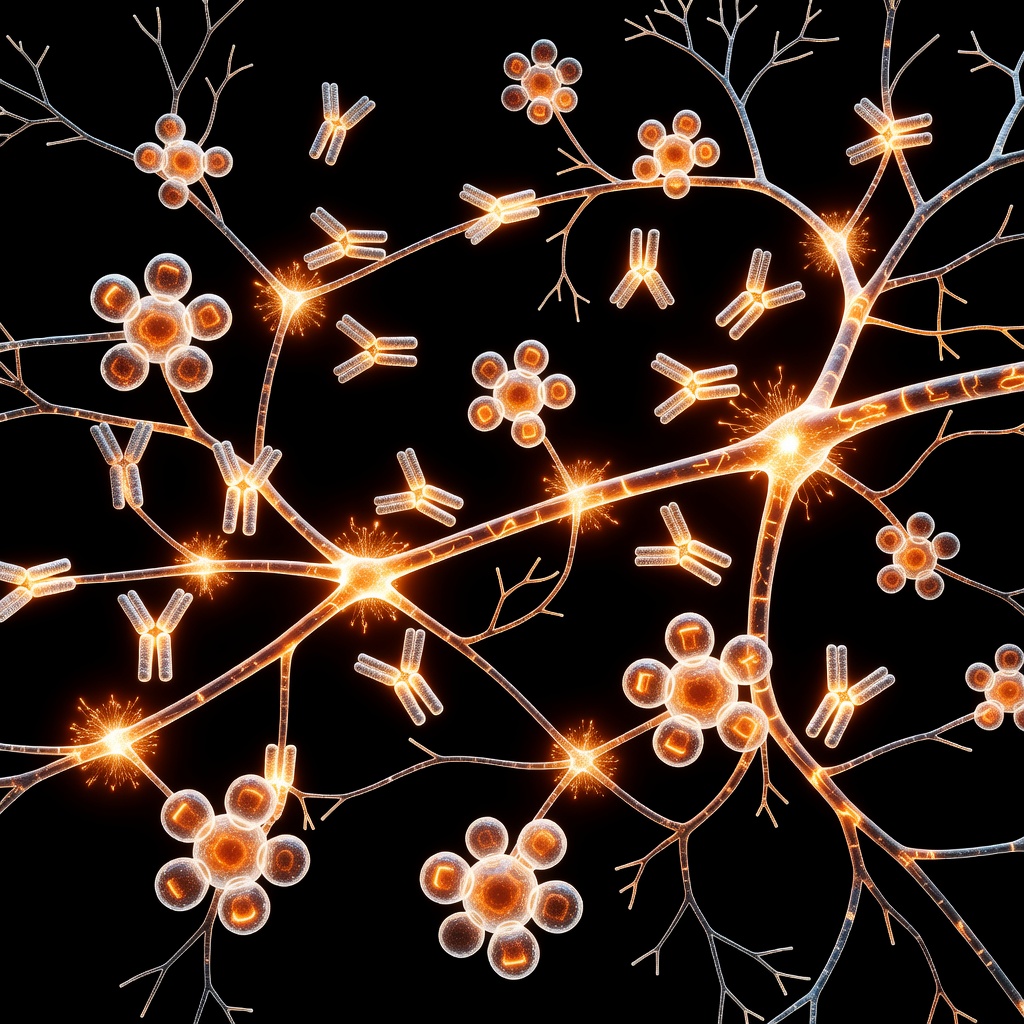
The persistent presence of malignant cells induces an immunosuppressive micro-environment. As diagnostic delays extend, the body’s innate ability to identify and neutralize aberrant cell growth diminishes. By the time a diagnostic 'tick-box' is met, the patient is often entering treatment with an already fatigued immune repertoire, which inherently compromises the efficacy of subsequent chemotherapy or immunotherapy. ### The Psychoneuroimmunological Impact. The anxiety associated with 'waiting for the letter' is not merely psychological; it is a profound psychoneuroimmunological stressor. Chronic anticipation of a diagnosis elevates cortisol levels, which, over prolonged periods, can suppress T-cell proliferation and impede tissue repair mechanisms.
This feedback loop creates a hostile terrain for the patient, where the physiological stress of the wait actively accelerates the systemic decline of the patient's well-being. ### Conclusion: Reimagining the Diagnostic Pathway. The erosion of homeostasis is an invisible casualty of NHS waiting lists. Addressing this requires moving beyond statistical benchmarks and acknowledging the biological reality of time. To improve outcomes, the system must prioritize the 'diagnostic-to-treatment' window as a critical phase where physiological preservation is as vital as the eventual oncological intervention itself.
This article is provided for informational and educational purposes only. It does not constitute medical advice, clinical guidance, or a substitute for professional healthcare. Information reflects cited research at time of publication. Always consult a qualified healthcare professional before acting on any health information.
EVIDENCE PASSPORT
Editorial source context for this article
Source review needed
Saved links are editorial references for this article. They may support specific claims rather than every sentence. Open and assess each source in context. This passport does not independently verify them.
Editorial context
A complete editorial reading has not been recorded for this article, and no source links are saved on its record.
Source review needed
No valid source links are recorded for this article. Supplementary research, where available, is listed separately below.
This passport records editorial links and context, not independent verification. Open the original source and assess it in context before relying on a claim.
Medical Disclaimer
The information in this article is for educational purposes only and does not constitute medical advice, diagnosis, or treatment. Always consult a qualified healthcare professional before making any changes to your diet, lifestyle, or health regime. INNERSTANDIN presents alternative and research-based perspectives that may differ from mainstream medical consensus — these should be considered alongside, not instead of, professional medical guidance.
Read Full DisclaimerContinue the thread
Keep this question moving.
Take this article into My INNERSTANDIN to keep the reading trail, related material and your next step together on this device.
RABBIT HOLE
Follow the biological thread deeper