Beyond the Queue: How Prolonged Cortisol Elevation in Waiting Patients Drives Systemic Metabolic Dysfunction
Discuss this resourceUpdated August 2026
This article explores the physiological impact of chronic stress caused by medical uncertainty and NHS waiting lists, specifically focusing on how sustained cortisol levels precipitate metabolic decline.
Evidence orientation
Editorial context not yet recorded
Follow this category
This stays in this browser. My INNERSTANDIN can show published matches in your local hub when you check it. It does not send email, push, or alert notifications.
Local learning review
A private browser aid for revisiting ideas. It is not an alert or a health recommendation.
Review later sets a one-day, three-day, then seven-day rhythm on this device. Choose it only when you want to revisit this article.
The Invisible Pathology of the Waiting Room
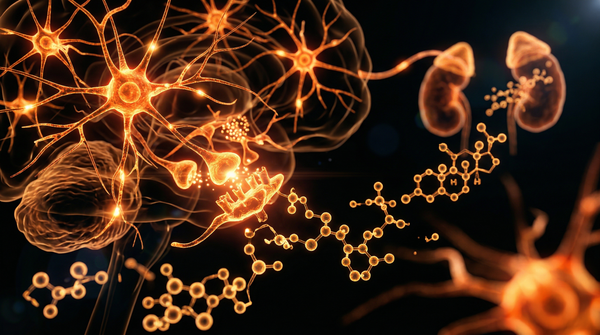
For many patients within the UK healthcare system, the 'waiting list' is not merely a bureaucratic placeholder; it is a profound biological stressor. While public discourse focuses on the administrative strain of the NHS, an emerging body of research suggests that the psychological burden of uncertainty induces a state of chronic physiological arousal. This state, driven by the HPA axis (hypothalamic-pituitary-adrenal axis), has cascading effects that often exacerbate the very conditions patients are waiting to treat.
The Cortisol Cascade
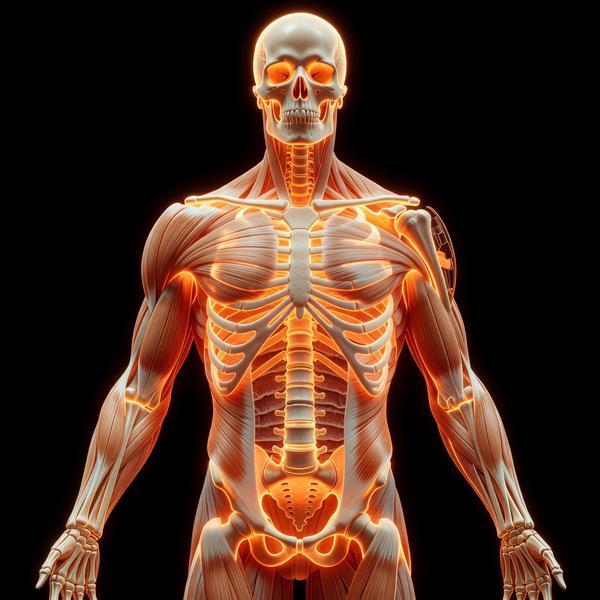
When a patient faces a prolonged diagnosis delay or an indefinite wait for elective surgery, the body perceives this as a sustained threat. In response, the adrenal glands continuously secrete cortisol. While cortisol is essential for acute stress management, its prolonged elevation—hypercortisolism—acts as a systemic disruptor. It shifts the body away from restorative processes (anabolism) and into a state of chronic mobilization (catabolism).
Metabolic Dysfunction: The Hidden Toll
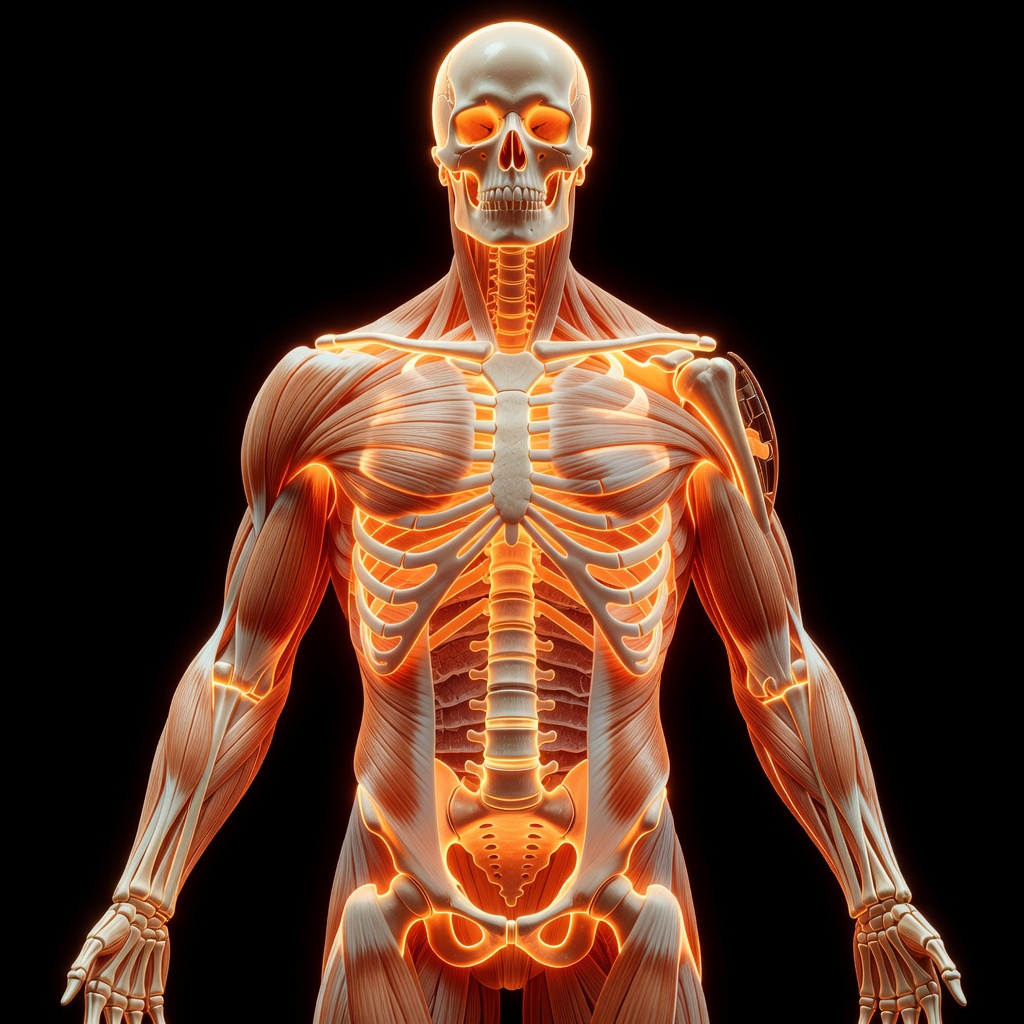
Sustained cortisol elevation directly antagonizes insulin sensitivity. By promoting gluconeogenesis in the liver and inhibiting peripheral glucose uptake, chronic stress creates a 'pseudo-diabetic' state. Patients often find themselves experiencing unexplained weight gain, particularly in the visceral adiposity region, and increased systemic inflammation. This metabolic shift is not just a side effect; it is a fundamental degradation of the body's homeostatic integrity. Over months of waiting, this can manifest as hypertension, dyslipidemia, and fatigue, effectively worsening the patient's baseline health status before their clinical intervention even begins.
The Root Cause: Systemic Allostatic Load
This phenomenon is best understood through the lens of allostatic load—the 'wear and tear' on the body. When the wait for care exceeds the body’s capacity to buffer stress, metabolic markers begin to drift outside of optimal ranges. We are witnessing a clinical paradox: the system intended to restore health is, through its inefficiency, inducing a state of systemic disease.
Moving Toward Integrated Care
Addressing this requires a paradigm shift. We must view 'waiting' as an active health risk factor. Providing patients with metabolic support, nutritional guidance, and stress-modulation resources while they wait could serve as a 'prehabilitation' strategy to mitigate the damage caused by chronic cortisol elevation. Understanding the root cause of this decline—the HPA axis activation—is the first step toward a more holistic approach to public health.
This article is provided for informational and educational purposes only. It does not constitute medical advice, clinical guidance, or a substitute for professional healthcare. Information reflects cited research at time of publication. Always consult a qualified healthcare professional before acting on any health information.
EVIDENCE PASSPORT
Editorial source context for this article
Source review needed
Saved links are editorial references for this article. They may support specific claims rather than every sentence. Open and assess each source in context. This passport does not independently verify them.
Editorial context
A complete editorial reading has not been recorded for this article, and no source links are saved on its record.
Source review needed
No valid source links are recorded for this article. Supplementary research, where available, is listed separately below.
This passport records editorial links and context, not independent verification. Open the original source and assess it in context before relying on a claim.
Medical Disclaimer
The information in this article is for educational purposes only and does not constitute medical advice, diagnosis, or treatment. Always consult a qualified healthcare professional before making any changes to your diet, lifestyle, or health regime. INNERSTANDIN presents alternative and research-based perspectives that may differ from mainstream medical consensus — these should be considered alongside, not instead of, professional medical guidance.
Read Full DisclaimerContinue the thread
Keep this question moving.
Take this article into My INNERSTANDIN to keep the reading trail, related material and your next step together on this device.
RABBIT HOLE
Follow the biological thread deeper