
The Neurotoxicological Effects of Isocyanates in Polyurethane Foam Bedding During Nocturnal Respiration
A comprehensive analysis of how polyurethane mattress components, specifically isocyanates, contribute to neurotoxicological risk through nocturnal inhalation, examining the mechanisms of chemical off-gassing and their systemic impacts on brain health.

# The Silent Off-Gassing: Understanding Isocyanates in the Sleep Environment ## Introduction: The Modern Sleep Paradox At INNERSTANDING, our mission is to peel back the layers of conventional health narratives to reveal the root causes of systemic dysfunction. One of the most overlooked variables in the human health equation is the immediate environment in which we spend a third of our lives: our bedding. While the 'mattress revolution' has popularized memory foam and polyurethane materials for their comfort and pressure-relieving properties, it has simultaneously introduced a complex array of industrial chemicals into the domestic sphere. Central to this concern are isocyanates—highly reactive, low-molecular-weight compounds used in the synthesis of polyurethane foam. ## The Chemistry of Polyurethane Polyurethane foam is created through a chemical reaction between polyols and diisocyanates, most commonly Toluene Diisocyanate (TDI) or Methylene Diphenyl Diisocyanate (MDI). In an ideal industrial scenario, these chemicals react completely to form an inert polymer.
However, the reality of mass-market manufacturing often leaves 'unreacted' monomers or residual isocyanate groups trapped within the foam matrix. As the mattress ages, or as it is subjected to the kinetic energy of a sleeping body, these chemicals are released through a process known as off-gassing. Unlike the strong 'new car smell' that dissipates quickly, low-level off-gassing of volatile organic compounds (VOCs) can persist for years. ## Nocturnal Respiration: The Primary Exposure Route Why is this particularly concerning during sleep? The answer lies in the physics of the sleeping environment. When we sleep, our faces are often mere inches from the mattress surface.
We are essentially breathing within a concentrated micro-cloud of the bedding's emissions. Furthermore, the heat generated by the human body acts as a catalyst, increasing the kinetic energy of chemical molecules and accelerating the rate of off-gassing. This 'nocturnal respiration' represents a unique exposure profile: a consistent, long-duration, low-dose inhalation of potentially toxic compounds during a biological window where the body should be focused on repair and detoxification. ## Isocyanates and the Neurotoxic Pathway Isocyanates are well-documented respiratory sensitizers, but their neurotoxicological potential is an emerging field of vital importance. Once inhaled, isocyanates can cross the alveolar-capillary membrane and enter the systemic circulation. Their high reactivity allows them to bind with albumin and other blood proteins, forming isocyanate-adducts.
Research suggests that these compounds can influence the central nervous system (CNS) through several pathways. First, they can induce systemic oxidative stress. The presence of reactive chemical species triggers the production of pro-inflammatory cytokines, which can cross the blood-brain barrier (BBB). Second, there is evidence that isocyanates may directly compromise the integrity of the BBB, making the brain more vulnerable to other circulating toxins. This 'leaky brain' phenomenon is a root cause of many modern neurological complaints. ## Identifying the Symptoms: Beyond 'Morning Grogginess' Many individuals experience what they describe as 'brain fog,' chronic morning headaches, or persistent fatigue, often attributing these symptoms to poor sleep quality or stress.
However, from a neurotoxicological perspective, these may be sub-clinical signs of chemical sensitivity. Long-term exposure to isocyanates has been linked to cognitive impairments, memory issues, and mood disturbances. Because the brain lacks the traditional pain receptors found elsewhere in the body, neuroinflammation often manifests as cognitive 'friction' rather than acute pain, making it difficult for the average person to connect their symptoms to their mattress. ## The Root Cause: Industrial Standards vs. Human Biology The prevalence of these chemicals in our homes is a result of a regulatory landscape that prioritizes industrial efficiency and flame retardancy over long-term human bio-compatibility. Polyurethane is cheap to produce and easy to ship, making it the darling of the 'bed-in-a-box' industry.
While various certifications like CertiPUR-US exist, they often measure 'allowable' levels of emissions rather than the total absence of toxins. For the health-conscious individual, the goal should not be 'regulated poisoning' but the elimination of avoidable chemical stressors. ## Remediation: Creating a Non-Toxic Sanctuary At INNERSTANDING, we advocate for a return to biological norms. To mitigate the neurotoxic risk of isocyanates, one must look toward materials that do not require such volatile chemistry. Organic wool, GOLS-certified natural latex, and organic cotton are the gold standards for a non-toxic sleep environment. These materials are inherently flame-resistant (in the case of wool) and do not off-gas harmful VOCs.
If replacing a mattress is not immediately feasible, utilizing a thick, organic wool mattress topper can provide a partial barrier, and increasing bedroom ventilation is essential. Ultimately, the health of the brain is inextricably linked to the purity of the air we breathe while it recovers. By addressing the root cause of chemical exposure in our bedding, we take a proactive step toward neurological longevity and systemic vitality.
This article is provided for informational and educational purposes only. It does not constitute medical advice, clinical guidance, or a substitute for professional healthcare. Information reflects cited research at time of publication. Always consult a qualified healthcare professional before acting on any health information.
RESEARCH FOUNDATIONS
Biological Credibility Archive
Citations provided for educational reference. Verify via PubMed or institutional databases.
Medical Disclaimer
The information in this article is for educational purposes only and does not constitute medical advice, diagnosis, or treatment. Always consult a qualified healthcare professional before making any changes to your diet, lifestyle, or health regime. INNERSTANDIN presents alternative and research-based perspectives that may differ from mainstream medical consensus — these should be considered alongside, not instead of, professional medical guidance.
Read Full DisclaimerReady to learn more?
Continue your journey through our classified biological research.
DISCUSSION ROOM
Members of THE COLLECTIVE discussing "The Neurotoxicological Effects of Isocyanates in Polyurethane Foam Bedding During Nocturnal Respiration"
SILENT CHANNEL
Be the first to discuss this article. Your insight could help others understand these biological concepts deeper.
THE ARSENAL
Based on Mattress & Bedding Chemical Exposure — products curated by our research team for educational relevance and biological support.
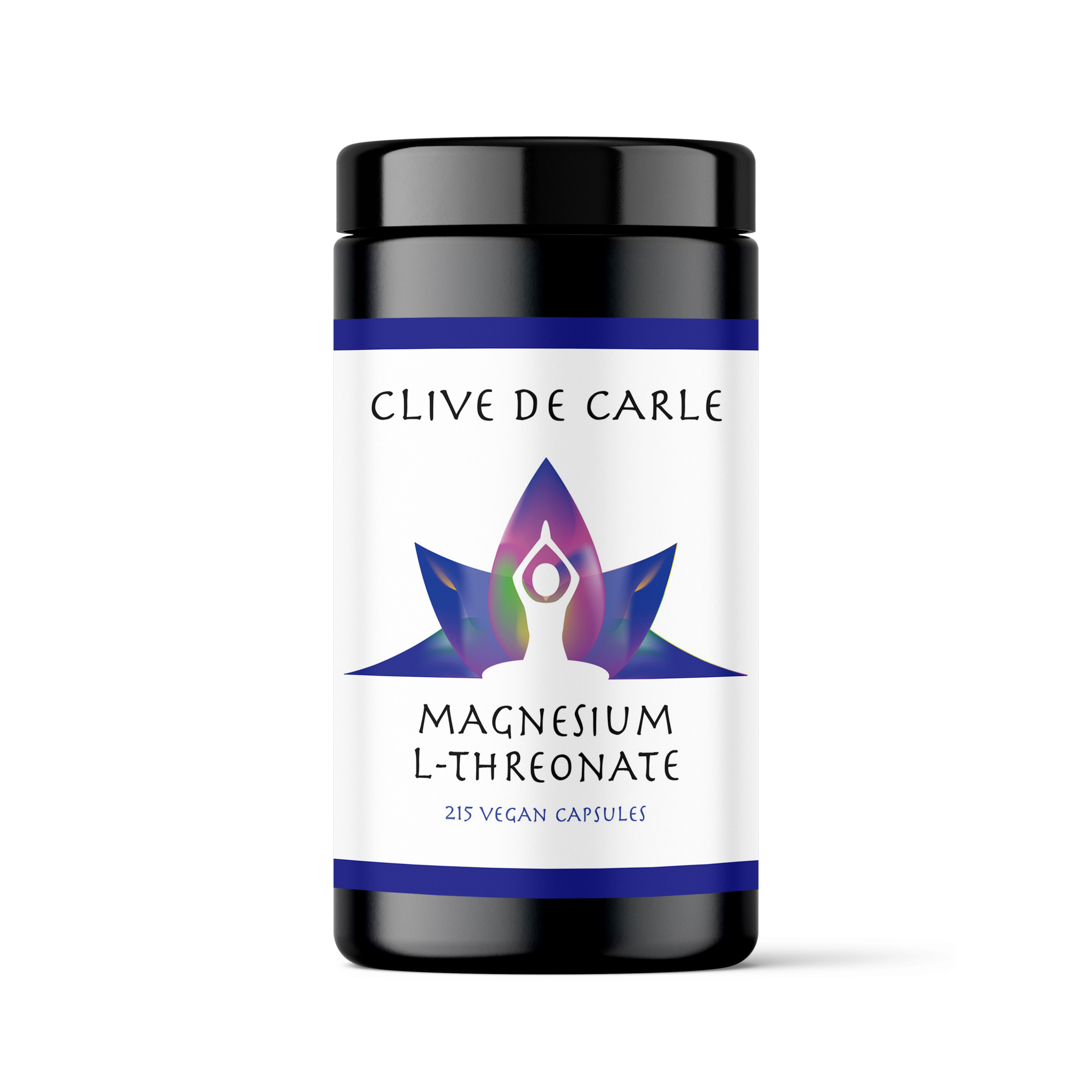
Magnesium L-Threonate
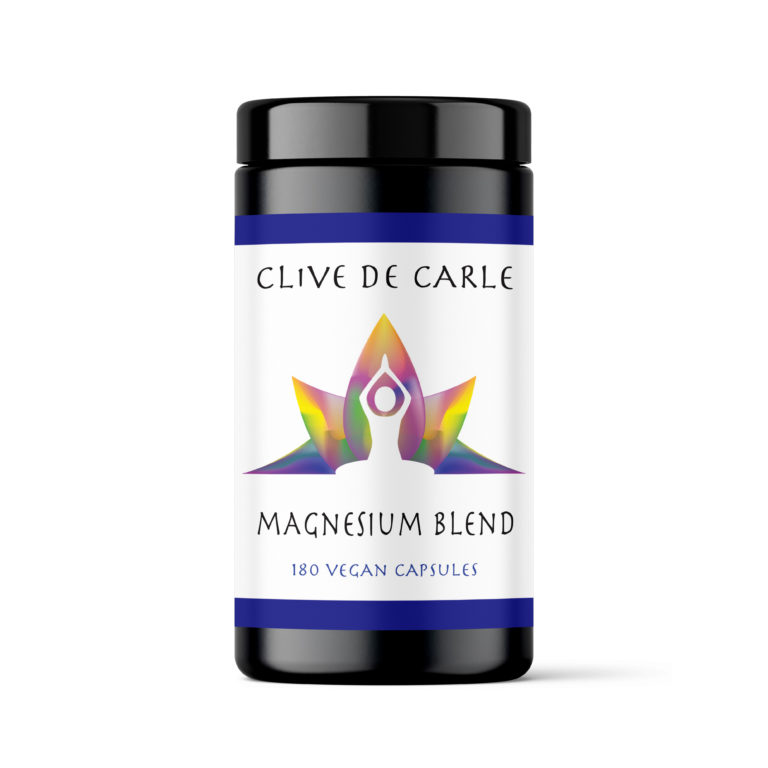
Magnesium Blend – The Most Important Mineral
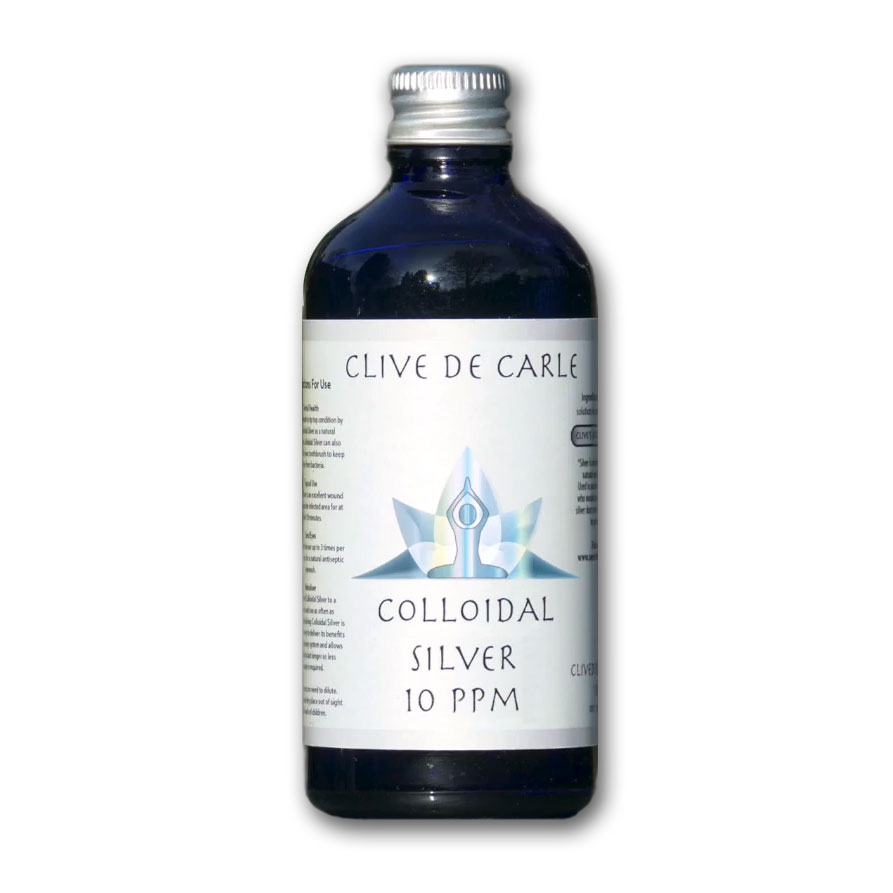
Colloidal Silver: 10ppm – Precision Particle Technology
INNERSTANDING may earn a commission on purchases made through these links. All products are selected based on rigorous educational relevance to our biological research.
RABBIT HOLE
Follow the biological thread deeper