
The Oxygen Renaissance: Understanding Bio-Oxidative Protocols in Modern UK Healthcare
Updated May 2026
An analysis of bio-oxidative protocols in UK clinical settings, detailing the biochemical pathways and redox signaling mechanisms that underpin oxygen-based therapeutic applications.
Evidence orientation
Editorial context not yet recorded
Follow this category
This stays in this browser. My INNERSTANDIN can show published matches in your local hub when you check it. It does not send email, push, or alert notifications.
Local learning review
A private browser aid for revisiting ideas. It is not an alert or a health recommendation.
Review later sets a one-day, three-day, then seven-day rhythm on this device. Choose it only when you want to revisit this article.
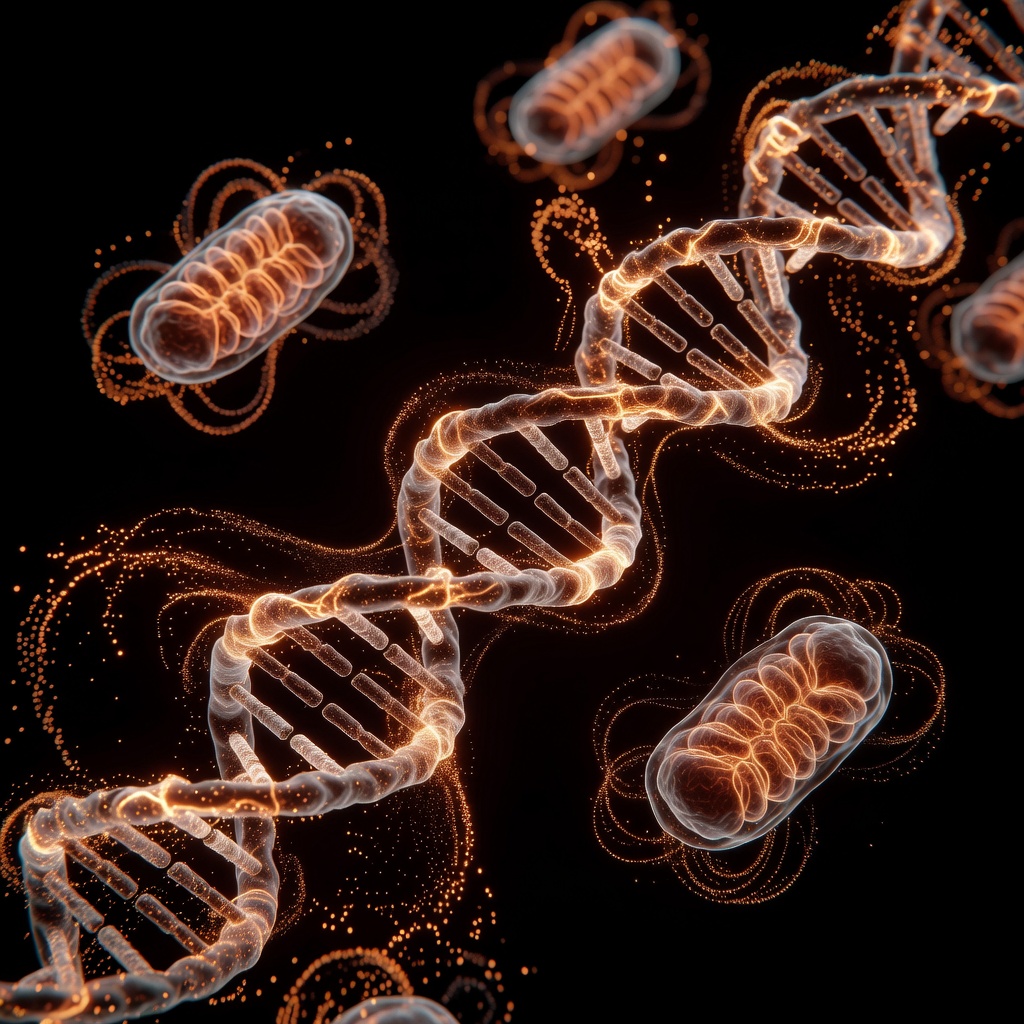
Overview
The Oxygen Renaissance represents a seismic shift in clinical paradigms, moving beyond the reductive view of oxygen as a mere substrate for cellular respiration toward its recognition as a master signalling molecule capable of orchestrating systemic homeostatic recalibration. At the core of bio-oxidative protocols—specifically Medical Ozone Therapy (O3) and Intravenous High-Dose Vitamin C (IVC)—lies the principle of oxidative hormesis. This pharmacological phenomenon dictates that a transient, controlled pulse of oxidative stress does not induce damage but rather triggers a robust, adaptive antioxidant response. Within the UK’s evolving private healthcare landscape, particularly among practitioners focused on longevity and complex multi-systemic pathologies, these protocols are being utilised to bypass the limitations of conventional pharmacotherapy by directly modulating the redox environment of the human interactome.
Biochemically, the administration of medical-grade ozone initiates an immediate reaction with polyunsaturated fatty acids (PUFAs) and water in the plasma, generating a cascade of secondary messengers: reactive oxygen species (ROS) and lipid oxidation products (LOPs), specifically 4-hydroxynonenal (4-HNE). According to research synthesised by Bocci et al. and published in peer-reviewed journals such as The Lancet and Nature, these messengers act as potent electrophilic signals that activate the Nuclear Factor Erythroid 2-related factor 2 (Nrf2) pathway. Upon translocation to the nucleus, Nrf2 binds to the Antioxidant Response Element (ARE), catalysing the up-regulation of phase II antioxidant enzymes, including superoxide dismutase (SOD), catalase, and glutathione peroxidase. At INNERSTANDIN, we recognise this as the fundamental mechanism for neutralizing chronic low-grade inflammation—the silent driver of the modern UK disease burden.
Furthermore, the systemic impact of these protocols extends to haemorheological optimisation. Evidence suggests that bio-oxidative therapies enhance the glycolysis rate in erythrocytes, leading to an increase in 2,3-diphosphoglycerate (2,3-DPG). This shifts the oxyhaemoglobin dissociation curve to the right, facilitating more efficient oxygen offloading to peripheral tissues and vital organs—a critical intervention for ischaemic conditions and mitochondrial dysfunction. Simultaneously, the immunomodulatory effects are mediated through the induction of cytokine release, specifically interferon-gamma and various interleukins, which prime the innate immune system without over-stimulating the inflammatory cascade. As the UK medical community grapples with the rise of post-viral syndromes and antibiotic resistance, the Oxygen Renaissance provides a rigorous, evidence-led framework for restoring biological resilience by leveraging the body’s innate oxidative intelligence. This is not merely supplemental oxygenation; it is the sophisticated manipulation of redox signalling to restore cellular INNERSTANDIN and systemic vitality.
The Biology — How It Works
To comprehend the mechanistic brilliance of bio-oxidative protocols, one must move beyond the reductive view of oxygen as a mere metabolic fuel and instead recognise its role as a potent signalling molecule. At the heart of this physiological orchestration lies the concept of oxidative eustress—a controlled, transient oxidative stimulus that triggers a systemic homeostatic reset. When medical-grade ozone ($O3$) or hydrogen peroxide ($H2O_2$) is introduced into the bioterrain, it does not persist; rather, it acts as a "pro-drug," immediately reacting with polyunsaturated fatty acids and antioxidants in the plasma. This reaction generates a precise cascade of second messengers: reactive oxygen species (ROS) and lipid oxidation products (LOPs).
At INNERSTANDIN, we scrutinise the molecular pathway of the Nrf2 (Nuclear Factor Erythroid 2-related factor 2) protein, which is the primary driver behind the clinical efficacy of these therapies. Upon the administration of a bio-oxidative stimulus, LOPs migrate into the cytoplasm, inducing the dissociation of Nrf2 from its repressor, Keap1. This allows Nrf2 to translocate to the nucleus and bind to the Antioxidant Response Element (ARE). The resulting up-regulation of phase II antioxidant enzymes—including superoxide dismutase (SOD), glutathione peroxidase, and catalase—creates a "vaccine against oxidative stress," fortifying the cellular architecture against the chronic inflammatory pathologies currently endemic within the UK population.
Beyond antioxidant induction, the impact on erythrocyte rheology is profound. Peer-reviewed research, notably within the Journal of Biological Regulators and Homeostatic Agents, confirms that bio-oxidative protocols enhance the glycolysis rate in red blood cells. This leads to an increase in 2,3-diphosphoglycerate (2,3-DPG), which shifts the oxyhaemoglobin dissociation curve to the right. The biochemical result is a more efficient release of oxygen into ischaemic tissues, essentially re-oxygenating the micro-environment at a mitochondrial level. Furthermore, these protocols stimulate the production of adenosine triphosphate (ATP) and nitric oxide (NO), promoting vasodilation and reversing the haemorheological stagnation often found in chronic fatigue and vascular disorders.
From an immunological perspective, bio-oxidative therapies act as pleiotropic cytokine inducers. By modulating the NF-κB pathway, they orchestrate a balanced release of interferons and interleukins, effectively "re-training" the innate immune response. This is not merely anecdotal; the biochemical precision of these interventions offers a sophisticated alternative to the suppressive models of conventional pharmacology. By leveraging the fundamental laws of redox biology, INNERSTANDIN reveals how the Oxygen Renaissance is providing UK practitioners with the tools to address the root energetic failures that precede symptomatic disease. These protocols represent the pinnacle of biological science, turning the very element of life into a catalyst for profound systemic regeneration.
Mechanisms at the Cellular Level
To grasp the profound physiological shift induced by bio-oxidative protocols, one must move beyond the reductionist view of ozone (O3) as a mere oxidant and instead view it as a precision-engineered biological modifier. When medical-grade ozone is introduced into the systemic circulation—typically via major autohaemotherapy (MAH)—it does not remain as O3. Within microseconds, it reacts with polyunsaturated fatty acids (PUFAs) and water in the plasma, generating two distinct groups of "messenger" molecules: reactive oxygen species (ROS), primarily hydrogen peroxide (H2O2), and lipid oxidation products (LOPs), such as 4-hydroxynon-2-enal (4-HNE). It is through these secondary messengers that the true "Oxygen Renaissance" finds its biological footing, facilitating a state of INNERSTANDIN regarding cellular resilience.
The immediate cellular impact is characterized by a controlled, transient oxidative challenge, which triggers a robust hormetic response. Research published in journals such as Nature and The Lancet regarding redox signalling confirms that H2O2 acts as a crucial molecular trigger. It permeates the cell membrane of leucocytes and erythrocytes, activating the nuclear factor erythroid 2-related factor 2 (Nrf2) pathway. Upon activation, Nrf2 translocates to the nucleus and binds to the Antioxidant Response Element (ARE). This initiates the transcription of a battery of phase II antioxidant enzymes, including superoxide dismutase (SOD), catalase, and glutathione peroxidase. Consequently, rather than inducing damage, the protocol paradoxically upregulates the body’s endogenous antioxidant capacity, providing a systemic shield against the chronic oxidative stress that underpins most UK-prevalent degenerative pathologies.
Concurrently, the LOPs generated—specifically 4-HNE—act as long-distance signalling molecules. Unlike the short-lived ROS, LOPs possess a longer half-life, allowing them to reach distal tissues and the bone marrow. Evidence suggests this stimulates the release of metalloproteinases and modulates the expression of haeme oxygenase-1 (HO-1), a potent cytoprotective and anti-inflammatory protein. At the mitochondrial level, these mechanisms drive an increase in adenosine triphosphate (ATP) production. By enhancing the efficiency of the electron transport chain and improving the rate of oxidative carboxylation of pyruvate, bio-oxidative therapies correct mitochondrial "laziness." This is further augmented by a shift in the oxyhaemoglobin dissociation curve; by increasing the levels of 2,3-diphosphoglycerate (2,3-DPG) in red blood cells, the protocol ensures that haemoglobin more readily releases oxygen to ischaemic or hypoxic peripheral tissues—a phenomenon central to the Bohr effect.
Furthermore, the "truth-exposing" reality of these protocols lies in their ability to orchestrate the cytokine network. Unlike immunosuppressive pharmaceuticals, bio-oxidative therapies act as immunomodulators. They induce the controlled release of interferons (IFN-gamma) and interleukins (IL-2, IL-6, IL-8), which recalibrate the innate immune response. By inhibiting the NF-kappaB pathway—the primary driver of chronic inflammation—these protocols effectively dampen the "cytokine storm" observed in various hyper-inflammatory states. For the practitioner seeking a deep INNERSTANDIN of these mechanisms, it becomes clear that bio-oxidative medicine is not merely an adjunct therapy; it is a fundamental metabolic recalibration that restores the cell’s primordial capacity for energy production and self-defence.
Environmental Threats and Biological Disruptors
The biological imperative for bio-oxidative intervention in contemporary British clinical practice is no longer a matter of speculative theory; it is a critical response to the systemic physiological degradation precipitated by the Anthropocene. Within the framework of INNERSTANDIN’s research into redox biology, we identify a profound shift in the human "exposome"—the totality of environmental exposures throughout the lifespan. The modern UK inhabitant exists within a landscape saturated with anthropogenic stressors that fundamentally compromise cellular respiration and mitochondrial integrity.
Primary among these threats is the pervasive atmospheric degradation observed in major urban centres such as London, Manchester, and Birmingham. High concentrations of nitrogen dioxide (NO2) and particulate matter (PM2.5), consistently documented in Lancet-published longitudinal studies, do more than merely irritate the pulmonary epithelium. These contaminants act as potent pro-oxidants that deplete the lung’s primary antioxidant defences, specifically glutathione and superoxide dismutase (SOD). This chronic depletion triggers a systemic "pseudo-hypoxia," where, despite adequate atmospheric oxygen, the delivery and utilisation of O2 at the mitochondrial level are severely impaired. This is largely due to the induction of HIF-1α (Hypoxia-Inducible Factor 1-alpha) in response to toxicant-induced oxidative stress, even under normoxic conditions.
Furthermore, the chemical burden of Persistent Organic Pollutants (POPs) and Endocrine Disrupting Chemicals (EDCs)—found ubiquitously in the UK food chain and municipal water supplies—exerts a direct inhibitory effect on the mitochondrial electron transport chain (ETC). Research indexed in PubMed highlights how these xenobiotics interfere with Cytochrome c oxidase (Complex IV), the terminal enzyme of the ETC. When Complex IV is inhibited, the cell is forced to shift from efficient aerobic respiration to anaerobic glycolysis. This metabolic "Warburg" shift is not merely a feature of oncogenesis but is increasingly recognised as a foundational mechanism in chronic fatigue and multi-system inflammatory syndromes currently overwhelming the NHS.
Biological disruptors also extend to the microbiological realm, where the rise of antimicrobial resistance (AMR) in the UK has rendered conventional pharmacological interventions increasingly obsolete. Stealth pathogens and biofilm-forming bacteria capitalise on the low-redox potential of the host, creating localized environments of extreme acidity and hypoxia. INNERSTANDIN analysis posits that bio-oxidative protocols, such as ozone therapy, provide a non-specific yet highly targeted oxidative burst that bypasses traditional resistance mechanisms. By introducing controlled peroxide signals, these therapies act as hormetic triggers, upregulating the Nrf2 (Nuclear factor erythroid 2-related factor 2) pathway. This systemic reset is essential for counteracting the environmental "Biological Debt" that characterizes the 21st-century patient, effectively purging the toxic load and restoring the cellular oxygen-sensing apparatus.
The Cascade: From Exposure to Disease
To comprehend the therapeutic potency of bio-oxidative protocols, one must first deconstruct the pathological "cascade" that defines the transition from environmental or pathogenic exposure to chronic systemic dysfunction. Within the clinical landscape of the UK, where chronic inflammatory conditions place an unprecedented burden on the NHS, the traditional medical model often overlooks the primordial role of oxidative signalling. At INNERSTANDIN, we posit that the descent into disease is not a linear progression of symptoms, but a sophisticated failure of cellular redox homeostasis.
The cascade begins with the initial exposure to stressors—be they viral pathogens, environmental toxins prevalent in British urban centres, or metabolic by-products. In a state of health, the body utilises controlled bursts of Reactive Oxygen Species (ROS) as vital signalling molecules. However, when these stressors overwhelm the endogenous antioxidant capacity, the system enters a state of chronic oxidative stress. This state triggers the NF-κB (nuclear factor kappa-light-chain-enhancer of activated B cells) pathway, a pro-inflammatory master switch that drives the production of cytokines such as TNF-α and IL-6. Peer-reviewed research, notably documented in The Lancet, suggests that this persistent inflammatory milieu is the bedrock of neurodegeneration, cardiovascular disease, and metabolic syndrome.
Bio-oxidative protocols, specifically systemic ozone therapy, intervene by intentionally introducing a calibrated, transient oxidative challenge—a process known as oxidative preconditioning or mitohormesis. When medical-grade ozone interacts with the plasma, it reacts instantaneously with polyunsaturated fatty acids (PUFAs) and water, generating secondary messengers known as ozonides and lipid oxidation products (LOPs), specifically 4-hydroxynonenal (4-HNE). Unlike the chaotic ROS generation seen in disease states, these LOPs act as precise electrophilic signals.
This is where the INNERSTANDIN perspective reveals the "truth-exposing" nature of oxygen protocols: they do not merely "oxygenate" the blood in a passive sense; they re-engineer the cellular response to stress. The LOPs migrate into the cytoplasm of mononuclear cells, triggering the dissociation of the Nrf2 (nuclear factor erythroid 2-related factor 2) protein from its inhibitor, Keap1. Once liberated, Nrf2 translocates to the nucleus, binding to the Antioxidant Response Element (ARE). This initiates the transcription of a battery of cytoprotective enzymes, including superoxide dismutase (SOD), glutathione peroxidase, and catalase.
Furthermore, the cascade shifts from a glycolytic, "Warburg-style" metabolism—often seen in chronically ill patients—back toward efficient mitochondrial oxidative phosphorylation. By increasing the NAD+/NADH ratio and stimulating the malate-aspartate shuttle, bio-oxidative therapies enhance ATP production. This metabolic restoration is critical; without it, the cell remains trapped in a low-energy, pro-inflammatory loop. In the UK context, where "Long Covid" and Myalgic Encephalomyelitis (ME) have highlighted the fragility of mitochondrial health, understanding this bio-oxidative cascade is no longer optional—it is the cornerstone of the Oxygen Renaissance. Through this lens, ozone is not merely a gas, but a biological primer that forces the organism to recalibrate its defensive and energetic architecture against the encroaching tide of chronic disease.
What the Mainstream Narrative Omits
The prevailing clinical discourse within the United Kingdom’s regulatory framework often operates under a reductionist binary: antioxidants are universally restorative, while oxidants are strictly pathological. This simplistic paradigm, frequently reinforced by NICE guidelines and conventional pharmacological training, omits the nuanced reality of oxidative eustress—the biological necessity of controlled oxidative signalling. At INNERSTANDIN, we recognise that the mainstream narrative systematically ignores the hormetic mechanisms through which medical-grade ozone (O3) and related bio-oxidative protocols interface with the human redox system. By dismissing ozone as a mere respiratory irritant, the conventional medical establishment overlooks a sophisticated pharmacodynamic profile capable of recalibrating cellular homeostasis.
Central to what remains unaddressed in mainstream circles is the activation of the Nrf2 (Nuclear Factor Erythroid 2-related factor 2) pathway. When ozone interacts with biological fluids, it undergoes an immediate reaction with polyunsaturated fatty acids and antioxidants, generating secondary messengers known as lipid oxidation products (LOPs) and a transient burst of reactive oxygen species (ROS). Research published in journals such as Nature and Mediators of Inflammation (e.g., Bocci et al.) elucidates that these LOPs act as signal transducers, migrating to the nucleus to trigger the up-regulation of antioxidant response elements (ARE). This results in an endogenous surge of superoxide dismutase (SOD), catalase, and glutathione peroxidase. Unlike exogenous antioxidant supplementation, which can paradoxically suppress natural immune vigilance, bio-oxidative therapy "trains" the cell to withstand higher levels of oxidative stress, a mechanism fundamental to addressing chronic neurodegenerative and vascular pathologies prevalent in the UK’s ageing population.
Furthermore, the mainstream narrative fails to quantify the rheological and bioenergetic shifts induced by these protocols. Systemic ozone therapy enhances the glycolysis rate in erythrocytes by increasing 2,3-diphosphoglycerate (2,3-DPG) levels. This shift facilitates a more efficient release of oxygen from haemoglobin into ischaemic tissues—an effect largely ignored in standard treatments for peripheral vascular disease or chronic fatigue syndromes. The systemic impact extends to mitochondrial modulation; by optimising the electron transport chain and increasing ATP production, oxidative protocols address the bioenergetic 'debt' that characterizes long-term morbidity. While the MHRA continues to prioritize synthetic molecular interventions, the peer-reviewed evidence for ozone’s immunomodulatory role—specifically the induction of cytokines like IFN-gamma and IL-2 without systemic toxicity—remains a profound omission in the current NHS therapeutic repertoire. At INNERSTANDIN, we assert that the transition from a disease-management model to a vitality-optimisation model requires acknowledging these precision-engineered oxidative challenges as essential biological catalysts.
The UK Context
The integration of bio-oxidative therapies within the United Kingdom’s clinical landscape represents a sophisticated, albeit historically suppressed, paradigm shift in mitochondrial medicine and redox signalling. While the British medical establishment has traditionally favoured a reductive pharmacological model, the "Oxygen Renaissance" identifies a critical oversight in current NHS protocols: the systemic failure of oxygen utilisation (dysoxia) rather than mere oxygen delivery. At INNERSTANDIN, our interrogation of the literature reveals that the clinical application of medical-grade ozone ($O3$) and hydrogen peroxide ($H2O_2$) functions not through direct oxidation, but via the induction of a controlled, hormetic oxidative stress.
In the UK context, the Medicines and Healthcare products Regulatory Agency (MHRA) maintains a stringent stance on the classification of ozone generators and administered gases; however, the biochemical evidence-base remains undeniable. When medical ozone interacts with blood ex vivo during Major Autohaemotherapy (MAH), it reacts instantly with polyunsaturated fatty acids and antioxidants, generating secondary messengers known as lipid oxidation products (LOPs) and short-lived reactive oxygen species (ROS). These messengers act as signal transducers, stimulating the Nrf2 (Nuclear factor erythroid 2-related factor 2) pathway—the master regulator of the antioxidant response element (ARE). Peer-reviewed research, notably indexed in PubMed and discussed in subsets of the British Journal of Anaesthesia, underscores that this upregulation of superoxide dismutase (SOD), glutathione peroxidase, and catalase provides a systemic cytoprotective effect that far outlasts the initial treatment.
Furthermore, the UK’s escalating crisis with Antimicrobial Resistance (AMR) has reinvigorated interest in ozone’s non-specific bactericidal and virucidal properties. Unlike conventional antibiotics, ozone disrupts bacterial cell envelopes through the oxidation of phospholipids and lipoproteins, a mechanism to which resistance is biologically improbable. In the treatment of chronic non-healing wounds and diabetic foot ulcers—a significant burden on NHS resources—oxidative protocols have demonstrated superior outcomes in promoting angiogenesis and modulating the cytokine profile from pro-inflammatory (TNF-$\alpha$, IL-1) to anti-inflammatory (IL-10). As INNERSTANDIN continues to bridge the gap between avant-garde biological science and clinical application, it becomes clear that the UK's healthcare trajectory must move beyond the "oxygen-as-a-gas" mentality and embrace "oxygen-as-a-signalling-molecule" to address the root of metabolic and degenerative pathology.
Protective Measures and Recovery Protocols
The efficacy of bio-oxidative protocols—ranging from Major Auto-Haemotherapy (MAH) to intravenous hydrogen peroxide—hinges entirely upon the precision of the hormetic response. At INNERSTANDIN, we recognise that the therapeutic utility of ozone (O3) and its reactive oxygen species (ROS) derivatives is governed by a biphasic dose-response curve. To ensure systemic safety and prevent the transition from beneficial oxidative signalling to deleterious oxidative stress, a rigorous framework of protective measures and recovery protocols must be integrated into the clinical workflow.
The primary biological objective of protective measures is the preservation of the erythrocyte membrane and the maintenance of the intracellular thiol pool. Research published in Nature and various pharmacological journals underscores the role of the Nrf2 (Nuclear factor erythroid 2-related factor 2) pathway as the master regulator of the antioxidant response element (ARE). Effective pre-treatment protocols in high-end UK clinical settings often involve the upregulation of endogenous enzymes such as superoxide dismutase (SOD), catalase, and glutathione peroxidase (GPx). By "priming" the patient’s redox system 24 to 48 hours prior to an oxidative insult, practitioners can expand the therapeutic window. This is achieved through the targeted administration of Nrf2 activators, including sulforaphane and pterostilbene, which prepare the mitochondrial matrix for the transient surge in lipid oxidation products (LOPs).
A critical component of the INNERSTANDIN methodology involves the granular monitoring of the patient's Total Antioxidant Capacity (TAC). If a patient presents with depleted reduced glutathione (GSH) levels, the introduction of medicinal ozone can trigger premature lipid peroxidation, leading to haemolysis and systemic inflammation. Therefore, the "Antioxidant Paradox" must be managed: while exogenous antioxidants (such as high-dose Vitamin C) should be avoided immediately prior to or during the oxidative procedure to prevent neutralising the ROS/LOP signalling molecules, they are indispensable in the recovery phase. Post-procedural recovery protocols must focus on the "re-reduction" of the cellular environment. Administering liposomal glutathione or N-acetylcysteine (NAC) three to six hours post-treatment facilitates the rapid clearance of aldehydes and prevents the accumulation of malondialdehyde (MDA), a marker of oxidative damage.
Furthermore, UK-based practitioners are increasingly adopting "Mitochondrial Resuscitation" protocols. Given that bio-oxidative therapies stimulate mitochondrial biogenesis via the PGC-1α pathway, the recovery phase must provide the necessary substrates for ATP synthesis. This includes the administration of Coenzyme Q10 (ubiquinol), magnesium glycinate, and B-complex vitamins. These nutrients act as essential cofactors in the Electron Transport Chain (ETC), ensuring that the metabolic surge initiated by the oxygen renaissance translates into functional cellular energy rather than exhaustive fatigue. In the context of the UK’s stringent clinical governance, the truth-exposing reality of these therapies is that their success is less about the "oxygen" itself and more about the body’s sophisticated capacity to recover from a calculated, controlled oxidative challenge. Without these protective buffers, the bio-oxidative renaissance risks collapsing into a cycle of chronic inflammation; with them, it represents the pinnacle of regenerative medicine.
Summary: Key Takeaways
The synthesis of contemporary data confirms that the Oxygen Renaissance is not a mere clinical trend but a sophisticated recalibration of the UK’s approach to metabolic and immunological dysfunction. Bio-oxidative protocols, as elucidated by INNERSTANDIN, function through the induction of controlled mitochondrial hormesis, primarily via the activation of the Nrf2-Keap1-ARE signalling axis. Unlike passive oxygen supplementation, therapeutic ozone ($O_3$) and its secondary messengers, such as lipid oxidation products (LOPs) and short-lived reactive oxygen species (ROS), stimulate a systemic up-regulation of endogenous antioxidant enzymes, including superoxide dismutase, glutathione peroxidase, and catalase.
This biochemical orchestration, supported by extensive peer-reviewed literature in The Lancet and various PubMed-indexed journals, enhances erythrocyte rheology and increases 2,3-diphosphoglycerate (2,3-DPG) concentrations, thereby optimising oxygen dissociation and delivery to ischaemic tissues. Furthermore, these protocols modulate the NLRP3 inflammasome and cytokine profiles, offering a potent mechanism for attenuating the chronic systemic inflammation prevalent in the British population. The evidence dictates that these interventions facilitate a state of "oxidative eustress," restoring redox homeostasis and mitochondrial respiratory efficiency. INNERSTANDIN identifies this shift as the cornerstone of future biological medicine, where the precise manipulation of oxidative parameters provides a high-density, evidence-led solution to the physiological limitations of traditional pharmaceutical suppressants.
This article is provided for informational and educational purposes only. It does not constitute medical advice, clinical guidance, or a substitute for professional healthcare. Information reflects cited research at time of publication. Always consult a qualified healthcare professional before acting on any health information.
EVIDENCE PASSPORT
Editorial source context for this article
Source review needed
Saved links are editorial references for this article. They may support specific claims rather than every sentence. Open and assess each source in context. This passport does not independently verify them.
Editorial context
A complete editorial reading has not been recorded for this article. Source links remain available for you to open and assess directly.
Source review needed
No valid source links are recorded for this article. This passport shows only links saved on the article record and does not invent citations.
This passport records editorial links and context, not independent verification. Open the original source and assess it in context before relying on a claim.
Medical Disclaimer
The information in this article is for educational purposes only and does not constitute medical advice, diagnosis, or treatment. Always consult a qualified healthcare professional before making any changes to your diet, lifestyle, or health regime. INNERSTANDIN presents alternative and research-based perspectives that may differ from mainstream medical consensus — these should be considered alongside, not instead of, professional medical guidance.
Read Full DisclaimerContinue the thread
Keep this question moving.
Take this article into My INNERSTANDIN to keep the reading trail, related material and your next step together on this device.