
The Phytonutrient Factor: How Soil Biology Triggers Antioxidant Production in British Crops
Updated April 2026
Evidence orientation
Editorial context not yet recorded
Follow this category
This stays in this browser. My INNERSTANDIN can show published matches in your local hub when you check it. It does not send email, push, or alert notifications.
Local learning review
A private browser aid for revisiting ideas. It is not an alert or a health recommendation.
Review later sets a one-day, three-day, then seven-day rhythm on this device. Choose it only when you want to revisit this article.
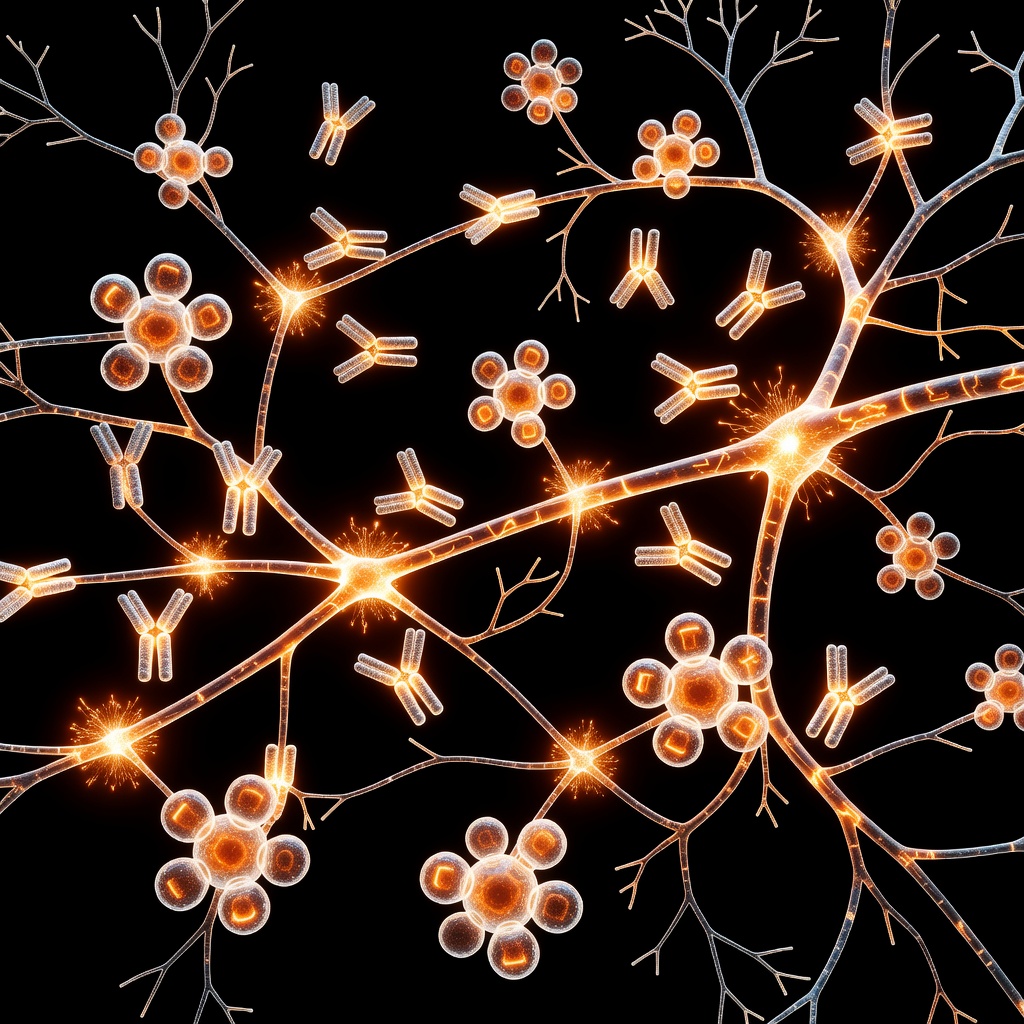
For decades, the narrative of human health has focused on the "what"—what we eat, what vitamins we supplement, and what calories we consume. Yet, at INNERSTANDING, we believe the more vital question is "how." How was that food grown? How did the plant interact with its environment? And, most crucially, how does the hidden world of soil biology dictate the medicinal potency of the British harvest?
The modern supermarket aisle is a visual deception. While we see vibrant reds in tomatoes and deep greens in kale, the chemical reality is often hollow. We are currently facing a "nutrient collapse," where the phytonutrient density of our food has plummeted in tandem with the degradation of our soil. To reclaim our health, we must understand that a plant is not a standalone factory; it is a biological expression of the soil beneath it.
The Biological Mechanisms: The Underground Negotiation
Phytonutrients—including polyphenols, flavonoids, and glucosinolates—are often referred to as a plant's "secondary metabolites." Unlike primary metabolites (sugars and proteins) which the plant uses for growth, secondary metabolites are produced for protection. They are the plant’s immune system, evolved to ward off pests, disease, and UV radiation. When we consume these plants, these protective compounds become our antioxidants, neutralising inflammation and preventing chronic disease.
However, a plant does not produce these compounds in a vacuum. The trigger for this production is a complex biological negotiation within the rhizosphere—the thin layer of soil surrounding the plant roots.
The Role of Mycorrhizal Fungi
The most critical player in this negotiation is Arbuscular Mycorrhizal Fungi (AMF). These fungi form a symbiotic relationship with plant roots, extending their hyphae (microscopic threads) far beyond the reach of the roots themselves. In exchange for carbon (sugar) from the plant, the fungi deliver essential minerals and, more importantly, chemical signals.
Studies show that plants colonised by AMF have significantly higher levels of antioxidant enzymes. The fungi act as a biological "personal trainer," slightly stressing the plant's immune system through a process called Induced Systemic Resistance (ISR). This mild stimulation keeps the plant’s "antioxidant pharmacy" open and active.
The Shikimic Acid Pathway
Most phytonutrients are synthesised via the shikimic acid pathway, a metabolic route found in plants and bacteria but not in humans. This pathway is the furnace where essential amino acids and polyphenols are forged. For this furnace to burn hot, the plant requires specific micronutrients—boron, manganese, and copper—which are only bioavailable when the soil’s microbial community is thriving. Without these microbial "keys," the pathway remains locked, and the plant produces high yields of sugar but negligible amounts of medicine.
"We are not just eating the plant; we are eating the soil’s ability to communicate with the plant’s DNA. If the soil is biologically dead, the plant is chemically illiterate."
The UK Context: A Landscape of Depletion and Opportunity
In the United Kingdom, the post-war "Green Revolution" transformed our countryside into a high-output industrial machine. While this secured food quantity, it decimated nutritional integrity. British soils, particularly the heavy clays of the Midlands and the silts of East Anglia, have been subjected to decades of intensive tillage and heavy synthetic inputs.
The NPK Fallacy
The dominant agricultural model relies on NPK fertilisers (Nitrogen, Phosphorus, and Potassium). While NPK makes plants grow large and green, it essentially "dumbs down" the plant. When a plant is force-fed synthetic nitrogen, it redirects its energy away from the production of complex phytonutrients and toward rapid cellular expansion. This results in "watered-down" produce—larger vegetables with lower concentrations of antioxidants.
British "Superfoods" and Soil Health
The UK is uniquely positioned to produce some of the world's most potent phytonutrient-dense crops, provided the soil is managed regeneratively:
- Brassicas (Kale, Cabbage, Brussels Sprouts): These are rich in glucosinolates, which have potent anti-cancer properties. Research indicates that when these crops are grown in "no-till" soil rich in organic matter, their glucosinolate content can be up to 40% higher than those grown in chemically intensive systems.
- Soft Fruits (Blackcurrants, Strawberries): British blackcurrants are famous for anthocyanins. However, these pigments are produced in response to environmental cues mediated by soil microbes. High-nitrogen environments actually suppress anthocyanin synthesis.
- Root Vegetables (Carrots, Parsnips): These crops are in direct contact with soil biology. A healthy soil microbiome ensures that the carotenoids in carrots are fully developed, protecting the plant—and subsequently the human eye and skin—from oxidative stress.
Environmental Factors: The "Stress" Paradox
In human health, chronic stress is detrimental. In the plant world, "eustress" (beneficial stress) is the catalyst for nutrition. This is known as the Xenohormesis Hypothesis: the idea that humans have evolved to respond to the stress signals produced by plants.
When a plant in the British countryside faces a cold snap, a period of drought, or a minor insect attack, it produces antioxidants to survive.
- Chemical "Cosseting": In industrial farming, we use pesticides to kill every bug and fungicides to eliminate every fungus. This "cossets" the plant, removing the environmental challenges that trigger phytonutrient production. A "perfect-looking" supermarket apple is often nutritionally lazy because it never had to fight for its life.
- The Regenerative Buffer: Regenerative agriculture does not aim for a sterile environment. It fosters a diverse ecosystem where the plant co-exists with beneficial insects and microbes. This "natural friction" ensures the plant stays chemically active, producing the bitter compounds and pigments that are the hallmarks of true health.
The Industrial Deception: Why "Organic" Isn't Always Enough
It is a common misconception that the "Organic" label is a guarantee of nutrient density. While organic farming prohibits synthetic pesticides, it does not always mandate soil building. An organic farm that relies on heavy tillage (ploughing) still disrupts the fungal networks essential for phytonutrient synthesis.
To find the most medicinal food in the UK, we must look for Regenerative or Biodynamic (Demeter certified) produce. These methods focus on:
- Zero Tillage: Keeping the fungal "internet" intact.
- Cover Cropping: Ensuring the soil is never bare, providing a constant food source for microbes.
- Livestock Integration: Using animal manure and grazing to cycle nutrients naturally, mimicking the ancient British ecosystem.
Protective Strategies: How to Source and Eat for Phytonutrients
Understanding the soil-health connection is the first step. The second is taking action to ensure your kitchen is a pharmacy of soil-derived antioxidants.
1. Seek the "Bitter and the Bright"
Phytonutrients often carry a bitter or astringent taste. Modern breeding has prioritised sweetness, effectively breeding out the medicine. When shopping at British farmers' markets, choose the deepest colours (darkest purple sprouting broccoli, deepest orange carrots) and embrace the bitter greens. These flavours are the chemical signatures of a healthy soil-plant interaction.
2. Support "No-Dig" and Regenerative Farms
Look for UK-based initiatives like the Soil Association’s regenerative projects or farms that follow "No-Dig" principles. These growers prioritise the soil food web, ensuring that the produce you buy is not just a commodity, but a concentrated source of secondary metabolites.
3. The "Freshness Factor"
Phytonutrients begin to degrade the moment a plant is harvested. British produce that has sat in a cold store for months—common with supermarket apples and potatoes—loses its antioxidant potency. Buying local and seasonal ensures the biological vitality is preserved.
4. Preparation Matters
To unlock the phytonutrients triggered by soil biology, you must prepare them correctly. For example, the sulforaphane in British broccoli is only activated when the plant tissue is crushed or chopped, mimicking an insect attack. Let your chopped veg sit for 10 minutes before cooking to allow the enzymatic reactions to complete.
Key Takeaways: The INNERSTANDING Summary
- Soil is the Source: The antioxidants we rely on for health are not made by the plant alone; they are the result of a symbiotic relationship with soil microbes and mycorrhizal fungi.
- Function over Form: Industrial farming produces large, beautiful, but "chemically hollow" crops. True nutrition lies in the plant's secondary metabolites, triggered by natural environmental challenges.
- The NPK Trap: Synthetic fertilisers "lazy-load" plants with sugar and water, bypassing the shikimic acid pathway and reducing medicinal potency.
- Regenerate the Soil, Heal the Human: By supporting British farmers who use no-till and regenerative methods, we are not just saving the environment—we are sourcing the raw materials for our own cellular repair.
The health of the British citizen is inseparable from the health of the British soil. When we restore the biological complexity of our land, we don't just grow food; we cultivate a landscape of preventative medicine. It is time to stop looking at the label and start looking at the ground. This is the essence of INNERSTANDING.
This article is provided for informational and educational purposes only. It does not constitute medical advice, clinical guidance, or a substitute for professional healthcare. Information reflects cited research at time of publication. Always consult a qualified healthcare professional before acting on any health information.
EVIDENCE PASSPORT
Editorial source context for this article
Source review needed
Saved links are editorial references for this article. They may support specific claims rather than every sentence. Open and assess each source in context. This passport does not independently verify them.
Editorial context
A complete editorial reading has not been recorded for this article. Source links remain available for you to open and assess directly.
Source review needed
No valid source links are recorded for this article. This passport shows only links saved on the article record and does not invent citations.
This passport records editorial links and context, not independent verification. Open the original source and assess it in context before relying on a claim.
Medical Disclaimer
The information in this article is for educational purposes only and does not constitute medical advice, diagnosis, or treatment. Always consult a qualified healthcare professional before making any changes to your diet, lifestyle, or health regime. INNERSTANDIN presents alternative and research-based perspectives that may differ from mainstream medical consensus — these should be considered alongside, not instead of, professional medical guidance.
Read Full DisclaimerContinue the thread
Keep this question moving.
Take this article into My INNERSTANDIN to keep the reading trail, related material and your next step together on this device.