
The Role of Aluminium in Impairing Mitochondrial Bioenergetics and Oxidative Stress Responses
Discuss this resourceUpdated August 2026
An in-depth look at how aluminium accumulation disrupts mitochondrial function, fuels systemic oxidative stress, and contributes to neurodegenerative pathways.
Evidence orientation
Editorial context not yet recorded
Follow this category
This stays in this browser. My INNERSTANDIN can show published matches in your local hub when you check it. It does not send email, push, or alert notifications.
Local learning review
A private browser aid for revisiting ideas. It is not an alert or a health recommendation.
Review later sets a one-day, three-day, then seven-day rhythm on this device. Choose it only when you want to revisit this article.
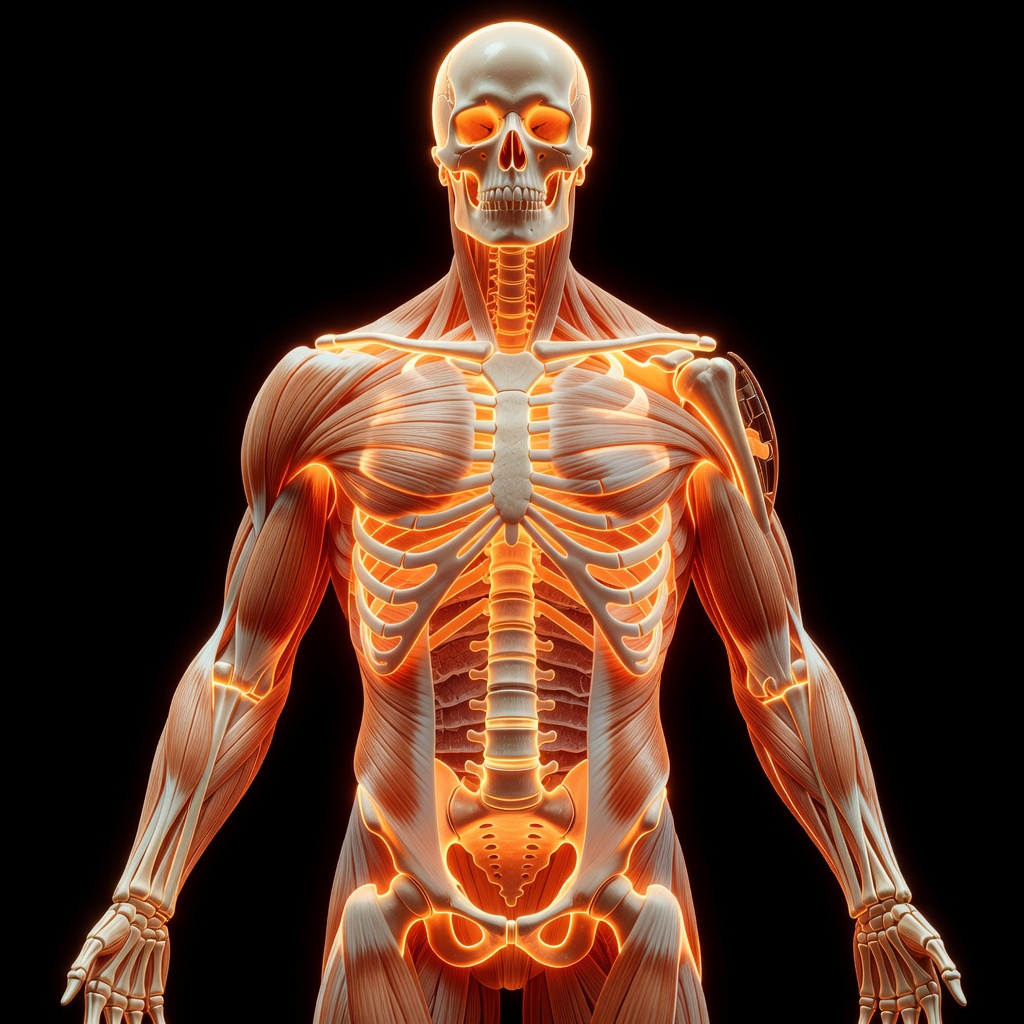
The Aluminium Paradox: A Silent Bioenergetic Saboteur. Aluminium is the most abundant metal in the Earth's crust, yet it holds no known biological function in human physiology. In recent decades, INNERSTANDING has observed an alarming rise in systemic aluminium accumulation due to environmental exposure, food additives, and pharmaceutical excipients. While often considered inert, research increasingly reveals that aluminium is a potent mitochondrial toxin. ### Mitochondrial Bioenergetics: The Powerhouse Under Siege. The mitochondria are the primary sites of ATP production through the electron transport chain (ETC).
Aluminium disrupts this delicate machinery by substituting for essential divalent cations like magnesium and iron. When aluminium occupies binding sites intended for these metals, it halts the synthesis of adenosine triphosphate (ATP), effectively starving the cell of its primary energy currency. Furthermore, aluminium exhibits a high affinity for the mitochondrial membrane, increasing permeability and causing the loss of the proton gradient essential for oxidative phosphorylation. ### Inducing Oxidative Stress and Redox Imbalance. The presence of aluminium within the mitochondrial matrix triggers an exponential increase in the production of reactive oxygen species (ROS). By inhibiting essential antioxidant enzymes such as superoxide dismutase (SOD) and glutathione peroxidase, aluminium strips the body of its defensive architecture.
This leads to lipid peroxidation, where the fatty acid components of the mitochondrial membrane are damaged, creating a self-perpetuating cycle of structural decay and energetic failure. ### Neurodegeneration and Beyond. Because mitochondria are dense in high-energy tissues, the brain is the primary casualty of aluminium-induced bioenergetic decline. Impaired mitochondrial respiration has been linked to the protein misfolding seen in Alzheimer’s and Parkinson’s pathologies. When the power supply fails, the cell can no longer perform the house-cleaning processes required to clear toxic protein aggregates, accelerating neurodegeneration. ### Root-Cause Mitigation. Addressing aluminium-related toxicity requires a multi-pronged approach focused on identifying exposure pathways and supporting the body’s endogenous detoxification pathways.
Optimising silica intake, supporting glutathione synthesis, and maintaining adequate magnesium levels are critical steps in protecting mitochondrial integrity. At INNERSTANDING, we advocate for a biological approach that prioritises cellular energy preservation and the reduction of exogenous aluminium loading as the cornerstone of long-term health.
This article is provided for informational and educational purposes only. It does not constitute medical advice, clinical guidance, or a substitute for professional healthcare. Information reflects cited research at time of publication. Always consult a qualified healthcare professional before acting on any health information.
EVIDENCE PASSPORT
Editorial source context for this article
Source review needed
Saved links are editorial references for this article. They may support specific claims rather than every sentence. Open and assess each source in context. This passport does not independently verify them.
Editorial context
A complete editorial reading has not been recorded for this article, and no source links are saved on its record.
Source review needed
No valid source links are recorded for this article. Supplementary research, where available, is listed separately below.
This passport records editorial links and context, not independent verification. Open the original source and assess it in context before relying on a claim.
Medical Disclaimer
The information in this article is for educational purposes only and does not constitute medical advice, diagnosis, or treatment. Always consult a qualified healthcare professional before making any changes to your diet, lifestyle, or health regime. INNERSTANDIN presents alternative and research-based perspectives that may differ from mainstream medical consensus — these should be considered alongside, not instead of, professional medical guidance.
Read Full DisclaimerContinue the thread
Keep this question moving.
Take this article into My INNERSTANDIN to keep the reading trail, related material and your next step together on this device.
Explore this in the Body Map
Explore related body structures and their educational pages in the interactive Body Map.
Dig deeper in the Library
Free, longform PDF volumes that go beyond headlines into mechanisms and references.