
The Role of Iodine in Thyroid Autoregulation: Preventing the Wolff-Chaikoff Effect During High-Dose Supplementation
Discuss this resourceUpdated August 2026
An in-depth exploration of thyroid autoregulation, the mechanics of the Wolff-Chaikoff effect, and how strategic nutritional support prevents complications during high-dose iodine protocols.
Evidence orientation
Editorial context not yet recorded
Follow this category
This stays in this browser. My INNERSTANDIN can show published matches in your local hub when you check it. It does not send email, push, or alert notifications.
Local learning review
A private browser aid for revisiting ideas. It is not an alert or a health recommendation.
Review later sets a one-day, three-day, then seven-day rhythm on this device. Choose it only when you want to revisit this article.
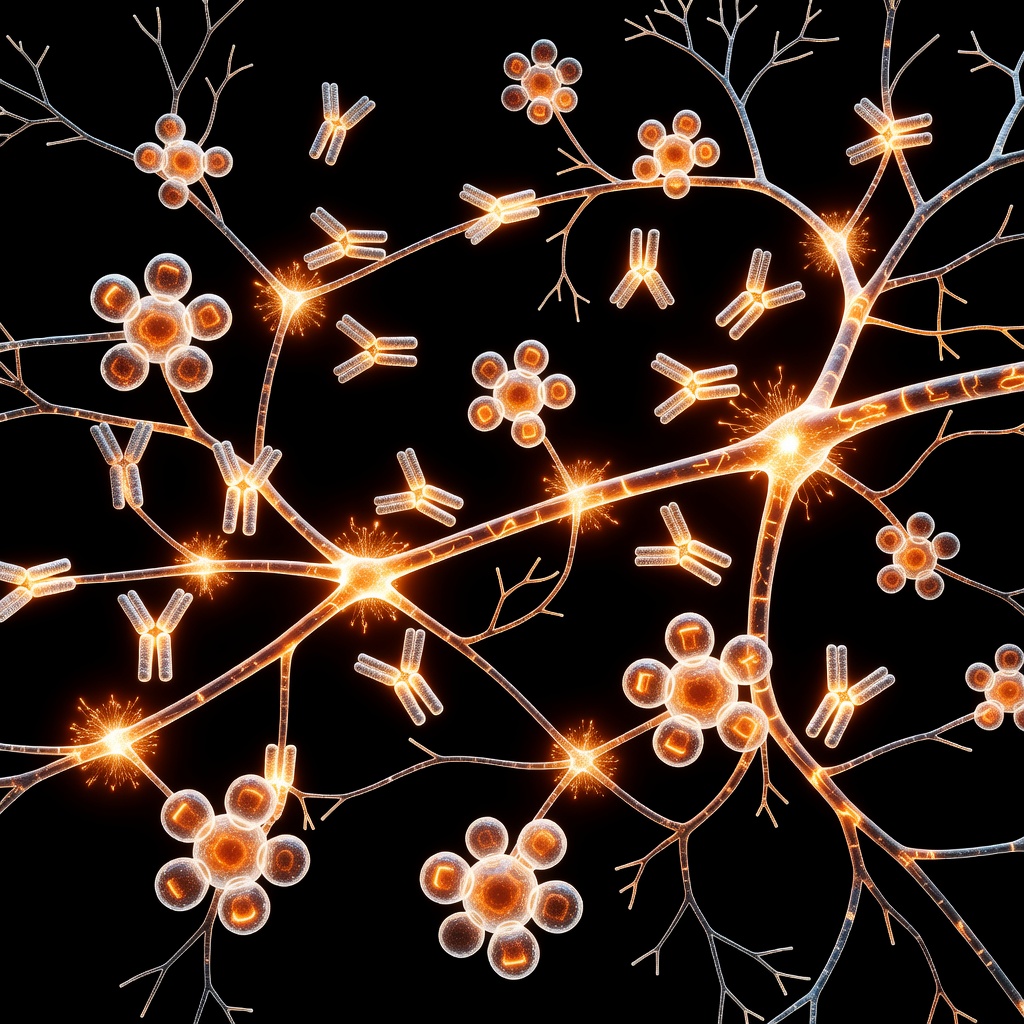
Introduction to Thyroid Homeostasis. The thyroid gland is a biological masterclass in autoregulation, maintaining a delicate balance of hormonal output despite fluctuating systemic iodine levels. In clinical practice, understanding the body's response to iodine loading is essential for safety and efficacy. ## The Wolff-Chaikoff Effect Defined. The Wolff-Chaikoff effect is the physiological phenomenon where an acute influx of iodine suppresses thyroid peroxidase (TPO) activity, effectively shutting down the production of thyroid hormones. This is an evolutionary safety valve, preventing the thyroid from becoming overstimulated when iodine levels are high.
Under normal conditions, the healthy gland 'escapes' this inhibition after a few days, allowing normal hormonal production to resume. ## Risk Factors and Root Causes. Problems arise when an individual has underlying autoimmune conditions or mineral deficiencies—specifically Selenium and Zinc—that impair the ability to bypass this block. In these cases, the 'escape' does not occur, leading to prolonged hypothyroidism. Iodine is not the enemy; rather, the impairment of the gland's defensive infrastructure is the root cause of adverse reactions to loading protocols. ## Essential Cofactors for Safe Loading. To prevent adverse thyroid reactions, high-dose iodine should never be administered in isolation.
Supporting the gland's detoxification pathways is paramount. Selenium is the most critical cofactor, as it is a mandatory component of iodothyronine deiodinases and glutathione peroxidases, which protect the thyroid from the oxidative stress caused by hydrogen peroxide during the organification process. Magnesium and Vitamin C further stabilize the thyroid-pituitary axis. ## Clinical Implementation Strategies. Practitioners utilizing iodine loading protocols must prioritize a 'start low, go slow' methodology. Monitoring TSH, fT3, and fT4 levels is standard, but assessing systemic mineral status prior to supplementation is critical.
When the body is adequately resourced with selenium and magnesium, the thyroid can safely navigate the autoregulatory phase, successfully transitioning from a state of deficiency to metabolic sufficiency. ## Conclusion. Mastering thyroid autoregulation requires a transition from symptom management to root-cause support. By acknowledging the interplay between iodine availability and the necessary mineral cofactors, individuals can restore healthy thyroid function while avoiding the pitfalls of the Wolff-Chaikoff effect.
This article is provided for informational and educational purposes only. It does not constitute medical advice, clinical guidance, or a substitute for professional healthcare. Information reflects cited research at time of publication. Always consult a qualified healthcare professional before acting on any health information.
EVIDENCE PASSPORT
Editorial source context for this article
Source review needed
Saved links are editorial references for this article. They may support specific claims rather than every sentence. Open and assess each source in context. This passport does not independently verify them.
Editorial context
A complete editorial reading has not been recorded for this article, and no source links are saved on its record.
Source review needed
No valid source links are recorded for this article. Supplementary research, where available, is listed separately below.
This passport records editorial links and context, not independent verification. Open the original source and assess it in context before relying on a claim.
Medical Disclaimer
The information in this article is for educational purposes only and does not constitute medical advice, diagnosis, or treatment. Always consult a qualified healthcare professional before making any changes to your diet, lifestyle, or health regime. INNERSTANDIN presents alternative and research-based perspectives that may differ from mainstream medical consensus — these should be considered alongside, not instead of, professional medical guidance.
Read Full DisclaimerContinue the thread
Keep this question moving.
Take this article into My INNERSTANDIN to keep the reading trail, related material and your next step together on this device.
Explore this in the Body Map
Explore related body structures and their educational pages in the interactive Body Map.
Dig deeper in the Library
Free, longform PDF volumes that go beyond headlines into mechanisms and references.