
The Root Cause of Stagnation: Leveraging Lymphatic Pumping to Counteract Sedentary Bio-Accumulation
Discuss this resourceUpdated August 2026
An in-depth look at how a sedentary lifestyle leads to lymphatic congestion and toxic bio-accumulation, and how targeted movement like rebounding acts as the ultimate antidote.
Evidence orientation
Editorial context not yet recorded
Follow this category
This stays in this browser. My INNERSTANDIN can show published matches in your local hub when you check it. It does not send email, push, or alert notifications.
Local learning review
A private browser aid for revisiting ideas. It is not an alert or a health recommendation.
Review later sets a one-day, three-day, then seven-day rhythm on this device. Choose it only when you want to revisit this article.
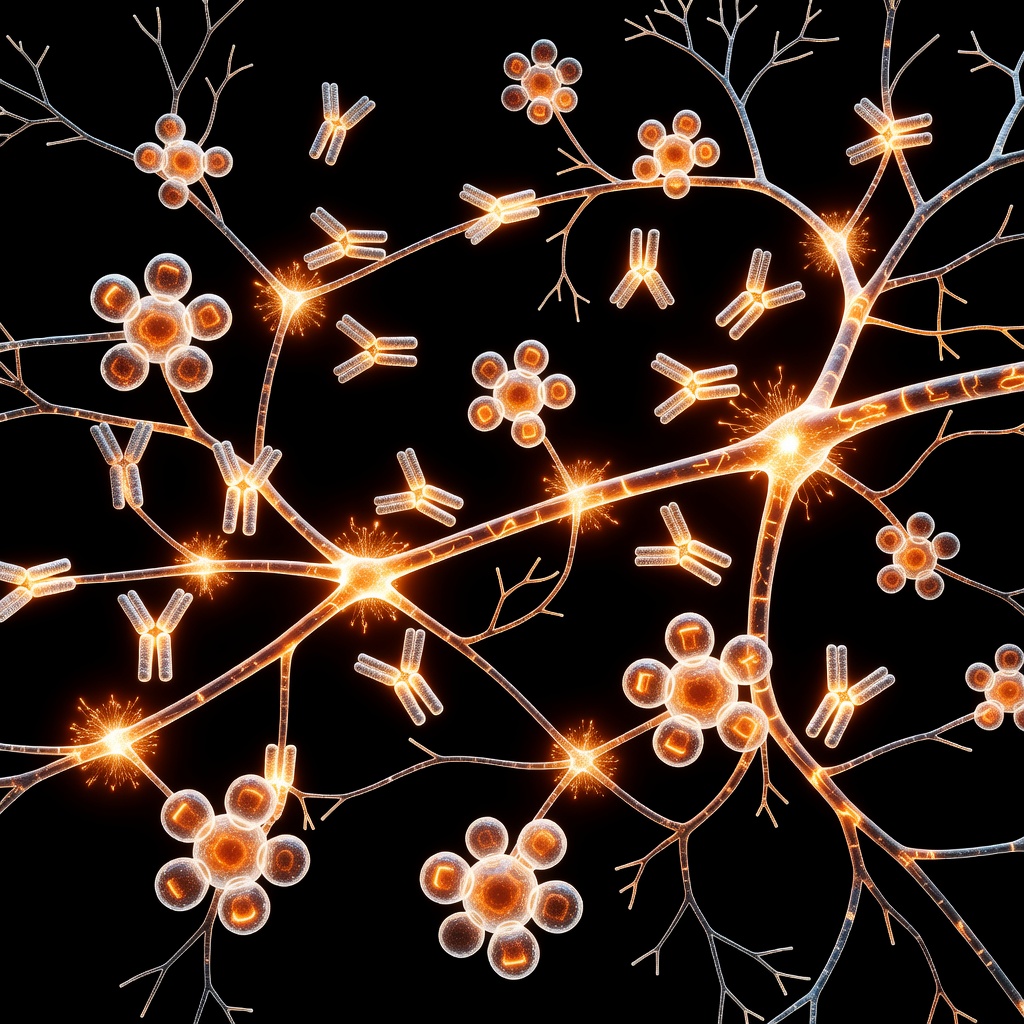
The Invisible Stagnation Crisis. In our modern UK lifestyle, we are increasingly caught in a cycle of digital desk-work and logistical convenience. While we focus on cardiovascular health and muscular strength, we often ignore the silent engine of our immune system: the lymphatic system. Unlike the blood, which is pumped by the heart, the lymphatic system relies entirely on mechanical movement to circulate lymph fluid. When we sit for hours, we trigger 'sedentary bio-accumulation'—a state where metabolic waste, cellular debris, and environmental toxins become trapped in the interstitial spaces.
This is the root cause of the fatigue, brain fog, and chronic inflammation that plague the modern worker. ### Understanding the Lymphatic Pump. The lymphatic system lacks a central pump. Instead, it utilizes the 'skeletal muscle pump'—the contraction and relaxation of muscles that squeeze the lymph vessels and propel fluid toward the nodes. When this mechanism is neglected, lymph turns from a free-flowing river into a stagnant pond. This congestion prevents the efficient delivery of nutrients and the removal of pathogens, setting the stage for systemic cellular decay. ### The Physics of Rebounding.
Rebounding (mini-trampoline exercise) is not merely a cardiovascular workout; it is a direct intervention for lymphatic stasis. The vertical acceleration and deceleration involved in bouncing trigger the lymphatic valves to open and close rhythmically, regardless of gravity. Every landing creates a G-force that mimics the natural 'pump' required for fluid circulation. Unlike high-impact running, which can stress joints, rebounding provides a low-impact, high-efficiency method to flush the lymph nodes throughout the entire body simultaneously. ### Counteracting Bio-Accumulation. Sedentary bio-accumulation occurs when the interstitial space becomes overcrowded with unprocessed waste.
By implementing consistent lymphatic pumping through rebounding, we facilitate 'cellular detoxification.' This process clears the way for oxygen and minerals to reach the mitochondria, effectively rebooting your energy at a foundational level. For those in the UK looking to regain vitality, this is not just exercise; it is an essential maintenance protocol for human physiology. ### Practical Application. Start small. Even five minutes of gentle 'health bouncing' (keeping feet on the mat) upon waking can prime the system for the day. Consistency is the primary factor—the lymphatic system requires frequent stimulation rather than occasional, high-intensity exertion.
Combine this with proper hydration and deep, diaphragmatic breathing—the body's secondary lymphatic pump—to turn your internal environment from a stagnant reservoir into a vibrant, flowing stream.
This article is provided for informational and educational purposes only. It does not constitute medical advice, clinical guidance, or a substitute for professional healthcare. Information reflects cited research at time of publication. Always consult a qualified healthcare professional before acting on any health information.
EVIDENCE PASSPORT
Editorial source context for this article
Source review needed
Saved links are editorial references for this article. They may support specific claims rather than every sentence. Open and assess each source in context. This passport does not independently verify them.
Editorial context
A complete editorial reading has not been recorded for this article, and no source links are saved on its record.
Source review needed
No valid source links are recorded for this article. Supplementary research, where available, is listed separately below.
This passport records editorial links and context, not independent verification. Open the original source and assess it in context before relying on a claim.
Medical Disclaimer
The information in this article is for educational purposes only and does not constitute medical advice, diagnosis, or treatment. Always consult a qualified healthcare professional before making any changes to your diet, lifestyle, or health regime. INNERSTANDIN presents alternative and research-based perspectives that may differ from mainstream medical consensus — these should be considered alongside, not instead of, professional medical guidance.
Read Full DisclaimerContinue the thread
Keep this question moving.
Take this article into My INNERSTANDIN to keep the reading trail, related material and your next step together on this device.
Explore this in the Body Map
Explore related body structures and their educational pages in the interactive Body Map.
Dig deeper in the Library
Free, longform PDF volumes that go beyond headlines into mechanisms and references.