
The Silent Storm: Synergistic Effects of Lead and Nutritional Deficiencies on Systemic Inflammation
Discuss this resourceUpdated August 2026
This article explores how lead exposure exacerbates systemic inflammation by stripping the body of essential nutrients, highlighting the critical role of metabolic resilience in combating toxicity.
Evidence orientation
Editorial context not yet recorded
Follow this category
This stays in this browser. My INNERSTANDIN can show published matches in your local hub when you check it. It does not send email, push, or alert notifications.
Local learning review
A private browser aid for revisiting ideas. It is not an alert or a health recommendation.
Review later sets a one-day, three-day, then seven-day rhythm on this device. Choose it only when you want to revisit this article.
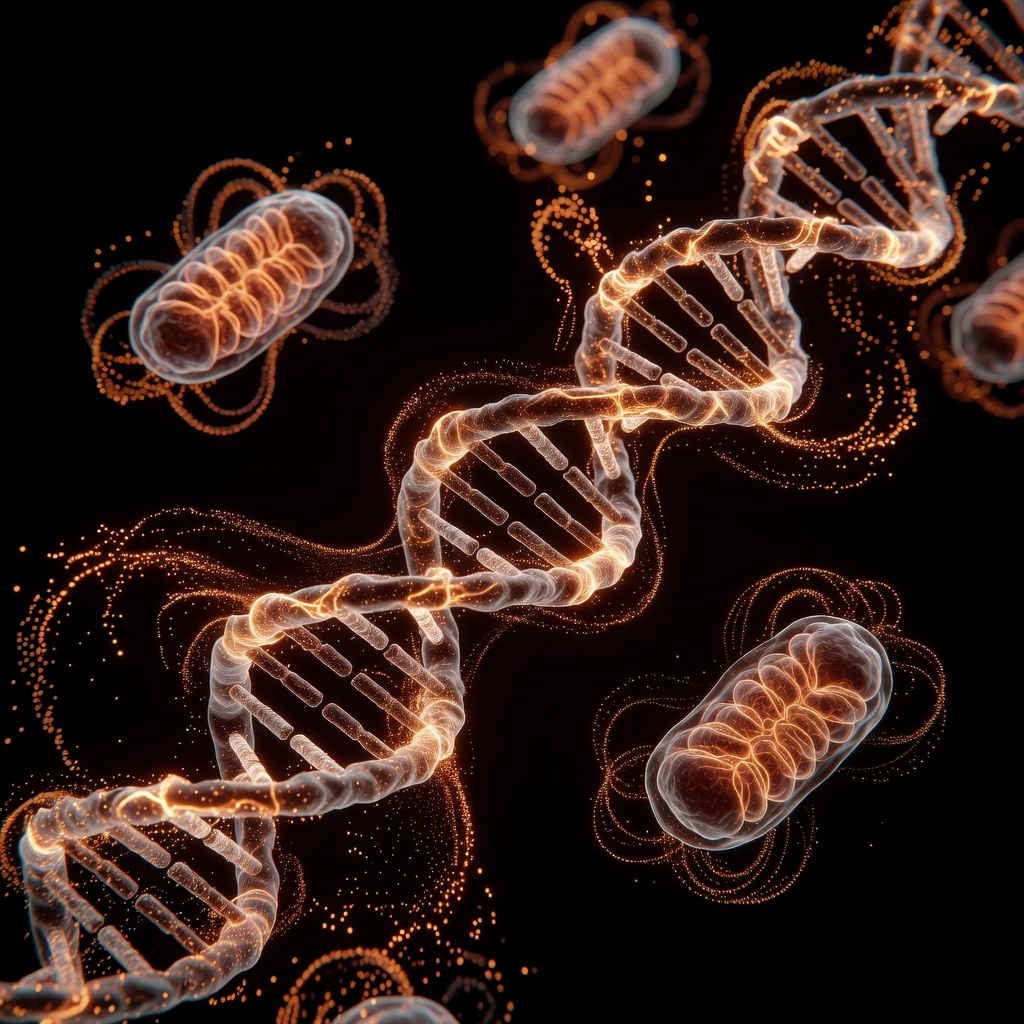
Introduction: The Invisible Threat. Lead (Pb) is a potent neurotoxin that has plagued public health for centuries. While acute lead poisoning is rare in modern contexts, chronic low-level exposure remains a pervasive issue. At INNERSTANDING, we focus on the root-cause analysis of how environmental toxins interact with our internal biochemistry. When lead enters the body, it does not act in isolation; it triggers a cascade of systemic inflammation, which is significantly amplified by common nutritional deficiencies. ### The Mechanism of Lead-Induced Inflammation.
Lead exerts its toxicity by mimicking essential divalent cations, primarily calcium, zinc, and iron. By usurping the binding sites of these minerals, lead disrupts fundamental cellular signaling. One of the primary pathways of lead-induced inflammation is the activation of the NF-kB pathway. Lead exposure induces oxidative stress by overwhelming the body's antioxidant capacity, specifically by depleting glutathione. As reactive oxygen species (ROS) accumulate, they trigger an inflammatory response, leading to the upregulation of cytokines like TNF-alpha and IL-6. ### The Nutritional Deficit Synergy.
The impact of lead is inversely correlated with nutritional status. A body depleted of essential micronutrients is essentially an open door for toxic accumulation. 1. Iron Deficiency: Iron and lead share common absorption pathways in the gut. When iron stores are low, the body increases the expression of DMT1 (divalent metal transporter 1), inadvertently leading to an increased uptake of lead. 2. Calcium and Zinc Depletion: Lead interferes with calcium homeostasis.
When dietary calcium is insufficient, the body pulls lead from bone stores, reintroducing it into the bloodstream. Similarly, zinc is a cofactor for enzymes involved in DNA repair and antioxidant defense. Lead displaces zinc, rendering these enzymatic systems dysfunctional. 3. Vitamin D and C: Vitamin D regulates the absorption of minerals. A deficiency limits the body's ability to maintain a protective barrier against heavy metal absorption.
Vitamin C acts as a potent antioxidant; its absence allows lead to catalyze the lipid peroxidation of cell membranes. ### Systemic Consequences. The synergy between lead accumulation and nutrient scarcity manifests as systemic inflammation. This is not just localized damage; it affects the blood-brain barrier, endothelial function, and mitochondrial integrity. Chronic low-grade inflammation is the precursor to most chronic metabolic conditions. By disrupting mitochondrial respiration, lead-induced stress forces cells into a state of metabolic inflexibility, further driving the inflammatory feedback loop. ### Mitigation and Root-Cause Resolution.
Addressing this issue requires a multi-pronged approach. First, testing for heavy metal body burden is essential. Second, nutritional repletion must focus on competitive inhibition—ensuring optimal levels of iron, calcium, and zinc to prevent further lead absorption. Finally, supporting the methylation cycle and glutathione production through targeted supplementation and whole-food nutrition can help the body sequester and excrete lead effectively. Understanding that the body is a complex, integrated system is the first step toward reclaiming health from environmental toxicity.
This article is provided for informational and educational purposes only. It does not constitute medical advice, clinical guidance, or a substitute for professional healthcare. Information reflects cited research at time of publication. Always consult a qualified healthcare professional before acting on any health information.
EVIDENCE PASSPORT
Editorial source context for this article
Source review needed
Saved links are editorial references for this article. They may support specific claims rather than every sentence. Open and assess each source in context. This passport does not independently verify them.
Editorial context
A complete editorial reading has not been recorded for this article, and no source links are saved on its record.
Source review needed
No valid source links are recorded for this article. Supplementary research, where available, is listed separately below.
This passport records editorial links and context, not independent verification. Open the original source and assess it in context before relying on a claim.
Medical Disclaimer
The information in this article is for educational purposes only and does not constitute medical advice, diagnosis, or treatment. Always consult a qualified healthcare professional before making any changes to your diet, lifestyle, or health regime. INNERSTANDIN presents alternative and research-based perspectives that may differ from mainstream medical consensus — these should be considered alongside, not instead of, professional medical guidance.
Read Full DisclaimerContinue the thread
Keep this question moving.
Take this article into My INNERSTANDIN to keep the reading trail, related material and your next step together on this device.
Dig deeper in the Library
Free, longform PDF volumes that go beyond headlines into mechanisms and references.