
The Tryptophan-Kynurenine Pathway: Metabolic Divergence and its Impact on Mood and Energy
Updated April 2026
Evidence orientation
Editorial context not yet recorded
Follow this category
This stays in this browser. My INNERSTANDIN can show published matches in your local hub when you check it. It does not send email, push, or alert notifications.
Local learning review
A private browser aid for revisiting ideas. It is not an alert or a health recommendation.
Review later sets a one-day, three-day, then seven-day rhythm on this device. Choose it only when you want to revisit this article.
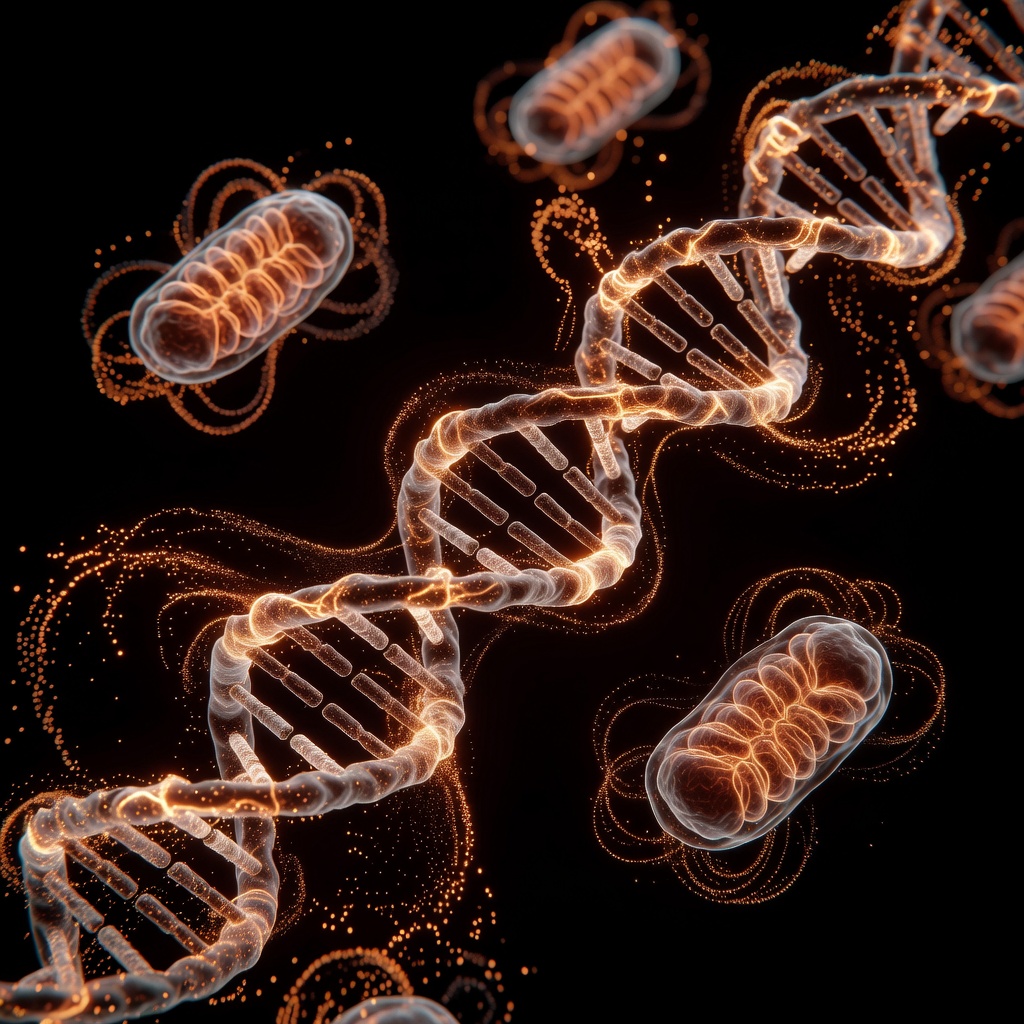
For decades, the narrative surrounding Chronic Fatigue Syndrome (ME/CFS) and mood disorders has been reductive, often relegated to the realms of "psychosomatic" illness or simple neurotransmitter imbalances. However, emerging science is exposing a far more complex and physical truth. At the heart of this mystery lies a metabolic crossroads known as the Tryptophan-Kynurenine (TRP-KYN) Pathway.
This pathway represents a profound biological "divergence." It is the point where your body decides whether to use its limited resources to build "feel-good" neurotransmitters or to fuel a state of chronic cellular alarm. For those suffering from the crushing exhaustion of ME/CFS, understanding this pathway is not just academic—it is a vital step toward reclaiming biological sovereignty.
The Tryptophan Myth: Beyond Serotonin
Most people recognise Tryptophan as the precursor to Serotonin (the "happiness hormone") and Melatonin (the "sleep hormone"). In a healthy, balanced state, this is true. However, the reality of human biochemistry is that less than 5% of dietary tryptophan is actually used to create serotonin.
The remaining 95% is funnelled into the Kynurenine Pathway. Under normal conditions, this is a productive route used to create NAD+ (Nicotinamide Adenine Dinucleotide), a coenzyme essential for mitochondrial energy production and DNA repair.
The "divergence" occurs when the body perceives a threat—be it viral, bacterial, or environmental stress. Instead of creating energy and serotonin, the body undergoes a "Tryptophan Steal."
Key Fact: In the presence of chronic inflammation, the body prioritises the Kynurenine pathway over Serotonin production. This biochemical "shunt" is a survival mechanism that, when left unchecked, results in the profound neuro-inflammation and energy depletion characteristic of ME/CFS.
Biological Mechanisms: The Enzyme Gatekeepers
The direction of tryptophan metabolism is governed by two primary enzymes: TDO (Tryptophan 2,3-dioxygenase) and IDO (Indoleamine 2,3-dioxygenase).
1. TDO and the Stress Response
TDO is primarily located in the liver and is activated by cortisol (the stress hormone). When you are under chronic psychological or physical stress, TDO ramps up, dragging tryptophan out of the blood and into the kynurenine pathway, leaving very little for the brain to produce serotonin.
2. IDO and the Immune Alarm
IDO is the "immune-activated" gatekeeper. It is triggered by pro-inflammatory cytokines, specifically Interferon-gamma (IFN-γ). In ME/CFS, where the immune system is often stuck in a state of perpetual "high alert" due to latent viral loads (like EBV) or gut dysbiosis, IDO remains permanently switched on.
The Neurotoxic Divergence: QUIN vs. KYNA
Once tryptophan enters the kynurenine pathway, it can take two further paths:
- Kynurenic Acid (KYNA): Generally considered neuroprotective. It blocks NMDA receptors, preventing over-excitation.
- Quinolinic Acid (QUIN): A potent neurotoxin. QUIN over-activates NMDA receptors, leading to "excitotoxicity"—literally exhausting and killing neurons through oxidative stress.
In ME/CFS and chronic inflammatory states, the ratio shifts heavily toward Quinolinic Acid. This results in the "brain fog," cognitive impairment, and sensory overload that many patients report.
Metabolic Divergence: The Impact on Mood and Energy
The impact of this pathway on mood and energy is twofold. First, the "steal" creates a genuine serotonin deficiency, leading to the specific type of "reactive depression" or anxiety seen in chronic illness. This isn't a lack of "willpower"; it is a lack of raw materials.
Second, the impact on Energy (ATP) is devastating. While the kynurenine pathway is supposed to eventually produce NAD+ for the mitochondria, the chronic inflammation in ME/CFS often "breaks" the cycle. Instead of reaching the finish line (NAD+), the process stalls at the toxic intermediate stages (like QUIN).
Key Fact: When the Tryptophan-Kynurenine pathway is dysregulated, the mitochondria—the "power plants" of our cells—are starved of the NAD+ they need to produce energy. This creates a state of hypometabolism, or what researchers call the "Cell Danger Response."
The UK Context: A Growing Crisis of Fatigue
In the United Kingdom, ME/CFS affects an estimated 250,000 people, though recent data suggests this number is rising sharply in the wake of post-viral syndromes. For years, the UK healthcare system relied on "Graded Exercise Therapy" (GET) and "Cognitive Behavioural Therapy" (CBT) as primary treatments.
The 2021 NICE (National Institute for Health and Care Excellence) guidelines finally acknowledged that these approaches were not only ineffective but potentially harmful. This shift is crucial because it opens the door to looking at the biology—specifically the metabolic dysregulation of pathways like kynurenine.
The UK's environmental landscape also plays a role. From the prevalence of mould in older housing stock to the "British stiff upper lip" culture that encourages pushing through burnout, the UK population is particularly susceptible to the triggers that activate the IDO/TDO enzymes.
Environmental Factors: What Triggers the Shunt?
The Tryptophan-Kynurenine pathway does not malfunction in a vacuum. It is a reactive system that responds to our environment.
1. The Gut-Brain Axis
The gut is a major site of tryptophan metabolism. When Gut Dysbiosis (an imbalance of bacteria) occurs, certain pathogenic bacteria produce enzymes that mimic IDO, stealing tryptophan before it can even enter the bloodstream. Furthermore, "Leaky Gut" allows bacterial toxins (LPS) into the blood, which directly triggers systemic IDO activation.
2. Viral Persistence
Chronic Fatigue is often linked to the aftermath of viral infections. Viruses are experts at manipulating the kynurenine pathway. By keeping IDO active, viruses can suppress the host's T-cell response, allowing the virus to remain latent but active, perpetually draining the host's energy.
3. Glyphosate and Chemical Load
Modern agricultural chemicals, particularly Glyphosate, have been shown to interfere with the "Shikimate pathway" in our gut bacteria. This pathway is responsible for producing aromatic amino acids, including Tryptophan. A reduction in available Tryptophan, combined with chemical-induced inflammation, creates a "perfect storm" for kynurenine dominance.
Protective Strategies: Redirecting the Flow
While the science may seem daunting, understanding the kynurenine shunt provides us with specific targets for intervention. The goal is to inhibit the overactive IDO/TDO enzymes and shift the balance back toward serotonin and neuroprotective KYNA.
Nutritional Cofactors
- Vitamin B6 (P5P): The enzyme that converts kynurenine into neuroprotective KYNA requires Vitamin B6. In many chronic fatigue patients, B6 is depleted, causing the pathway to default toward the toxic Quinolinic Acid.
- Magnesium: Acts as a natural "gatekeeper" for the NMDA receptor, protecting the brain from the excitotoxic effects of QUIN.
- Niacin (B3): Supplementing with specific forms of B3 (like Nicotinamide Riboside) may provide the body with the NAD+ it needs without relying on the damaged tryptophan pathway.
Anti-Inflammatory Interventions
- Curcumin and Resveratrol: These polyphenols have been shown in studies to inhibit IDO activity, effectively "turning down" the alarm system.
- Omega-3 Fatty Acids: High-dose EPA/DHA helps to resolve the systemic inflammation that drives the Tryptophan Steal.
Lifestyle and Environment
- Vagus Nerve Stimulation: Techniques such as deep diaphragmatic breathing or cold-water immersion can shift the body from a Sympathetic (Stress) state to a Parasympathetic (Rest) state, reducing TDO activation.
- Circadian Rhythm Alignment: Since melatonin is a byproduct of the serotonin path, ensuring total darkness at night and bright sunlight in the morning helps "pull" tryptophan down the correct metabolic route.
Key Takeaways: The Path Forward
The "Tryptophan Steal" is a biological reality that provides a bridge between the physical exhaustion of ME/CFS and the neurological symptoms of brain fog and low mood.
- It is not "all in your head": The depression associated with ME/CFS is often a result of biochemical redirection, not a lack of psychological resilience.
- Inflammation is the Driver: Addressing the TRP-KYN pathway requires identifying the source of inflammation—whether it is gut-based, viral, or environmental.
- Mitochondrial Connection: You cannot fix "energy" without fixing the pathway that provides the raw materials for NAD+.
- Precision Matters: Targeted supplementation (like B6 and Magnesium) is essential to ensure tryptophan is metabolised into protective rather than toxic compounds.
Conclusion
For those within the INNERSTANDING community, the message is clear: the body is not failing you; it is responding to a perceived threat. By understanding the Tryptophan-Kynurenine Pathway, we move away from the "fatigue" label and toward a sophisticated, metabolic understanding of our health. We are not just looking for a "cure"; we are looking to restore the delicate balance of our internal chemistry, moving from a state of cellular survival back into a state of metabolic thriving.
This article is provided for informational and educational purposes only. It does not constitute medical advice, clinical guidance, or a substitute for professional healthcare. Information reflects cited research at time of publication. Always consult a qualified healthcare professional before acting on any health information.
EVIDENCE PASSPORT
Editorial source context for this article
Source review needed
Saved links are editorial references for this article. They may support specific claims rather than every sentence. Open and assess each source in context. This passport does not independently verify them.
Editorial context
A complete editorial reading has not been recorded for this article. Source links remain available for you to open and assess directly.
Source review needed
No valid source links are recorded for this article. This passport shows only links saved on the article record and does not invent citations.
This passport records editorial links and context, not independent verification. Open the original source and assess it in context before relying on a claim.
Medical Disclaimer
The information in this article is for educational purposes only and does not constitute medical advice, diagnosis, or treatment. Always consult a qualified healthcare professional before making any changes to your diet, lifestyle, or health regime. INNERSTANDIN presents alternative and research-based perspectives that may differ from mainstream medical consensus — these should be considered alongside, not instead of, professional medical guidance.
Read Full DisclaimerContinue the thread
Keep this question moving.
Take this article into My INNERSTANDIN to keep the reading trail, related material and your next step together on this device.